合作
艺术
美容与健康
工艺
文化与历史
娱乐
环境
食品与饮料
逆向工程
科学
体育
技术
可穿戴设备
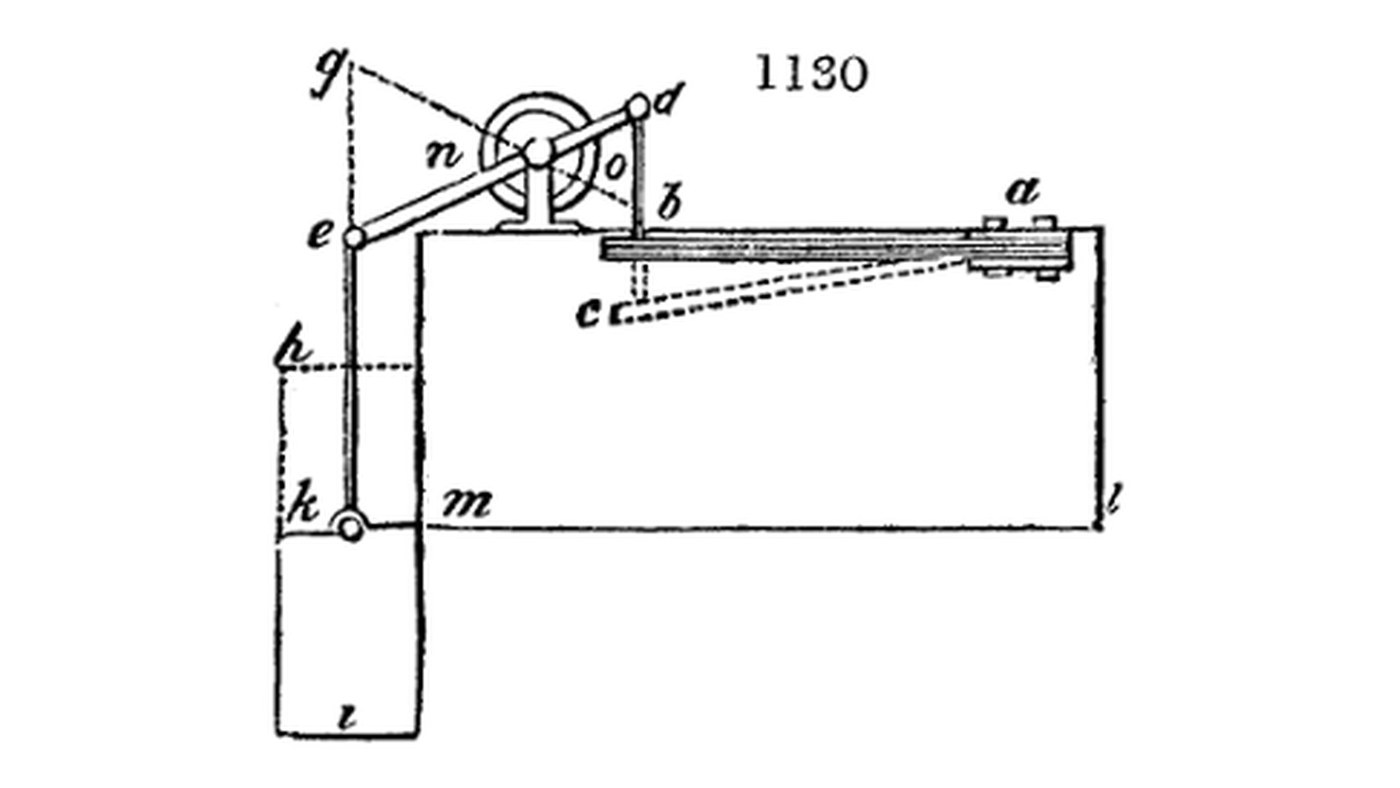


Bimetallic Strip: Ure's Thermostatic Bar of Steel and Brass (1839)
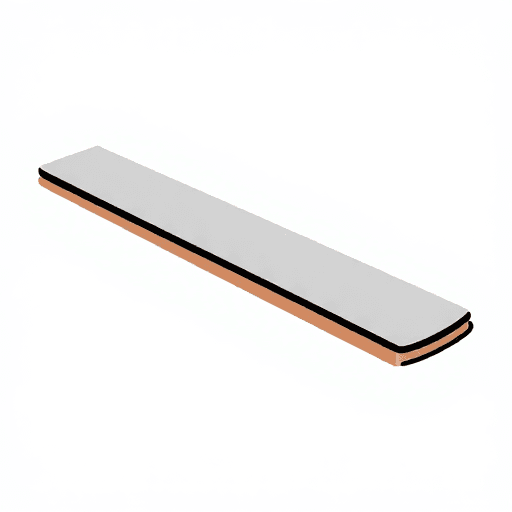
The compound bar of Andrew Ure's 1831 thermostat: a thin steel ruler and a ruler of hard-hammered brass riveted face to face. Brass expands more than steel, so when the bar warms it bends, and the free end can work a valve, damper or cock.
Bolt one end fast and leave the other free to move.
Source: A. Ure, Dictionary of Arts, Manufactures and Mines (1839), 'Thermostat'. Picture: the book's Fig. 1130.
初学者
Unknown
说明
1
1
Prepare the two rulers
Prepare the two rulers
Take two long thin rulers, one of steel and one of brass. Hammer the brass hard.
此步骤所需材料:
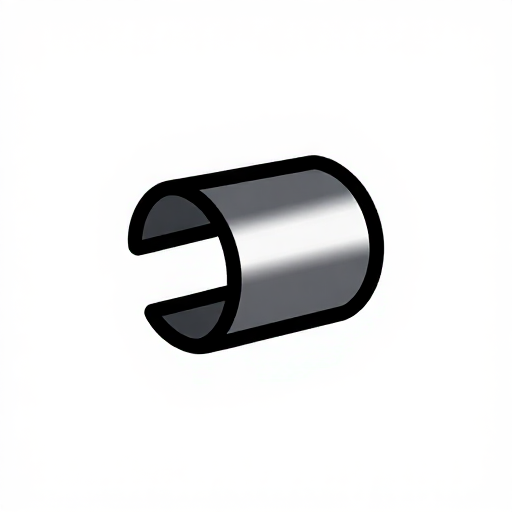 碳素钢带1 thin ruler
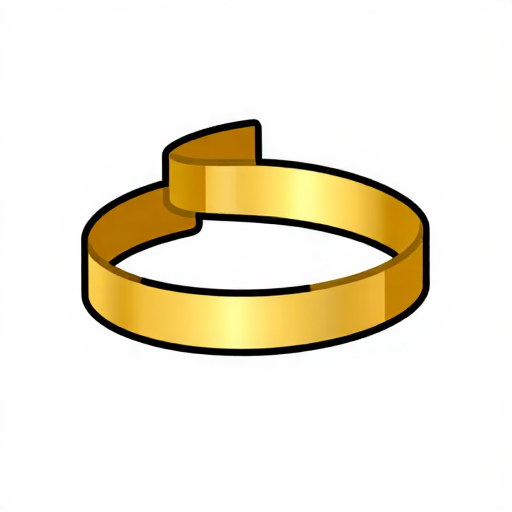 黄铜条1 thin ruler
所需工具:
 锤子
 铁砧
2
2
Rivet them face to face
Rivet them face to face
Lay the rulers face to face and rivet them firmly together along their length.
此步骤所需材料:
 铜铆钉1 个
所需工具:
 手摇钻
 铆钉工具组锤子
3
3
Mount and use
Mount and use
Fix one end of the compound bar by bolts and leave the other free: when heated the free end moves by flexure, and through links and levers it can open or close a valve, cock, register or ventilator. In the still's heat-governor two such bars stand with their edges up and down.
所需工具:
锤子此蓝图制作
CC0 公共领域
此蓝图以 CC0 协议发布。你可以自由复制、修改、分发和使用此作品,无需征得许可。
通过购买蓝图中的产品支持创客,他们将获得 创客佣金 (由供应商设定),或创建此蓝图的新版本并将其作为连接包含在你自己的蓝图中以分享收入。