艺术
美容与健康
工艺
文化与历史
娱乐
环境
食品与饮料
逆向工程
科学
体育
技术
可穿戴设备
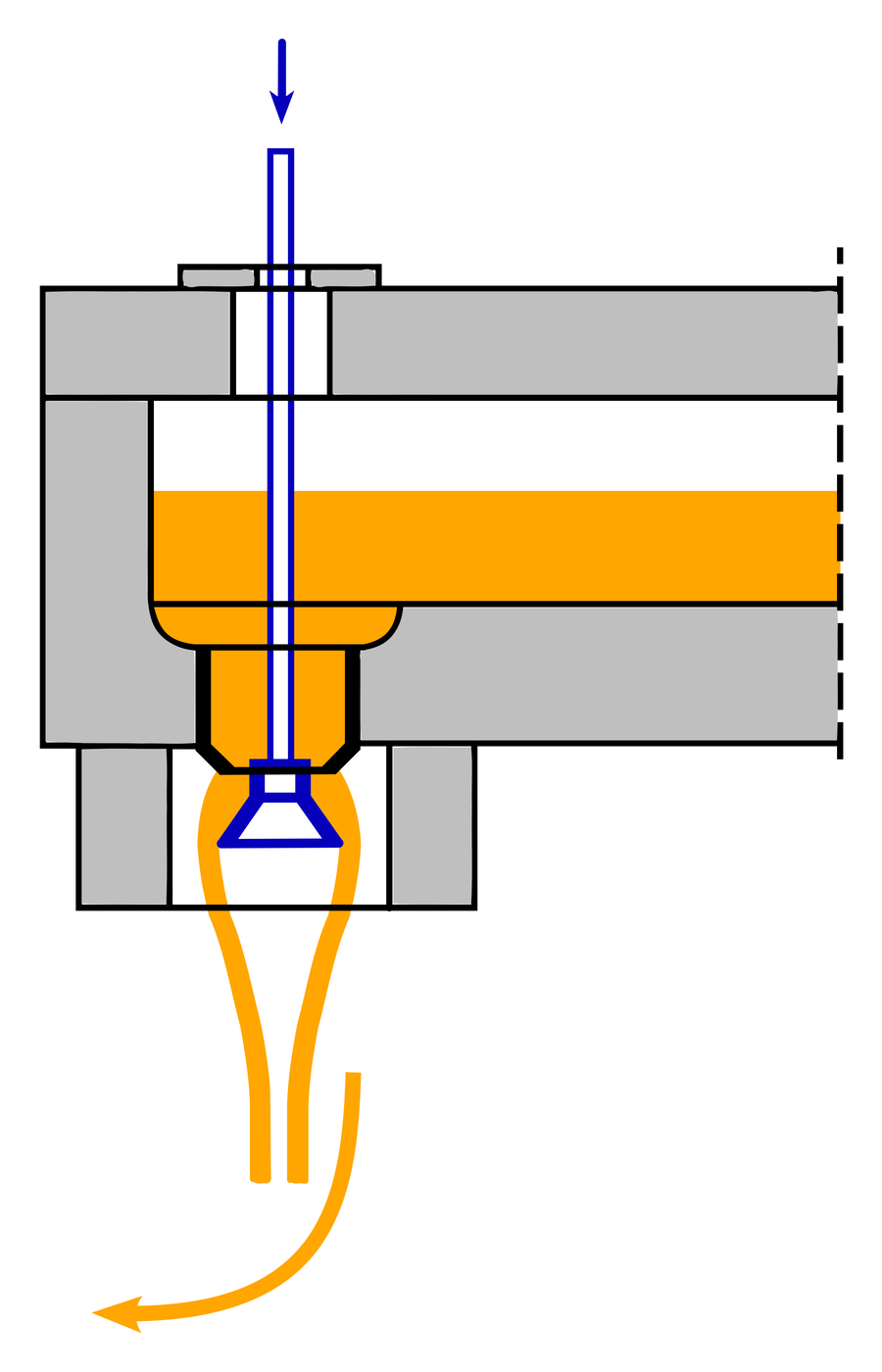


Borosilicate Glass Tube and Rod: the Vello Process
Laboratory borosilicate glass is about 80% silica, 13% boric oxide, 4% sodium or potassium oxide and 2–3% alumina, melted from boric oxide, silica sand, soda ash and alumina. It melts hotter than ordinary glass. Tube and rod are drawn continuously from the melt. In the Vello process, which L. Sanches-Vello developed in France in 1929, the glass flows down through a ring-shaped opening between the feeder's outlet nozzle and a hollow needle, and air blown through the needle keeps the tube open. The tube sags from vertical to horizontal, runs along a roller track to the drawing machine, and is cut into pieces about 1.5 m long. The nozzle runs cooler than in the older Danner process, which suits glass with volatile borates. Without the needle, the same feeder makes rod.
高级
Factory process
说明
1
1
Melt the batch
Melt the batch
Melt silica sand, boric oxide, soda ash and alumina in proportions giving about 80% silica, 13% boric oxide, 4% alkali oxide and 2–3% alumina.
此步骤所需材料:
 石英砂1 as required
 氧化硼1 as required
 碳酸钠(纯碱)1 as required
 氧化铝粉(三氧化二铝)1 as required
所需工具:
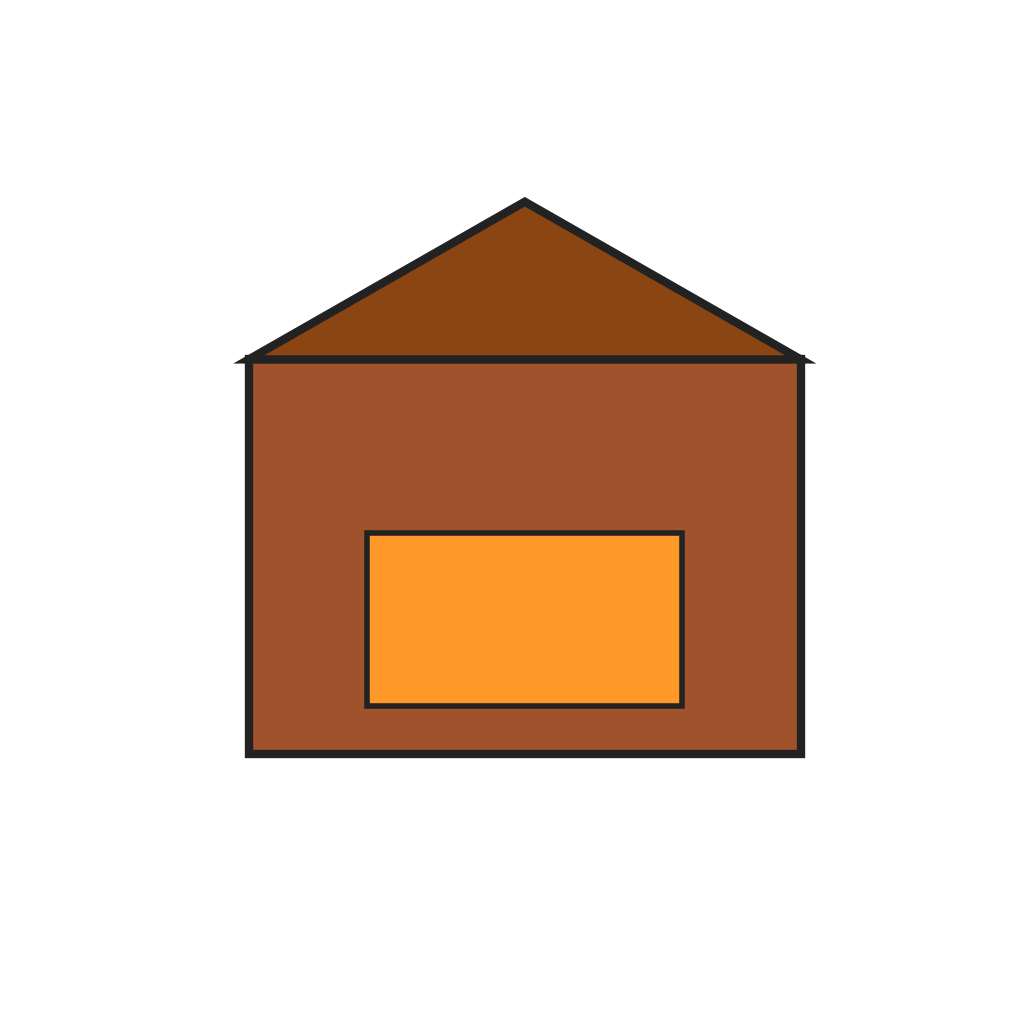 玻璃熔窑
玻璃熔窑2
2
Draw through the Vello feeder
Draw through the Vello feeder
Let the glass run through the annular opening between the feeder's outlet nozzle and the height-adjustable hollow needle. Blow compressed air through the needle to inflate the tube. Set the needle slightly off-centre so the wall comes out even after the bend. For rod, run without the needle; the diameter is set by the nozzle and the drawing speed.
所需工具:
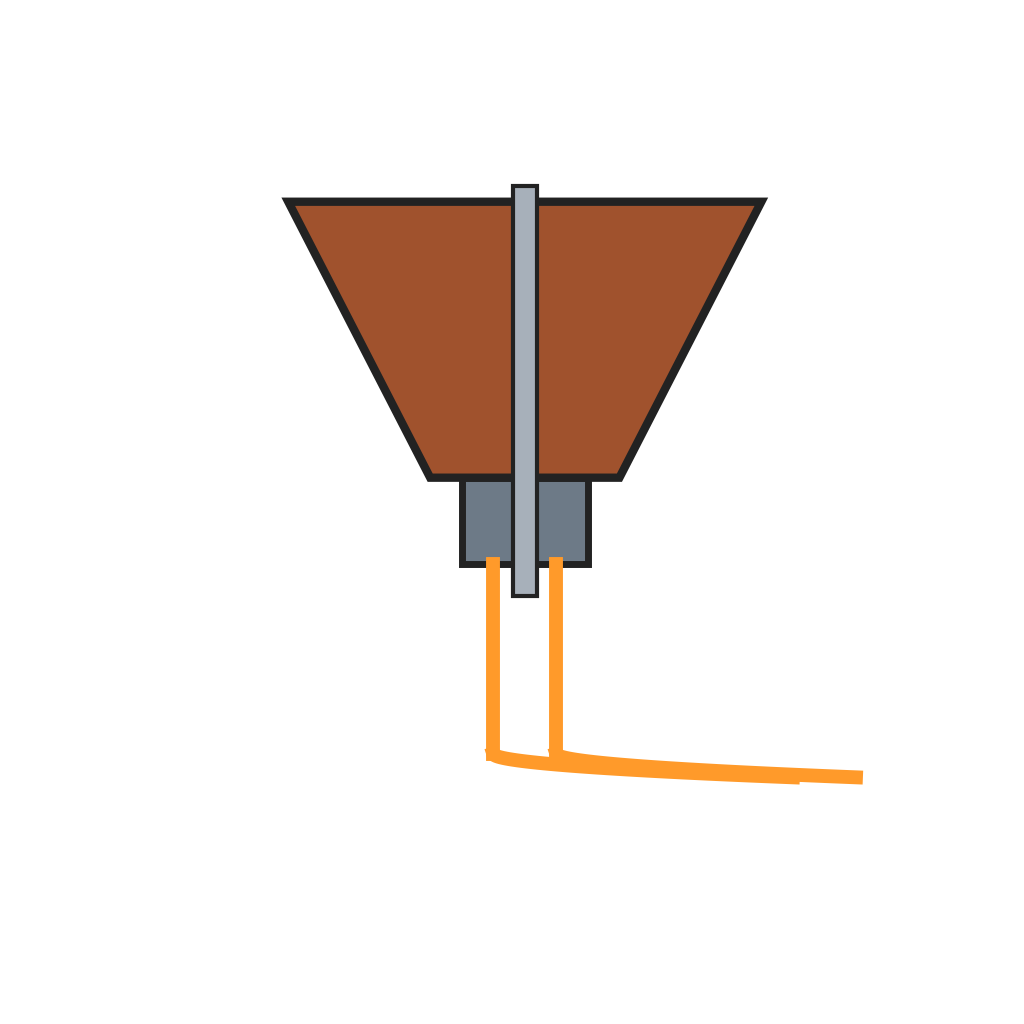 Vello 拉管供料机
3
3
Bend, draw and cut
Bend, draw and cut
Let the tube sag from vertical to horizontal, draw it along the roller track to the drawing machine, and cut it into pieces about 1.5 m long. Vello tube can be made from 1.5 to 70 mm in diameter.
所需工具:
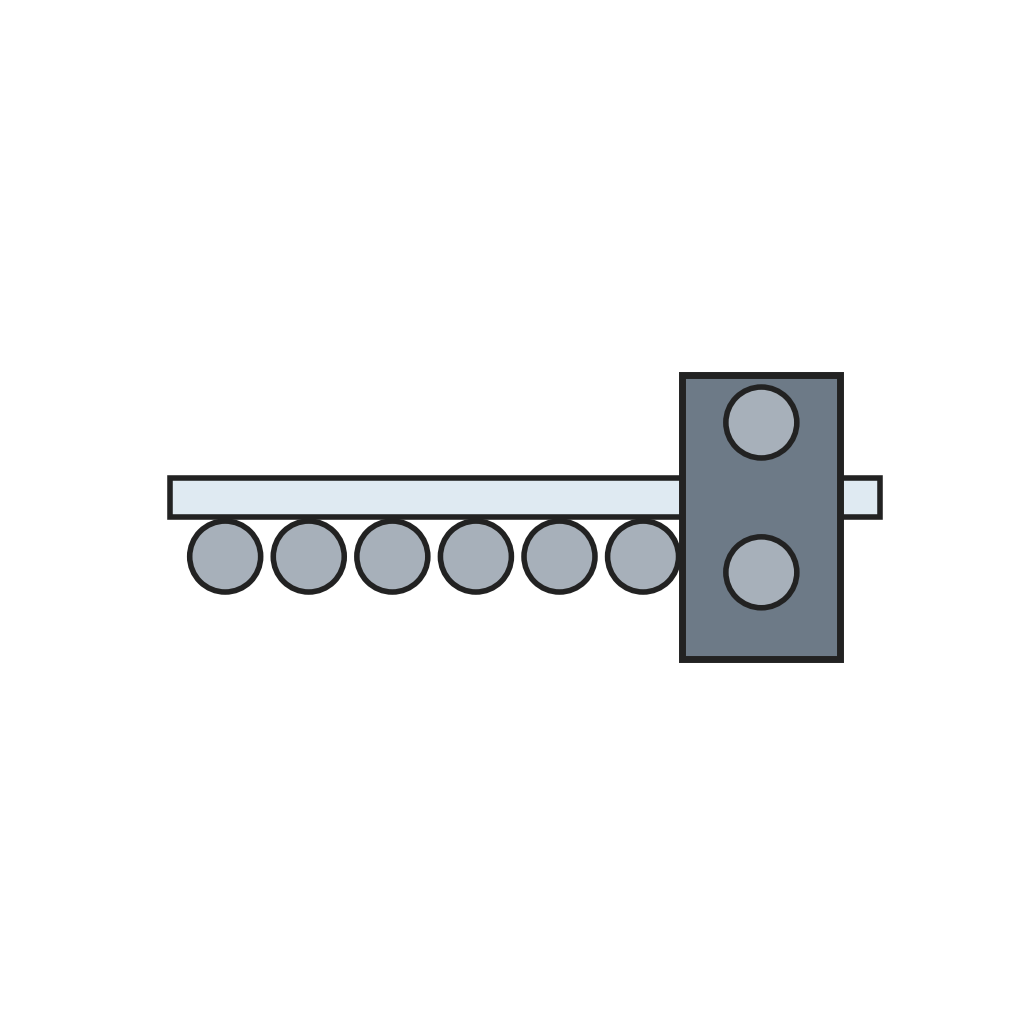 辊道与拉管机

相关蓝图
这些蓝图共享知识——技术、材料或原理

CC0 公共领域
此蓝图以 CC0 协议发布。你可以自由复制、修改、分发和使用此作品,无需征得许可。
通过购买蓝图中的产品支持创客,他们将获得 创客佣金 (由供应商设定),或创建此蓝图的新版本并将其作为连接包含在你自己的蓝图中以分享收入。