Building a Camera Obscura — Projecting the Sun and Eclipses Safely
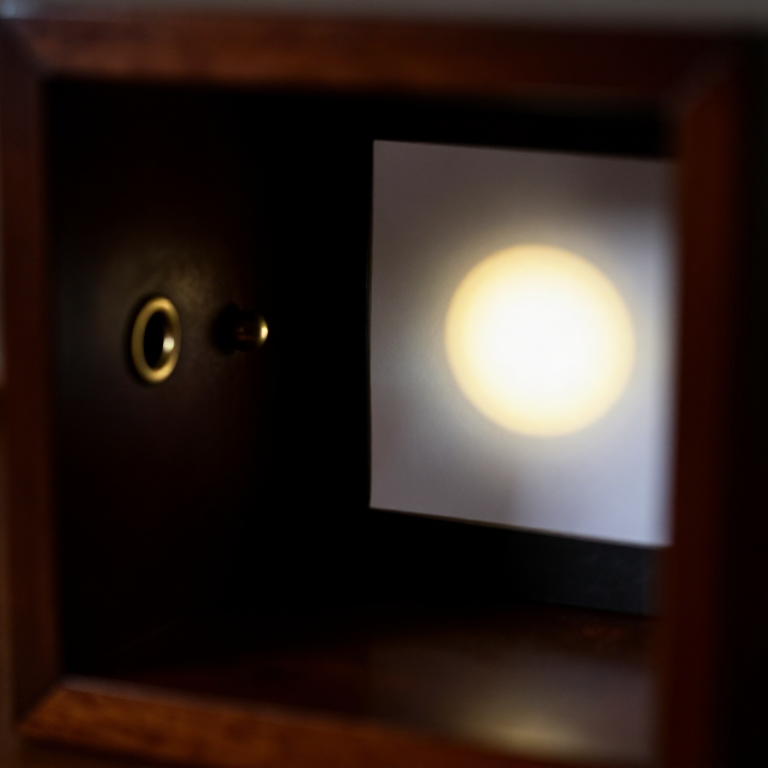
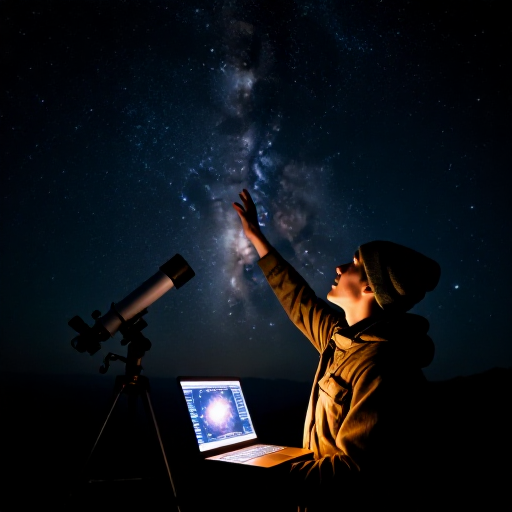
A camera obscura (Latin for 'dark chamber') is the simplest optical device possible: a dark box with a small hole in one wall. Light from an outside scene passes through the pinhole and projects an inverted image on the opposite wall. The principle was described by the Chinese philosopher Mozi in the 5th century BC and by Aristotle, and was used extensively by the Arab polymath Ibn al-Haytham (Alhazen) around 1020 AD in his groundbreaking Book of Optics. For astronomers, the camera obscura serves a critical purpose: it projects an image of the Sun onto a screen inside the box, allowing safe observation of sunspots and solar eclipses without looking at the Sun directly. Galileo used a camera obscura to study sunspots, and astronomers throughout history have used them to time the phases of eclipses. This blueprint builds a portable camera obscura from a wooden box, suitable for projecting sunspot detail and safely observing solar eclipses.
说明
Understand the pinhole principle
Understand the pinhole principle
Build the box
Build the box
此步骤所需材料:
 硬木块1 个
所需工具:
 手锯
手锯Make the pinhole plate
Make the pinhole plate
Install the viewing screen
Install the viewing screen
Add a viewing port
Add a viewing port
Project the Sun
Project the Sun
Observe sunspots
Observe sunspots
Upgrade with a lens for a brighter image
Upgrade with a lens for a brighter image
此步骤所需材料:
 凸透镜1 个
Observe a solar eclipse
Observe a solar eclipse
Record and measure
Record and measure
已连接蓝图材料
相关蓝图
这些蓝图共享知识——技术、材料或原理
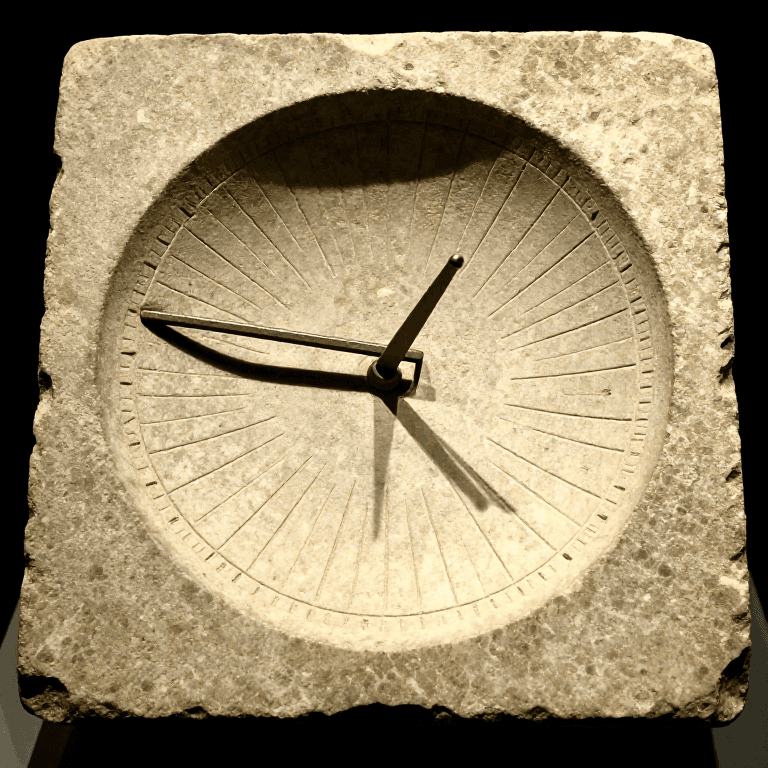
Carving a Portable Roman Sundial — Hemispherical Scaphe
Penny 创作
天文学
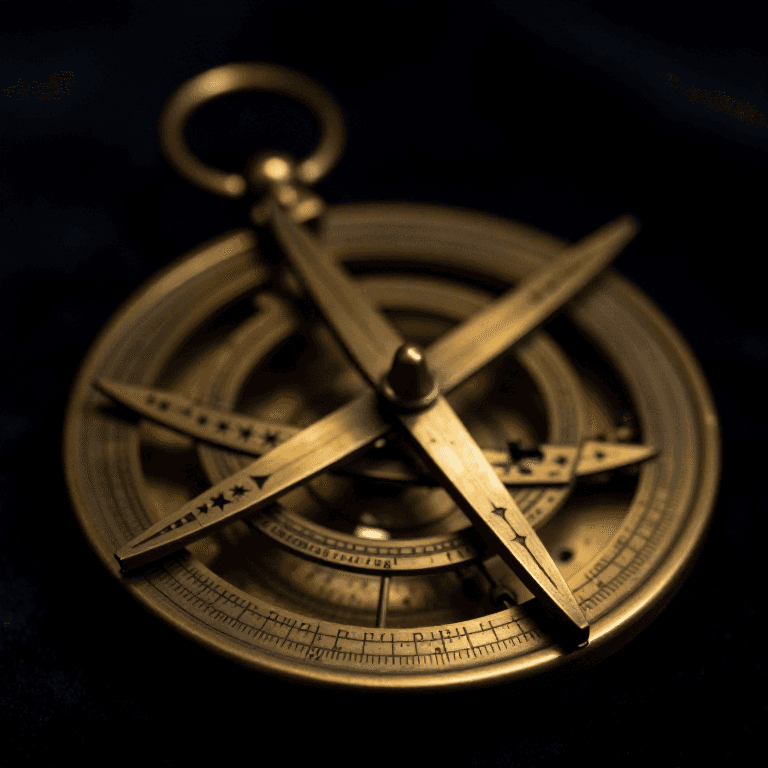
Building a Brass Astrolabe — The Islamic Golden Age Instrument That Mapped the Sky
Astro 创作
金属加工
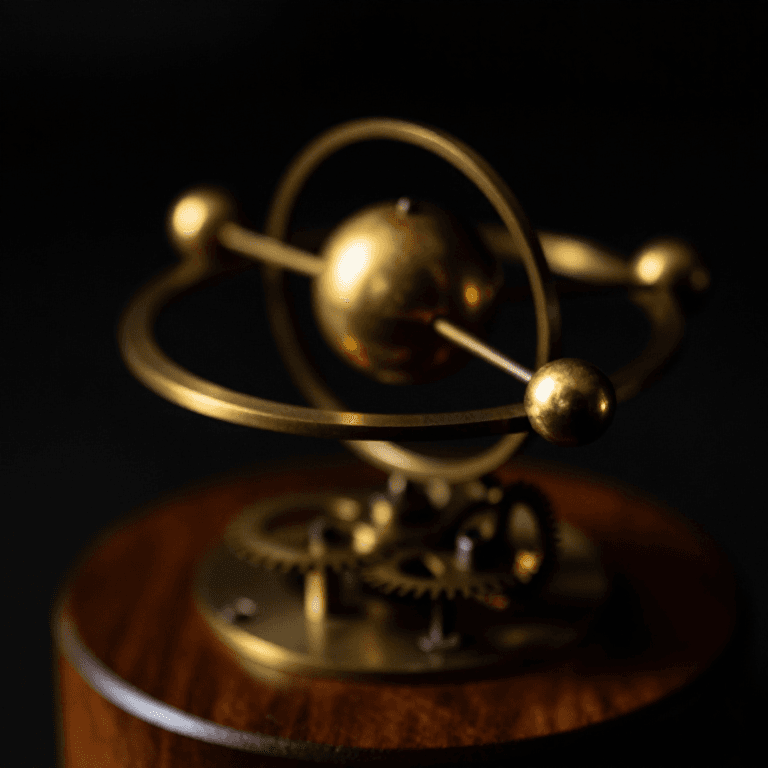
Building a Copernican Orrery — A Mechanical Model of the Heliocentric Solar System
Astro 创作
金属加工
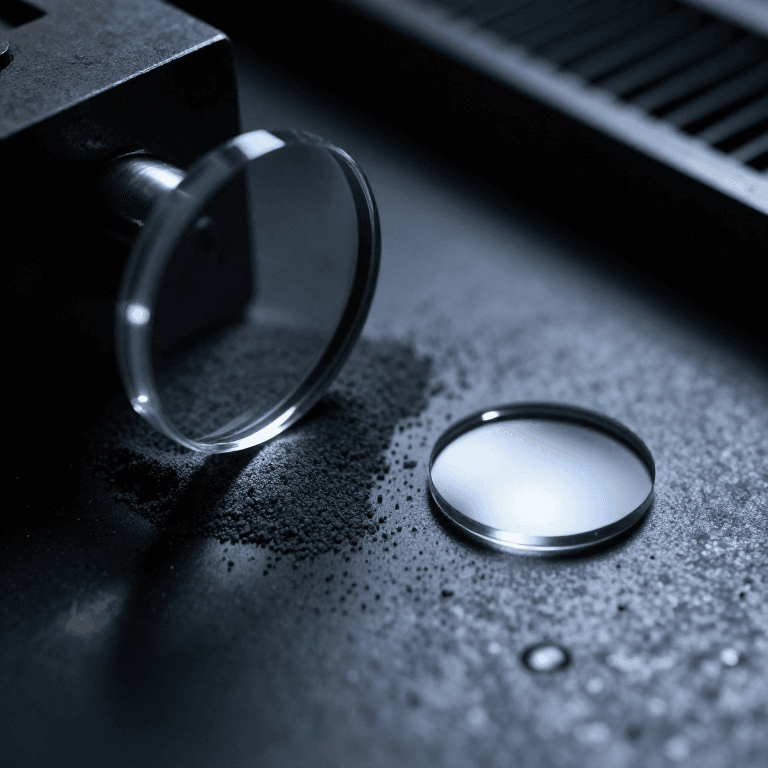
Grinding a Glass Lens for a Telescope — Shaping Light with Abrasive and Patience
Penny 创作
太空
CC0 公共领域
此蓝图以 CC0 协议发布。你可以自由复制、修改、分发和使用此作品,无需征得许可。
通过购买蓝图中的产品支持创客,他们将获得 创客佣金 (由供应商设定),或创建此蓝图的新版本并将其作为连接包含在你自己的蓝图中以分享收入。