艺术
美容与健康
工艺
文化与历史
娱乐
环境
食品与饮料
逆向工程
科学
体育
技术
可穿戴设备
已翻译


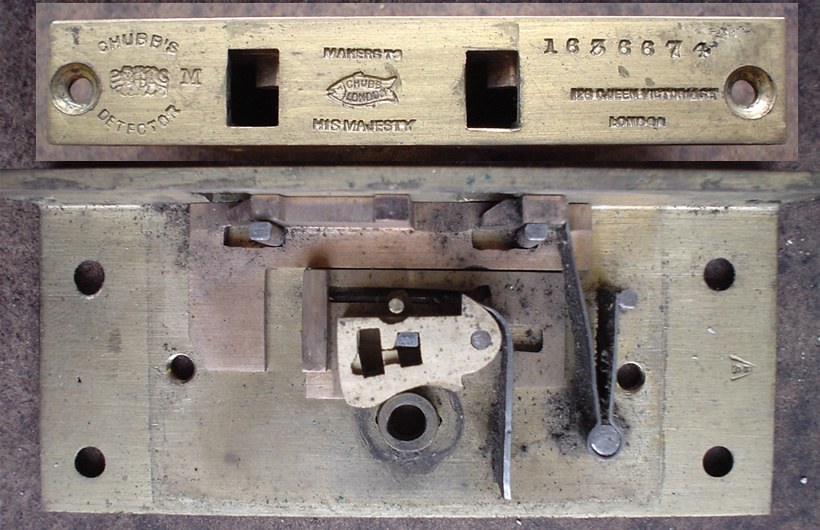
查布探测锁
这是一把不仅能抵御撬锁的锁——事后它还会告诉你有人试过。杠杆锁在每一片杠杆都被抬到恰好正确的高度时才会打开;撬锁者靠手感逐片摸索每片杠杆的高度,在此过程中很容易把某一片抬得过高。杰里迈亚·查布加装了一根弹簧,它会卡住任何被抬得过高的杠杆片并将其固定在原位,使整个机构卡死。从那一刻起,这把锁连它自己的正确钥匙也拒绝打开,唯一的复位方法是把正确的钥匙反向转动。于是锁的主人同时得知两件事:锁挺住了,而且有人动过它。查布于1818年在朴次茅斯为它申请了专利,据说一名服刑的锁匠被许诺只要打开一把就能获得自由,但他在三个月后失败了。
中级
1小时
说明
1
1
制作一片杠杆
制作一片杠杆
在加入巧妙部分之前,先弄懂基本的杠杆锁。
- 把一片开有槽口的扁平杠杆装在轴上,并用弹簧将其向下压。
- 装上一根止销——锁舌上固定的柱子——使其落在槽口里。
- 只有当槽口的通道与止销对齐时,锁舌才能滑动。
此步骤所需材料:
 弹簧钢带1 strip
 黄铜棒1 length
2
2
叠放不同高度的杠杆
叠放不同高度的杠杆
安全性来自同时要求多个正确高度。
- 在同一根轴上叠放几片杠杆,每片的通道位于不同高度。
- 为每片杠杆切出不同台阶的钥匙。
- 确认只有当所有通道同时对齐时锁舌才会移动。
3
3
加入探测装置
加入探测装置
发明本身:为抬得过高的杠杆设下的陷阱。
- 在杠杆正确高度的上方加装一个带弹簧的卡扣。
- 任何被抬过其通道的杠杆都会被这个卡扣卡住并固定。
- 只要有一片杠杆被卡在高处,任何抬升组合都无法让所有通道对齐。
4
4
触发它,然后复位
触发它,然后复位
攻击你自己的锁,然后把它恢复。
- 故意把一片杠杆抬得过高,感受探测装置将其卡住。
- 试用正确的钥匙——锁应当拒绝打开。
- 把正确的钥匙反向转动以释放探测装置,然后照常开锁。
5
5
历史与背景
历史与背景
杰里迈亚·查布于1818年为探测锁申请了专利,据说是受到朴次茅斯造船厂一起盗窃案之后政府举办的一场竞赛的推动。著名的故事是:一名被关押在监狱船上的已定罪锁匠,被许诺只要打开一把就给予赦免和奖金,他尝试了好几个月后放弃了。这个故事出自查布公司的宣传材料,欣赏时应对变成历史的广告保持惯常的谨慎。
撬不开的锁的时代在1851年公开终结。在伦敦万国博览会上,美国锁匠阿尔弗雷德·查尔斯·霍布斯撬开了查布探测锁,随后——用分散在数周里的约五十个小时——打开了布拉马锁,那把锁挂着200几尼的悬赏在店铺橱窗里摆了几十年。制锁行业受到严重冲击,随后爆发了一场真正的公开争论:讨论锁的弱点,究竟是在帮助窃贼,还是在迫使改进?
霍布斯在那场争论中的回答至今仍在安全领域被引用:恶棍早已知道这些方法,让公众蒙在鼓里只会使他们毫无防备。这本质上就是支持完全披露漏洞的理由,于1853年提出,至今仍是同一个理由。
留存下来的:杠杆锁至今仍是保险柜和英国门锁的标准。探测装置的理念则以一条更广泛的原则延续下来:安全系统应当记录并报告攻击,而不只是承受它们。
CC0 公共领域
此蓝图以 CC0 协议发布。你可以自由复制、修改、分发和使用此作品,无需征得许可。
通过购买蓝图中的产品支持创客,他们将获得 创客佣金 (由供应商设定),或创建此蓝图的新版本并将其作为连接包含在你自己的蓝图中以分享收入。