艺术
美容与健康
工艺
文化与历史
娱乐
环境
食品与饮料
逆向工程
科学
体育
技术
可穿戴设备
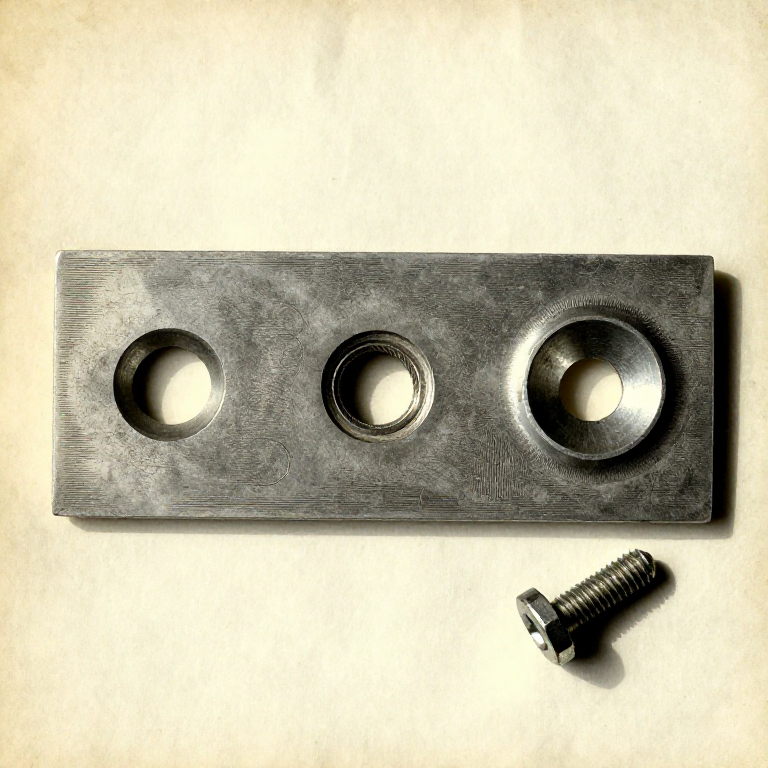


The Clearance Hole: Why the Bolt Should Not Touch the Top Part
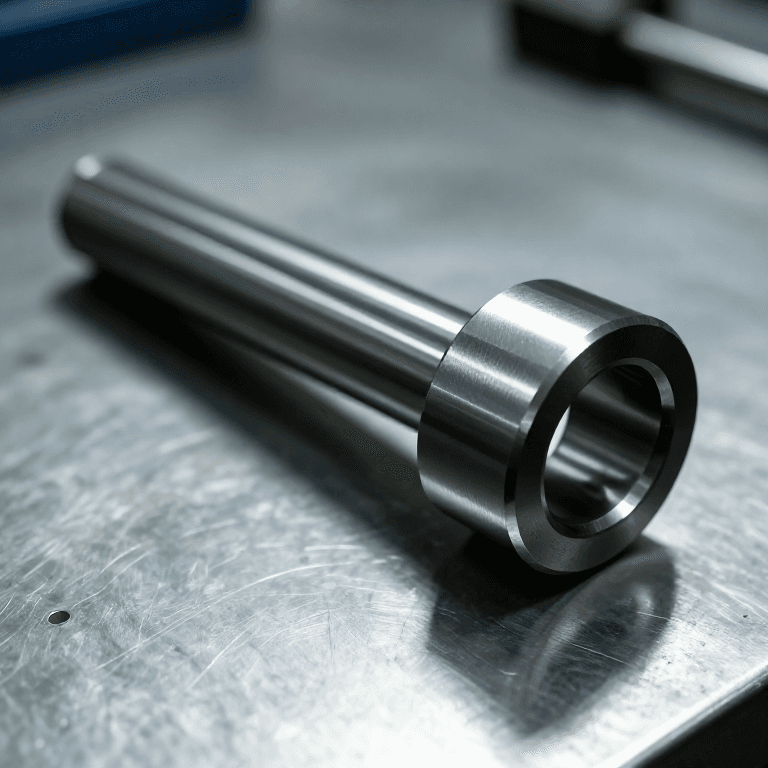
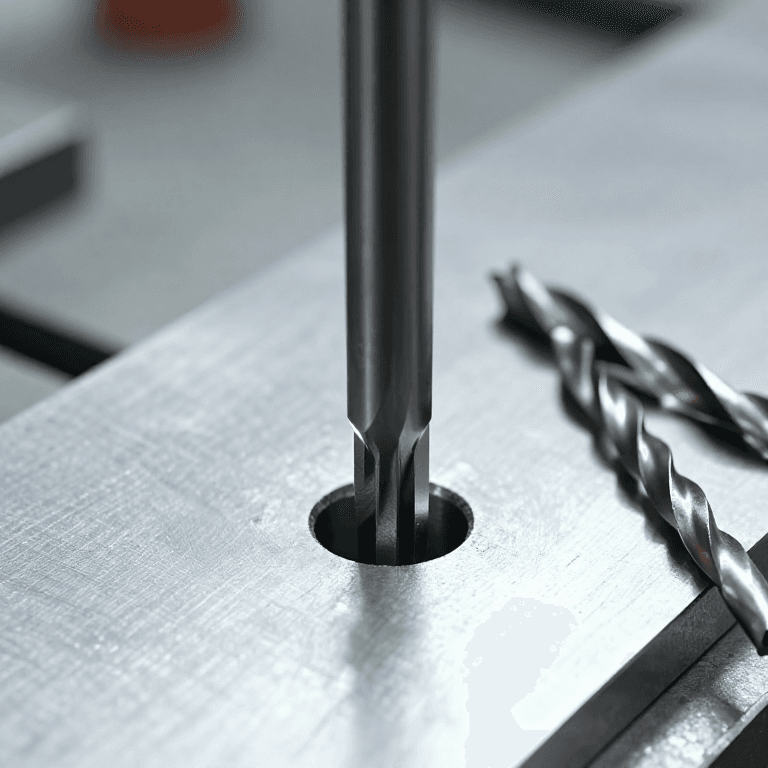
When a bolt clamps two parts together, only the far part should be threaded. The near part gets a CLEARANCE hole — a plain hole slightly bigger than the bolt, which the bolt passes through without touching.
This is the single most commonly skipped step in amateur assembly, and skipping it quietly destroys the joint. A bolt threaded into both parts cannot pull them together: it jacks against the top part's threads and the parts stay apart no matter how hard it is tightened.
The same logic runs through countersinking, counterboring and wood screws — the top part must always be free to be pulled down.
中级
2 hours
说明
1
1
Why a bolt threaded into both parts cannot clamp
Why a bolt threaded into both parts cannot clamp
Picture two plates with a threaded hole through both, and a bolt wound into them. As the bolt turns it advances through BOTH sets of threads at the same rate. Nothing moves relative to anything: the gap between the plates never closes.
Clamping force comes from stretching the bolt between the head and the threads it is engaged in. That needs the top part to be able to slide along the shank, which it cannot do if it is threaded.
Test it once and it is unforgettable. Two plates, one threaded pair of holes, tighten hard, and they will still rattle. Drill the top one out to clearance and they lock together instantly with much less effort.
此步骤所需材料:
 低碳钢板2 个
所需工具:
 钻头套装
钻头套装 六角螺栓组合
 扳手套装
扳手套装2
2
How much clearance, and the three standard fits
How much clearance, and the three standard fits
CLOSE fit is about 0.1 to 0.3 mm over the bolt — an M6 in a 6.4 mm hole. It locates the parts precisely and demands accurate hole positions.
NORMAL fit is around 0.5 mm over — M6 in 6.6 mm. This is the everyday default and absorbs ordinary marking-out error. LOOSE fit is a millimetre or more over, for assemblies where the holes cannot be positioned accurately or where thermal movement must be allowed for.
Choose deliberately, because the clearance hole is where you decide how much adjustment the assembly will have. Too tight and the parts fight you; too loose and nothing lines up where you intended.
此步骤所需材料:
低碳钢板1 个所需工具:
钻头套装 游标卡尺六角螺栓组合
3
3
Countersink, counterbore, and getting the depth right
Countersink, counterbore, and getting the depth right
正在加载 Jupyter 笔记本…
所需工具:
 锪孔钻头套装
 计算器游标卡尺
4
4
The same rule in wood: the shank hole
The same rule in wood: the shank hole
A wood screw needs two holes, not one: a PILOT hole in the lower piece that the thread bites into, and a SHANK hole in the upper piece that the thread passes through freely.
It is the identical principle. A screw whose thread grips the top piece jacks the two apart instead of pulling them together, and in wood this leaves a visible gap in the joint that no amount of driving will close. Modern screws with an unthreaded upper shank do the same job by being shaped for it.
In hardwood the pilot hole also stops the screw splitting the piece, and near an end grain edge it is not optional at all. Match the pilot to the screw's root diameter — not its outside diameter — and the thread has full material to bite.
此步骤所需材料:
 硬木板2 个
所需工具:
钻头套装 螺丝刀套装锪孔钻头套装
相关蓝图
这些蓝图共享知识——技术、材料或原理

CC0 公共领域
此蓝图以 CC0 协议发布。你可以自由复制、修改、分发和使用此作品,无需征得许可。
通过购买蓝图中的产品支持创客,他们将获得 创客佣金 (由供应商设定),或创建此蓝图的新版本并将其作为连接包含在你自己的蓝图中以分享收入。