艺术
美容与健康
工艺
文化与历史
娱乐
环境
食品与饮料
逆向工程
科学
体育
技术
可穿戴设备
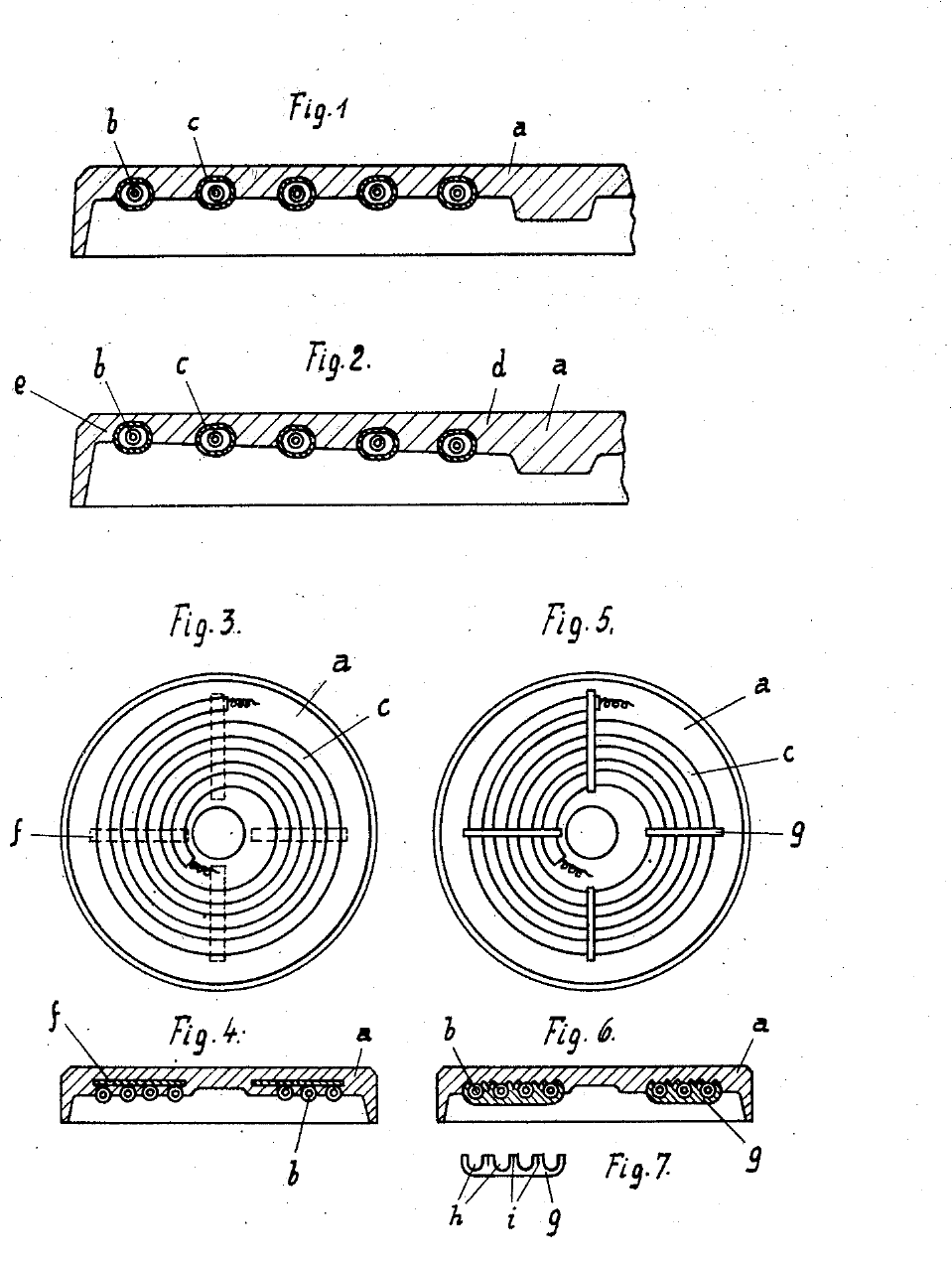
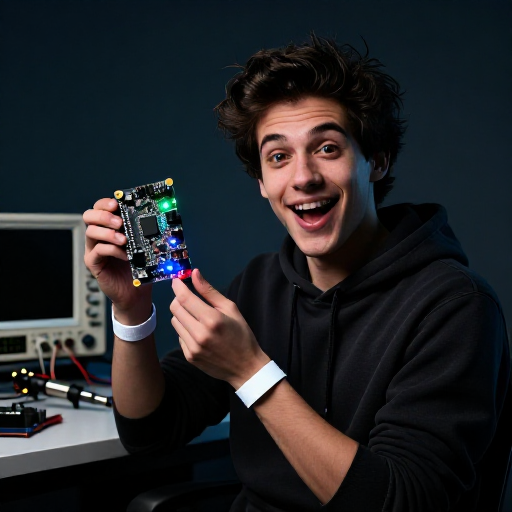

Electric Hot Plate with a Cast-In Element: Jordan & Schneider, 1935
In a cast cooking plate the heating coils sit, insulated, inside tubes, and the tubes are cast into the plate. Friedrich Jordan and Paul Schneider of Voigt & Haeffner, Frankfurt, patented a better way in 1935, US 1,998,764: embed each tube only to about half its circumference, or a little more. Casting metal round the whole tube needs core models, costs material and spreads the heat unevenly, while the exposed underside loses little heat because air conducts far worse than metal. To hold the coil firmly while the iron is poured, holding strips or notched webs are fixed to its turns and cast into the plate with it. The centre of the plate may be made thicker to even out the heat.
高级
Foundry process
说明
1
1
Coil the element
Coil the element
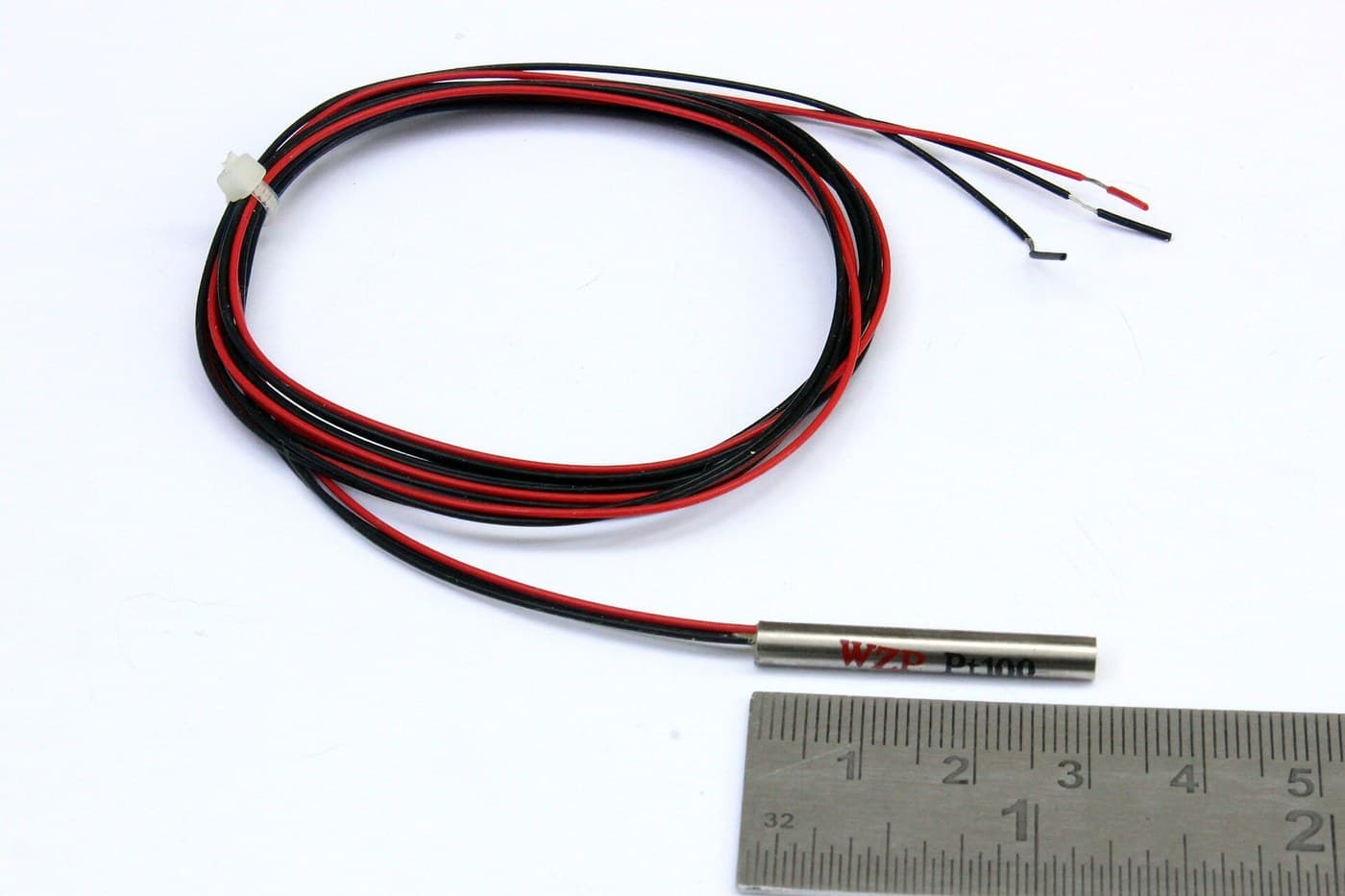
Coil the tubular heating element, the heating wire inside an insulated tube, into a spiral.
此步骤所需材料:
 加热元件1 个
2
2
Fix holding strips
Fix holding strips
Weld holding strips of sheet metal or wire across the turns of the spiral, or slide the turns into notched webs and bend the webs' tongues round them so they cannot come loose during casting.
此步骤所需材料:
 发热元件固定条1 as required
所需工具:
 电弧焊机
电弧焊机 钢丝钳
钢丝钳3
3
Cast the plate
Cast the plate
Set the coil in the mould and cast the cooking plate in cast iron, so the tubes are embedded to about half their circumference, or a little more, and the strips or webs are cast in with them. The rest of each tube stays exposed on the underside. The plate may be made thicker at the centre.
此步骤所需材料:
 生铁锭1 as required
所需工具:
 冲天炉
冲天炉 铸造浇包
铸造浇包此蓝图制作
CC0 公共领域
此蓝图以 CC0 协议发布。你可以自由复制、修改、分发和使用此作品,无需征得许可。
通过购买蓝图中的产品支持创客,他们将获得 创客佣金 (由供应商设定),或创建此蓝图的新版本并将其作为连接包含在你自己的蓝图中以分享收入。