艺术
美容与健康
工艺
文化与历史
娱乐
环境
食品与饮料
逆向工程
科学
体育
技术
可穿戴设备
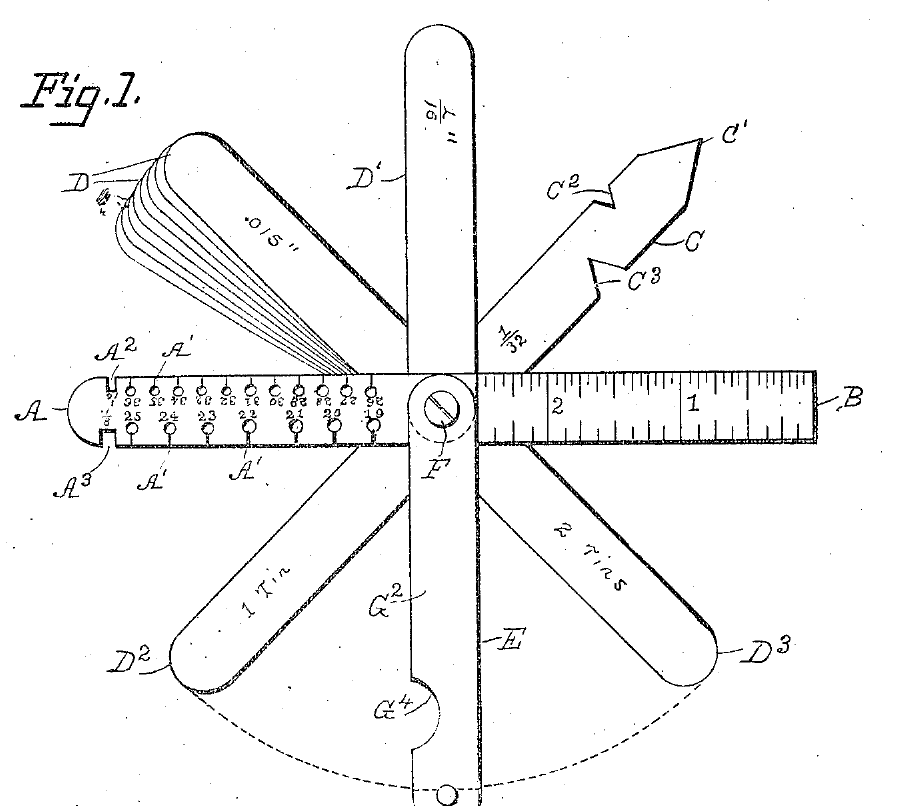


Feeler Gauge Set in a Folding Handle: Curtin, 1911
Feelers are thin blades of known thickness, used to measure small gaps by feel. Peter A. Curtin of Buffalo patented a pocket set in 1911, US 987,703: blades differing by about a thousandth of an inch (for example 0.002, 0.003, 0.004 and 0.006 in), each marked with its thickness, all pivoted on one screw between the two sides of a handle so they fold away like the blades of a jack-knife. Two or more blades laid side by side measure their combined thickness. The thin blades are flexible enough to be pressed together at their free ends even when they do not lie next to each other at the pivot.
中级
Workshop process
说明
1
1
Blades
Blades
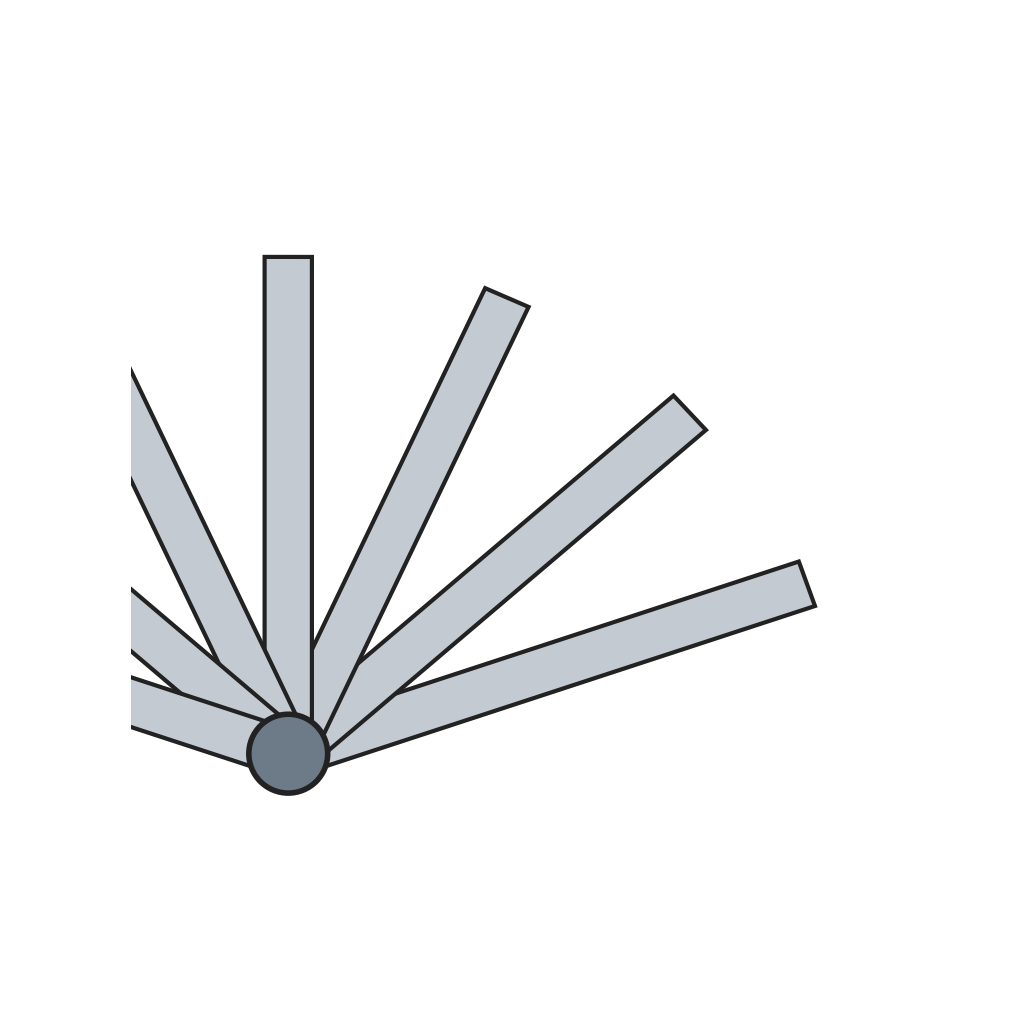
Make the feeler blades in a series of thicknesses, each with a hole at one end, and mark each with its thickness.
此步骤所需材料:
 塞尺片1 个
所需工具:
 铁皮剪
铁皮剪 手摇钻
手摇钻 锉刀(手用锉)
2
2
Handle
Handle
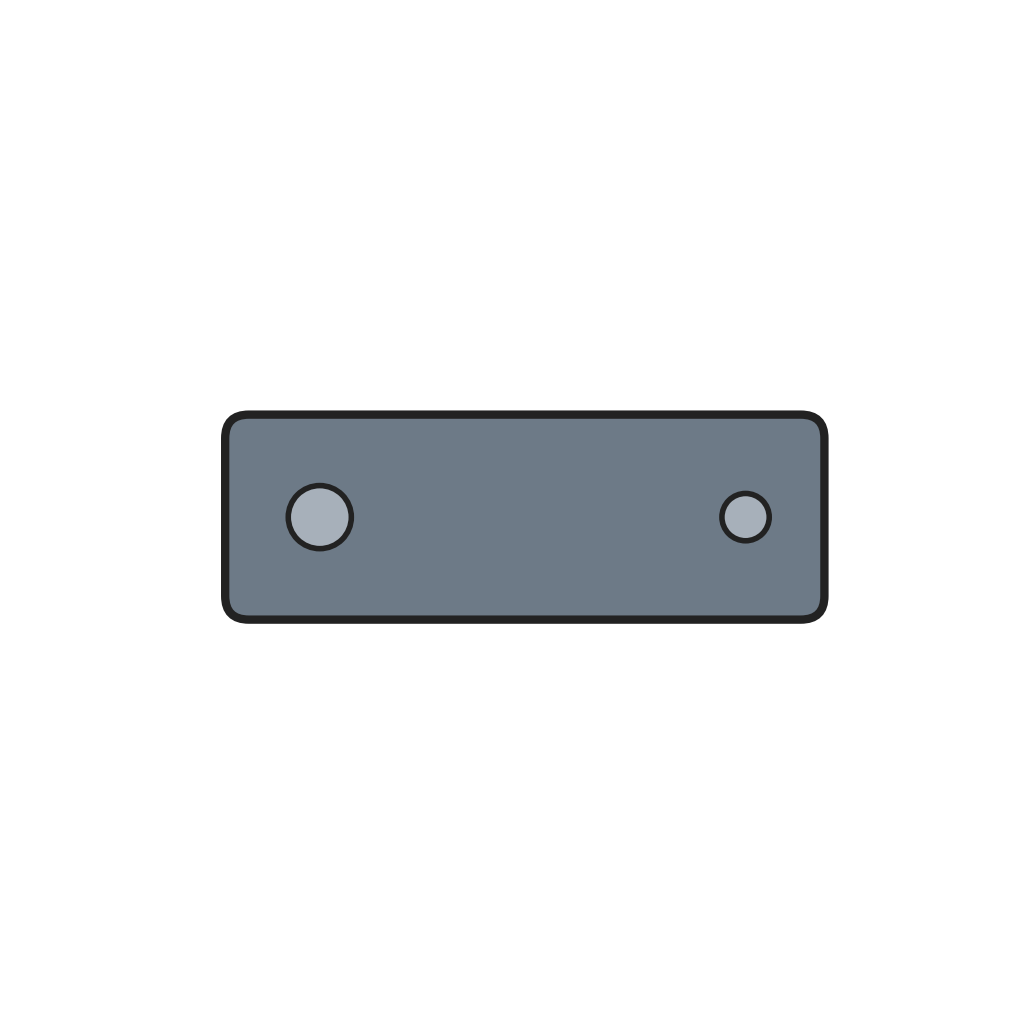
Hold the two handle sides the right distance apart with a bolster at the lower end, fixed by a rivet. Cut a notch near the lower end to make the blades easy to open.
此步骤所需材料:
 铰接刀片柄1 个
 钢铆钉1 个
所需工具:
手摇钻 铆钉锤锉刀(手用锉)
3
3
Pivot
Pivot
Pass the pivot screw through the handle sides and the holes of all the blades, so each blade folds into the handle like a jack-knife blade.
所需工具:
 螺丝刀套装
螺丝刀套装此蓝图制作

CC0 公共领域
此蓝图以 CC0 协议发布。你可以自由复制、修改、分发和使用此作品,无需征得许可。
通过购买蓝图中的产品支持创客,他们将获得 创客佣金 (由供应商设定),或创建此蓝图的新版本并将其作为连接包含在你自己的蓝图中以分享收入。