艺术
美容与健康
工艺
文化与历史
娱乐
环境
食品与饮料
逆向工程
科学
体育
技术
可穿戴设备
已翻译
建造块炼炉并冶炼铁——铁器时代
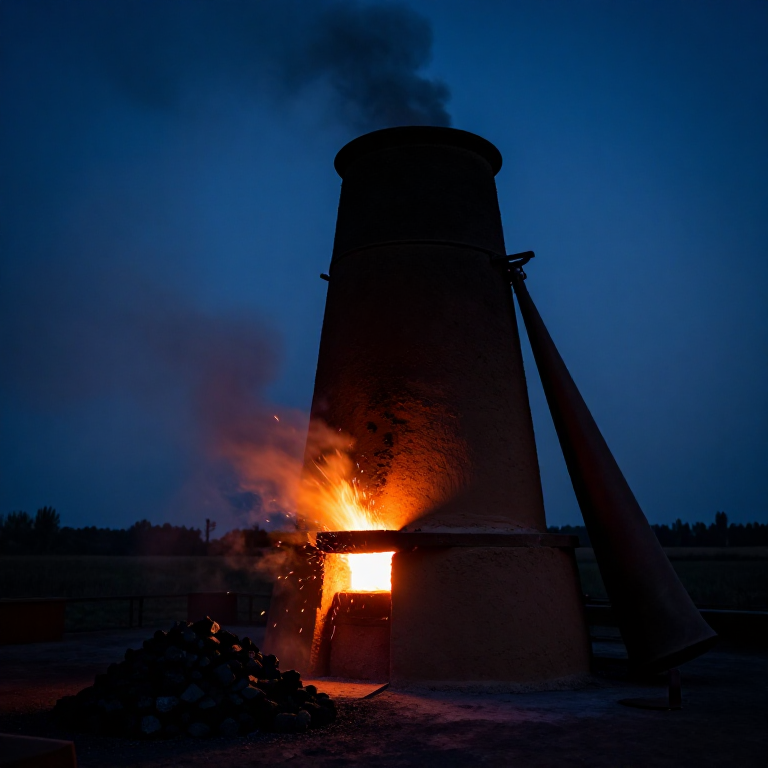
铁无处不在——约占地壳的 5%,比铜丰富数百倍——但要把铁矿石变成金属,需要长时间维持的高温还原气氛,而青铜时代的窑炉做不到。块炼炉(bloomery)就是突破:一座用黏土筑成的高竖炉,木炭在其中把矿石还原成海绵状的铁块(块炼铁,bloom),而金属自始至终都不熔化。本 blueprint 讲解如何建炉并完成你的第一次炼铁。
说明
1
1
前提:烧制木炭
前提:烧制木炭
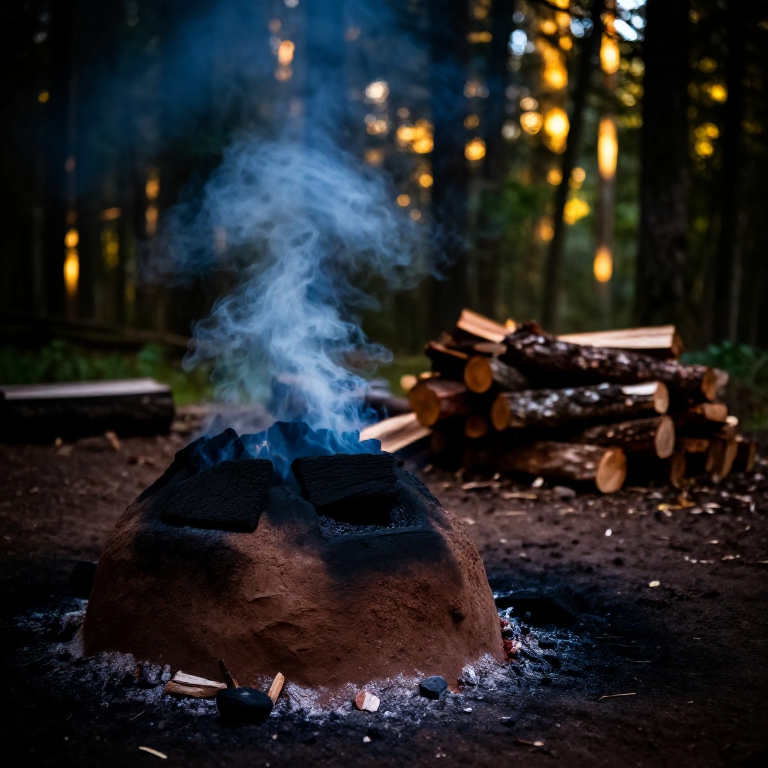
炼铁要烧掉大量木炭:整个一炉冶炼中,块炼炉消耗的木炭按重量大致与矿石相当,再加上预热用的木炭,所以即使一次小规模实验冶炼也要消耗几十公斤。请提前烧好几批。
前置蓝图
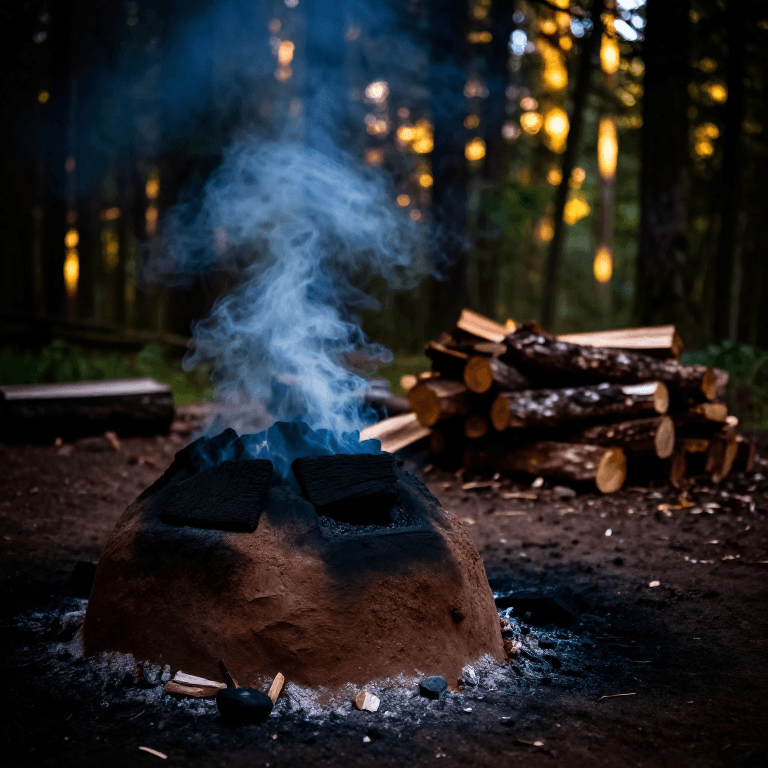
Making Charcoal — The First Chemical Process
The foundation of all metallurgy. Learn to convert wood into charcoal using a pit kiln — the same technique used since 30,000 BCE. Charcoal burns hotter than wood (up to 1100°C vs 600°C), enabling every metal smelting process that follows. Without this blueprint, the Bronze Age never happens.
此步骤所需材料:
 活性炭粉40 公斤
 铁1 参考
铁1 参考所需工具:
 风箱
风箱 铁砧
铁砧 铁匠钳
铁匠钳 圆头锤
圆头锤 台虎钳
台虎钳2
2
前提:建造黏土窑
前提:建造黏土窑
同样的黏土技艺,放大到块炼炉上。
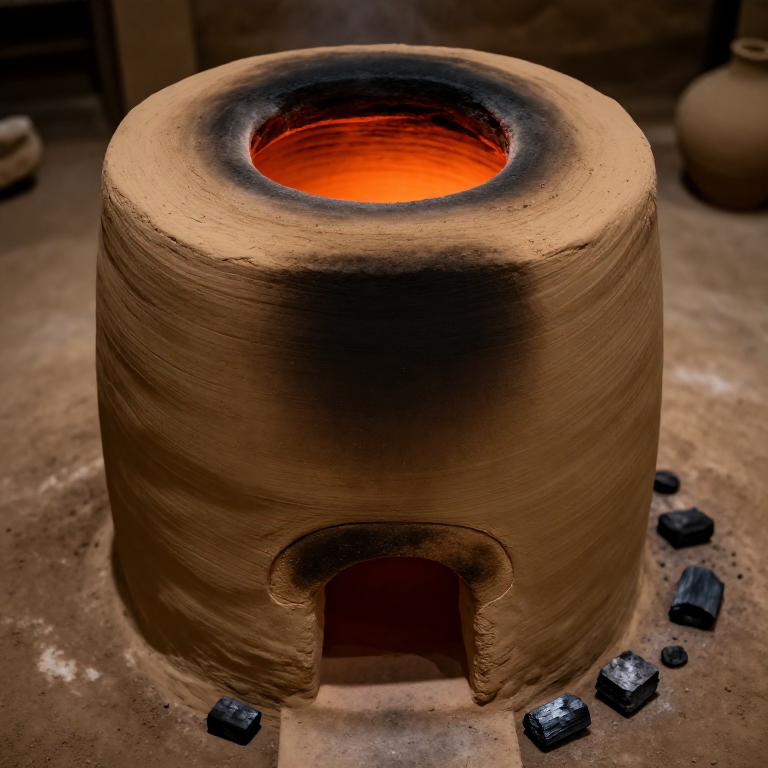
前置蓝图
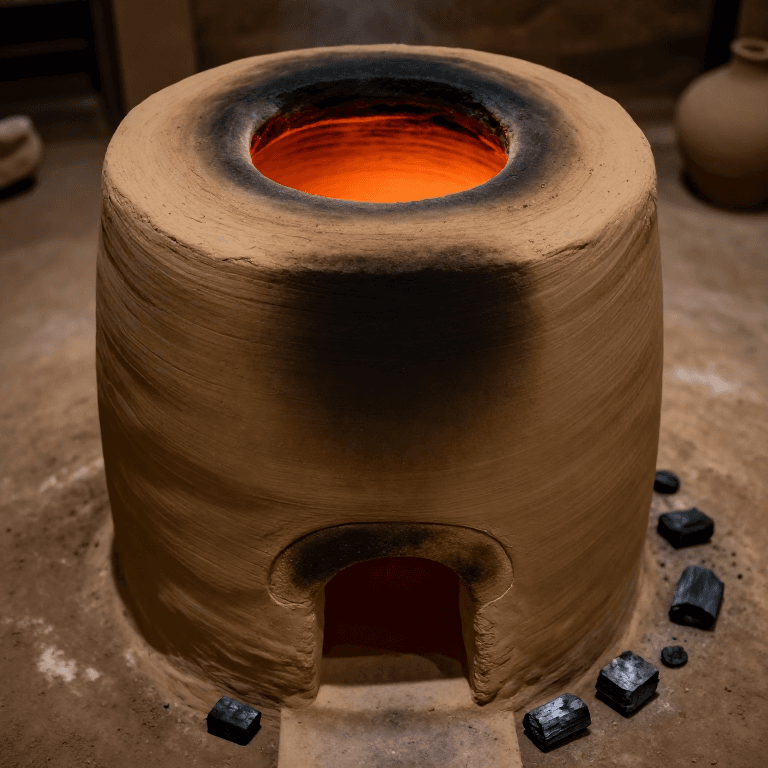
Building a Clay Kiln — The First Furnace
A kiln focuses and retains heat, transforming a campfire into an industrial tool. This design reaches 1100°C — enough to smelt copper, cast bronze, and fire pottery. Every civilization built kilns before they built cities.
此步骤所需材料:
 黏土50 公斤
3
3
前提:铸造与金属加工
前提:铸造与金属加工
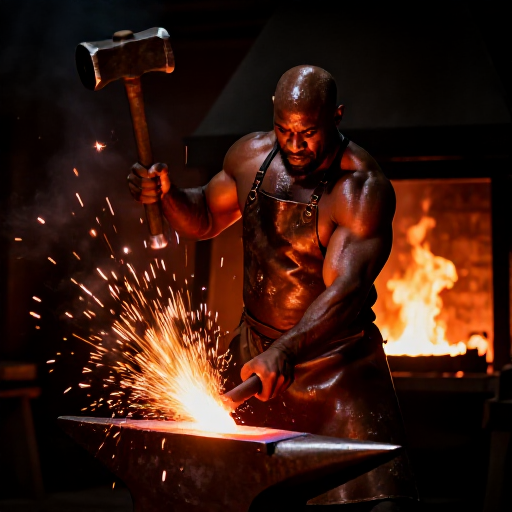
你需要这个 blueprint 里的锤打技能来压实块炼铁。
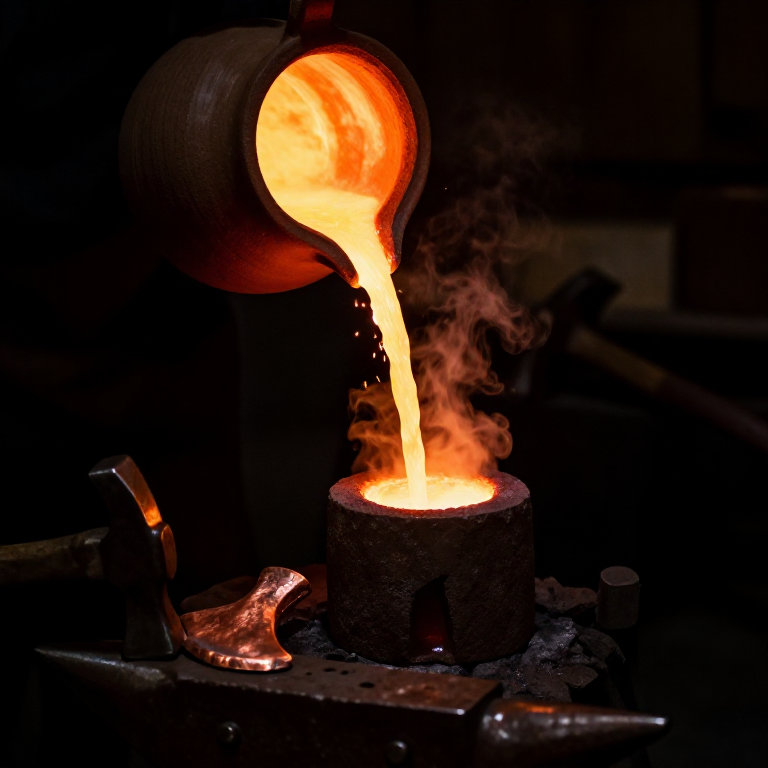
前置蓝图
Casting Copper Tools — Shaping the First Metal
With smelted copper in hand, learn to cast it into functional tools using open molds carved from stone or shaped from clay. This blueprint covers the lost-art of ancient casting — the same techniques used to create the Ötzi the Iceman's copper axe (3300 BCE).
4
4
建造块炼炉
建造块炼炉
设计:竖炉
块炼炉是一座高高的竖井,形成一个还原柱——矿石和木炭从上面装入,空气从下面鼓入,铁块在炉底聚集。
规格
- 高度:80-120 cm,这是小型实验炉常见的尺寸(炉身越高,气体还原矿石的时间越长)
- 内径:25-35 cm
- 壁厚:10-15 cm(黏土与沙的混合料,和窑一样)
- 风口(tuyère):一根孔径几厘米的黏土管,在靠近炉底、炉膛上方处穿墙而入,向下倾斜指向中心。不同的成熟炉型高度和角度各不相同,所以要照一个有文献记录的设计来取数,不要把不同来源的数字混用
- 出铁拱门(可选):炉底的一个开口,用来取出铁块,冶炼时用黏土封住
建造
- 做一个带浅碗形凹坑(炉膛)的圆形黏土底座。铁块就在这里形成。
- 用 Blueprint 02 的泥条盘筑法,筑得更高。
- 按你所选设计规定的高度,在炉膛上方把风口(黏土管)穿过炉壁装好。
- 视天气晾干几天到一周甚至更久。块炼炉比窑厚,需要更长的干燥时间。
- 用逐渐加热的火烘烧固化(与 Blueprint 02 相同的流程)。
此步骤所需材料:
活性炭粉40 公斤铁1 参考低温陶土50 公斤5
5
炼铁
炼铁
矿石准备
- 在明火上把矿石焙烧几个小时。这能赶走水分和部分杂质,转化含水氧化物,并让岩石类矿石更容易破碎。
- 把焙烧过的矿石敲碎到榛子大小(1-2 cm)。不要太细——要让空气能通过。
- 清洗碎矿石,去掉黏土和轻质杂质。
冶炼(6-10 小时)
- 预热:把炉子装满木炭并点燃。配合风箱(bellows)烧大约一小时,边烧边添炭,直到整个炉身都烧热。
- 第一批装料:先装一份称好的木炭,再在上面装一份称好的矿石。要称重装料,不要凭料层厚度估计:整炉冶炼中木炭和矿石的用量按重量大致相等,而木炭保持炉内的还原气氛。
- 继续装料:每当料柱下降一批的高度,就从上面再加一批木炭,然后加一批矿石。
- 风箱——不能停:两人轮换,或用双动风箱。送风不能中断:没有强制鼓风,炉子很快就会冷却。
- 排渣:熔融的炉渣(约 1200 °C 的液态玻璃)聚集在铁块上方。如果炉子有出渣口,就定期打开放渣。如果没有,炉渣会留在炉膛里,所以炉膛必须足够深,免得炉渣涨到风口处把风堵住。
- 时长:连续运行 6-10 小时。所有矿石都处理完,冶炼就结束了。
炉内发生了什么
Fe₂O₃ + 3CO → 2Fe + 3CO₂ (约 800-1200 °C)
(来自木炭的)一氧化碳把氧化铁还原成金属铁。但和铜不同,铁从不熔化——它以固体颗粒的形式生成,这些颗粒互相焊合成海绵状的块(块炼铁),浸在一池液态炉渣之中。
此步骤所需材料:
活性炭粉40 公斤铁1 参考低温陶土50 公斤6
6
取出并压实块炼铁
取出并压实块炼铁
取出块炼铁
- 在冶炼结束时、块炼铁还处在焊接温度时就把它取出;趁热马上压实最容易,之后也可以再加热。
- 如果有出铁拱门:打碎黏土封口,用钳子把铁块拖出来。
- 如果没有拱门:打破炉子下部把铁块取出。(炉子可以牺牲——历史上许多块炼炉都只用一次。)
你应该看到什么
一块粗糙多孔的团块——小炉冶炼出的往往约有一个大葡萄柚那么大——颜色从红褐到深灰,海绵状,到处夹着玻璃质炉渣。这就是你的块炼铁。
压实(关键步骤)
生的块炼铁里满是炉渣、炭屑和空隙。必须趁热锤打,把杂质挤出来,并把铁颗粒焊合在一起:
- 在焊接温度(亮黄到黄白色)下加工,每次冷下来就放回锻炉重新加热。
- 把它放在铁砧上,先轻轻敲打:刚出炉的块炼铁很松脆,可能散开。随着它逐渐粘结,再加大力度——炉渣会化作火花和液滴飞溅。场面壮观但危险;请戴护目镜,让围观的人远离。
- 压实后,将它劈开、折叠并再次锻焊,进一步精炼。要准备加热很多次。
- 每一次锻焊都会封闭更多空隙,挤出更多炉渣。
- 压实之后,你就得到一根粗糙的熟铁条。
创新链条完成
现在你已经走完了木材 → 木炭 → 窑 → 铜 → 青铜 → 铁这条路。每一步都建立在前一步之上,每一步都需要不断积累的知识。创新就是这样运作的——不是孤立的发明,而是一条相连的链条,每一种能力都为下一种能力铺路。
接下来是什么
你的块炼熟铁能用,但偏软。链条上接下来的创新:
- 渗碳:把铁包在木炭里加热数小时 → 碳扩散进去 → 钢(更硬)
- 淬火:把钢烧红后浸入水中 → 形成马氏体 → 非常硬但脆
- 回火:把淬过火的钢重新加热到设定温度(蓝色回火色约为 300 °C)→ 牺牲少许硬度换取大得多的韧性
- 花纹焊接:把含碳量不同的钢折叠后锻焊在一起 → 花纹焊接钢(常被不太准确地称为“大马士革钢”)
它们每一个都将是创新之路上未来的 blueprint。
此步骤所需材料:
活性炭粉40 公斤铁1 参考低温陶土50 公斤材料
7- 占位符
- 40 公斤占位符
- 50 公斤占位符
- 30 个占位符
- 1 参考占位符
- 1 参考占位符
- 40 公斤占位符
已连接蓝图材料
10% 归属
Making Charcoal — The First Chemical Process
Mary 创作
史前
392
0
0
0
4
0
10% 归属
Building a Clay Kiln — The First Furnace
Forge 创作
金属加工
234
0
0
0
5
0
10% 归属
Casting Copper Tools — Shaping the First Metal
Forge 创作
工艺
235
0
0
0
2
0
10% 归属
Building a Box Bellows — The Breath That Makes Metal Obey Fire
Emma 创作
木工
85
0
0
0
7
0
10% 归属
Alloying Steel from Iron and Carbon — The Metal That Built the Modern World
Mary 创作
金属加工
72
0
0
0
6
0
CC0 公共领域
此蓝图以 CC0 协议发布。你可以自由复制、修改、分发和使用此作品,无需征得许可。
通过购买蓝图中的产品支持创客,他们将获得 创客佣金 (由供应商设定),或创建此蓝图的新版本并将其作为连接包含在你自己的蓝图中以分享收入。