
Laminated Safety Glass
说明
See the failure you are preventing
See the failure you are preventing
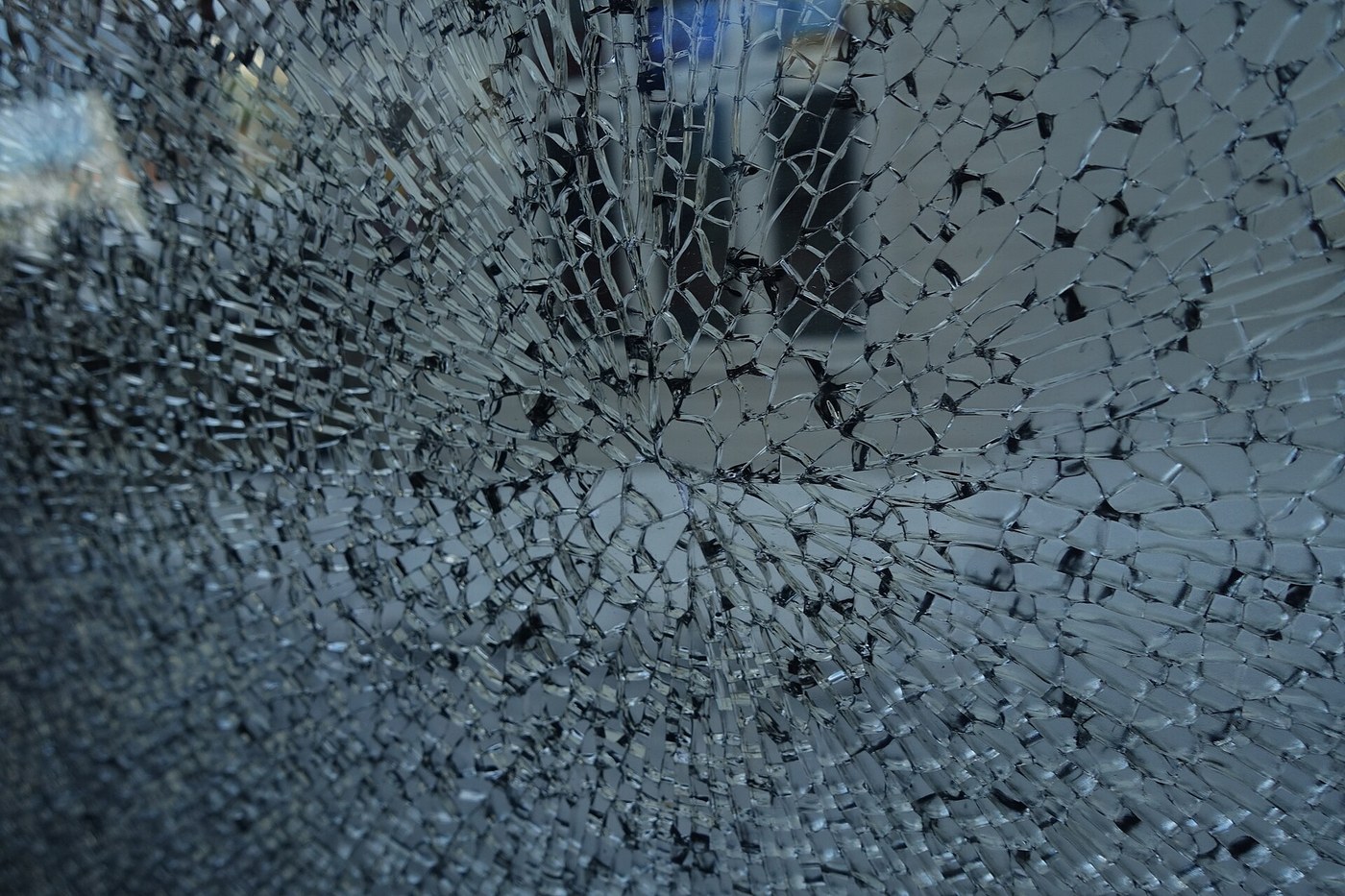
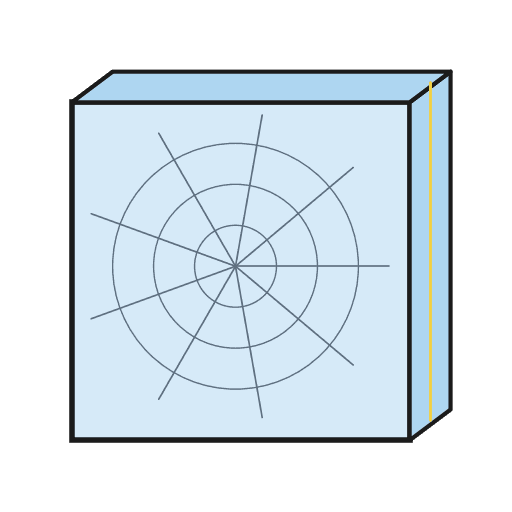
Break a piece of plain glass safely first, so the comparison is real.
- Wrap a small offcut of plain glass in a cloth.
- Tap it once through the cloth.
- Open the cloth carefully and look at the pieces.
此步骤所需材料:
 磨砂玻璃板1 张
Clean both faces
Clean both faces
Adhesion is everything, and adhesion is destroyed by contamination.
- Wash both glass sheets and dry completely.
- Wipe with alcohol and let it flash off.
- Handle by the edges only from now on.
此步骤所需材料:
磨砂玻璃板2 张Assemble the sandwich
Assemble the sandwich
Glass, interlayer, glass — with no trapped air.
- Cut the interlayer film slightly oversize.
- Lay it on the first sheet, working from the centre outward to expel bubbles.
- Lay the second sheet on top and align the edges.
此步骤所需材料:
 透明自粘覆膜1 张
Bond with heat and pressure
Bond with heat and pressure
The interlayer must soften and wet both glass surfaces.
- Apply even weight across the whole sandwich.
- Warm gently and evenly, following the film's stated temperature.
- Let it cool fully under weight before handling.
此步骤所需材料:
 速读温度计1 个
Test it and compare
Test it and compare
Now repeat step 1 on the laminate and put the two results side by side.
- Wrap the laminate in cloth, wearing eye protection.
- Tap it until the glass cracks.
- Unwrap and examine.
History and context
History and context
Édouard Bénédictus was a chemist, painter and designer in Paris. The flask story — a bottle coated inside with dried cellulose nitrate falls, cracks, and holds its shape — is the traditional account and appears in most histories; it is a good story and should be treated as a story, since it rests largely on later retellings. What is documented is his 1909 filing and the Triplex name.
He was not quite first. John Crewe Wood filed a British patent in 1905 covering glass with a transparent interlayer for exactly this purpose. Bénédictus's version is the one that reached production and gave the industry its name, but the idea was in the air.
Adoption was slow and driven by casualties. Manufacturers resisted the cost; laminated windscreens spread through the 1920s and 30s as accident statistics accumulated. Early cellulose nitrate interlayers discoloured to yellow-brown and could become brittle, so the material was genuinely imperfect until polyvinyl butyral arrived in the 1930s. PVB remains the standard automotive interlayer today.
Two different safety glasses, often confused. Laminated glass holds together on an interlayer, and is used for windscreens and for architectural glazing where falling glass would be dangerous. Toughened or tempered glass is a different approach entirely — the surface is put into compression by rapid cooling so that it shatters into small blunt granules instead of shards. Car side windows are usually toughened, windscreens laminated. Neither is a stronger version of the other; they fail differently on purpose.
What this build is not. A school laminate with craft film demonstrates the principle honestly, but it is not a safety-rated product. Real automotive glazing uses controlled-thickness PVB bonded in an autoclave under heat and pressure, and is tested to standards this cannot meet. Do not fit it to anything.
此蓝图制作
相关蓝图
这些蓝图共享知识——技术、材料或原理


CC0 公共领域
此蓝图以 CC0 协议发布。你可以自由复制、修改、分发和使用此作品,无需征得许可。
通过购买蓝图中的产品支持创客,他们将获得 创客佣金 (由供应商设定),或创建此蓝图的新版本并将其作为连接包含在你自己的蓝图中以分享收入。