合作
艺术
美容与健康
工艺
文化与历史
娱乐
环境
食品与饮料
逆向工程
科学
体育
技术
可穿戴设备
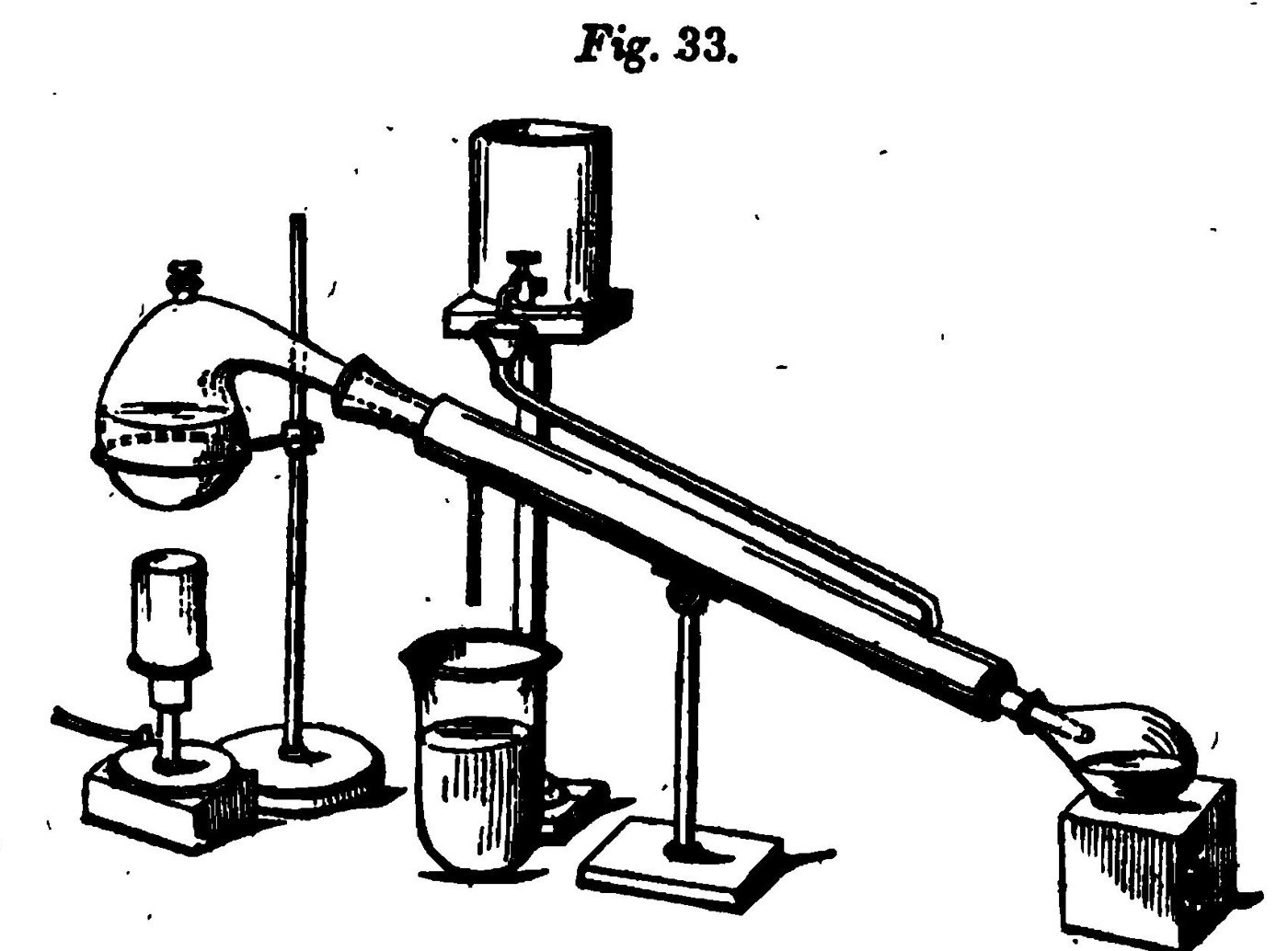


Water-Cooled Condenser: Liebig's Glass Tube Corked in a Metal Pipe (Fownes, 1847)
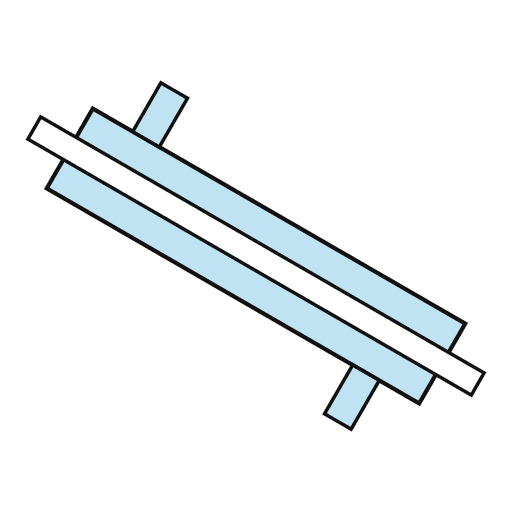
Liebig's condenser as Fownes described it in 1847: a glass tube, tapering from end to end, held by bored corks in the centre of a metal pipe, with tubes that let a current of cold water run through the pipe around it. Vapour from a retort passes down the glass tube, condenses and runs into the receiver.
With a few pieces of ice in the little cistern the water stays at 32 °F (0 °C), and even very volatile liquids condense.
Unknown: the metal of the pipe, the material of the water tubes and all sizes. Fownes does not give them.
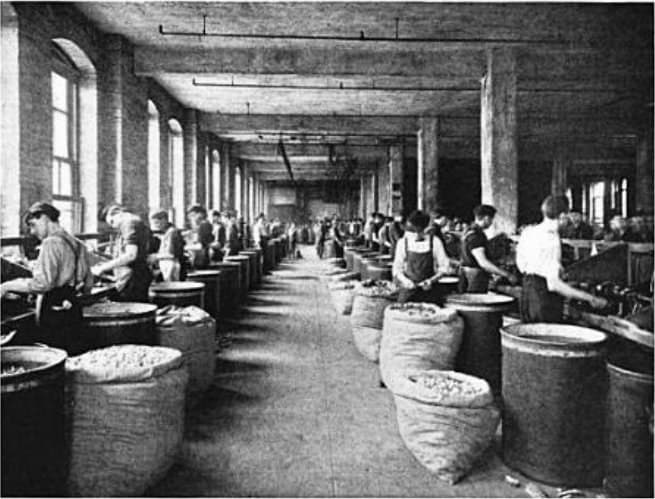
Source: G. Fownes, Elementary Chemistry (1847), p. 46 and Fig. 33. Picture: Fig. 33.
中级
Unknown
说明
1
1
Cork the glass tube into the pipe
Cork the glass tube into the pipe
Bore a cork for each end of the metal pipe. Pass the glass tube, which tapers from end to end, through both corks so that it is held in the centre of the pipe. Ours: the cork borer.
此步骤所需材料:
 玻璃管1 tapering from end to end
 未知金属1 the pipe
 软木塞2 perforated
 未知尺寸1 个
所需工具:
 软木塞打孔器
2
2
Fit the water tubes
Fit the water tubes
Provide the pipe with tubes so arranged that a current of cold water can circulate through it. As drawn in Fig. 33, the water comes from a little cistern with a cock, standing above the apparatus, down to the lower end of the pipe, and leaves at the upper end into a jar.
此步骤所需材料:
 未知材料1 water tubes and cistern
所需工具:
软木塞打孔器3
3
Run the cold water
Run the cold water
While distilling, let cold water flow from the cistern through the pipe. For very volatile liquids put a few pieces of ice into the cistern: the water then stays at 32 °F (0 °C).
所需工具:
 水
 碎冰
材料
5- 1 tapering from end to end占位符
- 1 the pipe占位符
- 2 perforated占位符
- 1 个占位符
- 1 water tubes and cistern占位符

此蓝图制作
CC0 公共领域
此蓝图以 CC0 协议发布。你可以自由复制、修改、分发和使用此作品,无需征得许可。
通过购买蓝图中的产品支持创客,他们将获得 创客佣金 (由供应商设定),或创建此蓝图的新版本并将其作为连接包含在你自己的蓝图中以分享收入。