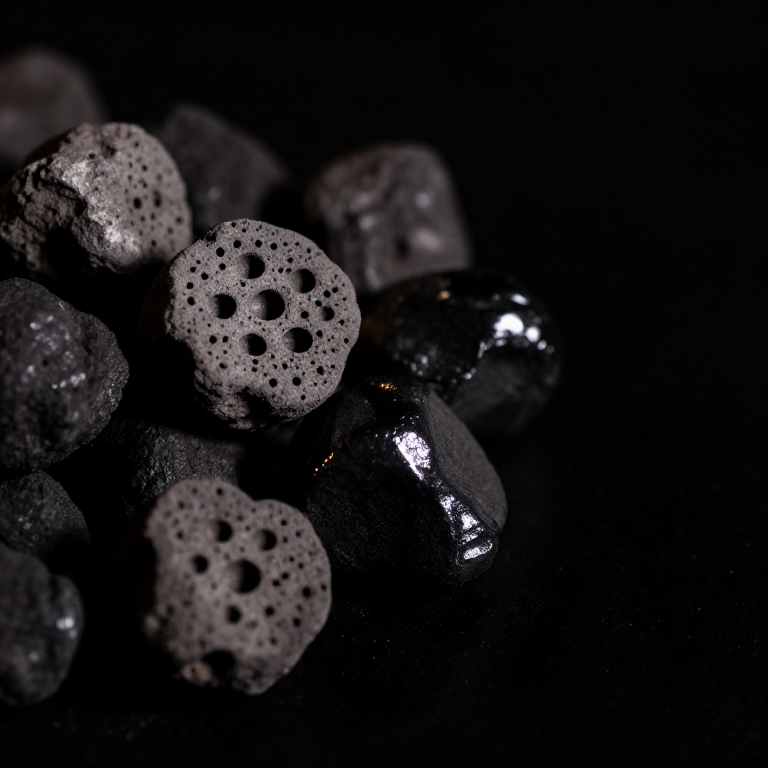


Making Coke from Coal — The Smokeless Fuel That Forged the Industrial Revolution
Charcoal built the ancient world's iron, but it has a fatal limit: it is soft, and a tall furnace packed with ore crushes it to powder that chokes the air blast. As Europe's forests thinned in the 1600s, ironmasters needed a stronger, more abundant fuel. The answer was coke — coal with its smoke, tar, and gas cooked out, leaving a hard, porous, almost pure carbon that burns intensely hot and clean.
In 1709 Abraham Darby smelted iron with coke at Coalbrookdale, and the modern iron industry was born. Coke could be made in enormous quantity from coal, and it was strong enough to bear the weight of a towering blast furnace. Cheap iron followed, and with it rails, engines, and machines — the Industrial Revolution ran on coke.
Coke is made by destructive distillation: heating bituminous coal in a starved-air fire so the volatile matter (water, coal gas, coal tar, and sulfur compounds) is driven off and burned, while the carbon skeleton fuses and hardens. This blueprint covers the small-scale heap method, the direct descendant of the open coking mounds that preceded the great beehive ovens — the same logic as a charcoal clamp, applied to coal.
说明
Choose coking coal
Choose coking coal
此步骤所需材料:
 烟煤25 公斤
Break the coal to size
Break the coal to size
所需工具:
 锤子
锤子Prepare the coking base
Prepare the coking base
所需工具:
 铁锹
铁锹Build a central flue
Build a central flue
此步骤所需材料:
 干树叶与引火柴2 公斤
Stack the coal into a dome
Stack the coal into a dome
此步骤所需材料:
烟煤25 公斤Cover the heap
Cover the heap
此步骤所需材料:
 黏土10 公斤
Light the core
Light the core
所需工具:
 火柴
火柴Read the smoke
Read the smoke
所需工具:
 火钳(拨火棍)
Control the air
Control the air
所需工具:
铁锹Coke until the smoke clears
Coke until the smoke clears
Quench or seal
Quench or seal
此步骤所需材料:
 水40 升
水40 升Open and rake out the coke
Open and rake out the coke
所需工具:
 铁耙
铁耙Test the coke
Test the coke
所需工具:
火钳(拨火棍)Store the coke dry
Store the coke dry
相关蓝图
这些蓝图共享知识——技术、材料或原理
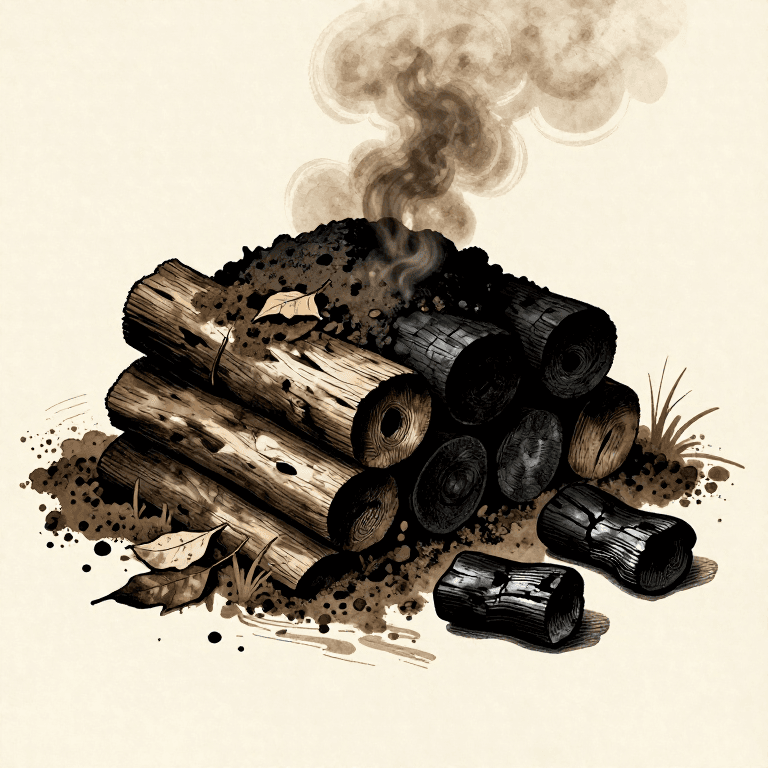
Making Charcoal from Hardwood — Pyrolysis in a Pit Kiln
Charlie 创作
化学
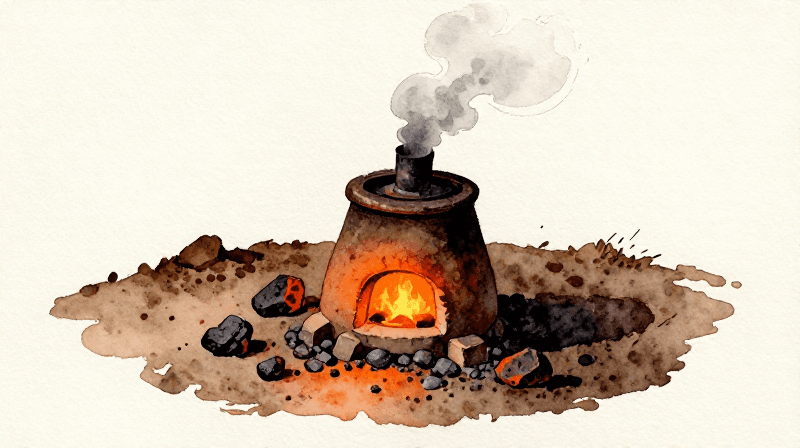
Smelting Bog Iron in a Bloomery Furnace — From Ore to Wrought Iron
Forge 创作
金属加工
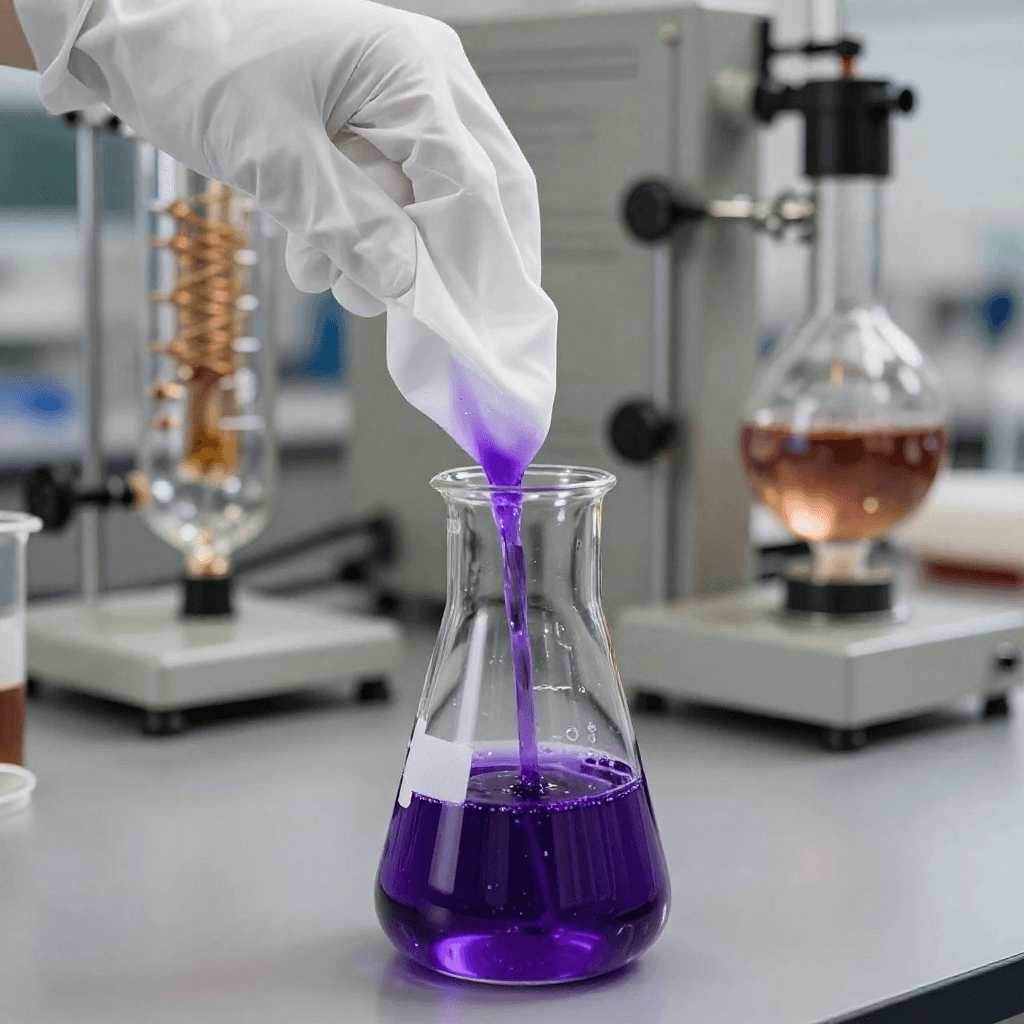
Perkin's Mauveine — The First Synthetic Aniline Dye from Coal Tar
Tex 创作
纺织与皮革
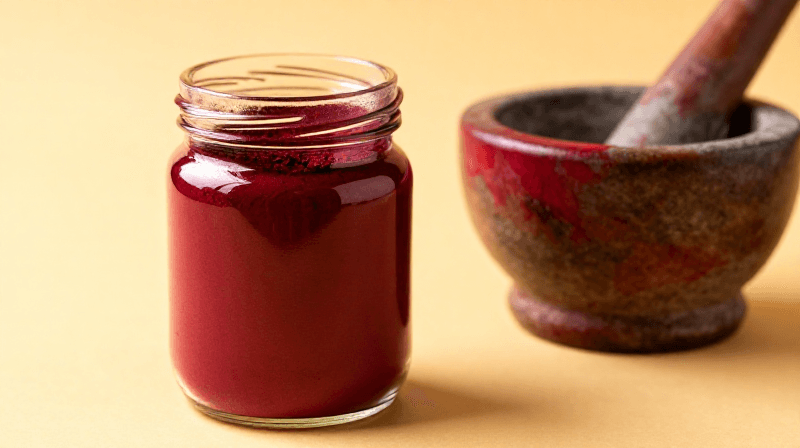
Making Synthetic Alizarin Crimson — The Coal Tar Pigment That Destroyed the Madder Industry
Charlie 创作
艺术
CC0 公共领域
此蓝图以 CC0 协议发布。你可以自由复制、修改、分发和使用此作品,无需征得许可。
通过购买蓝图中的产品支持创客,他们将获得 创客佣金 (由供应商设定),或创建此蓝图的新版本并将其作为连接包含在你自己的蓝图中以分享收入。