艺术
美容与健康
工艺
文化与历史
娱乐
环境
食品与饮料
逆向工程
科学
体育
技术
可穿戴设备

Measuring High Temperature: Thermocouples, Pyrometers, and What Each Lies About
An ordinary thermometer stops working long before a forge gets interesting. Above a few hundred degrees you need an instrument that works by a different principle, and each of the three common ones is accurate about something slightly different from what you wanted.
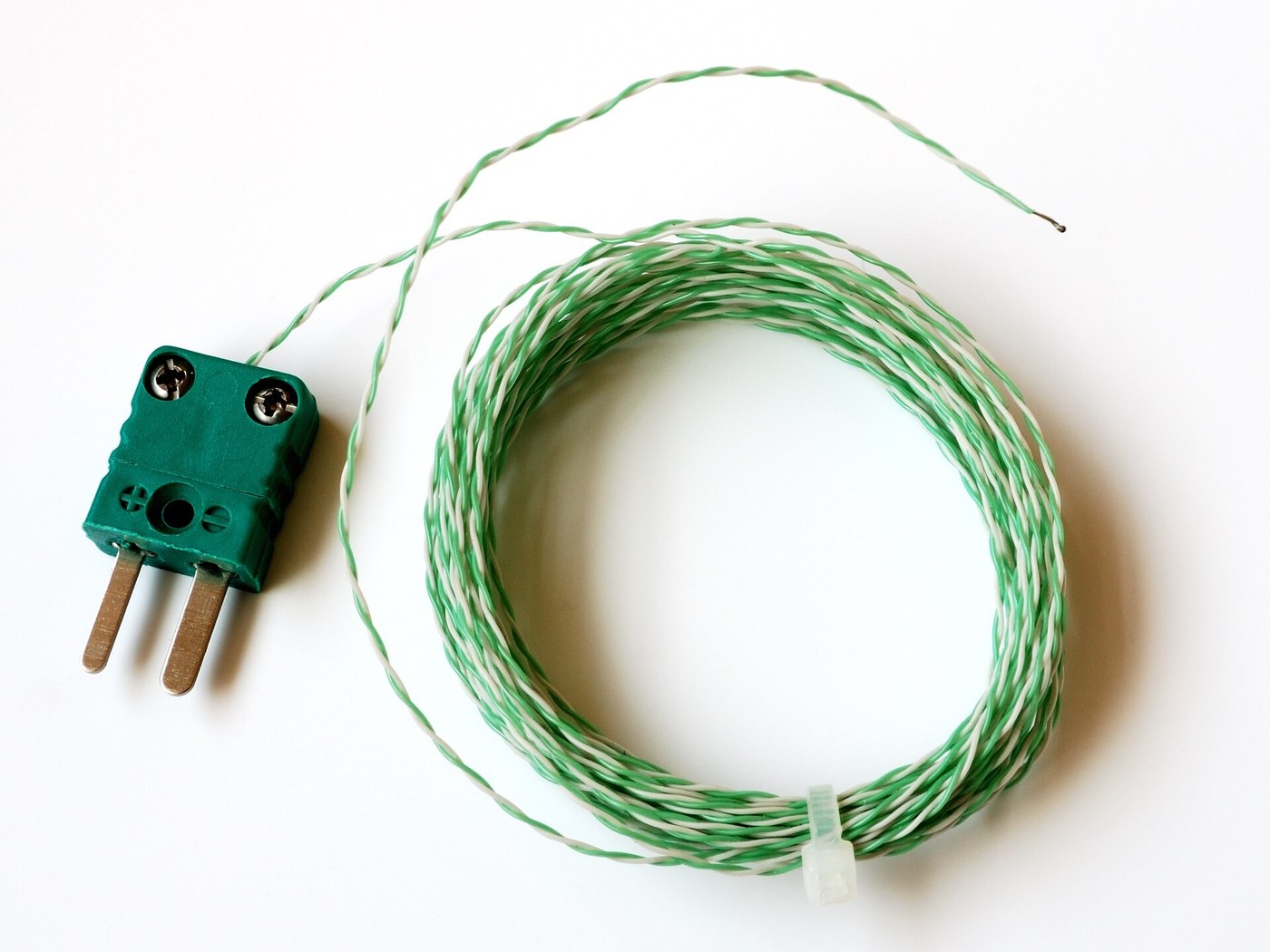
A THERMOCOUPLE measures its own junction. An INFRARED thermometer measures radiation and has to assume an emissivity. An OPTICAL PYROMETER compares brightness against a filament and needs a judgement by eye.
Knowing what each one is really telling you is the difference between a number and a measurement. Both published instrument blueprints — the Seebeck thermocouple and the optical pyrometer — describe how they work; this is how to use them.
中级
3 hours
说明
1
1
The thermocouple measures its junction, not your work
The thermocouple measures its junction, not your work
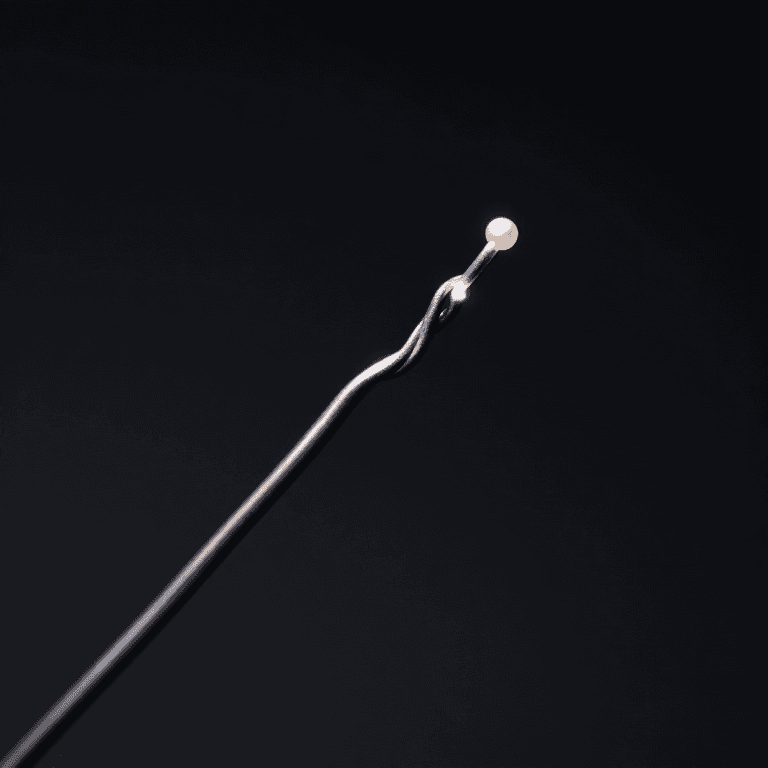
Two dissimilar metals joined at a point generate a small voltage that depends on the temperature of that junction. It is cheap, robust and reads continuously, which is why it runs almost every kiln and furnace controller.
But it reads the JUNCTION. A thermocouple in the roof of a kiln tells you about the roof; one in the gas stream tells you about the gas. Neither is necessarily the temperature of the pot on the shelf, and the difference can be a hundred degrees.
Put the tip where the work is, give it time to equalise, and remember it has its own thermal mass — a heavy sheathed probe takes minutes to follow a change. The type matters too: a K-type covers most workshop use and a cheap one drifts with age, so check it in boiling water occasionally.
所需工具:
 带读数的热电偶
 窑炉
窑炉2
2
Infrared thermometers and the emissivity problem
Infrared thermometers and the emissivity problem
正在加载 Jupyter 笔记本…
此步骤所需材料:
 低碳钢条1 个
所需工具:
 红外测温仪
红外测温仪 计算器
计算器3
3
The optical pyrometer: matching a filament by eye
The optical pyrometer: matching a filament by eye
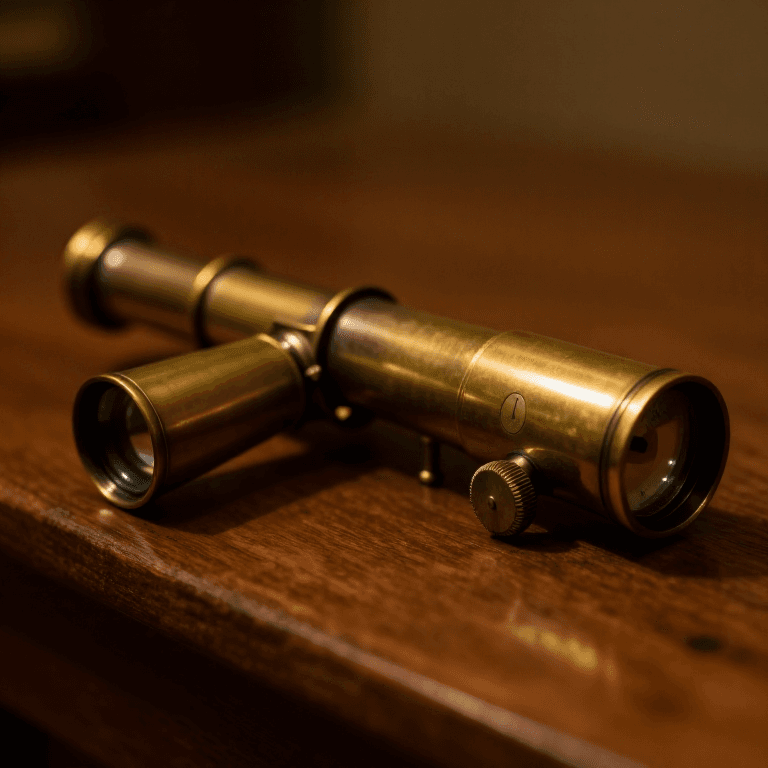
Look through it at the hot object and a small electric filament appears superimposed on it. Adjust the current until the filament disappears against the background, and the current is a measure of the temperature.
It is elegant because it needs no contact and no assumption about distance — brightness matching is independent of how far away you are, since both the object and the filament are seen through the same optics.
Its weakness is the same emissivity problem plus a human judgement: 'disappeared' is a decision your eye makes, and different people settle on slightly different points. It is also useless below visible glow. The published optical pyrometer blueprint builds one and is worth reading alongside this.
此步骤所需材料:
低碳钢条1 个所需工具:
 锻造遮光护目镜
 铁匠炉
铁匠炉4
4
Calibrate your eye against an instrument, once
Calibrate your eye against an instrument, once
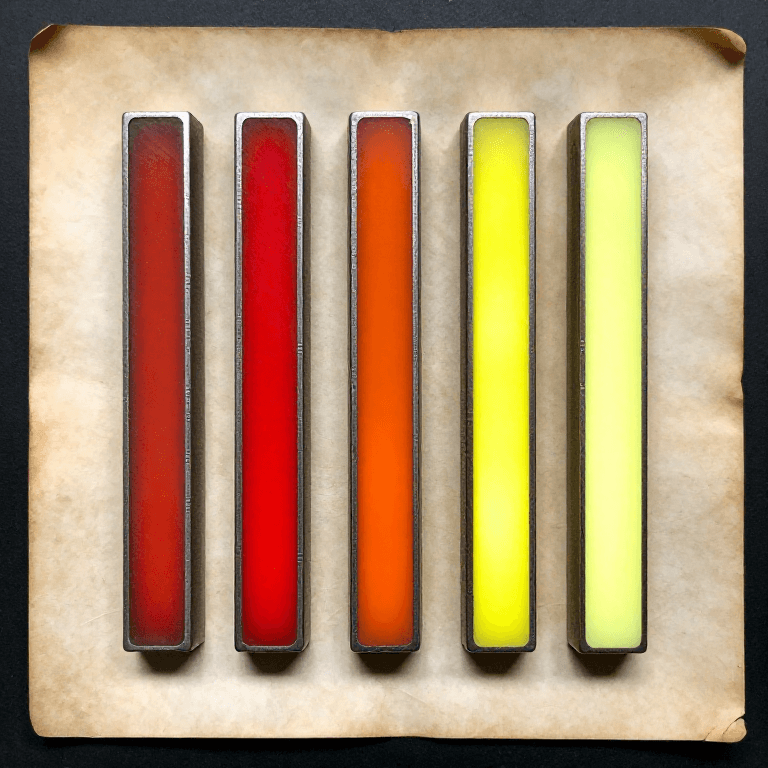
Put a thermocouple in the fire beside the work, heat a bar, and write down what each colour reads. An hour spent doing this converts a vague colour scale into your own calibrated instrument.
Do it in the light you normally work in, with the fuel you normally use, because both of those affect the judgement — which is the whole point of the colour rung's two conditions.
After that the eye is faster than any instrument and always with you, and the instrument becomes a check rather than a necessity. That is the same progression as the go/no-go gauge in the measurement batch: use the precise tool to establish the reference, then use the fast one.
此步骤所需材料:
低碳钢条1 个 木炭1 个
木炭1 个所需工具:
带读数的热电偶铁匠炉锻造遮光护目镜相关蓝图
这些蓝图共享知识——技术、材料或原理


CC0 公共领域
此蓝图以 CC0 协议发布。你可以自由复制、修改、分发和使用此作品,无需征得许可。
通过购买蓝图中的产品支持创客,他们将获得 创客佣金 (由供应商设定),或创建此蓝图的新版本并将其作为连接包含在你自己的蓝图中以分享收入。