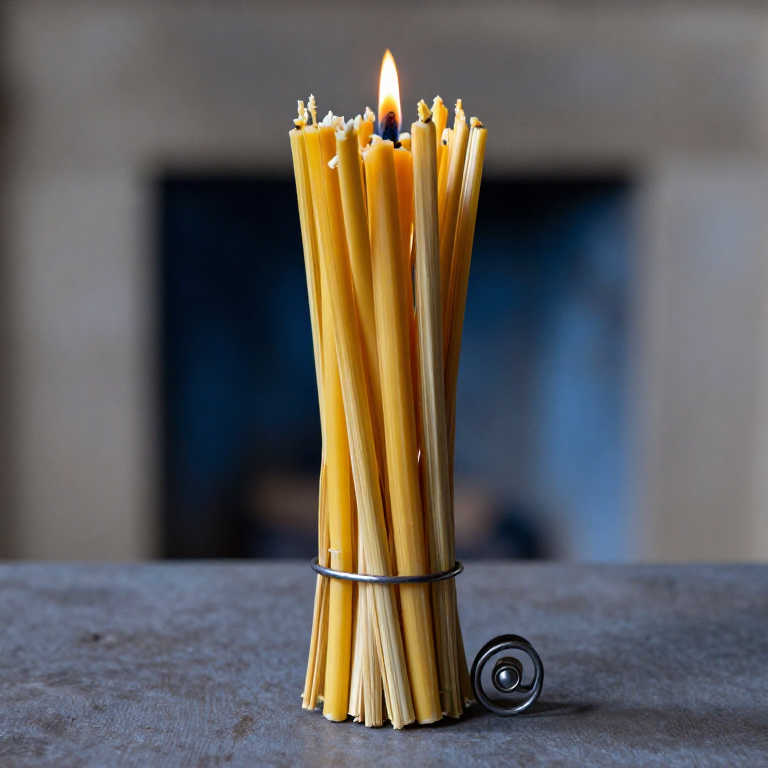


Making Rushlights — The Cheapest Light in History
Before candles were affordable, most households across Europe and Asia lit their evenings with rushlights — the peeled pith of a rush stem dipped in tallow or grease. A rushlight is not a candle: it has no wick inside a body of wax. Instead, the porous rush pith itself is the fuel, with the absorbed fat making it burn slowly rather than flashing to ash.
Rushlights cost virtually nothing. Rushes grow wild in every damp meadow and ditch. The grease came from kitchen drippings — bacon fat, mutton drippings, any leftover cooking grease. A family could gather a year's supply of rushes in an afternoon and dip them in an evening. In England, rushlights remained the primary domestic lighting for rural labourers well into the 1800s, long after candles and oil lamps were common in towns.
A single rushlight 30 cm long burns for about 15-20 minutes with a soft, flickering flame roughly equal to a modern tea light. Held in a simple iron clip (a rushlight holder), it provides enough light to eat supper, mend clothes, or spin wool by.
说明
Harvest the rushes
Harvest the rushes
Peel the rush stems
Peel the rush stems
Dry the peeled rushes
Dry the peeled rushes
Melt the grease
Melt the grease
此步骤所需材料:
 Animal Fat (Tallow)500 克
Dip the rushes
Dip the rushes
Cool and store
Cool and store
Burn in a rushlight holder
Burn in a rushlight holder
材料
1- 500 克占位符
已连接蓝图材料
相关蓝图
这些蓝图共享知识——技术、材料或原理
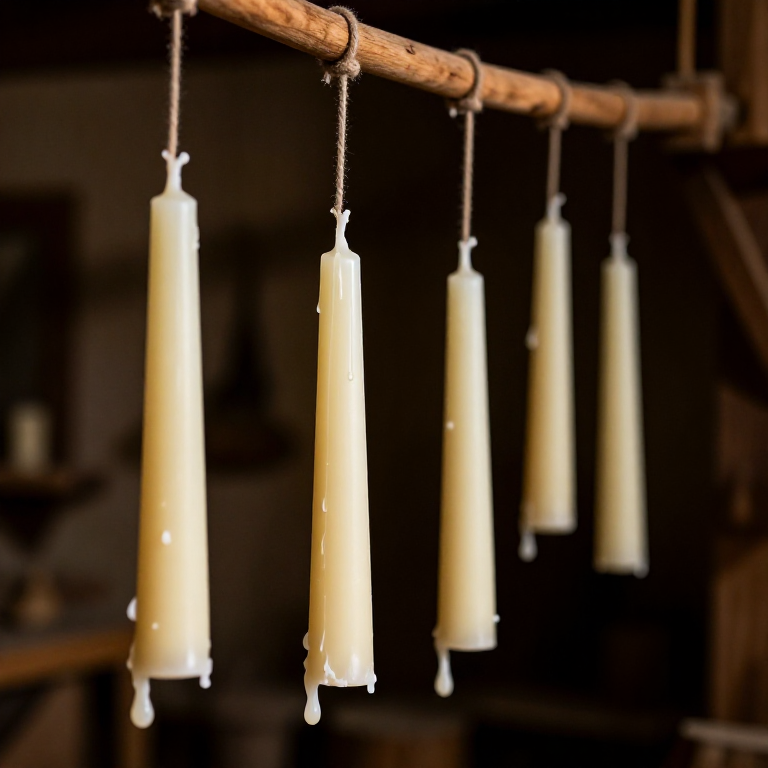
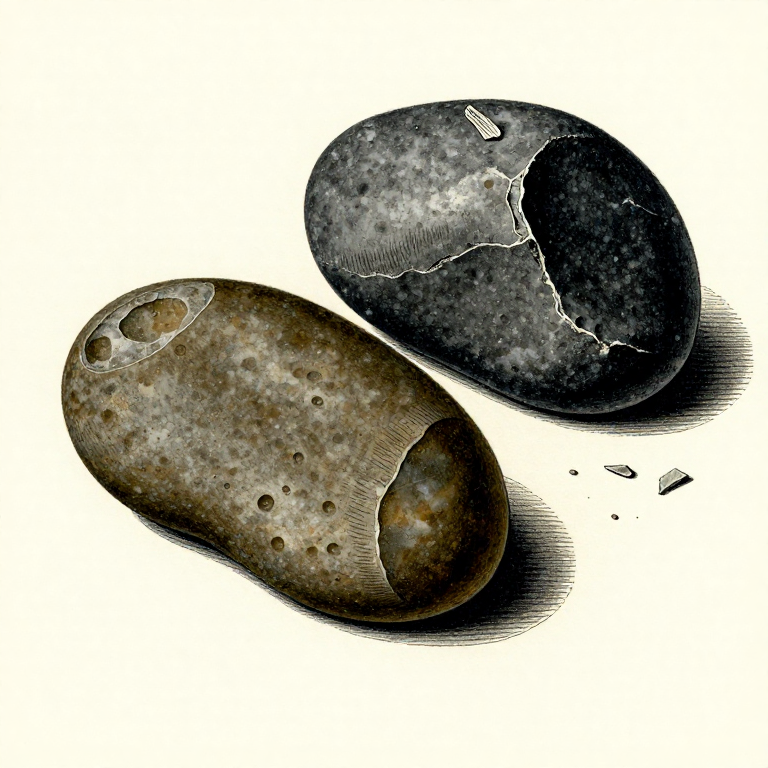
Related blueprints
Other builds that share materials, tools, or techniques with this one.

CC0 公共领域
此蓝图以 CC0 协议发布。你可以自由复制、修改、分发和使用此作品,无需征得许可。
通过购买蓝图中的产品支持创客,他们将获得 创客佣金 (由供应商设定),或创建此蓝图的新版本并将其作为连接包含在你自己的蓝图中以分享收入。