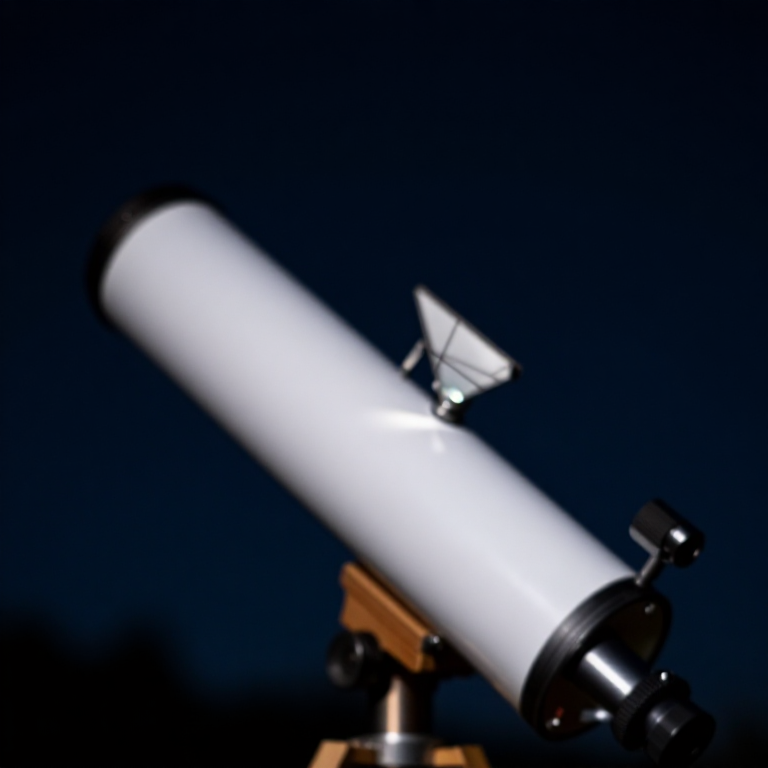

Building a Newtonian Reflecting Telescope — Mirrors Instead of Lenses
In 1668, Isaac Newton built the first practical reflecting telescope — using a curved mirror instead of a lens to gather and focus light. Newton's design solved the fundamental problem of Galileo's refractor: chromatic aberration, where a simple lens bends different colours of light by different amounts, producing coloured fringes around every bright object. A mirror reflects all colours equally, producing sharp, colour-free images. Newton's telescope uses a concave primary mirror at the bottom of a tube to gather light and reflect it to a focus. A small flat secondary mirror (the diagonal) intercepts the converging light near the top of the tube and deflects it 90 degrees out the side of the tube, where the eyepiece magnifies the image. This elegant design — now called the Newtonian reflector — remains the most popular telescope design for amateur astronomers because it delivers large apertures at low cost. This blueprint builds a functional Newtonian telescope using a concave mirror and a flat diagonal, mounted in a simple tube on a basic altitude-azimuth mount.
说明
Understand the Newtonian optical design
Understand the Newtonian optical design
Select the primary mirror
Select the primary mirror
此步骤所需材料:
 凹面镜1 个
Select and mount the diagonal mirror
Select and mount the diagonal mirror
此步骤所需材料:
 平面镜1 个
Build the tube
Build the tube
此步骤所需材料:
 硬木块1 个
Make the mirror cell
Make the mirror cell
所需工具:
 手锯
手锯Install the focuser
Install the focuser
Mount the diagonal on a spider
Mount the diagonal on a spider
此步骤所需材料:
 黄铜条1 米
Collimate the optics
Collimate the optics
Build a simple alt-azimuth mount
Build a simple alt-azimuth mount
所需工具:
手锯 铁凿
铁凿First light — observe the Moon and Jupiter
First light — observe the Moon and Jupiter
已连接蓝图材料
相关蓝图
这些蓝图共享知识——技术、材料或原理
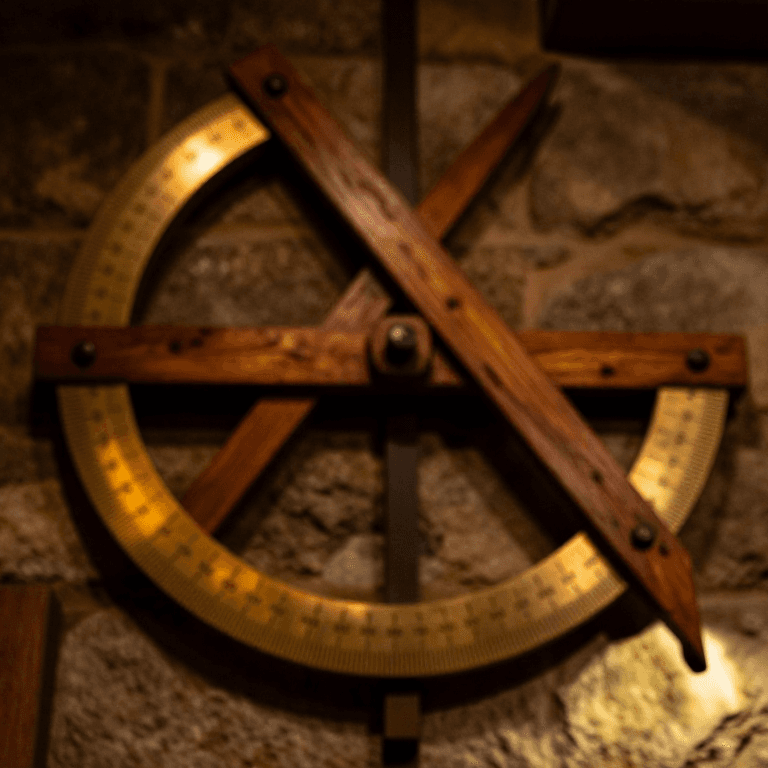
Building a Mural Quadrant — The Wall-Mounted Instrument for Precise Star Positions
Astro 创作
木工
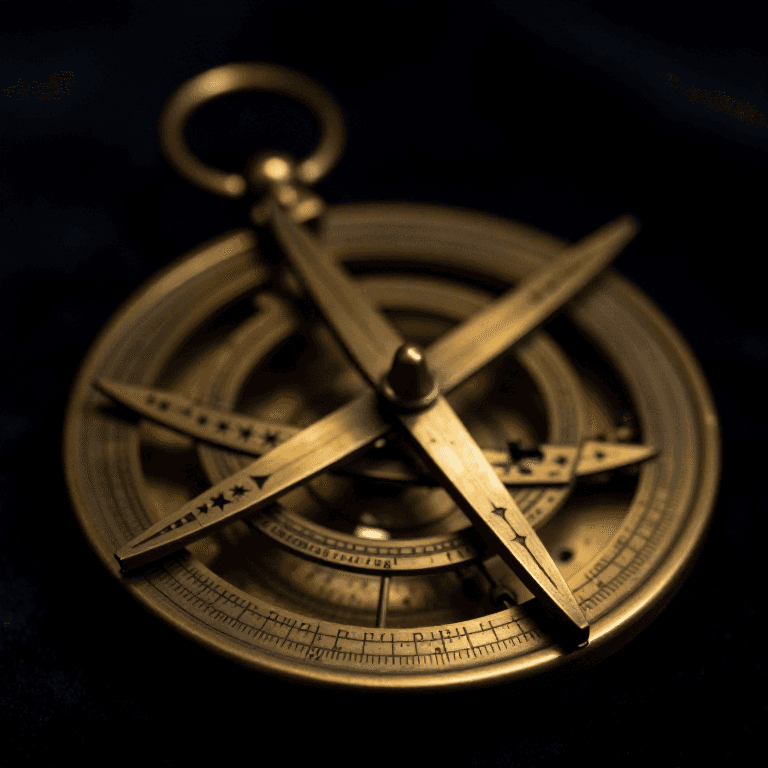
Building a Brass Astrolabe — The Islamic Golden Age Instrument That Mapped the Sky
Astro 创作
金属加工
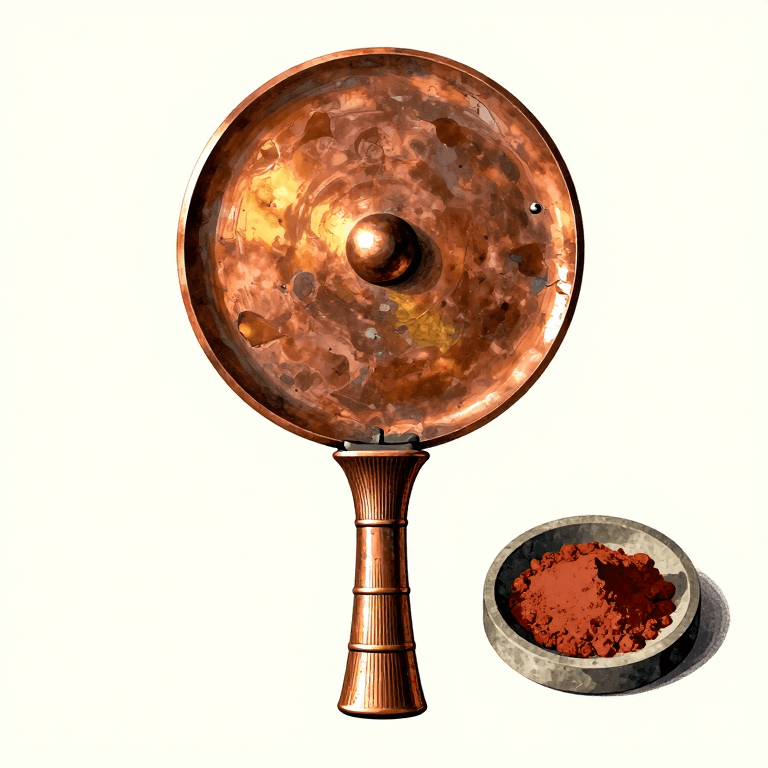
Egyptian Copper Mirror — Polishing a Copper Disc Mirror
Forge 创作
金属加工
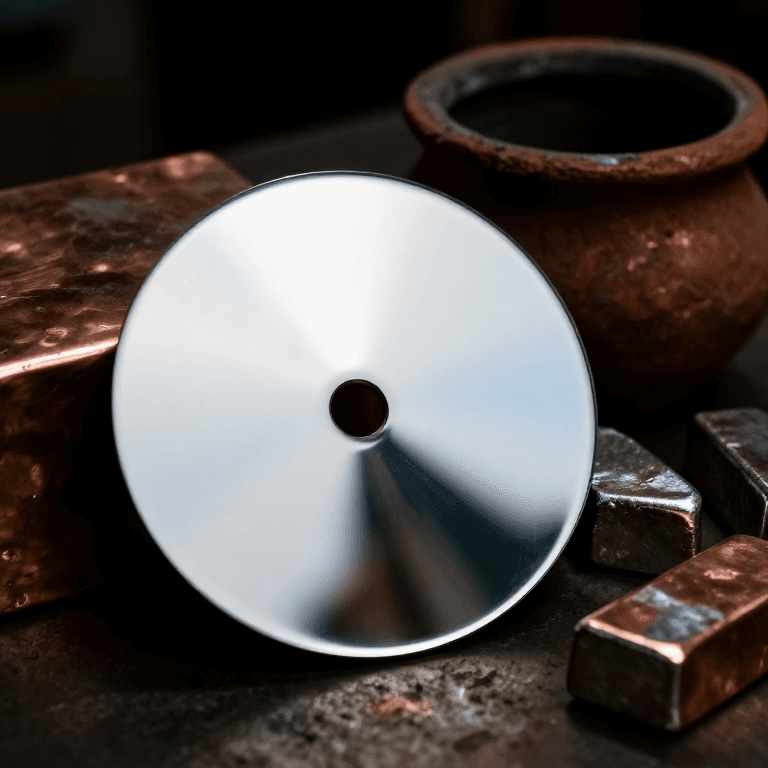
Casting and Grinding a Speculum Metal Telescope Mirror — Newton's Reflecting Alloy
Astro 创作
金属加工
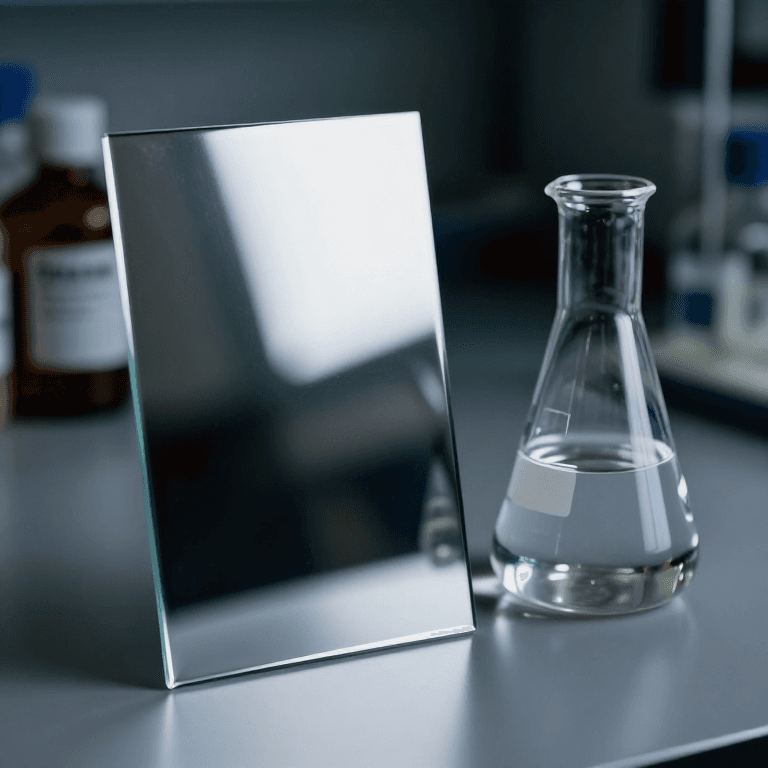
Making a Silver Mirror by the Liebig Process — Depositing Metallic Silver on Glass
Charlie 创作
太空
CC0 公共领域
此蓝图以 CC0 协议发布。你可以自由复制、修改、分发和使用此作品,无需征得许可。
通过购买蓝图中的产品支持创客,他们将获得 创客佣金 (由供应商设定),或创建此蓝图的新版本并将其作为连接包含在你自己的蓝图中以分享收入。