艺术
美容与健康
工艺
文化与历史
娱乐
环境
食品与饮料
逆向工程
科学
体育
技术
可穿戴设备
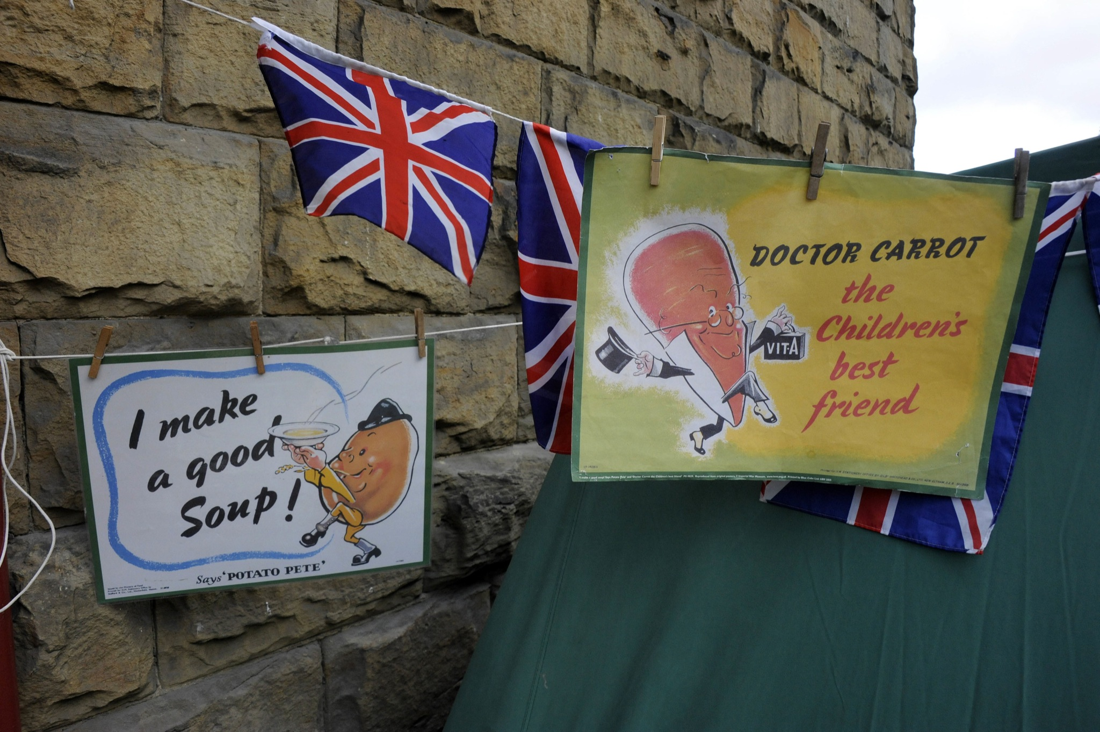
Bryan Ledgard · CC BY 2.0


Overwintering Roots for Seed — Getting a Biennial Through Winter
The technique every biennial seed crop needs: keep the best roots alive and chilled through winter so they can flower the next year. Lift and select your carrots, beets or onions, pack them in damp sand in a cool cellar (or clamp them in the ground), and the winter cold both preserves them and triggers next season's flowering. A homesteading build in root storage and vernalization.
中级
An afternoon to pack, then a winter of storage
说明
1
1
Why biennials need this step
Why biennials need this step
A biennial (carrot, beetroot, onion, cabbage, parsnip) only flowers in its SECOND year, and only after a cold winter. So to save its seed you must keep the first-year plant alive all winter — and the cold it feels is also the trigger that makes it flower. In a hard-winter climate the ground freezes and roots rot or are eaten, so you lift and store them somewhere cold but safe.
2
2
Lift and select the best roots
Lift and select the best roots
In late autumn, before hard frost, ease the roots out whole. Choose only your best, true-to-type, undamaged roots for seed (these are the 'stecklings') — any cut or bruise will rot in storage and spread.
所需工具:
 园艺叉
园艺叉3
3
Trim without wounding the crown
Trim without wounding the crown
Twist or cut the leaves off to a short 2-3 cm stub, being careful NOT to cut into the crown (the growing point on top of the root) — that is where next year's flower stalk will come from. Brush off loose soil but don't wash them.
所需工具:
 修枝剪
修枝剪4
4
Pack in damp sand
Pack in damp sand
Layer the roots in a box of slightly-damp sand (or sawdust) so they do not touch each other, fully buried. The sand keeps them from drying out and stops rot spreading root to root.
此步骤所需材料:
 砂1 box
5
5
Store cool, dark and humid
Store cool, dark and humid
Keep the box in a spot that stays cold but never freezes — ideally 0-4°C — like a root cellar, cold basement or unheated garage. This cold spell is what the plant counts as 'winter'. Check monthly and pull out any root that starts to rot.
6
6
Replant in spring
Replant in spring
As soon as the ground can be worked in spring, replant the stored roots with the crown at soil level. Having been fed and chilled, each will resprout, bolt up a flower stalk, and make your seed — then follow the crop-specific blueprint (carrot, beet, onion) to harvest it.
所需工具:
 园艺移栽铲
园艺移栽铲7
7
The in-ground alternative
The in-ground alternative
In a mild-winter climate you can skip lifting: cover the row with a thick blanket of straw or leaf mulch and let the roots winter in place. They still get the cold they need to flower, with far less handling — only lift-and-store where winters are hard enough to freeze or rot them in the ground.
8
8
Compendium — storage and vernalization
Compendium — storage and vernalization
This one technique does two jobs at once, and that is the elegant part. The obvious job is STORAGE: a first-year biennial root is a living food store the plant packed for its own second spring, and your task is simply to keep it alive and unspoiled until then — which means cold enough to idle its metabolism and hold back rot, humid enough that it doesn't shrivel, and dark and undisturbed. Damp sand is the classic medium because it holds that humidity and, by keeping the roots apart, stops one rotting root infecting the next. The second job is the clever one: VERNALIZATION. Biennials don't flower on a calendar — they wait for a signal that winter has truly passed, and that signal is having FELT a long cold spell. A stretch of weeks near freezing flips a switch inside the plant that says 'winter is over, now is safe to flower', so when it warms up in spring the plant finally bolts and reproduces. The beautiful coincidence is that the temperature that preserves the root (cold, just above freezing) is the very same temperature that vernalizes it — so a proper cold store both keeps your seed-root alive AND primes it to flower. Get it too warm and the root keeps idling but never gets its winter cue, so it may just regrow leaves and refuse to bolt; let it freeze solid and it dies. This is why a root cellar at a few degrees above zero is the sweet spot, and why the same method carries every biennial seed crop — carrot, beetroot, onion, leek, cabbage, celery, parsnip — from its first year to its flowering second.
相关蓝图
这些蓝图共享知识——技术、材料或原理

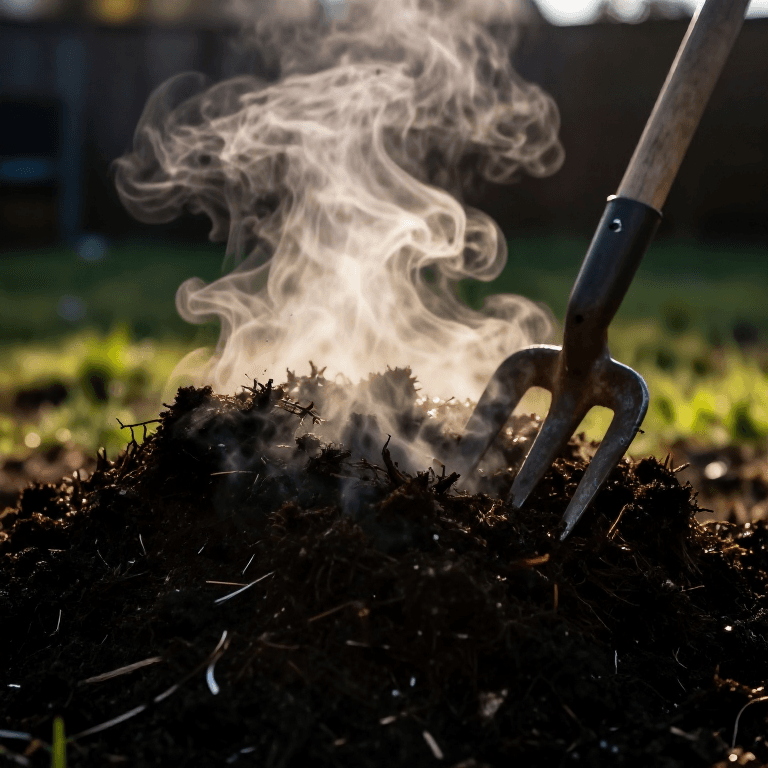
CC0 公共领域
此蓝图以 CC0 协议发布。你可以自由复制、修改、分发和使用此作品,无需征得许可。
通过购买蓝图中的产品支持创客,他们将获得 创客佣金 (由供应商设定),或创建此蓝图的新版本并将其作为连接包含在你自己的蓝图中以分享收入。