艺术
美容与健康
工艺
文化与历史
娱乐
环境
食品与饮料
逆向工程
科学
体育
技术
可穿戴设备
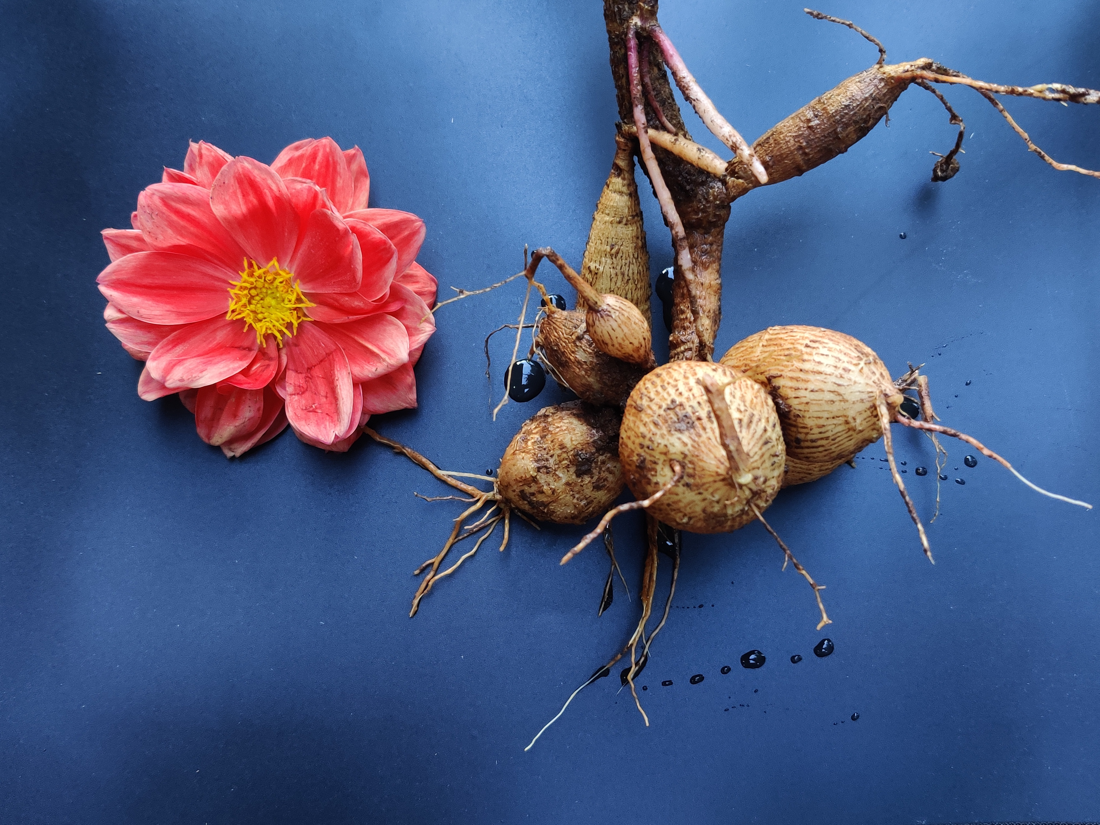
Krishna satya 333 (Wikimedia Commons) · CC BY-SA 4.0


Propagating Plants by Division — Splitting a Clump
The easiest clone of all: dig up a clumping perennial and pull it into several pieces, each already carrying its own roots and shoots, then replant them. Division makes free new plants AND rejuvenates a tired old clump at the same time. Lift, split so every piece has roots and a growing point, discard the worn-out middle, and replant. A homesteading build in the clump and the clone that comes ready-rooted.
初学者
An afternoon
说明
1
1
One clump, many plants
One clump, many plants
Many perennials — rhubarb, chives, hostas, daylilies, mint, ornamental grasses — grow as an ever-widening CLUMP of many shoots from one root mass. Split that clump into pieces and each piece, already owning roots and shoots, is an independent new plant and an exact clone of the parent. It also does the old clump a favour.
2
2
Divide at the right time
Divide at the right time
Divide when the plant is NOT in active flower — usually early spring as growth begins, or in autumn. A rough rule: split spring-and-summer flowerers in autumn, and autumn flowerers in spring. Cool, damp weather helps the pieces recover.
3
3
Lift the whole clump
Lift the whole clump
Dig right around the clump with a fork and lever the whole root ball out of the ground, keeping as many roots as you can. Shake or wash off some soil so you can see the crowns and roots you are working with.
所需工具:
 园艺叉
园艺叉4
4
Split it into pieces
Split it into pieces
Pull soft, fibrous clumps apart by hand; for tough ones drive two forks back-to-back into the middle and lever them apart, or cut through the crown with a spade or knife. The one rule: every piece MUST have both roots AND at least one growing point (a bud, shoot or crown), or it cannot grow.
所需工具:
 园艺铁锹
园艺铁锹 修枝刀
修枝刀5
5
Keep the young edges, bin the old middle
Keep the young edges, bin the old middle
In an old clump the centre is often woody, congested and unproductive while the vigour is all around the OUTSIDE. Keep the strong young outer pieces for replanting and discard the tired middle — this is why dividing also rejuvenates a plant that had stopped performing.
6
6
Replant promptly and water in
Replant promptly and water in
Replant the divisions straight away at the SAME depth they grew before, firm them in, and water well. Never let the roots dry out — pot up or heel in any you can't plant at once — and keep them watered until they take hold and put out new growth.
此步骤所需材料:
 堆肥1 bag
 不干胶标签1 张
7
7
Compendium — the clone that comes ready-rooted
Compendium — the clone that comes ready-rooted
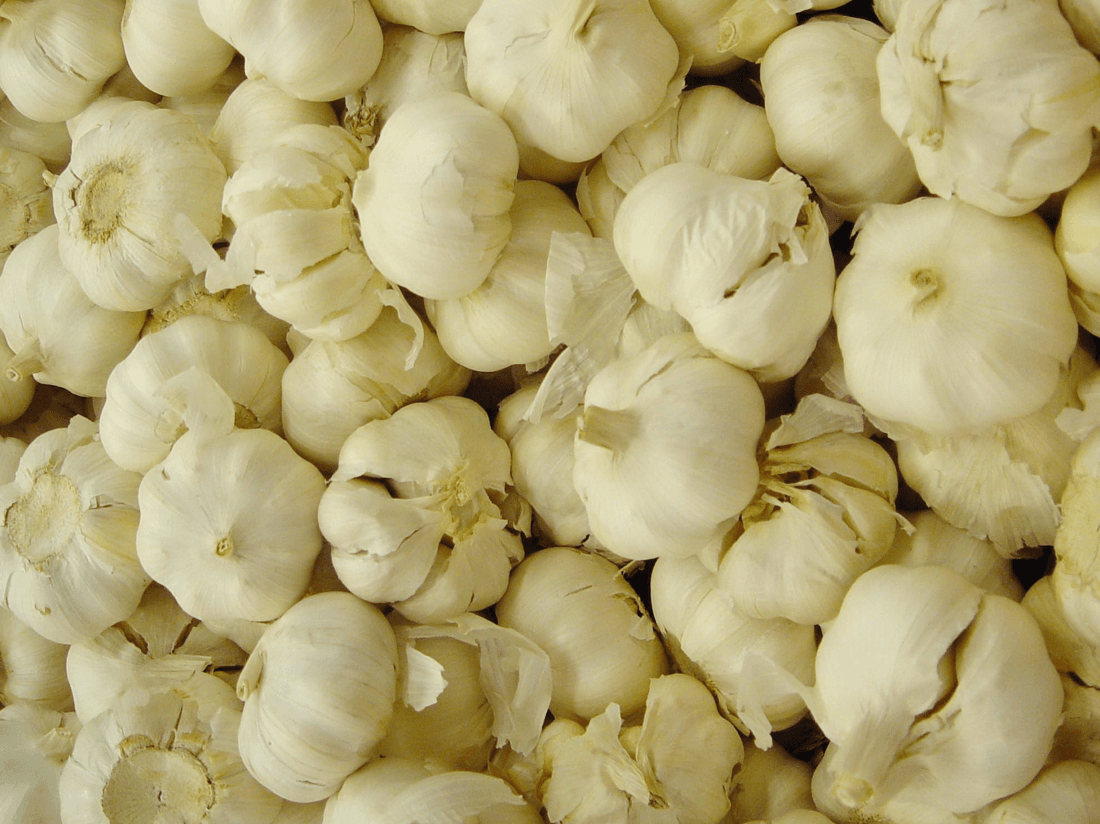
Division is the simplest form of VEGETATIVE (clonal) propagation, and comparing it with its cousins shows a neat ladder of difficulty. A stem CUTTING is a piece with no roots — it must grow them from scratch, which is why it needs hormone, humidity and patience. A CLOVE or a TUBER is a specialised bud pre-packed with stored food, ready to sprout. A DIVISION is the easiest of all, because each piece is already a fully-formed small plant — it has its own roots AND its own shoots the moment you separate it, so there is almost nothing to 'grow back'; it simply carries on. That is why division has the highest success rate of any propagation method and needs no special kit. Like every clone it is genetically identical to the parent, keeping a variety perfectly true, with the same trade-off of no genetic mixing. Division has a second gift the others don't: REJUVENATION. A clumping perennial expands outward year on year, and the oldest growth in the very centre gets crowded, woody and shy to flower while the youthful vigour migrates to the ring of new shoots at the edge — so lifting and splitting the clump, keeping the lively outer pieces and throwing away the exhausted heart, literally makes an old, failing plant young and floriferous again. It is worth seeing that this is exactly what garlic does on its own: a single clove grows into a clump of cloves, a natural division you simply pull apart and replant. Gardeners have divided perennials this way for as long as there have been gardens — the free, foolproof way to turn one good plant into many.
此蓝图制作

相关蓝图
这些蓝图共享知识——技术、材料或原理
CC0 公共领域
此蓝图以 CC0 协议发布。你可以自由复制、修改、分发和使用此作品,无需征得许可。
通过购买蓝图中的产品支持创客,他们将获得 创客佣金 (由供应商设定),或创建此蓝图的新版本并将其作为连接包含在你自己的蓝图中以分享收入。