艺术
美容与健康
工艺
文化与历史
娱乐
环境
食品与饮料
逆向工程
科学
体育
技术
可穿戴设备
English

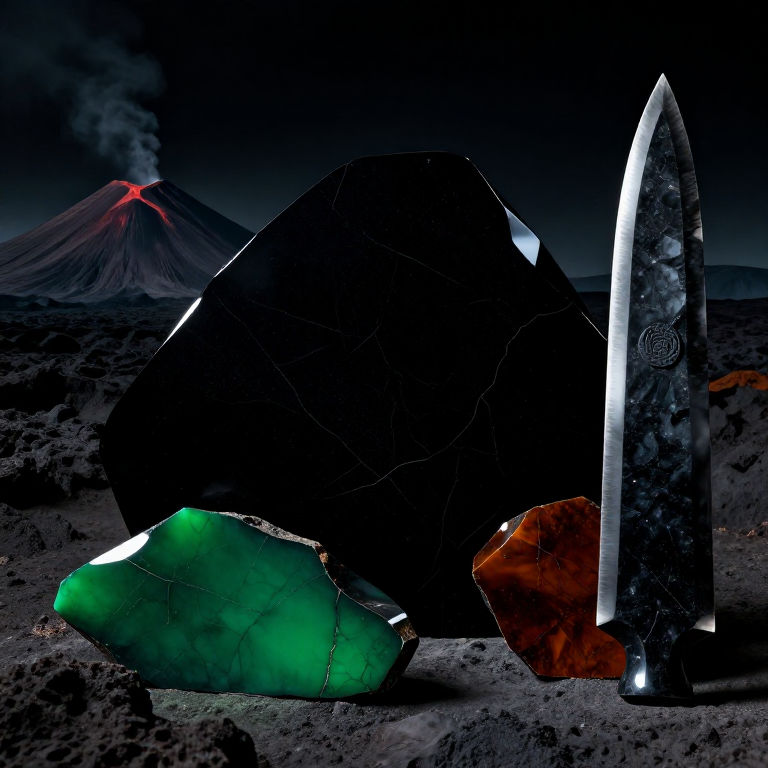
Obsidian Collection — Identification and Extraction of Volcanic Glass in Mexico
Detailed guide to identifying, locating, and collecting obsidian from volcanic deposits in Mexico. Obsidian is a natural volcanic glass formed when felsic lava cools rapidly, preventing crystal structure formation. Mexico possesses some of the world's finest obsidian deposits.
中级
Full day field trip
说明
1
1
Understanding the Geology of Obsidian
Understanding the Geology of Obsidian
Obsidian is a natural volcanic glass that forms when felsic (silica-rich) lava cools so rapidly that atoms cannot organize into a crystalline structure. The result is an amorphous solid with vitreous luster and conchoidal fracture. Typical composition: 70-75% SiO2, plus Al2O3, Na2O, K2O, and Fe3O4. Hardness is 5-5.5 on the Mohs scale. It forms at the margins of rhyolitic and dacitic lava flows. Mexico is exceptionally rich in obsidian due to intense volcanic activity along the Trans-Mexican Volcanic Belt.
2
2
Identifying Volcanic Terrain and Known Deposits
Identifying Volcanic Terrain and Known Deposits
Major Mexican obsidian deposits include: Sierra de las Navajas in Pachuca, Hidalgo — the most famous Mesoamerican deposit and primary source for Teotihuacan and the Aztecs; Otumba region, State of Mexico; deposits near Guadalajara, Jalisco; volcanic zones around Pico de Orizaba, Veracruz; and lava flows in Puebla and Michoacan. Obsidian is found on or near the surface in rhyolitic lava flow terrain. Study geological maps from the Mexican Geological Survey (SGM).
此步骤所需材料:
 Mapa Geológico Regional1 个
3
3
Safety Preparation for Fieldwork
Safety Preparation for Fieldwork
Obsidian is extremely sharp — fractured edges can be sharper than surgical steel (down to 30 angstroms). Wear thick leather gloves, thick-soled boots, long pants, and long-sleeved shirt. Pack a first-aid kit. Carry minimum 3 liters of water, sunscreen, hat, and food. Inform someone of your destination. Check weather — avoid volcanic terrain during heavy rains due to landslide risk.
此步骤所需材料:
 Botiquín de Primeros Auxilios1 个
 Agua Potable3 升
 Protector Solar1 个
所需工具:
 Guantes de Cuero Grueso
 Botas de Suela Gruesa
4
4
Surface Prospecting Techniques
Surface Prospecting Techniques
Obsidian is frequently found as nodules and fragments on the surface near lava flows. Walk slowly, looking for vitreous (glass-like) fragments. Nodules are often partially buried — erosion constantly exposes new pieces. Check volcanic hillslopes, dry streambeds, and road cuts exposing subsurface layers. Use a light probing rod to check for nodules at 5-15 cm depth.
所需工具:
 Varilla de Sondeo (1 metro)
5
5
Identifying Genuine Obsidian — Field Tests
Identifying Genuine Obsidian — Field Tests
Three key tests: 1) Conchoidal fracture — obsidian breaks with curved, smooth surfaces producing sharp edges. 2) Vitreous luster — glass-like shine, not matte or earthy. 3) Translucency — thin edges transmit light, showing yellow to reddish-brown glow against the sun. Obsidian has no visible crystalline structure — visible crystals or grains indicate basalt or another crystalline rock.
6
6
Recognizing Obsidian Varieties by Color
Recognizing Obsidian Varieties by Color
Color varieties: Black — most common, from magnetite nanoparticles. Green — from low ferrous iron (Fe2+), abundant at Sierra de las Navajas; Pachuca green obsidian was most coveted by the Aztecs. Mahogany — reddish bands from hematite inclusions. Rainbow — iridescence from nanometric magnetite crystal layers. Snowflake — white cristobalite inclusions from partial devitrification. Golden sheen — golden reflection from aligned gas bubble inclusions.
7
7
Careful Extraction of Specimens
Careful Extraction of Specimens
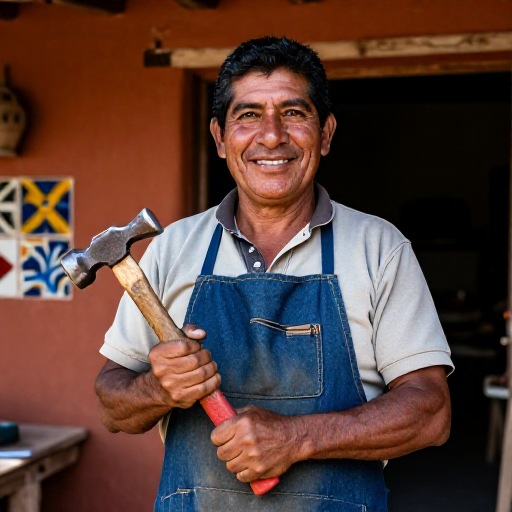
Extract carefully to preserve integrity. Pick up loose surface fragments with leather gloves. For partially buried nodules, use a geologist's chisel and hammer to loosen surrounding soil without striking the obsidian directly. Work the chisel into soil, not rock. For large pieces (over 15 cm), dig a channel around the specimen. Never separate nodules from bedrock with hard blows — obsidian fractures conchoidally and can launch sharp fragments.
所需工具:
 Cincel de Geólogo
 Martillo de GeólogoGuantes de Cuero Grueso
8
8
Field Cleaning of Specimens
Field Cleaning of Specimens
Clean specimens in the field using a soft-bristle brush (never metallic). For persistent dirt, use clean water with a soft cloth. Do not rub with abrasive materials — obsidian (5-5.5 Mohs) scratches easily. Examine under good light for clarity, color, inclusions, and vitreous luster. Specimens with intact natural fracture surfaces are more valuable. Wrap each individually in newspaper or soft cloth for transport.
此步骤所需材料:
 Papel Periódico10 张
 Paño de Algodón Suave2 个
所需工具:
 Cepillo de Cerdas Suaves
9
9
Specimen Quality Assessment
Specimen Quality Assessment
Assess by: Size — pieces over 10 cm are more versatile. Homogeneity — uniform obsidian without large inclusions or internal fractures is higher quality; check against strong light. Color — green Pachuca and rainbow are most prized. Luster — intense vitreous luster indicates good preservation. Shape — rounded nodules with intact cortex are valuable. Obsidian absorbs water at a measurable rate (obsidian hydration), used archaeologically for dating.
10
10
Documenting the Find Location
Documenting the Find Location
Record exact GPS coordinates. Photograph specimens in situ with a scale reference. Photograph the geological surroundings. Note in field notebook: date, coordinates, altitude, terrain type, color and estimated size, and geological observations. If you find worked artifacts (arrowheads, scrapers, blades), do not remove them — they may be protected by INAH (National Institute of Anthropology and History).
此步骤所需材料:
 Cuaderno de Campo1 个
所需工具:
 Teléfono con GPS
 Regla de Referencia (15 cm)
11
11
Labeling Specimens
Labeling Specimens
Label each specimen with a unique number corresponding to your field notebook. Write on durable paper tags with pencil (ink erases with moisture). Note: specimen number, locality, date, color variety, and approximate weight/size. For formal collections, apply white enamel to a discreet area and write the number with indelible ink once dry.
此步骤所需材料:
 Etiquetas de Papel Resistente20 个
 Lápiz de Grafito1 个
 Esmalte Blanco (corrector líquido)1 个
12
12
Safe Transport and Storage
Safe Transport and Storage
Transport specimens individually wrapped in newspaper or cloth in a sturdy padded box. Do not stack without protection. Secure the box on the vehicle floor. For long-term storage, keep in a dry place away from direct sunlight. Display on padded bases. Obsidian is geologically stable and needs no special conservation. Collecting is legal in many Mexican localities, but archaeological sites are protected — consult INAH regulations.
此步骤所需材料:
 Caja de Cartón Resistente con Divisiones1 个
 Espuma de Polietileno para Acolchamiento1 kilogramo
材料
12- 占位符
- 3 升占位符
- 占位符
- 10 张占位符
- 占位符
- 占位符
- 占位符
- 1 kilogramo占位符
CC0 公共领域
此蓝图以 CC0 协议发布。你可以自由复制、修改、分发和使用此作品,无需征得许可。
通过购买蓝图中的产品支持创客,他们将获得 创客佣金 (由供应商设定),或创建此蓝图的新版本并将其作为连接包含在你自己的蓝图中以分享收入。