艺术
美容与健康
工艺
文化与历史
娱乐
环境
食品与饮料
逆向工程
科学
体育
技术
可穿戴设备
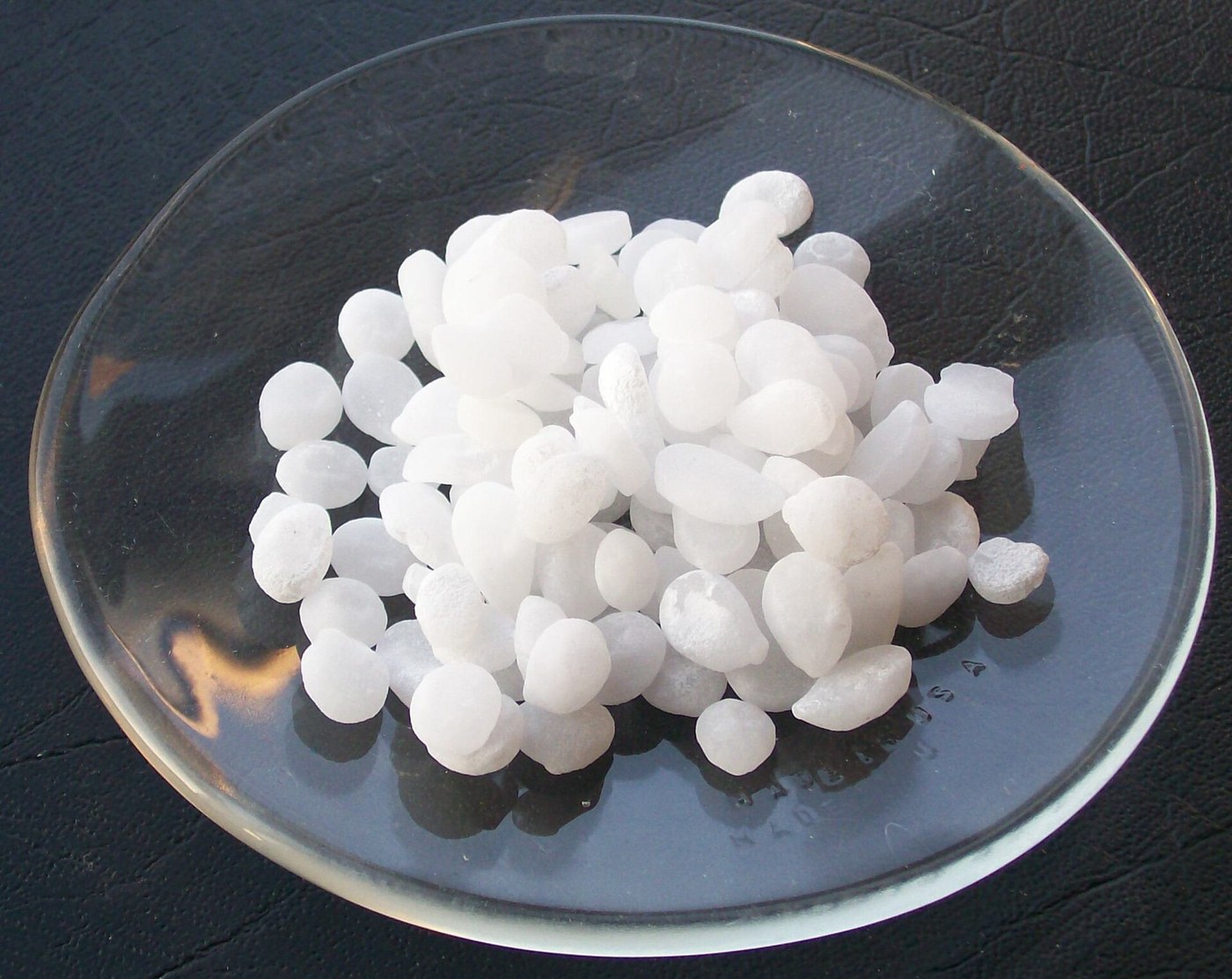


Sodium Hydroxide by Causticizing Soda Ash with Slaked Lime
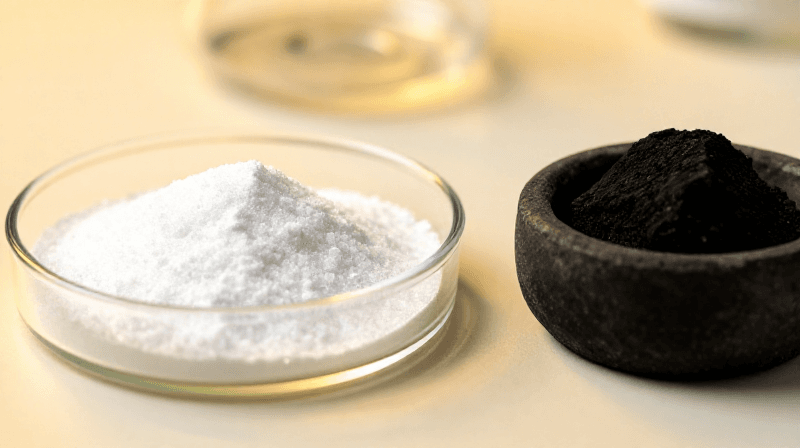
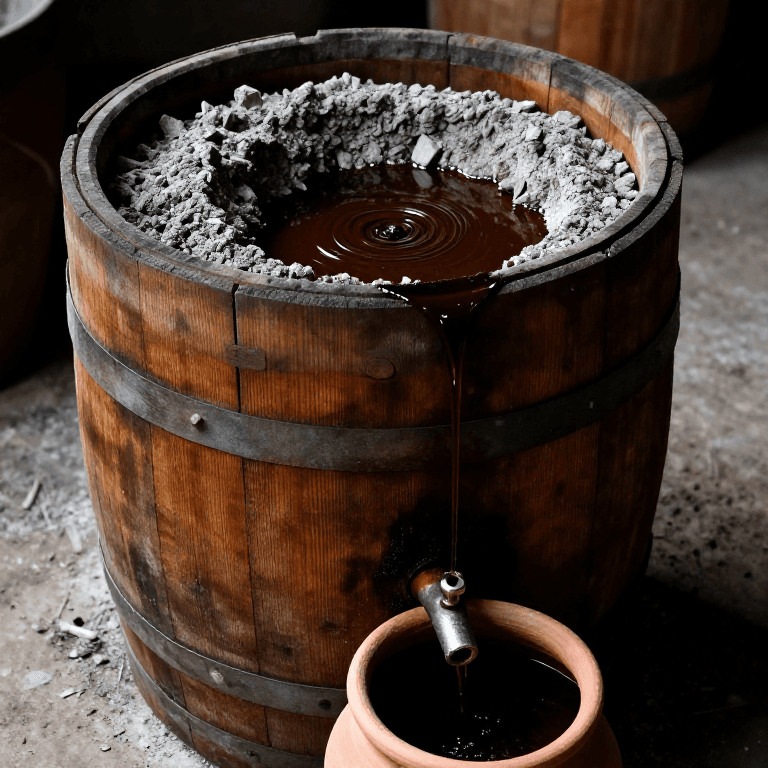
Before electrolysis took over in the 20th century, sodium hydroxide (caustic soda, lye) was made by "causticizing": treating sodium carbonate with slaked lime. Ca(OH)₂ + Na₂CO₃ → CaCO₃ + 2 NaOH. The reaction works because sodium hydroxide dissolves in water while calcium carbonate does not, so the carbonate falls out and the lye stays in solution. Soap makers did this first: a late 13th-century Yemeni book has water passed again and again through plant-ash alkali and quicklime. The soda ash later came from the Leblanc process and then the Solvay process. Evaporating the water from the solution gives solid sodium hydroxide.
中级
1 day
说明
1
1
Dissolve the soda ash
Dissolve the soda ash
Dissolve sodium carbonate in water.
此步骤所需材料:
 碳酸钠(纯碱)1 as required
 水1 as required
所需工具:
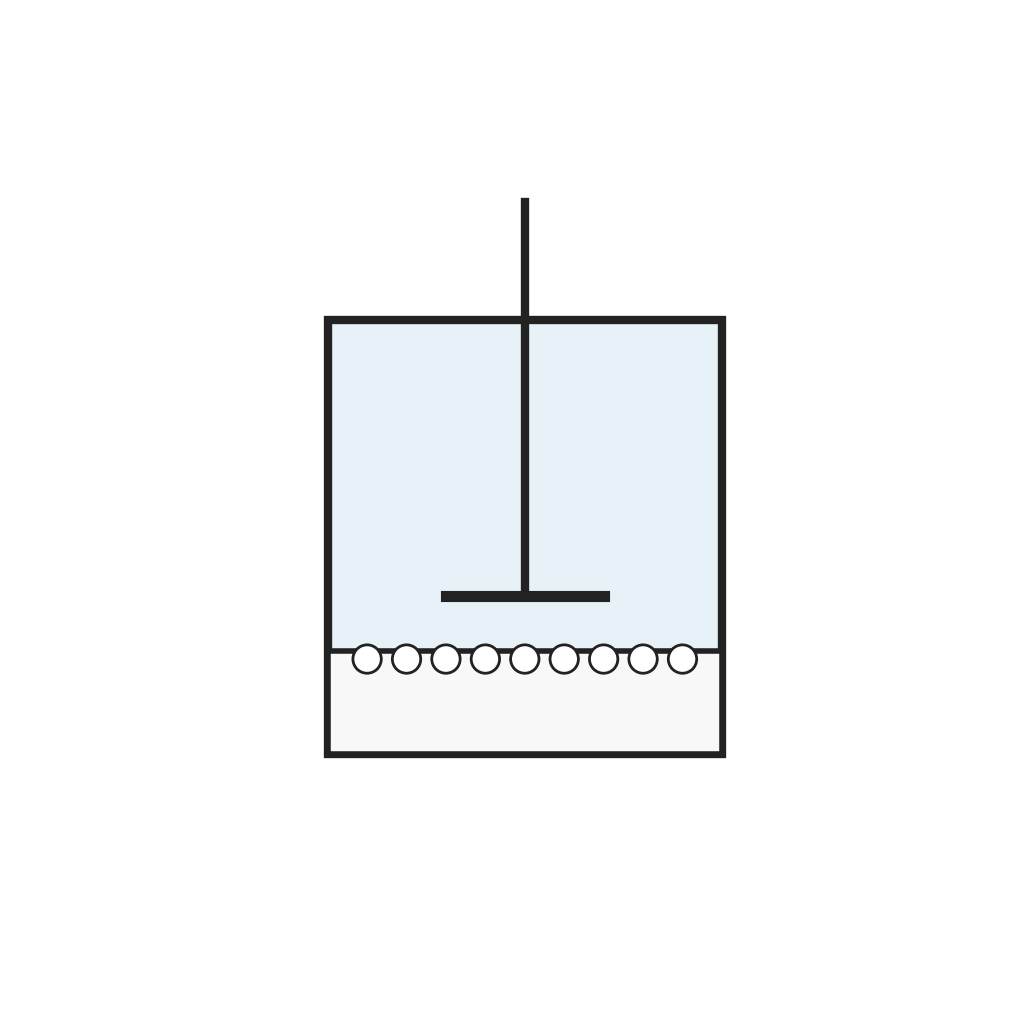 沉淀罐
沉淀罐2
2
Add slaked lime
Add slaked lime
Stir in calcium hydroxide. Ca(OH)₂ + Na₂CO₃ → CaCO₃ + 2 NaOH. Insoluble calcium carbonate forms; the sodium hydroxide stays dissolved.
此步骤所需材料:
 氢氧化钙(熟石灰)1 as required
所需工具:
沉淀罐3
3
Settle and draw off
Settle and draw off
Let the calcium carbonate settle and draw off the clear sodium hydroxide solution.
所需工具:
 沉降池
沉降池4
4
Evaporate for solid lye
Evaporate for solid lye
For solid sodium hydroxide, evaporate the water from the solution.
所需工具:
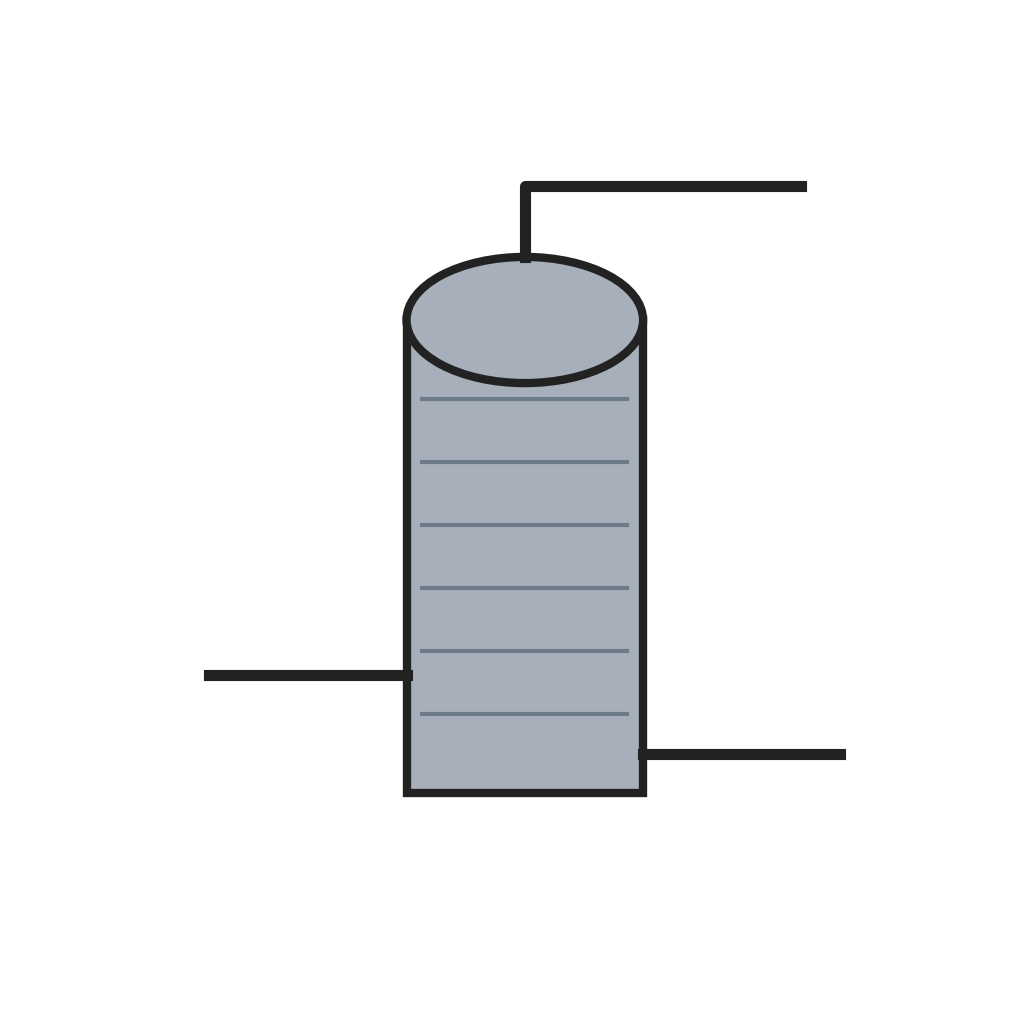 蒸发器
蒸发器此蓝图制作
相关蓝图
这些蓝图共享知识——技术、材料或原理
CC0 公共领域
此蓝图以 CC0 协议发布。你可以自由复制、修改、分发和使用此作品,无需征得许可。
通过购买蓝图中的产品支持创客,他们将获得 创客佣金 (由供应商设定),或创建此蓝图的新版本并将其作为连接包含在你自己的蓝图中以分享收入。