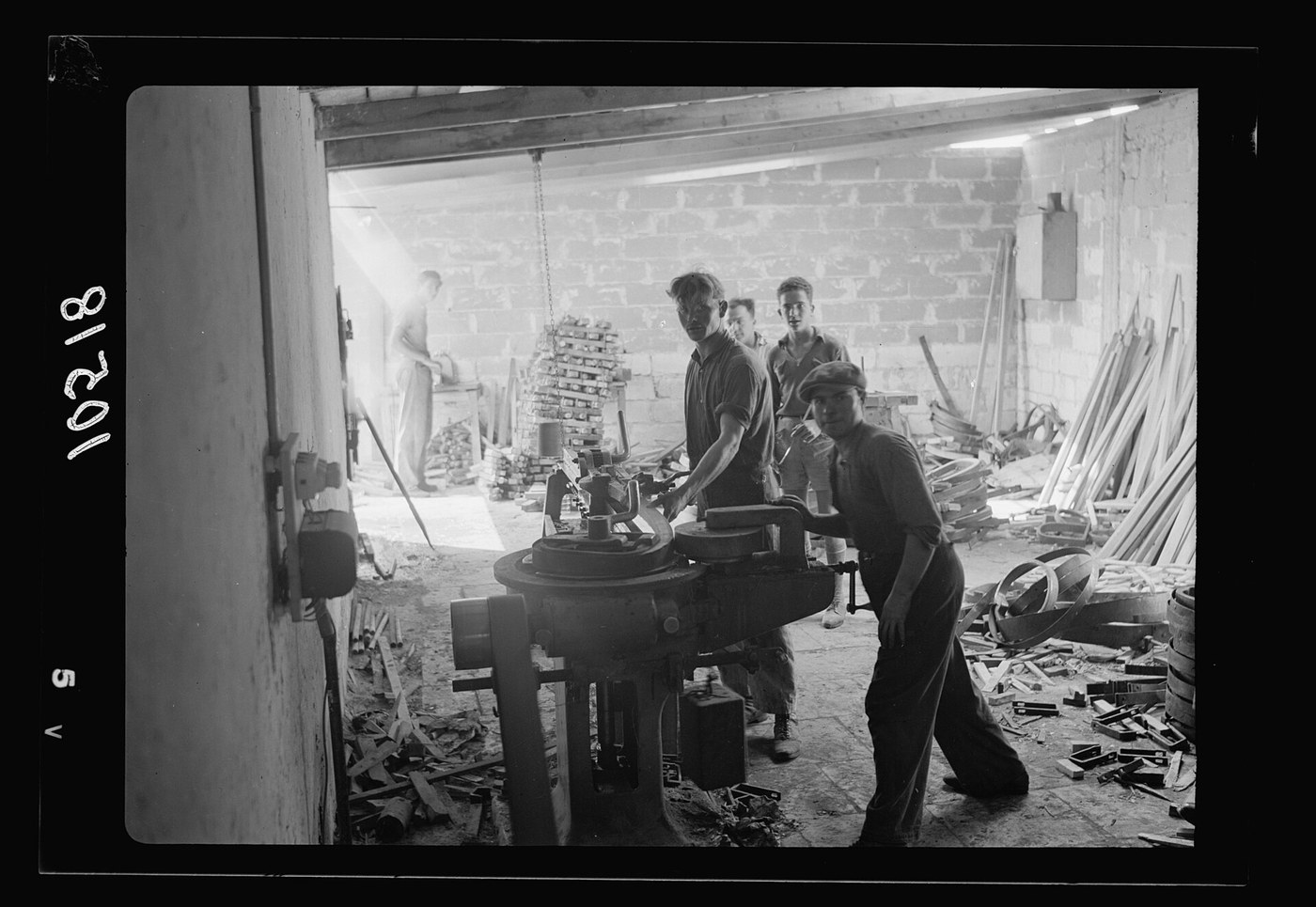


Steam Bending
说明
Break a dry piece first
Break a dry piece first
Find the failure mode before trying to avoid it.
- Take a thin strip of straight-grained hardwood.
- Bend it dry until it fails.
- Examine the break.
此步骤所需材料:
 波罗的海桦木胶合板1 包
Choose the wood, which decides everything
Choose the wood, which decides everything
Some species bend well and some will not bend at all.
- Prefer ash, oak, beech, elm, hickory or yew.
- Use air-dried or green stock, not kiln-dried.
- Reject anything with knots, or with grain that runs off the edge of the piece.
Steam it — an hour per inch
Steam it — an hour per inch
Atmospheric steam, not pressure. It is the moisture and heat that matter.
- Build a simple steam box with a kettle feeding a closed chamber, loosely vented.
- Support the wood off the floor of the box so steam circulates all round.
- Steam for roughly one hour per 25 mm of thickness.
此步骤所需材料:
 速读温度计1 个
 秒表1 个
秒表1 个Bend with a compression strap
Bend with a compression strap
Work fast — you have well under a minute of usable softness.
- Fit a thin steel strap along what will be the OUTSIDE of the curve, with rigid end stops bearing on the wood's end grain.
- Take the wood from the box and bend it around the form immediately.
- Clamp it and leave it on the form until fully cool and dry — a day at least.
此步骤所需材料:
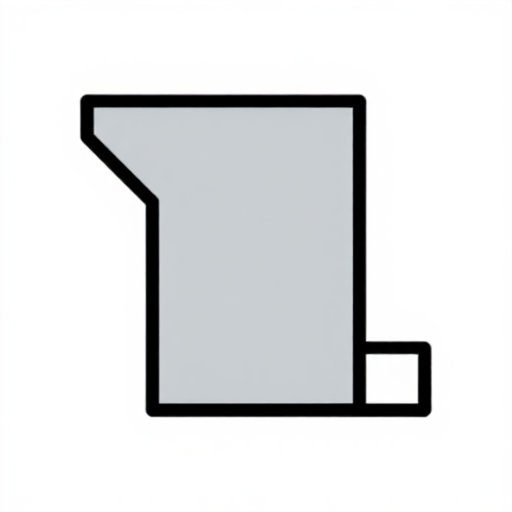 弹簧钢带1 strip
History and context
History and context
Bending wood with heat and water is very old — shipwrights steamed planks to fit hulls, wheelwrights bent felloes, and coopers have always used heat and moisture to draw barrel staves into a curve. The technique is a craft tradition long before it was an industry.
Michael Thonet industrialised it. From the 1830s and 40s he developed steam-bent solid beech furniture, and the Chair No. 14 of 1859 is the result: six pieces of bent wood, ten screws and two nuts, shipped flat and assembled on arrival. It sold in tens of millions, is still made, and is a strong candidate for the first genuinely mass-produced, flat-packed piece of furniture.
Why it beats sawing a curve. A curve cut from a solid board crosses the grain, so the fibres run out at the ends and the piece is weak where it is thinnest. A steam-bent curve keeps continuous fibres running the whole length, and is dramatically stronger for the same section — which is why tool handles, boat ribs, snowshoes and chair backs are bent rather than cut.
The modern alternative is bent lamination: gluing several thin strips around a form. It springs back less and needs no steam, but it shows glue lines and is not the same material. Both are in use, and for a chair back that must take repeated load, solid bent wood with unbroken grain is still hard to beat.
CC0 公共领域
此蓝图以 CC0 协议发布。你可以自由复制、修改、分发和使用此作品,无需征得许可。
通过购买蓝图中的产品支持创客,他们将获得 创客佣金 (由供应商设定),或创建此蓝图的新版本并将其作为连接包含在你自己的蓝图中以分享收入。