合作
艺术
美容与健康
工艺
文化与历史
娱乐
环境
食品与饮料
逆向工程
科学
体育
技术
可穿戴设备
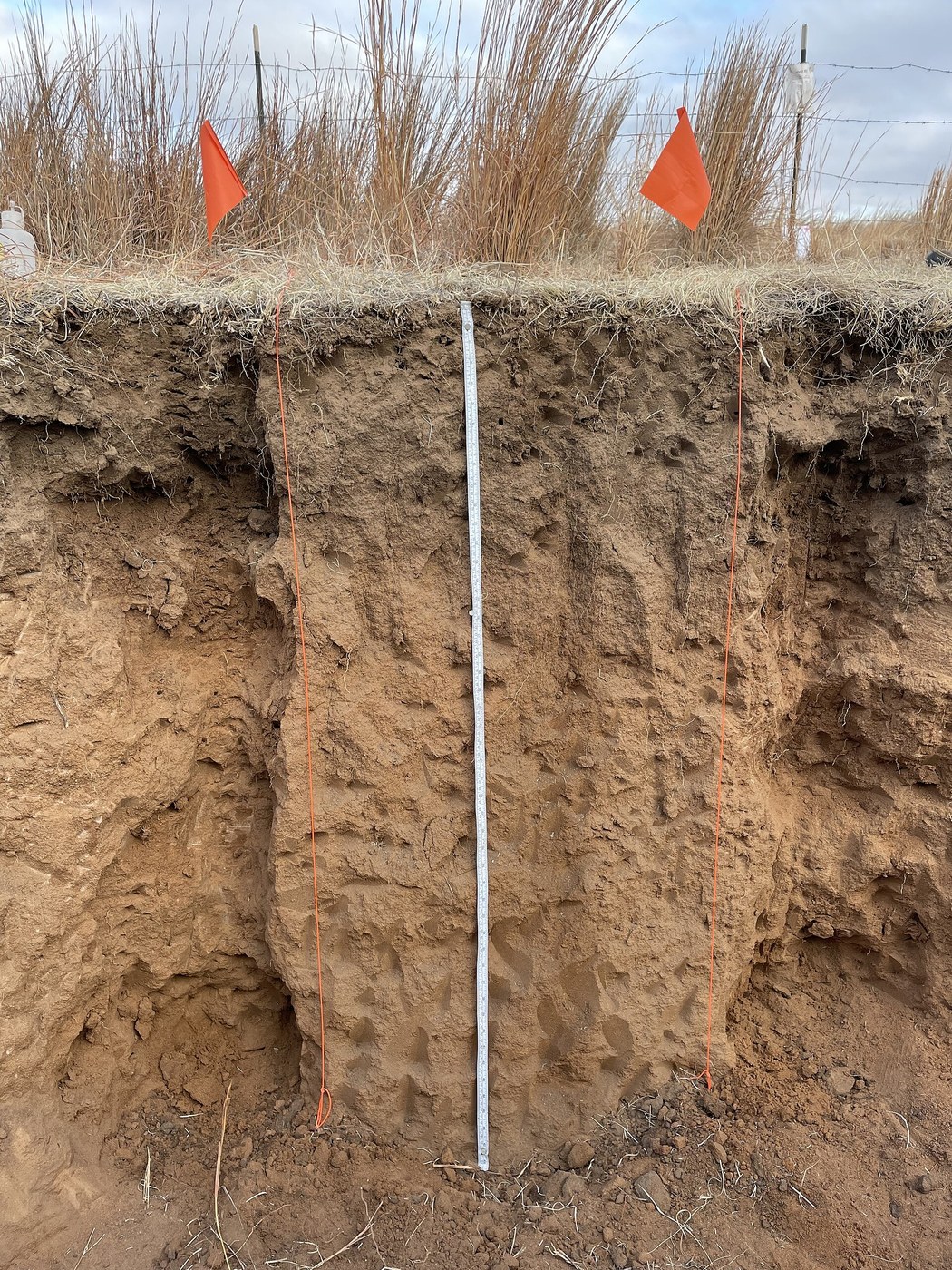


The Soil Pit: Texture, Structure and What It Will Grow
A soil test, already published here, tells you the chemistry of a scoop of earth. It cannot tell you that there is a compacted pan at 25 centimetres stopping every root, or that the water table rises into the rooting zone each winter — and those decide far more than pH does.
The answer is to dig a hole and look at the side of it. A soil profile shows the layers, their colours, where the roots stop and why, and how the structure crumbles in your hand. Every one of those is read by eye and finger, with no equipment beyond a spade.
It is the cheapest diagnostic in land management and the most consistently skipped. An hour with a spade routinely explains a problem that three seasons of fertiliser did not.
初学者
1 day
说明
1
1
Dig a pit with one clean vertical face
Dig a pit with one clean vertical face
Dig down to at least 60 cm — deeper if you can — keeping ONE face vertical, clean and undisturbed, and stack the soil from each depth separately so you can put it back in order.
Work in the shade of your own body and face the light. Never dig a pit deeper than waist height without battering the sides back, and never work in a deep narrow hole alone: soil collapses without warning and a pit is heavy. For most questions 60 cm answers them.
所需工具:
 平头锹
 丁腈手套
2
2
Find the horizons by colour and feel
Find the horizons by colour and feel
Scrape the face lightly with a trowel and look for changes in colour and texture. Mark each boundary with a nail and measure its depth.
Typically you will see dark topsoil rich in organic matter over paler subsoil, over weathered parent material. Record the depth of each boundary and whether it is sharp or gradual. A sharp, flat boundary at a spade's depth is usually a PLOUGH PAN — man-made, not natural — and it is often the whole answer to a drainage or rooting problem.
此步骤所需材料:
 镀锌钉10 个
所需工具:
 手铲
 卷尺
 野外记录本
3
3
Determine texture by hand, the standard way
Determine texture by hand, the standard way
Take a walnut-sized lump from each horizon, moisten it to a putty, and work it: does it stain the fingers, does it feel gritty or silky, will it roll into a thread, will the thread bend into a ring without cracking?
Gritty and will not roll is SAND. Silky and rolls a little is SILT. Sticky, polishes when rubbed and rolls into a ring is CLAY. This hand texturing is the field standard worldwide and an experienced hand matches laboratory results closely — the notebook gives the full decision sequence.
此步骤所需材料:
 蒸馏水1 升
所需工具:
野外记录本4
4
Read the roots, and the colours they sit in
Read the roots, and the colours they sit in
Note the depth roots reach, whether they turn sideways at a layer, and whether they are fine and branched or few and thick.
Roots turning abruptly horizontal mark a barrier. Grey or blue-grey soil with orange mottles means water sits there for long periods and the iron has been chemically reduced — a record of waterlogging that persists even in a dry summer. The plants have already surveyed the soil for you; the pit lets you read their answer.
所需工具:
 放大镜野外记录本
5
5
Texture, water and what will actually grow
Texture, water and what will actually grow
正在加载 Jupyter 笔记本…
此步骤所需材料:
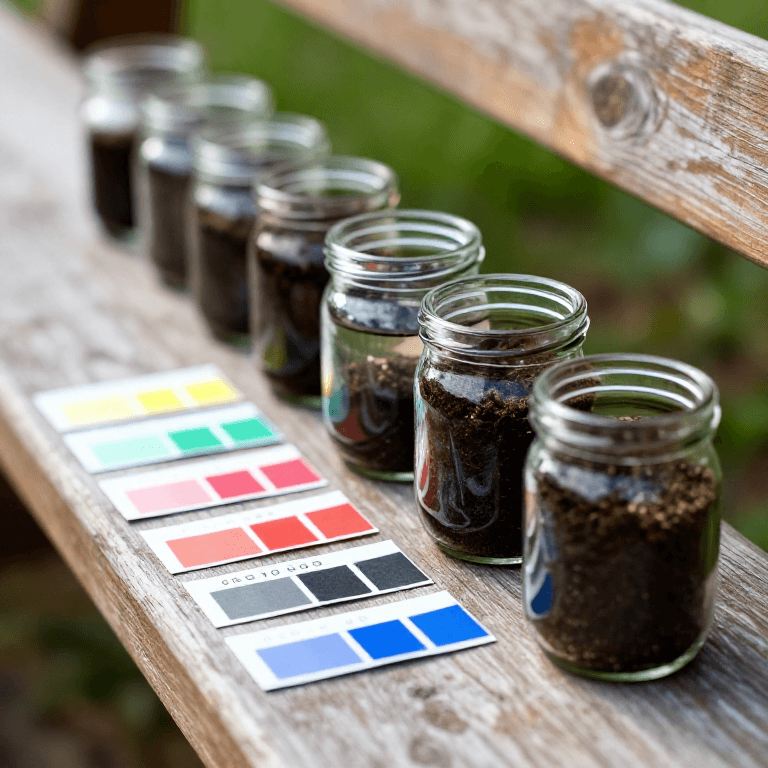
 玻璃罐2 个
 量筒1 个
所需工具:
 直尺
6
6
Fill it back in, in order
Fill it back in, in order
Return the soil in the reverse order you removed it — subsoil first, topsoil last — and tread it back firmly in layers.
Tipping the heap back mixed puts subsoil on the surface and buries the biologically active topsoil, and that patch will be visibly different for years. Photograph the clean face before you fill, with a tape in shot for scale: the photograph is the permanent record, and the hole is not.
所需工具:
平头锹卷尺相关蓝图
这些蓝图共享知识——技术、材料或原理

CC0 公共领域
此蓝图以 CC0 协议发布。你可以自由复制、修改、分发和使用此作品,无需征得许可。
通过购买蓝图中的产品支持创客,他们将获得 创客佣金 (由供应商设定),或创建此蓝图的新版本并将其作为连接包含在你自己的蓝图中以分享收入。