艺术
美容与健康
工艺
文化与历史
娱乐
环境
食品与饮料
逆向工程
科学
体育
技术
可穿戴设备
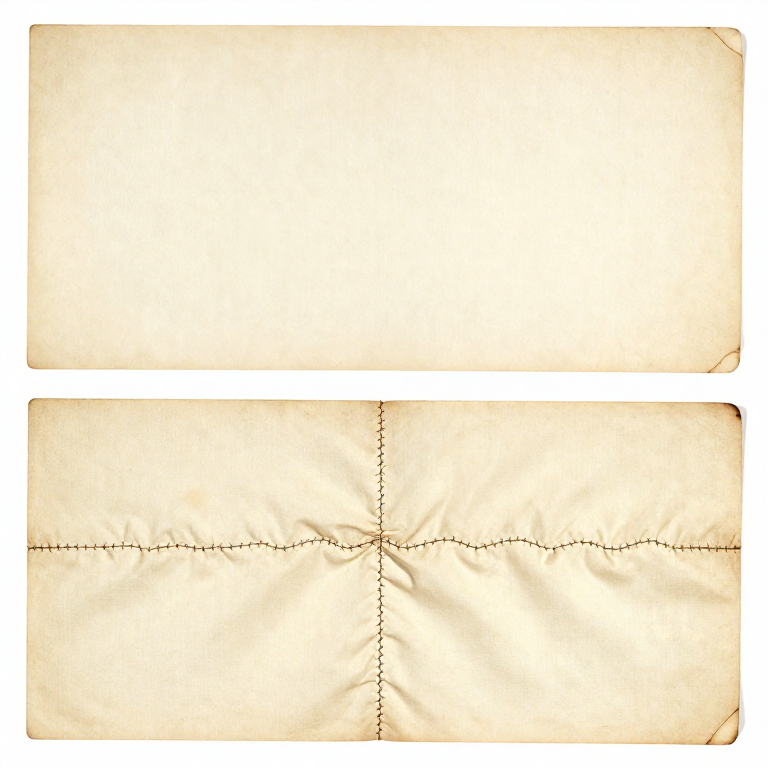


Why Hand Seams Outlive Machine Ones — And When They Do Not
A hand-sewn seam has slightly uneven stitches, and that turns out to be an advantage. Under strain the loose stitches take up first and the load spreads along the seam, while a perfectly even machine seam loads every stitch at once and fails at its weakest.
A hand seam also gives. A machine lock stitch is rigid, so on a garment that moves, the FABRIC stretches around it and tears at the stitch line — which is why old hand-sewn clothes survive and cheap modern seams split.
None of which means hand sewing is better. A machine is many times faster and perfectly adequate for most seams. It means knowing which seams deserve the hand work.
中级
3 hours
说明
1
1
Tension: the thread must not be tighter than the cloth
Tension: the thread must not be tighter than the cloth
Sew so the thread lies in the fabric rather than pulling it. Hold the work up after a few centimetres: if the seam line is gathered or wavy, the thread is tighter than the cloth.
Puckering is almost always tension, and it is permanent — pressing flattens it temporarily and it comes back with the first wash. The fix is to unpick and re-sew more loosely, which is why the unpicking rung is not a rung about failure.
Let the thread run out of the fabric naturally at the end of each stitch rather than pulling it home. The stitch should be snug against the cloth and no more.
此步骤所需材料:
 亚麻布2 个
 缝纫线1 个
所需工具:
 手缝针
手缝针 拆线器
拆线器 放大目镜
放大目镜2
2
Match the thread to the fabric, not the other way round
Match the thread to the fabric, not the other way round
The thread should be slightly WEAKER than the fabric it joins. When the seam is overloaded you want the thread to break, not the cloth to tear — a broken thread is a ten-minute repair and a torn fabric is often unrepairable.
So a heavy polyester thread in a fine cotton shirt is the wrong way round: it will outlast the cloth and cut it. Cotton thread on cotton, wool on wool, and a synthetic where the fabric is synthetic.
Fibre also decides behaviour in the wash. A cotton thread shrinks with a cotton fabric; a polyester thread does not, so a seam sewn with it in cotton puckers permanently the first time it is washed hot.
此步骤所需材料:
缝纫线1 个亚麻布1 个 棉布1 个
棉布1 个所需工具:
手缝针3
3
Fasten off so it cannot unravel
Fasten off so it cannot unravel
End a seam with two or three small backstitches on top of each other, then run the needle inside the seam allowance for a centimetre before cutting. The thread end is buried and the stitches lock.
A knot alone works loose with washing and wear, and a thread simply cut off unravels back along the seam — which is how a seam that was perfectly sound opens up from one end for no apparent reason.
Do the same at the start. Backstitching both ends of every seam costs seconds and is the single most common difference between a seam that lasts and one that quietly comes undone.
此步骤所需材料:
缝纫线1 个亚麻布2 个所需工具:
手缝针 裁布剪放大目镜
4
4
Where the hand work is worth it
Where the hand work is worth it
Hand sew where the seam must give — an armhole, a collar, anything that moves with the body. Hand sew where it must not show, which the slip stitch does and no machine can. And hand sew where the piece is too small or too awkward to feed through a machine.
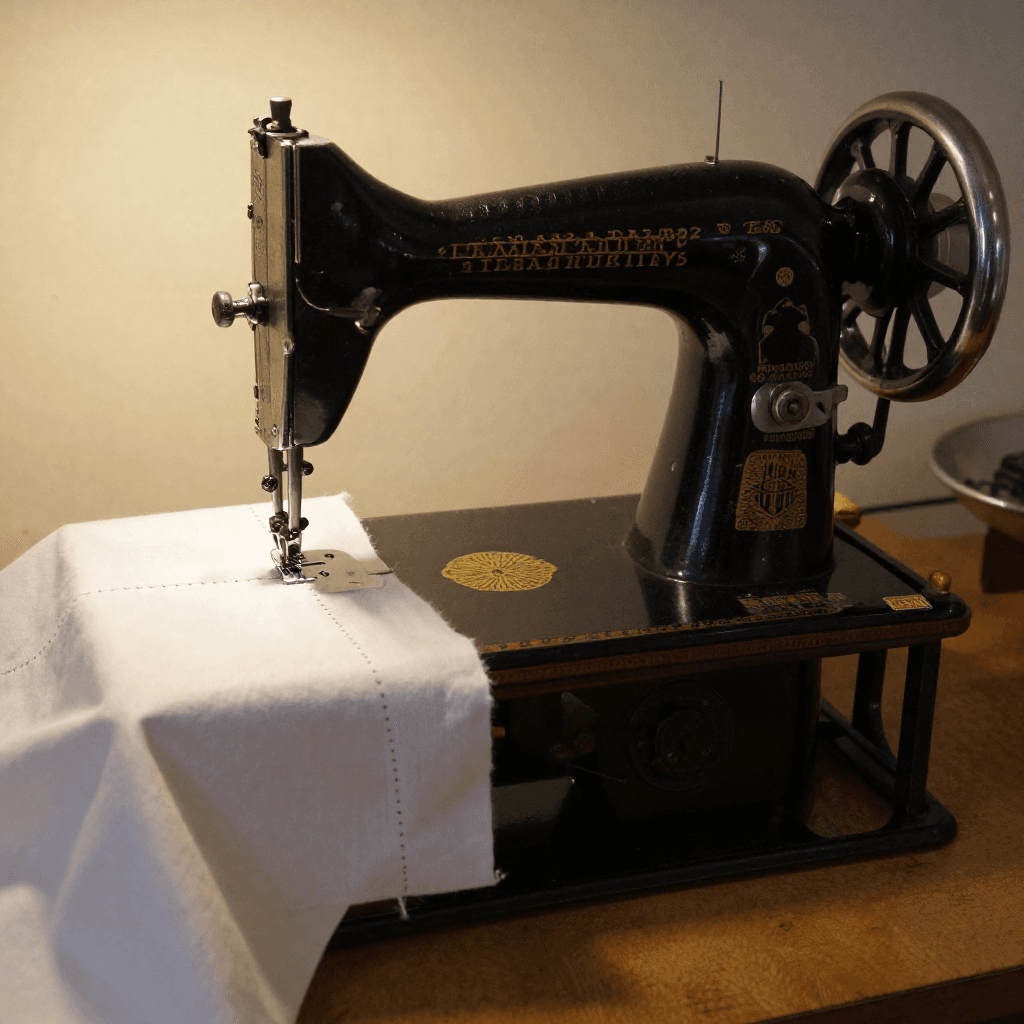
Machine the long straight structural seams. They are faster, strong enough, and nobody will ever know. The published lock-stitch blueprint is that machine, and it exists because most seams genuinely do not need a hand.
The tailoring tradition is exactly this division: machine the construction, hand sew the parts that must move, fit or be invisible. It is not nostalgia — it is each method used where its properties actually matter.
此步骤所需材料:
亚麻布2 个缝纫线1 个所需工具:
手缝针 顶针(金属)
 缝份尺
缝份尺相关蓝图
这些蓝图共享知识——技术、材料或原理
CC0 公共领域
此蓝图以 CC0 协议发布。你可以自由复制、修改、分发和使用此作品,无需征得许可。
通过购买蓝图中的产品支持创客,他们将获得 创客佣金 (由供应商设定),或创建此蓝图的新版本并将其作为连接包含在你自己的蓝图中以分享收入。