艺术
美容与健康
工艺
文化与历史
娱乐
环境
食品与饮料
逆向工程
科学
体育
技术
可穿戴设备
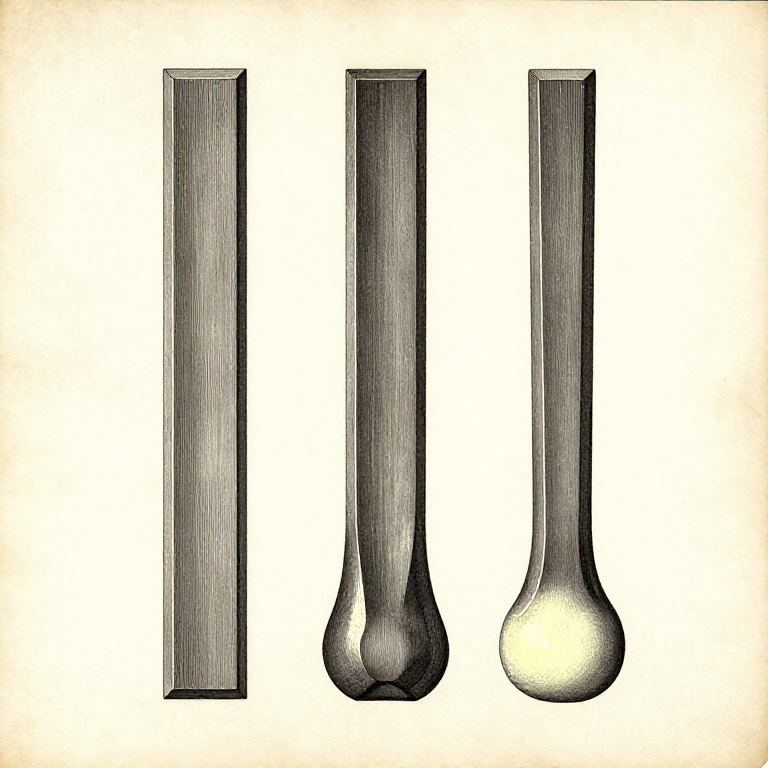


Upsetting: Making It Thicker by Making It Shorter
Upsetting is drawing out in reverse: shortening a bar to make part of it thicker. It is how you get a head on a bolt, a boss in the middle of a bar, or extra material where a joint needs it.
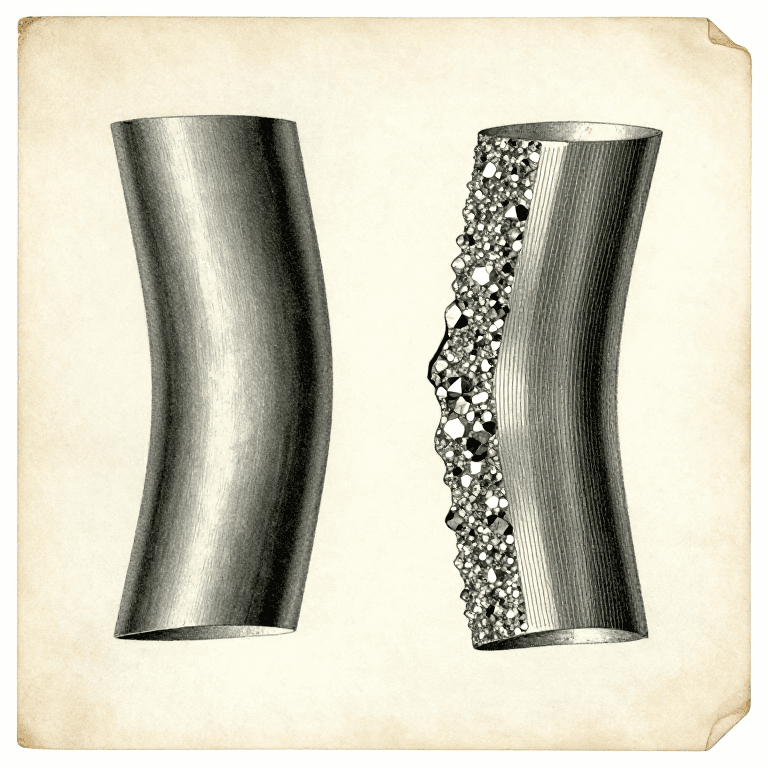
It is also the hardest basic operation, because a hot bar struck on its end wants to BUCKLE sideways rather than compress. Control that and upsetting works; lose it and you get an S-bend that has to be straightened out or cut off.
The answer is localised heat and short unsupported length — the same two levers, used deliberately.
高级
3 hours
说明
1
1
Heat ONLY the part you want to thicken
Heat ONLY the part you want to thicken
Bring a short section to a bright forging heat and leave the rest of the bar dark. Cold metal will not move, so the cold section acts as a rigid column and the deformation is confined to the hot part.
This is the heating-evenly rung used in reverse: there you were fighting uneven heat, here you are creating it on purpose. Quench the neighbouring section in water if it has picked up too much heat — a few seconds is enough.
The length of hot metal is what you are controlling. A long hot section buckles; a short one upsets. As a rule of thumb, keep the unsupported hot length under about two and a half times the bar's thickness.
此步骤所需材料:
 低碳钢条1 个
 水1 个
水1 个所需工具:
 铁匠炉
铁匠炉 铁匠钳
铁匠钳 锻造遮光护目镜
 长袖皮手套
长袖皮手套2
2
Strike along the axis, dead square
Strike along the axis, dead square
Stand the bar on end on the anvil face and strike straight down its axis, or hold it vertically and hammer the top. Every blow must be along the length of the bar, not at an angle.
An angled blow bends rather than upsets, and once a bend has started every subsequent blow makes it worse, because the bar is now a lever. Stop at the first sign of it and straighten before continuing.
For a heavy bar, reverse the method: heat the end, then drop the bar end-down onto the anvil so its own weight does the upsetting. The mass of the bar delivers far more energy than a hammer can, and it is automatically axial.
此步骤所需材料:
低碳钢条1 个所需工具:
 铁砧
铁砧 铁匠锤铁匠钳长袖皮手套
3
3
Straighten early and often
Straighten early and often
Check for straightness every few blows by sighting along the bar, and correct any bend immediately while the section is still hot.
A small bend corrected now takes two blows. The same bend after ten more upsetting blows has become a fold, and a fold in hot steel welds shut on itself and becomes a permanent internal flaw — a COLD SHUT — which is a crack waiting to open under load.
That is why upsetting is rated harder than drawing out. Drawing out forgives inattention; upsetting punishes it with a defect you often cannot see until the piece fails.
此步骤所需材料:
低碳钢条1 个所需工具:
铁砧铁匠锤 直尺
直尺 放大目镜
放大目镜4
4
Or design so you never have to
Or design so you never have to
The honest professional answer to upsetting is often to avoid it. Start with a bar thick enough for the biggest section and DRAW DOWN everything else, rather than starting thin and upsetting a lump.
That is usually less work, always more controllable, and it is what the volume arithmetic in the drawing-out rung is for: pick the stock from the thickest part of the finished piece.
Upsetting earns its place where the thick section is in the MIDDLE of a long bar, or where drawing down would waste an unreasonable amount of material. Knowing which situation you are in before lighting the fire is the real skill here.
此步骤所需材料:
低碳钢条2 个所需工具:
 计算器直尺
计算器直尺相关蓝图
这些蓝图共享知识——技术、材料或原理
CC0 公共领域
此蓝图以 CC0 协议发布。你可以自由复制、修改、分发和使用此作品,无需征得许可。
通过购买蓝图中的产品支持创客,他们将获得 创客佣金 (由供应商设定),或创建此蓝图的新版本并将其作为连接包含在你自己的蓝图中以分享收入。