KUNST
SCHÖNHEIT & WELLNESS
HANDWERK
KULTUR & GESCHICHTE
UNTERHALTUNG
UMFELD
ESSEN & GETRÄNKE
REVERSE ENGINEERING
WISSENSCHAFTEN
SPORT
TECHNOLOGIE
WEARABLES
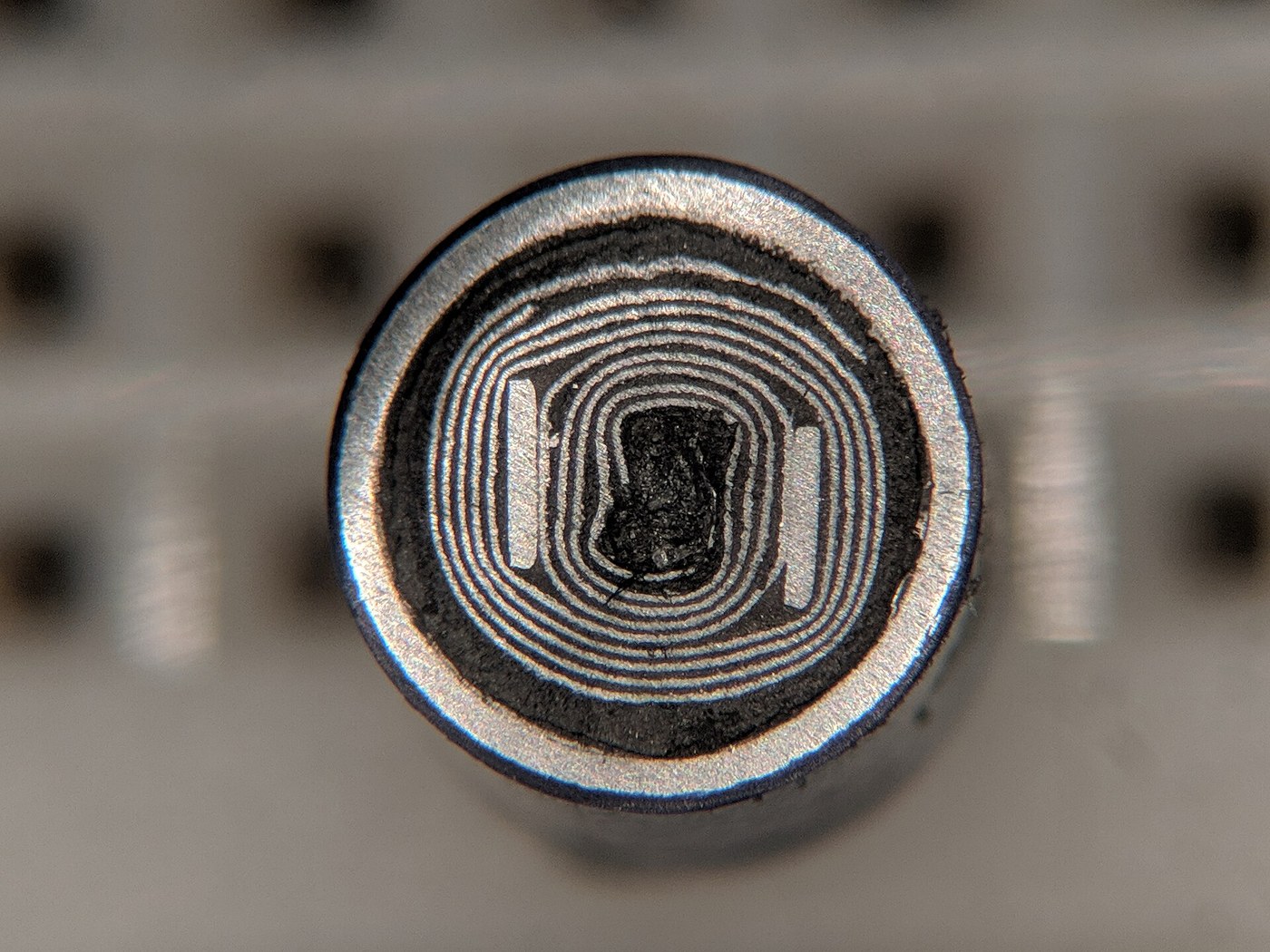


Aluminium Electrolytic Capacitors: Wound, Soaked and Sealed
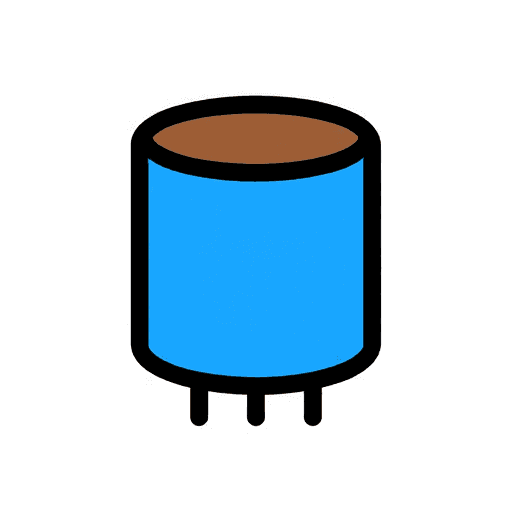
An aluminium electrolytic capacitor is two aluminium foils wound up with a paper spacer between them. The anode foil is etched rough to multiply its surface and then "formed": a voltage in an electrolytic bath grows an insulating oxide layer whose thickness follows the forming voltage, and that oxide is the dielectric. The liquid electrolyte soaked into the paper, commonly ethylene glycol with boric acid, is the real cathode; the second foil only connects to it. The foils and paper are cut to width, wound with their terminals welded on, soaked with electrolyte under vacuum, put in an aluminium can, sealed with a rubber disc by curling the can's edge, sleeved, and finally run at rated voltage in heat to heal any oxide damaged by cutting and winding.
Erfahren
Factory process
Anweisungen
1
1
Cut the foils and paper
Cut the foils and paper
Cut the etched and formed anode foil, the spacer paper and the cathode foil from their mother rolls to width.
Materialien für diesen Schritt:
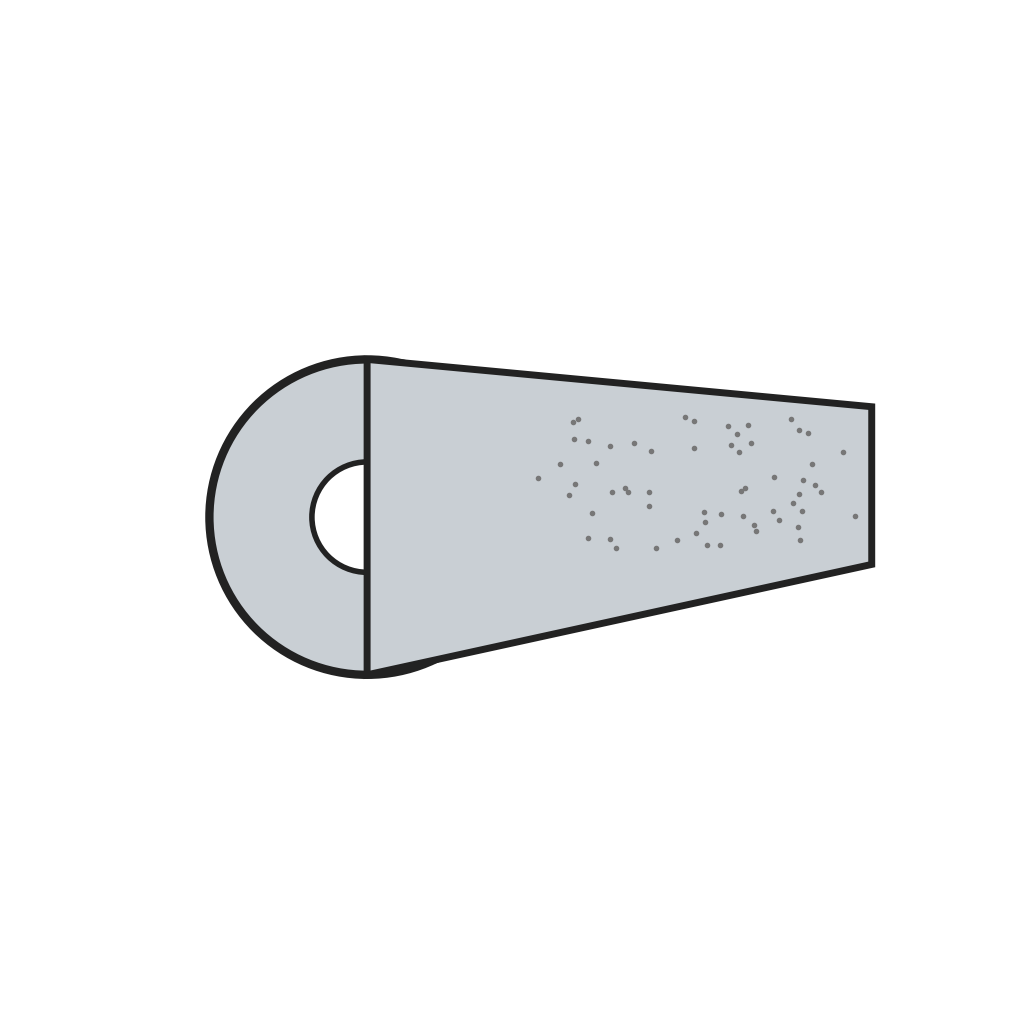 Geätzte und formierte Anodenfolie1 as required
 Aluminiumfolie1 as required
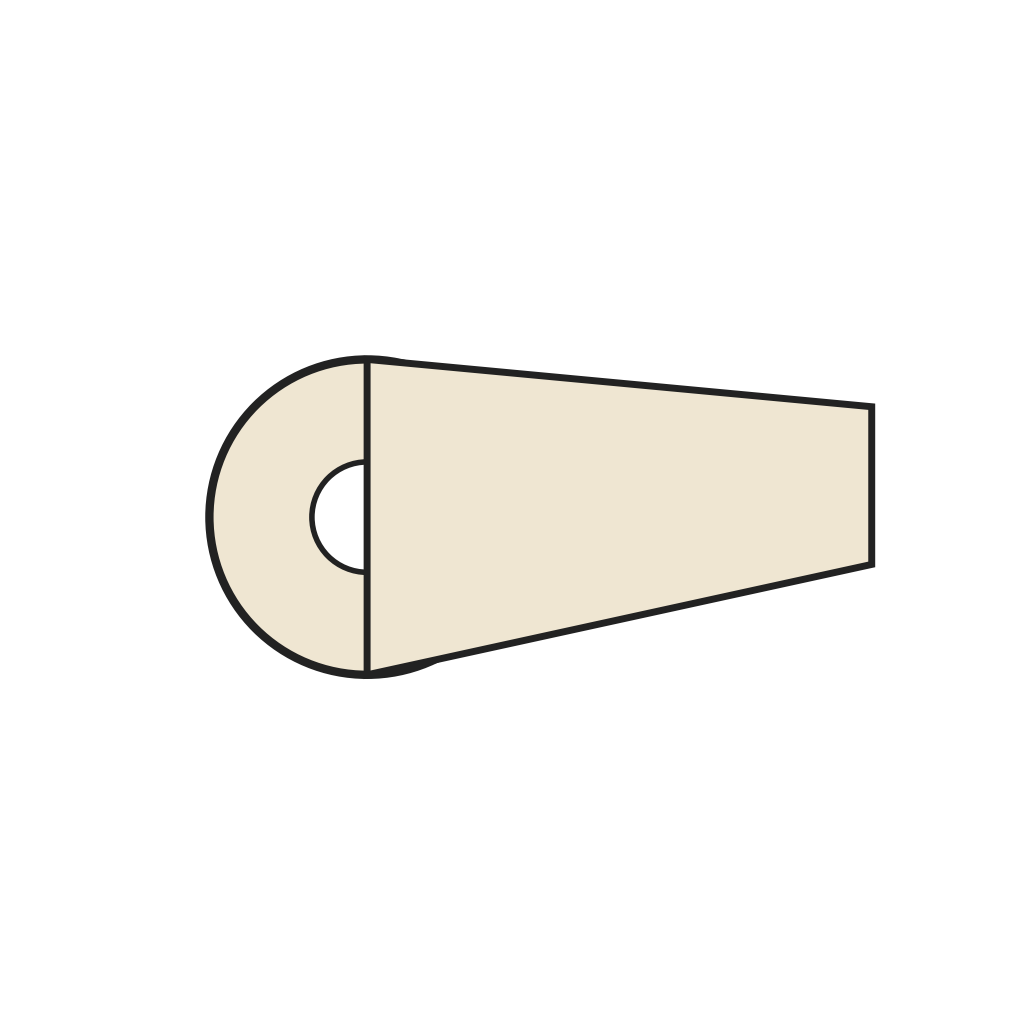 Kondensator-Separatorpapier1 as required
2
2
Wind
Wind
Weld on the terminals, wind the foils with the paper between them, and cut the winding to length.
Benötigte Werkzeuge:
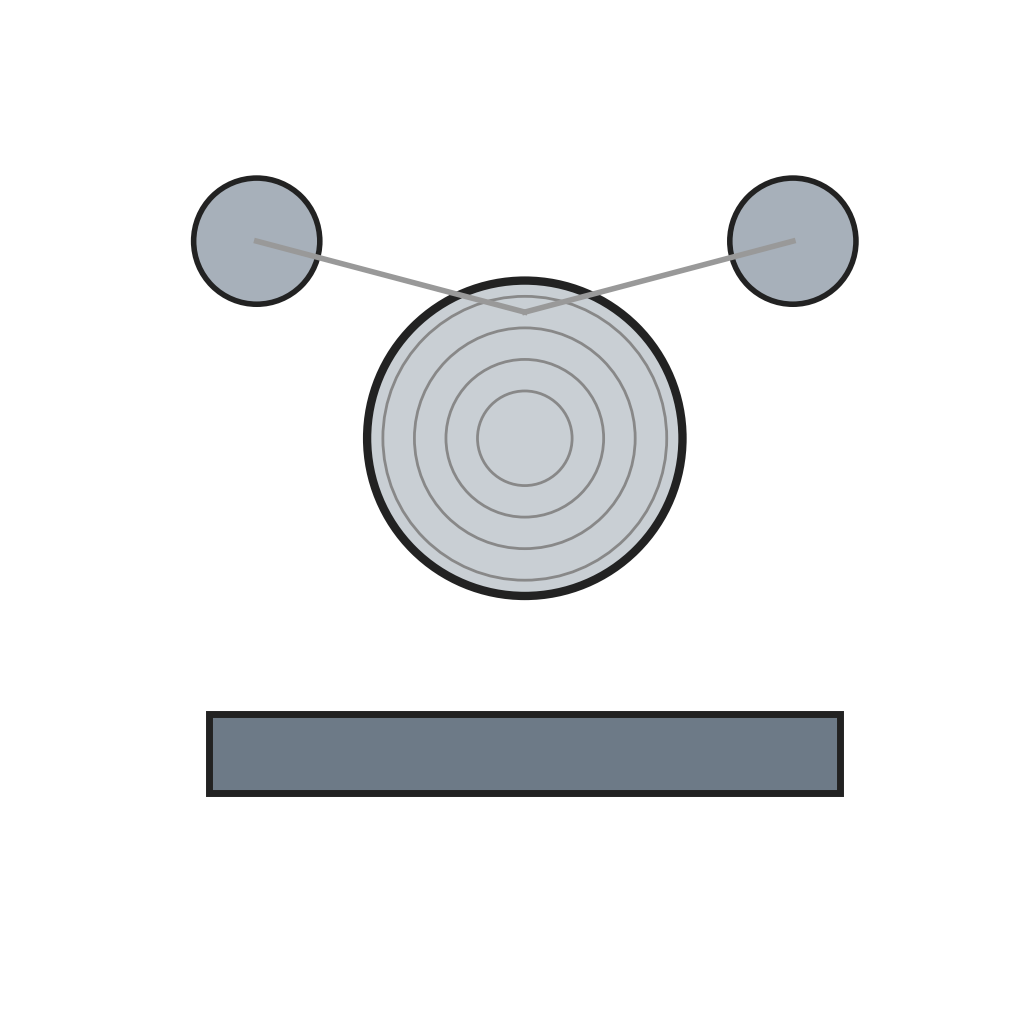 Kondensator-Wickelmaschine
3
3
Impregnate
Impregnate
Soak the winding with electrolyte under vacuum.
Materialien für diesen Schritt:
 Ethylenglykol1 as required
 Borsäure1 as required
Benötigte Werkzeuge:
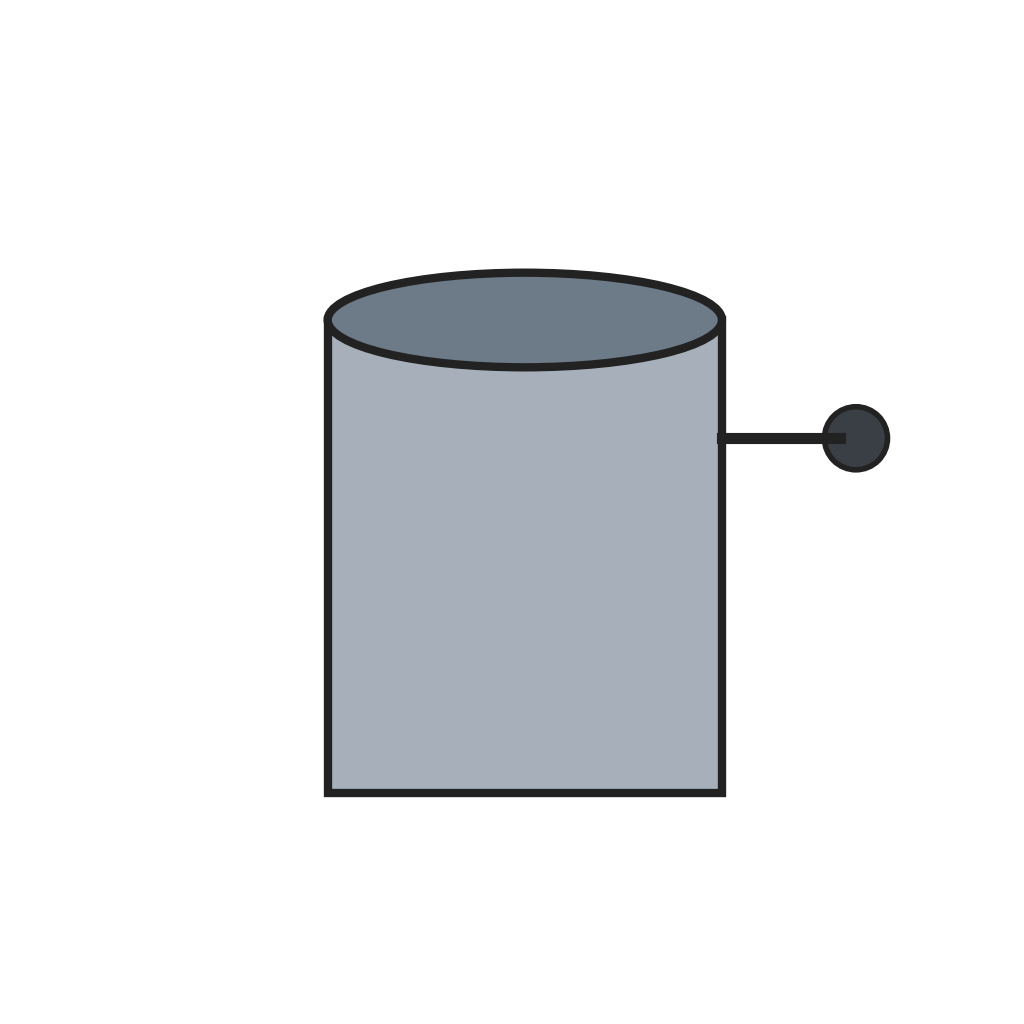 Vakuum-Imprägnierkammer
4
4
Case and seal
Case and seal
Put the winding in the aluminium can, fit the rubber sealing disc and curl the can's edge to seal it; add the insulating sleeve.
Materialien für diesen Schritt:
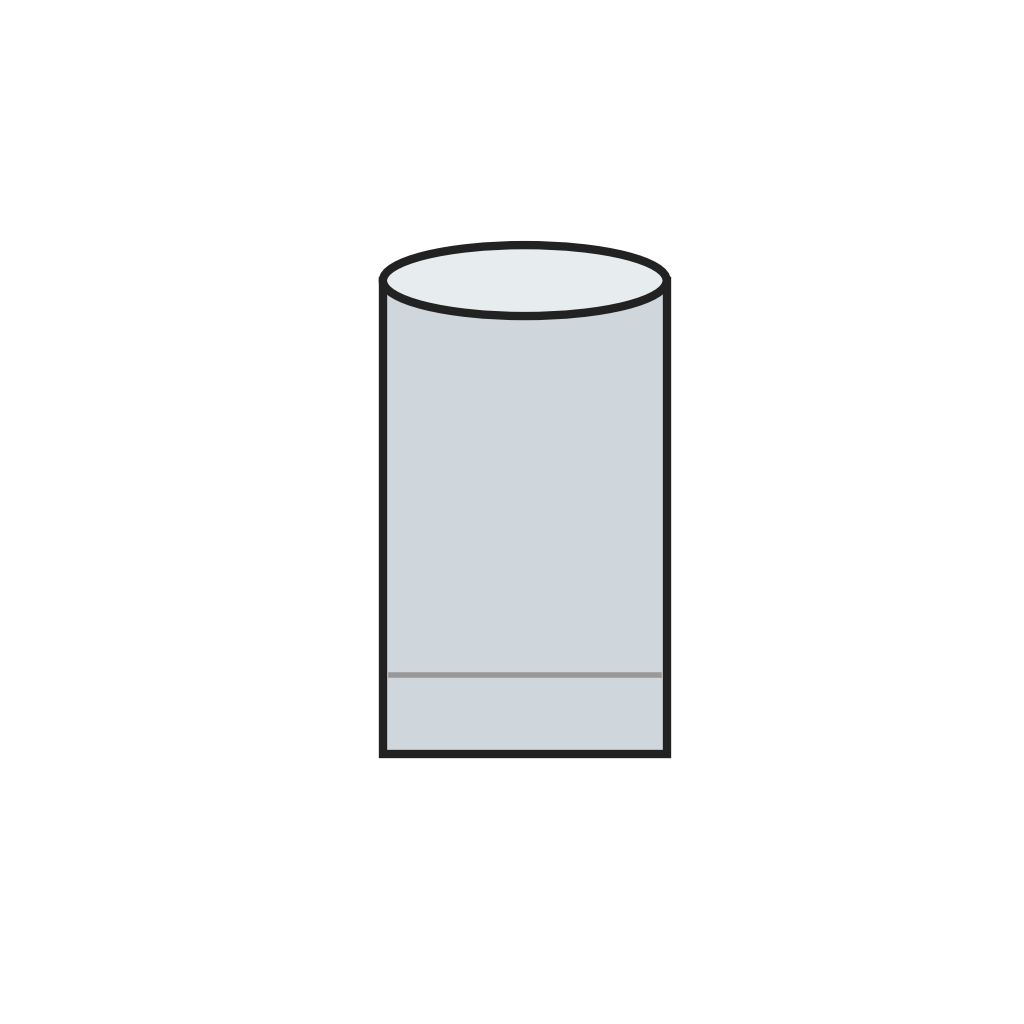 Aluminium-Kondensatorbecher1 Stück
 Gummi-Dichtscheibe1 Stück
 Schrumpfschlauch1 Stück
5
5
Post-form and test
Post-form and test
Apply rated voltage at high temperature to heal the oxide, then measure capacitance, leakage current and impedance.
Benötigte Werkzeuge:
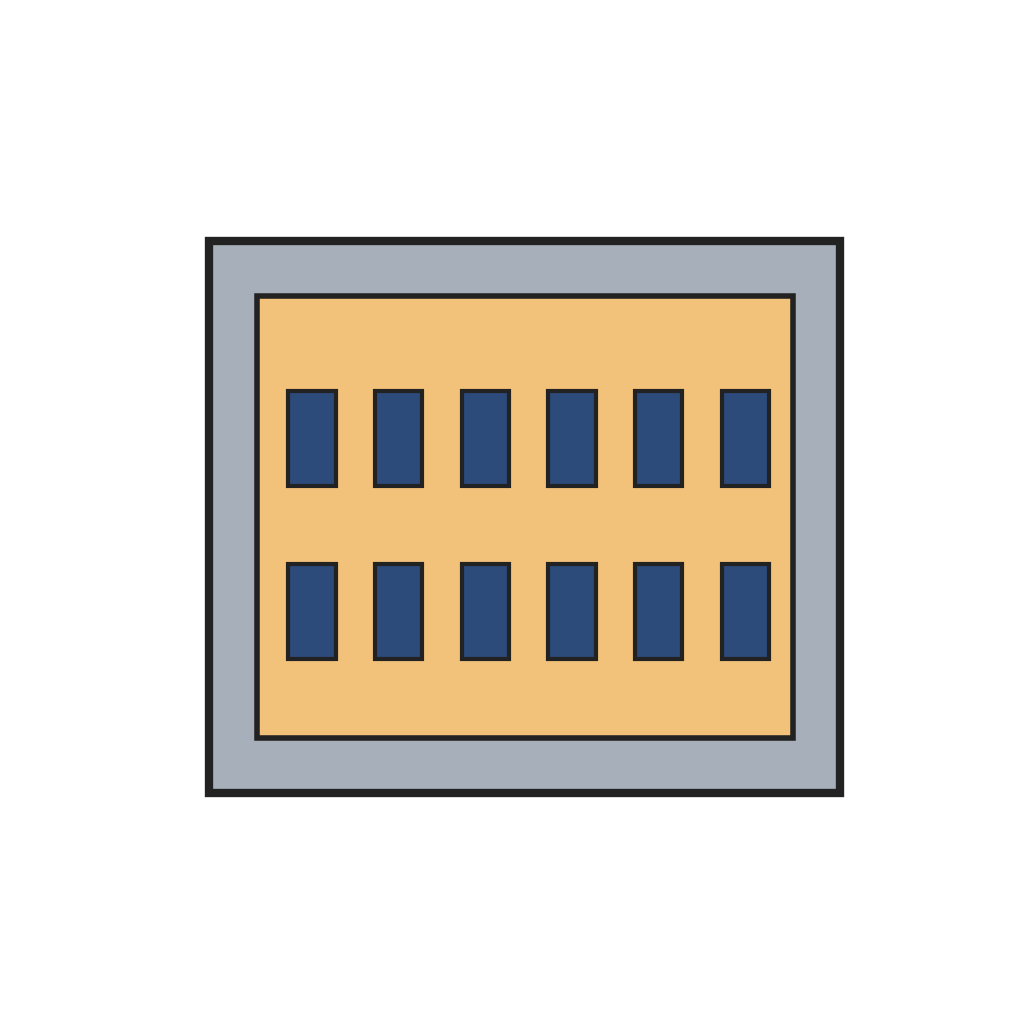 Hochtemperatur-Nachformiergestell
Materialien
8- 1 as requiredPlatzhalter
- 1 as requiredPlatzhalter
- 1 as requiredPlatzhalter
- 1 as requiredPlatzhalter
- 1 as requiredPlatzhalter
- 1 StückPlatzhalter
- 1 StückPlatzhalter
- 1 StückPlatzhalter
Benötigte Werkzeuge
3- Platzhalter
- Platzhalter
- Platzhalter
Dieser Bauplan stellt her
Verwandte Blueprints
Diese Blueprints teilen Wissen — Techniken, Materialien oder Prinzipien
CC0 Gemeinfrei
Dieser Blueprint ist unter CC0 veröffentlicht. Sie dürfen dieses Werk für jeden Zweck frei kopieren, ändern, verbreiten und verwenden, ohne um Erlaubnis zu fragen.
Unterstützen Sie den Maker, indem Sie Produkte über seinen Blueprint kaufen, wo er eine Maker-Provision von Anbietern festgelegt, verdient. Oder erstellen Sie eine neue Iteration dieses Blueprints und verbinden Sie ihn in Ihrem eigenen Blueprint, um Einnahmen zu teilen.