KUNST
SCHÖNHEIT & WELLNESS
HANDWERK
KULTUR & GESCHICHTE
UNTERHALTUNG
UMFELD
ESSEN & GETRÄNKE
REVERSE ENGINEERING
WISSENSCHAFTEN
SPORT
TECHNOLOGIE
WEARABLES
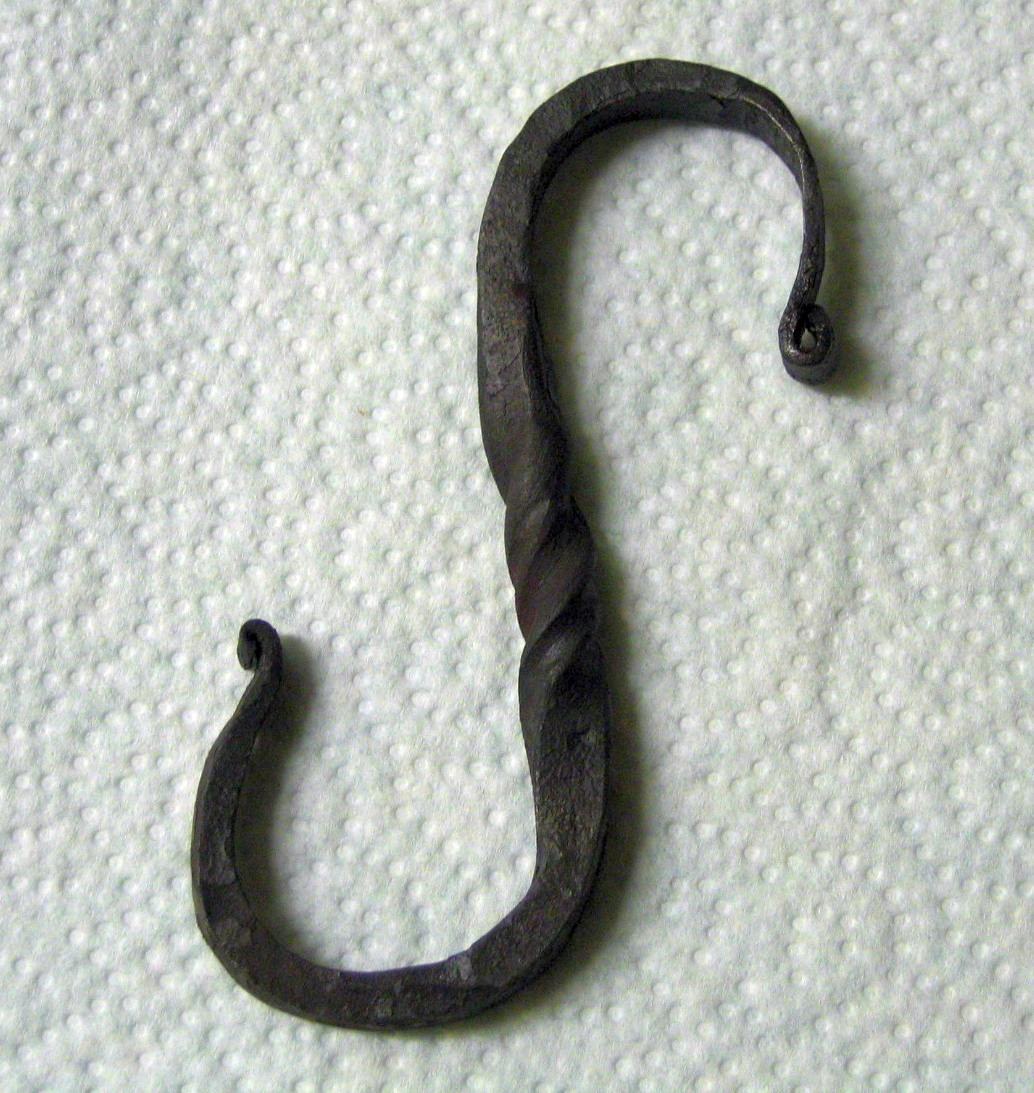


Bucket Hook: an S-Hook Bent Hot over the Anvil Horn
A bucket hangs from a tap, a pole or a crossbeam on an S-hook: one end over the support, the other through the bail. Harcourt (1920) gives it as a first forging exercise: bend one end hot over the anvil horn, then the other end the opposite way. Rod size and hook sizes are ours.
The picture: a forged S-hook (Wikimedia Commons).
Anfänger
1 hour
Anweisungen
1
1
Cut and square the stock
Cut and square the stock
Saw 200 mm of 8 mm mild steel rod and square up both ends.
Materialien für diesen Schritt:
 Rundstahl (Baustahl)200 mm
Benötigte Werkzeuge:
 Bügelsäge (Metallsäge)
 Schutzbrille
2
2
Bend the first hook
Bend the first hook
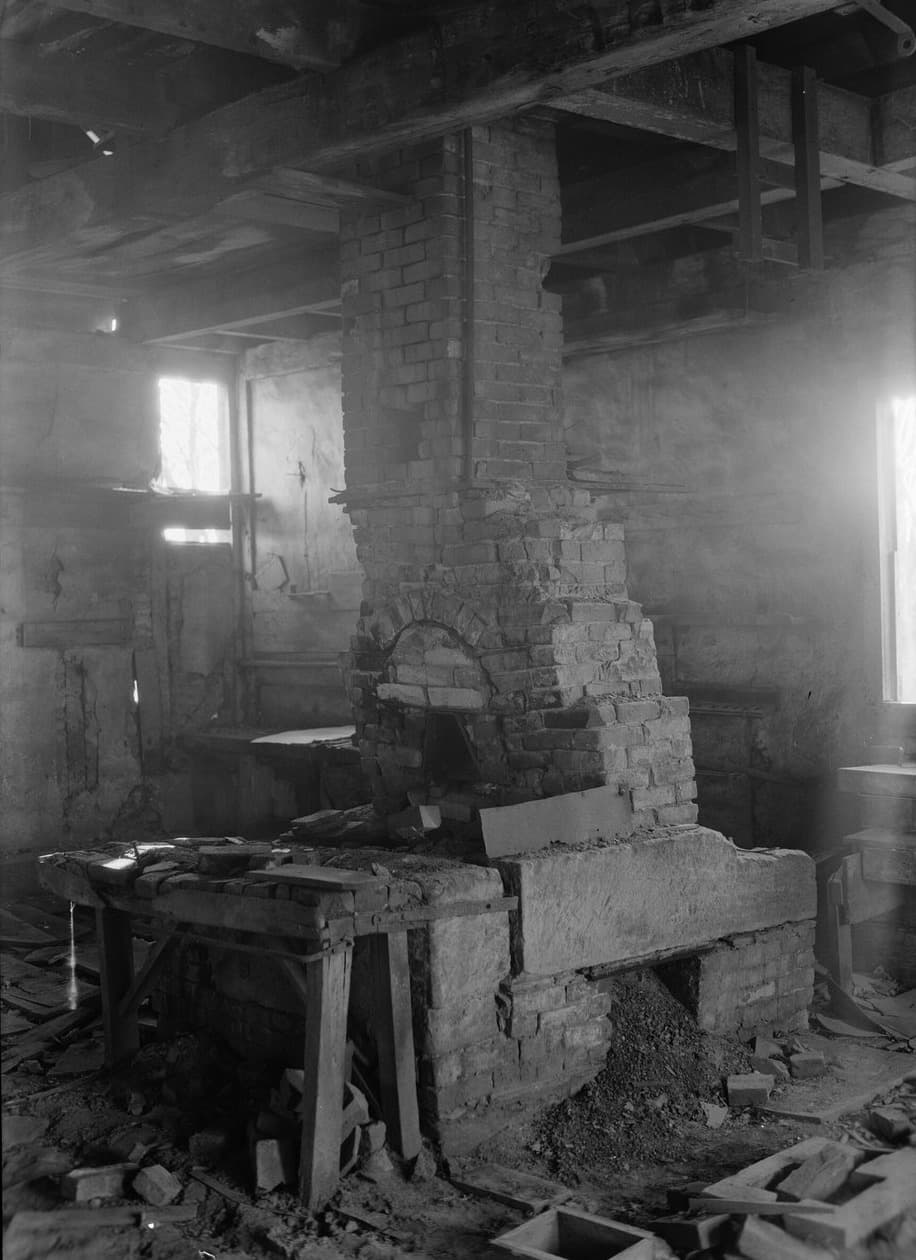
Heat about half the piece and bend one end over the anvil horn, with the blows falling on the far side of the horn. Close it to a hook that fits over the support.
Materialien für diesen Schritt:
 Holzkohle1 as required
Benötigte Werkzeuge:
 Schmiedeesse
 Amboss
 Kreuzschlaghammer
 Schmiedezange
 SchweißerhandschuheSchutzbrille
3
3
Bend the second hook
Bend the second hook
Heat the other end and bend it over the horn the same way, but in the opposite direction, to make the S. Size it to take the bucket's bail.
Benötigte Werkzeuge:
SchmiedeesseAmbossKreuzschlaghammerSchmiedezangeSchweißerhandschuhe4
4
True it up
True it up
Even out both curves so the hook is free of rough hammer marks, and let it cool in air.
Benötigte Werkzeuge:
AmbossKreuzschlaghammerSchmiedezangeDieser Bauplan stellt her

Verwandte Blueprints
Diese Blueprints teilen Wissen — Techniken, Materialien oder Prinzipien
CC0 Gemeinfrei
Dieser Blueprint ist unter CC0 veröffentlicht. Sie dürfen dieses Werk für jeden Zweck frei kopieren, ändern, verbreiten und verwenden, ohne um Erlaubnis zu fragen.
Unterstützen Sie den Maker, indem Sie Produkte über seinen Blueprint kaufen, wo er eine Maker-Provision von Anbietern festgelegt, verdient. Oder erstellen Sie eine neue Iteration dieses Blueprints und verbinden Sie ihn in Ihrem eigenen Blueprint, um Einnahmen zu teilen.