KUNST
SCHÖNHEIT & WELLNESS
HANDWERK
KULTUR & GESCHICHTE
UNTERHALTUNG
UMFELD
ESSEN & GETRÄNKE
REVERSE ENGINEERING
WISSENSCHAFTEN
SPORT
TECHNOLOGIE
WEARABLES
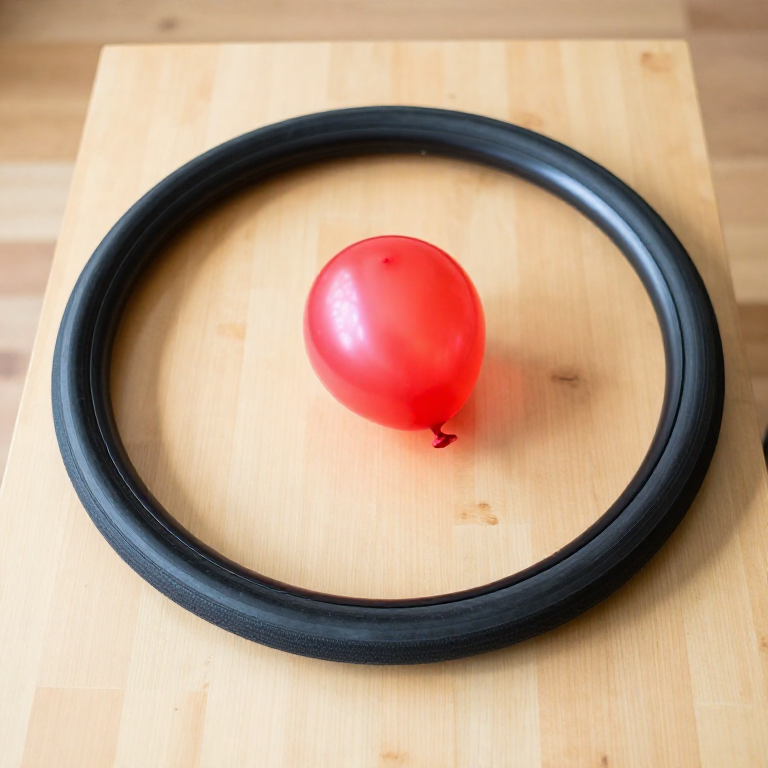


Butyl Rubber
Polyisobutylene was a soft, sticky material that could not be vulcanised - it had no double bonds left for sulphur to bridge. At Standard Oil in 1937 William Sparks and Robert Thomas added a few percent of isoprene to the isobutylene, just enough double bonds to cure it, and polymerised the mix far below freezing. The result held air better than any rubber before it, and inner tubes have been made of it ever since.
**US 2,356,128**, "Mixed olefinic polymerization process and product", Thomas and Sparks, assigned to Jasco, filed 20. October 1939, granted 22. August 1944: an isoolefin with a small amount of diolefin, polymerised below 0 °C (down to about -160 °C) with aluminium chloride; it describes "a low, controlled, chemical unsaturation, capable of being cured with sulfur".
**You measure the two properties that made its name**: it barely bounces, and it barely leaks.
Anfänger
1 hour plus a week of readings
Anweisungen
1
1
Make a butyl pad
Make a butyl pad
Cut 80 mm pieces from a bicycle inner tube and flatten them. Stack three (six walls) and tape the edges so it is about as thick as the natural rubber sheet.
Benötigte Werkzeuge:
 Schere
 Malerkrepp
 Fahrradschlauch
2
2
Drop and watch
Drop and watch
Tape a metal ruler upright beside each pad on a solid floor. Drop the steel ball from 500 mm, five times per pad, and read the top of the first bounce. Filming at eye level makes it easier.
Materialien für diesen Schritt:
 Naturkautschukplatte1 Stück
Benötigte Werkzeuge:
 Stahlkugellager
 Lineal
3
3
Inflate the leak test
Inflate the leak test
Pump the rest of the tube just until it is round - do not stretch it. Blow up a latex balloon to about the same firmness and tie it. Mark where you will measure each with tape.
Materialien für diesen Schritt:
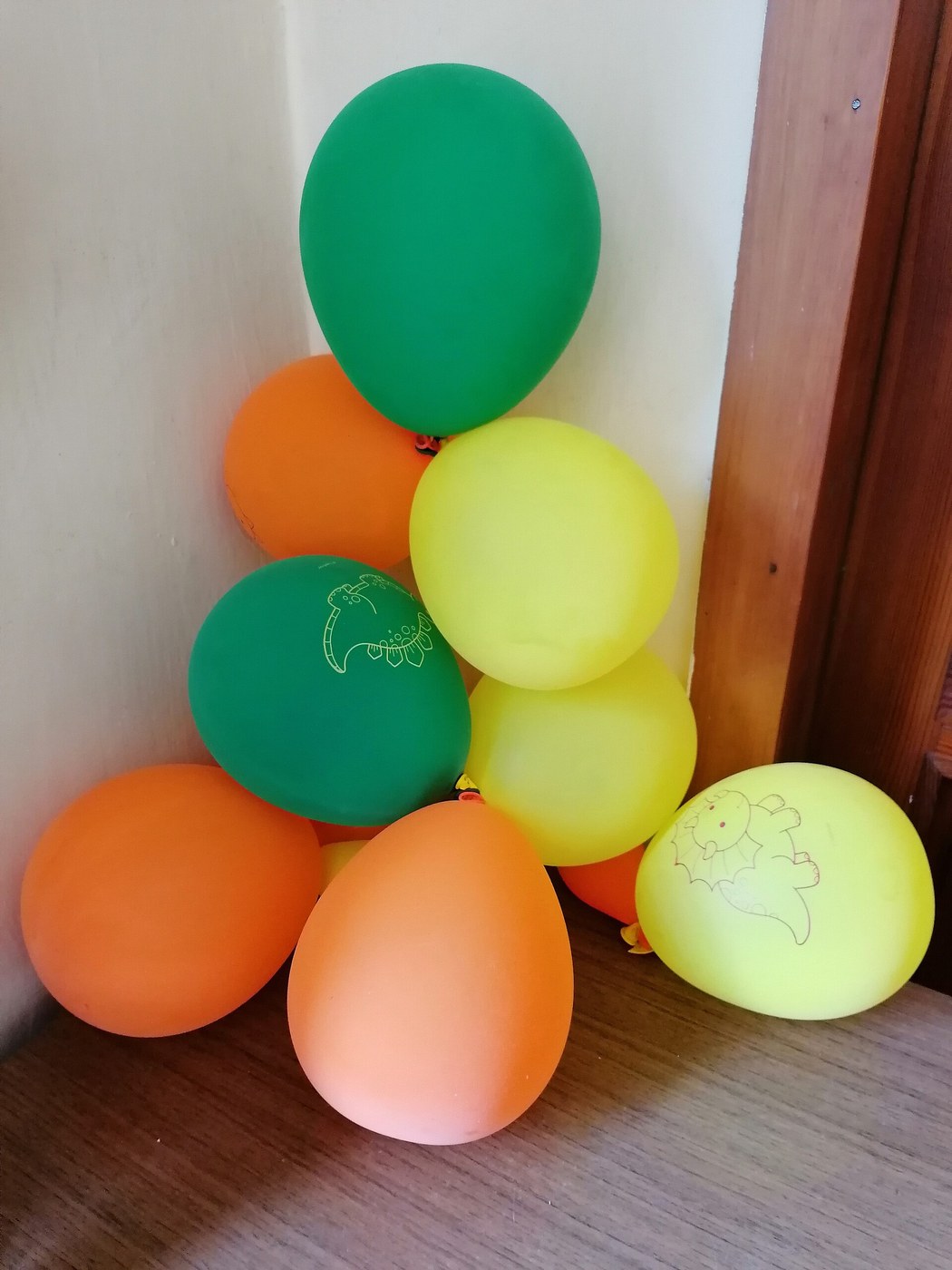 Luftballons1 Packung
Benötigte Werkzeuge:
 Fahrrad-Standpumpe
4
4
Measure for a week
Measure for a week
Each day at the same time measure the balloon round its middle and the tube round its cross-section at the mark. Note the room temperature.
Benötigte Werkzeuge:
 Bandmaß (Rollmeter)
 Raumthermometer
5
5
Bounce and leak
Bounce and leak
Jupyter-Notebook wird geladen …
6
6
History & Context
History & Context
**What the patent specifies:** isobutylene with a little conjugated diolefin, polymerised below 0 °C with aluminium chloride in an alkyl halide, then sulphur-cured. **Modern build (derived):** a commercial butyl inner tube.
Butyl became a strategic wartime rubber, then the air-holding liner inside every tubeless tyre, plus pond liners, roof membranes and engine mounts. Its limits: it is slow to vulcanise, does not bond well to other rubbers, and swells in oil and petrol.
Materialien
2- 1 StückPlatzhalter
- 1 PackungPlatzhalter
Benötigte Werkzeuge
8- Platzhalter
- Platzhalter
- Platzhalter
- Platzhalter
- Platzhalter
- Platzhalter
- 1 vendor sell this, none ship to you yetPlatzhalter
- Platzhalter
Verwandte Blueprints
Diese Blueprints teilen Wissen — Techniken, Materialien oder Prinzipien


CC0 Gemeinfrei
Dieser Blueprint ist unter CC0 veröffentlicht. Sie dürfen dieses Werk für jeden Zweck frei kopieren, ändern, verbreiten und verwenden, ohne um Erlaubnis zu fragen.
Unterstützen Sie den Maker, indem Sie Produkte über seinen Blueprint kaufen, wo er eine Maker-Provision von Anbietern festgelegt, verdient. Oder erstellen Sie eine neue Iteration dieses Blueprints und verbinden Sie ihn in Ihrem eigenen Blueprint, um Einnahmen zu teilen.