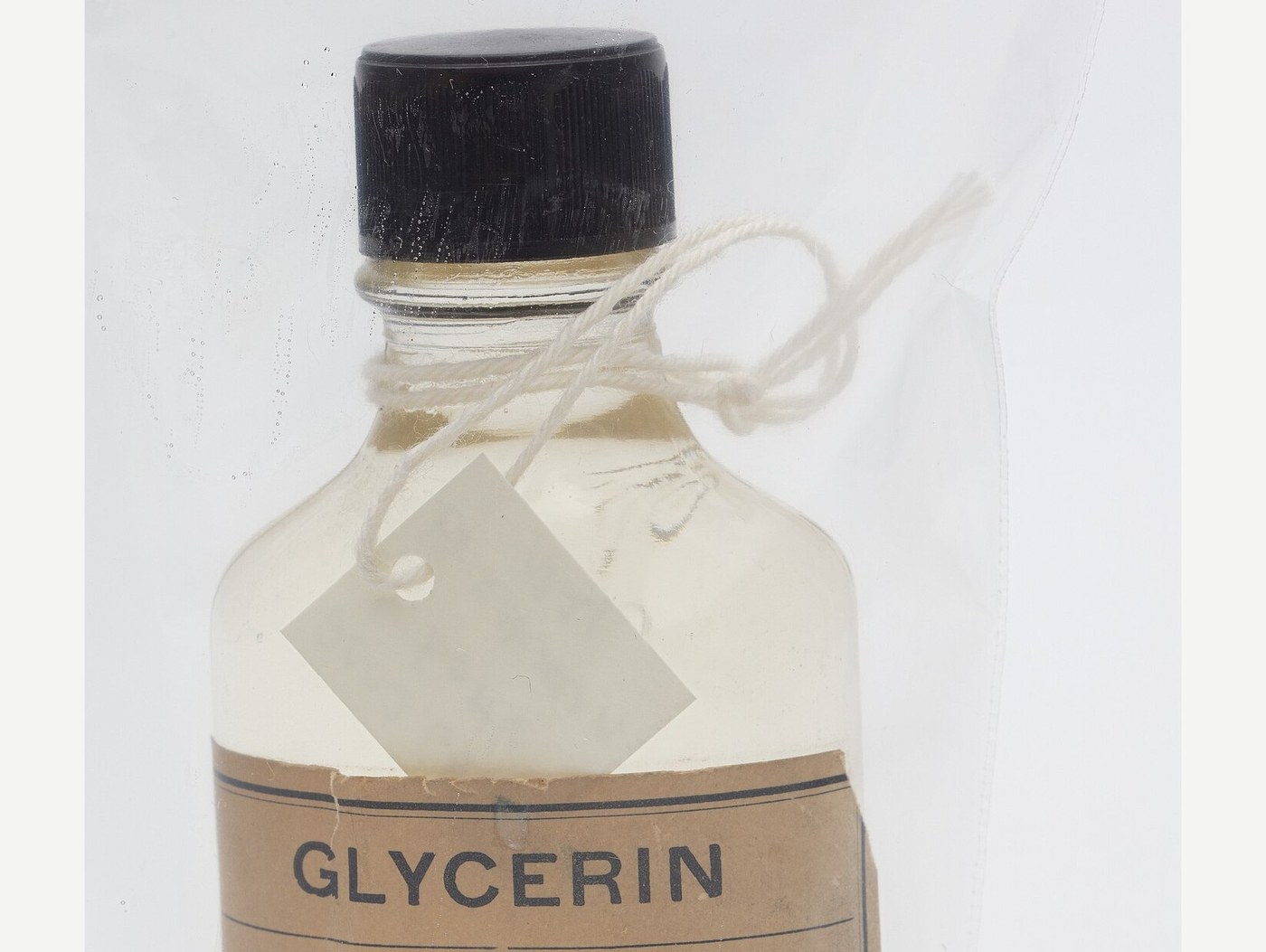


Glycerin from Candle-Works Sweet Water: Cap's Process
Anweisungen
Boil down the sweet water
Boil down the sweet water
Materialien für diesen Schritt:
 Glycerinwasser1 as required
 Steinkohle1 as required
Benötigte Werkzeuge:
 Siedepfanne
 Ziegelofen
Find how much lime it holds
Find how much lime it holds
Benötigte Werkzeuge:
 Ammoniumoxalat
 Filterpapier
 Schmelztiegel aus Schamotte
 Balkenwaage
Throw the lime down with sulfuric acid
Throw the lime down with sulfuric acid
Materialien für diesen Schritt:
 Schwefelsäure1 as required
Benötigte Werkzeuge:
 Bütte
 Chemikalienschutzbrille
 Gummihandschuhe
Boil it out of contact with air, to 14° Twaddell
Boil it out of contact with air, to 14° Twaddell
Materialien für diesen Schritt:
Steinkohle1 as requiredBenötigte Werkzeuge:
Bütte HolzpaddelZiegelofen
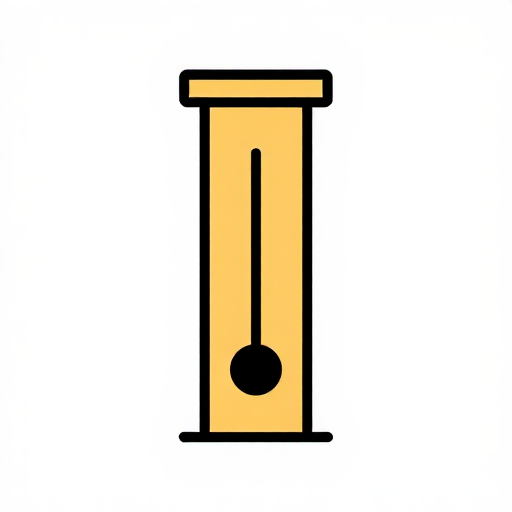 Spindel (Aräometer)
Neutralise any excess acid with chalk
Neutralise any excess acid with chalk
Materialien für diesen Schritt:
 Calciumcarbonat - gebrochener Kalkstein1 as required
Benötigte Werkzeuge:
 LackmuspapierHolzpaddel
Boil on to 37.5° and filter
Boil on to 37.5° and filter
Materialien für diesen Schritt:
Steinkohle1 as requiredBenötigte Werkzeuge:
BütteHolzpaddelZiegelofenSpindel (Aräometer) Sieb
Reduce to 49°, filtering again if needed
Reduce to 49°, filtering again if needed
Materialien für diesen Schritt:
Steinkohle1 as requiredBenötigte Werkzeuge:
SiedepfanneZiegelofenSpindel (Aräometer)SiebClear it through bone black
Clear it through bone black
Benötigte Werkzeuge:
 KnochenschwarzSieb
Concentrate to 51° Twaddell
Concentrate to 51° Twaddell
Materialien für diesen Schritt:
Steinkohle1 as requiredBenötigte Werkzeuge:
SiedepfanneZiegelofenSpindel (Aräometer)Cap's readings as specific gravity
Cap's readings as specific gravity
Troubleshooting
Troubleshooting
Flow
History and honest limits
History and honest limits
Materialien
4- 1 as requiredPlatzhalter
- 1 as requiredPlatzhalter
- 1 as requiredPlatzhalter
- 1 as requiredPlatzhalter
Benötigte Werkzeuge
14- Platzhalter
- Platzhalter
- Platzhalter
- Platzhalter
- Platzhalter
- Platzhalter
- Platzhalter
- Platzhalter
- Platzhalter
- Platzhalter
- Platzhalter
- Platzhalter
- Platzhalter
- Platzhalter
Dieser Bauplan stellt her

Verwandte Blueprints
Diese Blueprints teilen Wissen — Techniken, Materialien oder Prinzipien
CC0 Gemeinfrei
Dieser Blueprint ist unter CC0 veröffentlicht. Sie dürfen dieses Werk für jeden Zweck frei kopieren, ändern, verbreiten und verwenden, ohne um Erlaubnis zu fragen.
Unterstützen Sie den Maker, indem Sie Produkte über seinen Blueprint kaufen, wo er eine Maker-Provision von Anbietern festgelegt, verdient. Oder erstellen Sie eine neue Iteration dieses Blueprints und verbinden Sie ihn in Ihrem eigenen Blueprint, um Einnahmen zu teilen.