
Zusammenarbeit
KUNST
SCHÖNHEIT & WELLNESS
HANDWERK
KULTUR & GESCHICHTE
UNTERHALTUNG
UMFELD
ESSEN & GETRÄNKE
REVERSE ENGINEERING
WISSENSCHAFTEN
SPORT
TECHNOLOGIE
WEARABLES
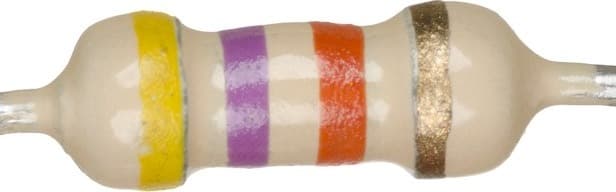
Carbon Film Resistors: Methane Cracked on Ceramic Rods, Helixed and Varnished (Bell Labs 1951)
Ed

Erstellt von

Ed

2. November 2026FI
6
0
0
0
0

Carbon Film Resistors: Methane Cracked on Ceramic Rods, Helixed and Varnished (Bell Labs 1951)

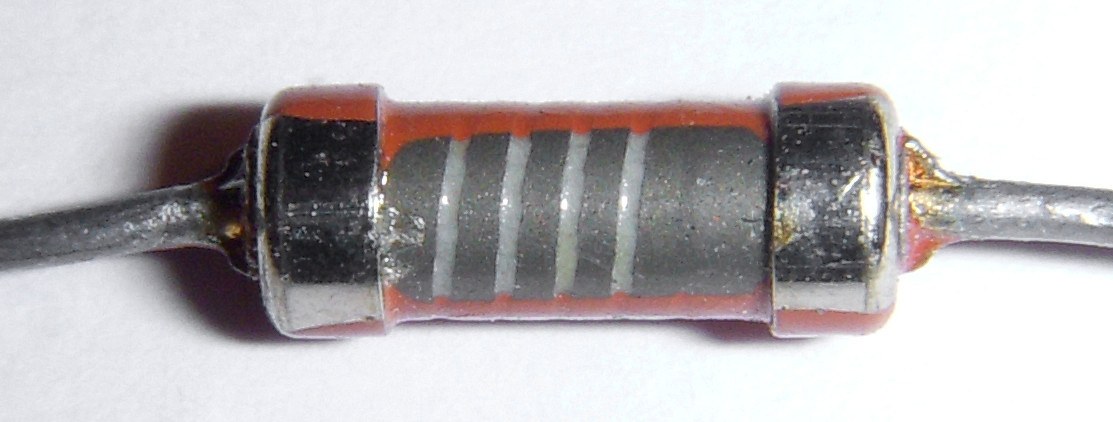
Ceramic rods tumble in a hot, gas-tight rotating furnace while methane cracks on them and leaves a thin, hard film of carbon. The coated rods get conducting ends, a helix ground through the film to bring them near their value, a light rub to the exact value, and a coat of baking varnish. Result: carbon film resistors adjusted to as close as ±0.5 %. The helix alone can raise a rod's resistance by any factor from about 10 to about 8000. Source: Grisdale, Pfister and van Roosbroeck, Pyrolytic Film Resistors, Bell System Technical Journal 30 (1951). Unknown: the ceramic of the rods, the end caps and leads, and which baking varnish; the paper does not give them. Picture: Wikimedia Commons.
Erfahren
2 days

Anweisungen

1

Load the furnace

Load cylindrical ceramic rods into the gas-tight refractory core of a rotating (or rocking) batch furnace, with silica sand to support the rods and keep them from damage as they tumble. Unknown: which ceramic.

Materialien für diesen Schritt:

Isolierender WiderstandskernIsolierender Widerstandskern1 batch

Benötigte Werkzeuge:
DrehtrommelofenDrehtrommelofen
QuarzsandQuarzsand
2

Heat under nitrogen

Turn the core and bring it to temperature, usually about 975 to 1300 °C, flushing it with nitrogen before any hydrocarbon goes in.

Benötigte Werkzeuge:

DrehtrommelofenDrehtrommelofen
StickstoffStickstoff
3

Crack the methane

When the temperature is steady, let in the coating gas and keep it flowing for the time needed. The film grows at a steady rate: at 1000 °C and 30 % methane the paper runs from 0.2 to 10 hours. Longer gives a thicker film of lower resistance; temperature sets the rate more than anything else, and more methane deposits faster.

Materialien für diesen Schritt:

MethanMethan1 flow

Benötigte Werkzeuge:

DrehtrommelofenDrehtrommelofen
4

Cool under nitrogen

Shut off the methane and let the core cool while oxygen-free nitrogen keeps flowing. The films come out clean, even and firmly stuck.

Benötigte Werkzeuge:

DrehtrommelofenDrehtrommelofen
StickstoffStickstoff
5

Terminate the ends

Paint the ends of each coated rod with a water suspension of colloidal graphite (Aquadag), then burnish and bake it; this suits all but low-value resistors. Fit the end caps with their leads. Unknown: the caps and leads, which the paper does not describe. Ours: an agate burnisher and an oven.

Materialien für diesen Schritt:

Kolloidaler GraphitKolloidaler Graphit1 as required
Widerstandskappen mit AnschlussdrähtenWiderstandskappen mit Anschlussdrähten2 per resistor

Benötigte Werkzeuge:
AchatpoliersteinAchatpolierstein
BackofenBackofen
6

Grind the helix

Grind a helical groove through the film with a water-cooled, metal-bonded diamond wheel, the blank floating against the wheel so the groove stays even. Pick the pitch to land slightly below the wanted value (330 Ω, 10 kΩ or any other). The groove must be smooth: cracks into the carbon ribbon bring noise and drift.

Benötigte Werkzeuge:

Wendelschneidmaschine für WiderständeWendelschneidmaschine für Widerstände
7

Rub to value and varnish

Turn the resistor while measuring it continuously, and rub its whole surface lightly with a cotton pad wet with an organic solvent until it reaches its value. Leave it just below tolerance, then give it one or more coats of baking varnish, which raises the resistance by generally less than 1 %. Unknown: which varnish and its baking. Ours: acetone as the solvent, a Wheatstone bridge to measure.

Materialien für diesen Schritt:

EinbrennlackEinbrennlack1 as required

Benötigte Werkzeuge:
Wheatstonesche MessbrückeWheatstonesche Messbrücke
VerbandwatteVerbandwatte
AcetonAceton
BackofenBackofen

Materialien

5

Benötigte Werkzeuge

9

Verwandte Blueprints

Diese Blueprints teilen Wissen — Techniken, Materialien oder Prinzipien
CC0 Gemeinfrei

Dieser Blueprint ist unter CC0 veröffentlicht. Sie dürfen dieses Werk für jeden Zweck frei kopieren, ändern, verbreiten und verwenden, ohne um Erlaubnis zu fragen.

Unterstützen Sie den Maker, indem Sie Produkte über seinen Blueprint kaufen, wo er eine Maker-Provision von Anbietern festgelegt, verdient. Oder erstellen Sie eine neue Iteration dieses Blueprints und verbinden Sie ihn in Ihrem eigenen Blueprint, um Einnahmen zu teilen.

Diskussion

(0)

Anmelden um an der Diskussion teilzunehmen

Kommentare werden geladen...