KUNST
SCHÖNHEIT & WELLNESS
HANDWERK
KULTUR & GESCHICHTE
UNTERHALTUNG
UMFELD
ESSEN & GETRÄNKE
REVERSE ENGINEERING
WISSENSCHAFTEN
SPORT
TECHNOLOGIE
WEARABLES
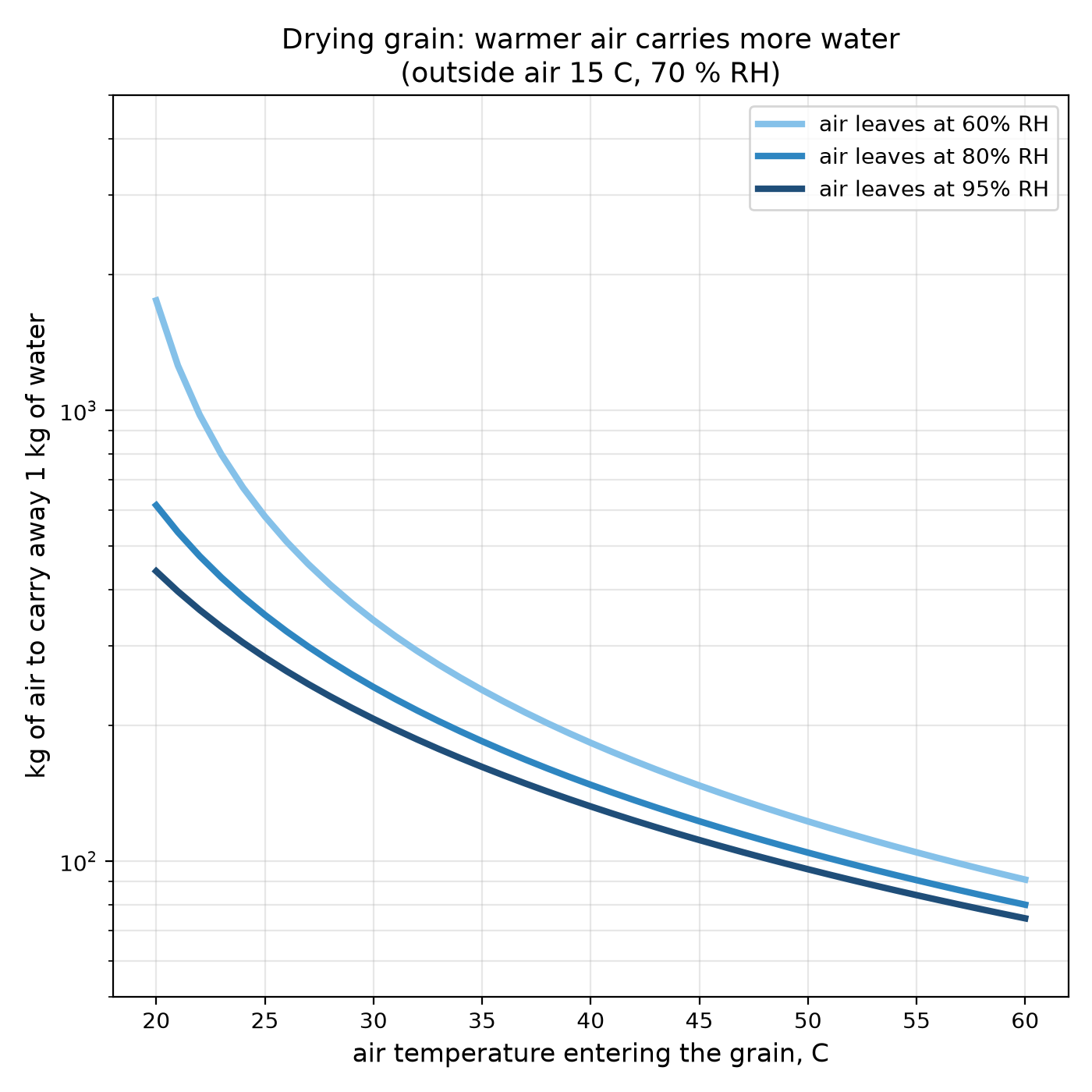
Youblob (generated from this blueprint's notebook) · CC0

Drying Grain for Storage: Warm Air That Carries the Water Away
Grain harvested damp heats, moulds and spoils in the bin. Left to dry in the field it shatters and is lost. Drying brings it down to a moisture at which it keeps — the figure storage guidance gives for the crop and the length of storage, commonly around 13–14 % (wet basis) for wheat — by blowing air through it, warmed so that it can carry more water.
Everything about a dryer follows from two calculations: how much water must go, and how much it takes each kilogram of air to carry it. The air's temperature and humidity decide both how far the grain can dry and how much fuel it costs.
This rung works out the water to remove, the air and heat it needs, and dries a batch of wetted wheat on the bench, weighing it as it goes.
Fortgeschritten
About 5 hours
Anweisungen
1
1
Water to remove, air and heat to remove it
Water to remove, air and heat to remove it
Jupyter-Notebook wird geladen …
2
2
Measure the air first
Measure the air first
Drying depends on the air's temperature and humidity. The embedded blueprint builds the instrument that measures both; use it on the air going in and coming out.
3
3
Wet a batch of wheat to a known moisture
Wet a batch of wheat to a known moisture
Find the moisture of your wheat berries first: weigh 20 g into a dish, dry it in the oven at about 105 °C and reweigh every hour until the mass stops falling. The loss divided by the starting mass is its moisture, wet basis. (This is a simple reference, not an official grain-moisture method.)
Weigh 1 kg of the wheat into a jar. Work out the water to add to bring it to 20 % wet basis — the dry matter stays fixed, so the target wet mass is dry mass ÷ 0.80. Add the water, seal the jar, shake it, and leave it overnight so the kernels take it up.
Materialien für diesen Schritt:
 Weizenkörner2 kilogram
 Wasser1 Liter
Benötigte Werkzeuge:
 Digitale Küchenwaage
 Einmachglas
 Stoppuhr
4
4
Dry it and follow the curve
Dry it and follow the curve
Make a drying box: a plywood box open at the top, with a mesh screen floor 50 mm above its base and a side inlet below the mesh. Blow air in with the box fan through a cardboard duct, with the heat gun on its lowest setting aimed into the duct. Keep the air under the mesh below 50 °C — check with the thermometer — so the heat gun is never near the grain.
Spread the damp wheat on the mesh 50 mm deep. Weigh the whole box every 15 minutes. From the fixed dry matter, work out the moisture at each weighing and plot it against time. Read the psychrometer on the air entering and leaving: at first the outgoing air is cool and humid; as the grain nears dryness it leaves warmer and drier, and drying slows. Stop at 14 %.
Materialien für diesen Schritt:
 Drahtgewebe1 Stück
 Sperrholzplatte1 Stück
 Wellpappebogen1 Stück
Benötigte Werkzeuge:
 Kastenventilator (stufenlos)
 Heißluftpistole
 Küchenthermometer
 HandanemometerDigitale KüchenwaageStoppuhr
 Akkubohrschrauber
5
5
A drying batch that is not drying well
A drying batch that is not drying well
Grain drying problems and what they point to.
Flow
Loading...
6
6
Context and honest limits
Context and honest limits
Drying grain with forced air replaced drying it standing in stooks, and made combining possible in damp climates. On-farm bins with a perforated floor and a fan, with or without heat, and continuous-flow dryers work by the same balance.
**Honest limits.** The notebook assumes the air leaves at a fixed humidity; in a real bin it changes as the drying front moves. The safe storage moisture depends on the crop, the temperature and how long it is kept — use local guidance, not the notebook. Grain dryers carry a fire risk from dust and chaff; never leave a heated dryer unattended.
Materialien
5- 2 kilogramPlatzhalter
- 1 LiterPlatzhalter
- 1 StückPlatzhalter
- 1 StückPlatzhalter
- 1 StückPlatzhalter
Benötigte Werkzeuge
8- Platzhalter
- Platzhalter
- Platzhalter
- Platzhalter
- 1 vendor sell this, none ship to you yetPlatzhalter
- Platzhalter
- Platzhalter
- 1 vendor sell this, none ship to you yetPlatzhalter
Verwandte Blueprints
Diese Blueprints teilen Wissen — Techniken, Materialien oder Prinzipien
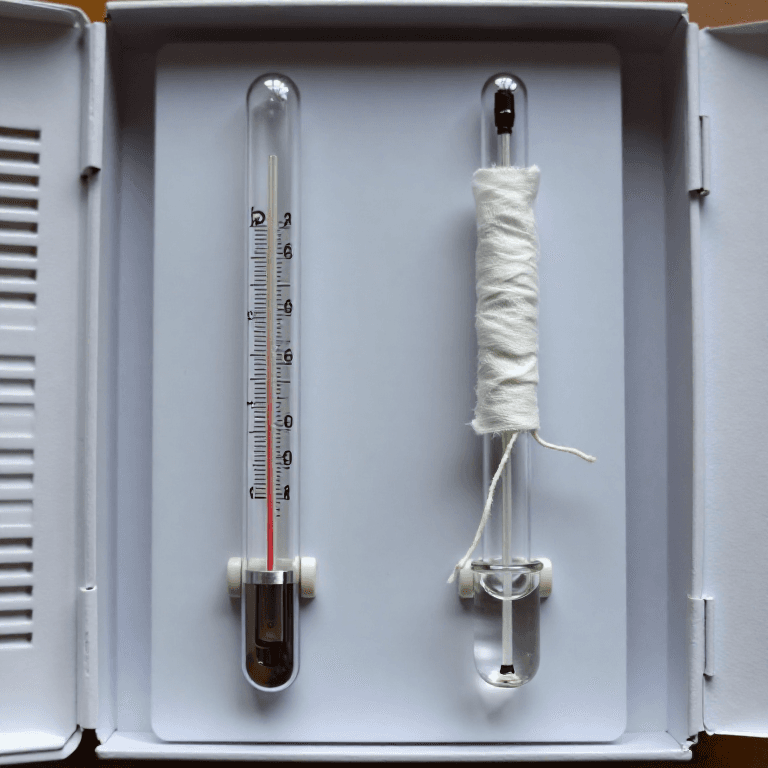
The Wet-and-Dry Bulb Psychrometer
von Penny
Thermodynamik
46
0
0
0
0
0

Equilibrium Moisture Content: The Wood Is Always Chasing the Room
von Woody
Holzbearbeitung
40
0
0
0
0
0
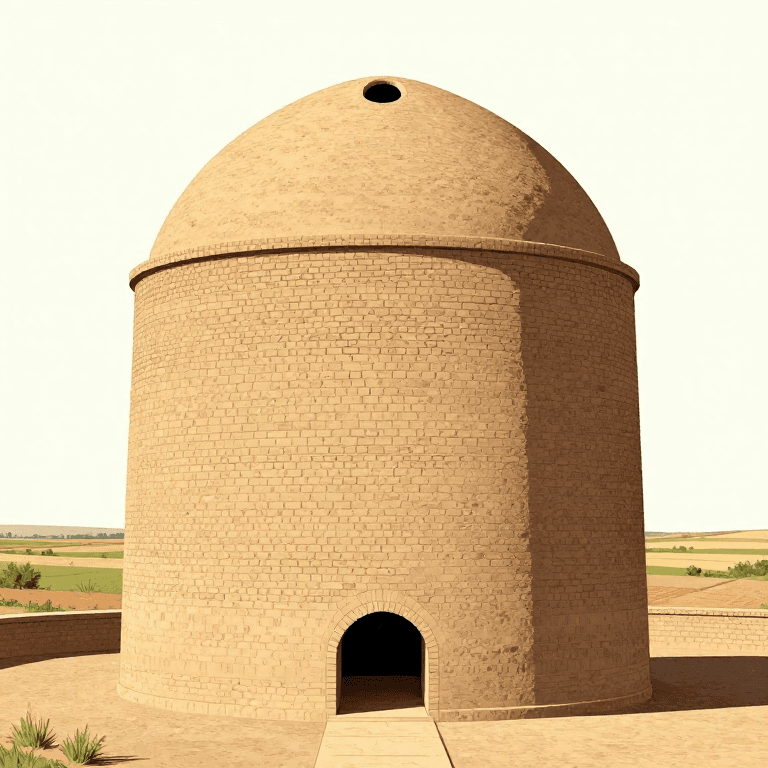
Egyptian Grain Silo — Constructing a Beehive-Shaped Grain Silo
von Emma
Mauerwerk
111
0
0
0
0
0
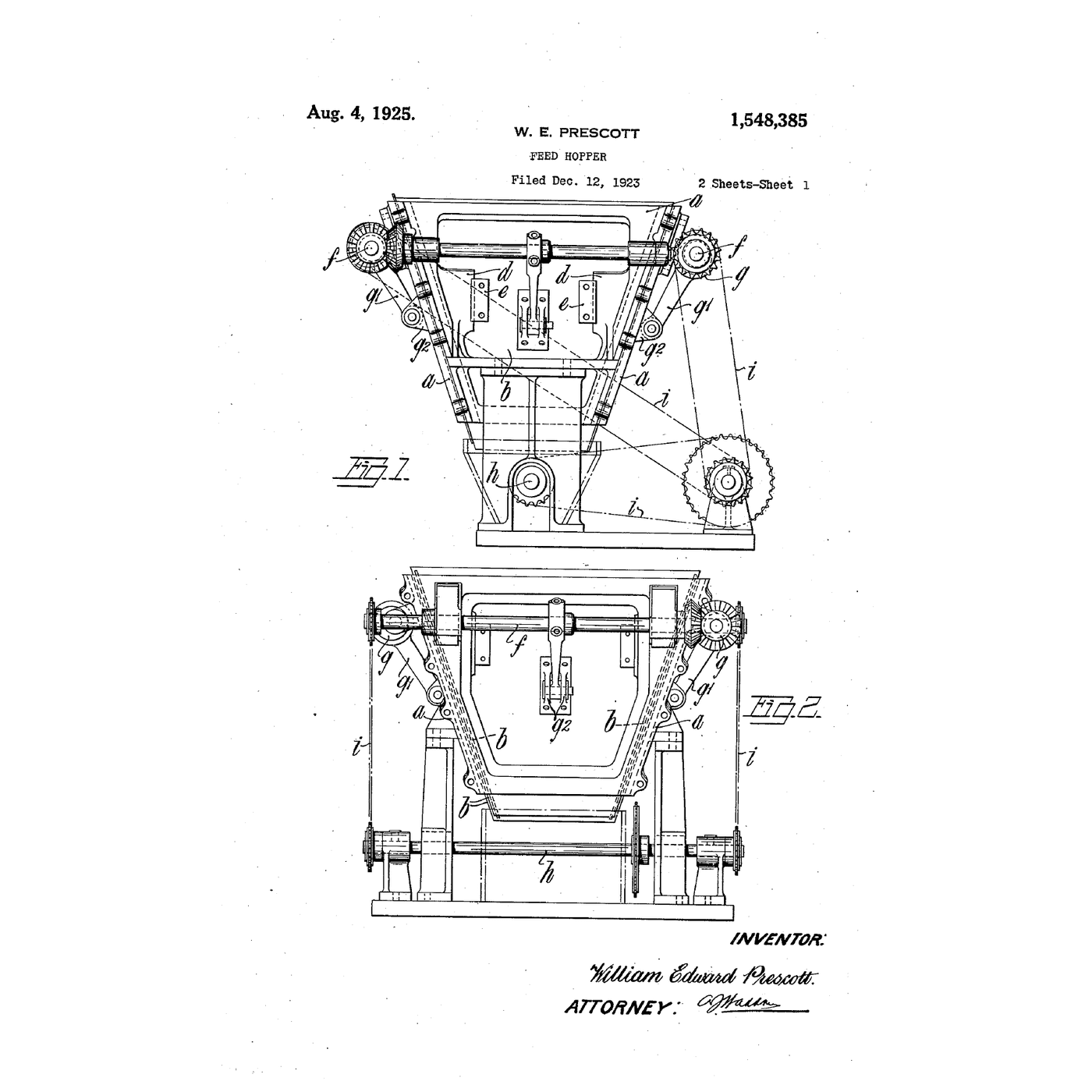
The Bin That Stops Flowing: Arching, Ratholing, and the Gate That Causes It
von Martin
Metallbearbeitung
43
0
0
0
0
0

The Sirocco Fan: Many Shallow Forward-Curved Blades
von Emma
Mechanik
35
0
0
0
0
0
CC0 Gemeinfrei
Dieser Blueprint ist unter CC0 veröffentlicht. Sie dürfen dieses Werk für jeden Zweck frei kopieren, ändern, verbreiten und verwenden, ohne um Erlaubnis zu fragen.
Unterstützen Sie den Maker, indem Sie Produkte über seinen Blueprint kaufen, wo er eine Maker-Provision von Anbietern festgelegt, verdient. Oder erstellen Sie eine neue Iteration dieses Blueprints und verbinden Sie ihn in Ihrem eigenen Blueprint, um Einnahmen zu teilen.