KUNST
SCHÖNHEIT & WELLNESS
HANDWERK
KULTUR & GESCHICHTE
UNTERHALTUNG
UMFELD
ESSEN & GETRÄNKE
REVERSE ENGINEERING
WISSENSCHAFTEN
SPORT
TECHNOLOGIE
WEARABLES
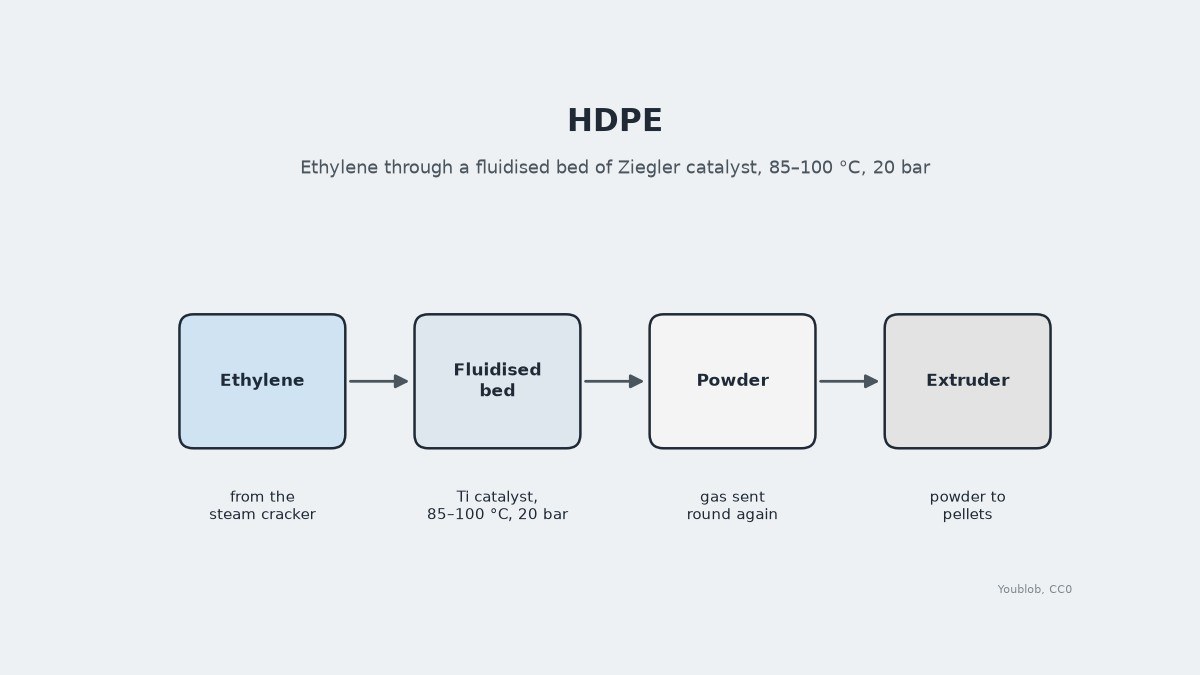


HDPE Pellets: Ethylene Polymerised in a Fluidised Bed
High-density polyethylene is made at low pressure on a Ziegler catalyst (a titanium halide with an aluminium compound). In the gas-phase process, ethylene flows up through a fluidised bed of fine catalyst at 85–100 °C and 20 bar and grows into polymer powder, which is melted and cut into pellets.
The picture: our diagram of the bed reactor and extruder.
Erfahren
Continuous
Anweisungen
1
1
Polymerise in a fluidised bed
Polymerise in a fluidised bed
Feed fine catalyst into the bed reactor and blow ethylene up through it at 85–100 °C and 20 bar. The polymer grows on the catalyst grains.
Materialien für diesen Schritt:
 Ethylen1 t
Benötigte Werkzeuge:
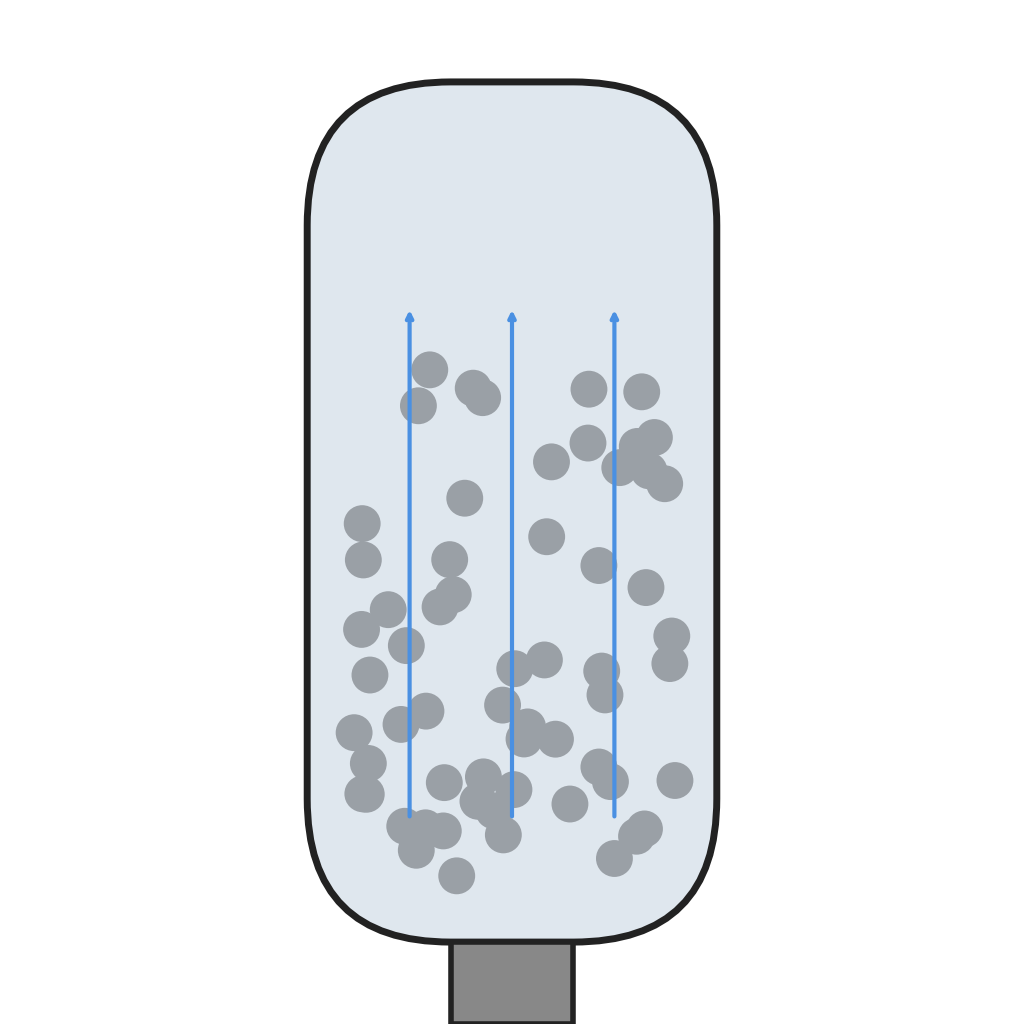 Wirbelschichtreaktor
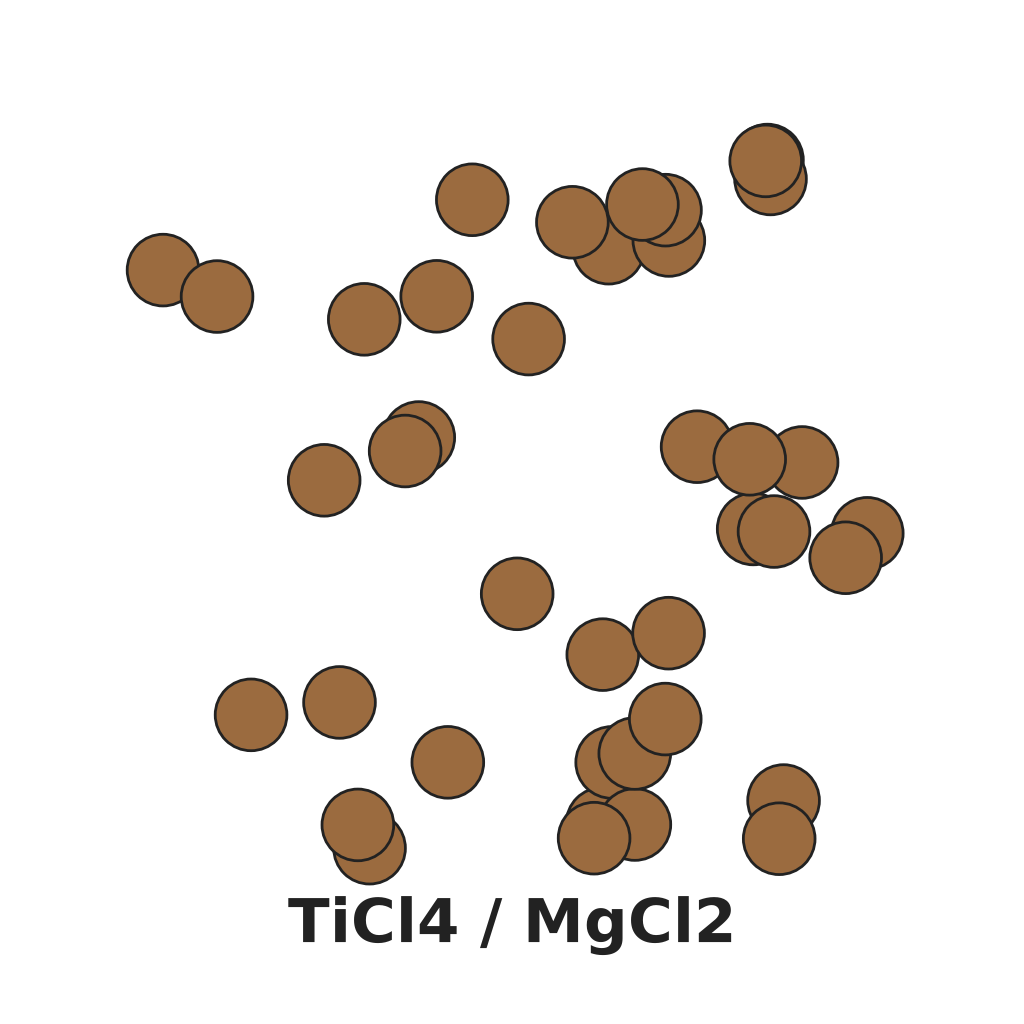 Ziegler-Natta-Katalysator (TiCl4 auf MgCl2)
 Gasverdichter
2
2
Take off the powder
Take off the powder
Draw the polyethylene powder off the bed; compress the unreacted ethylene and send it round again.
Benötigte Werkzeuge:
WirbelschichtreaktorGasverdichter3
3
Pelletise
Pelletise
Melt the powder in the extruder and cut the strand into pellets.
Benötigte Werkzeuge:
 Kunststoffextruder
4
4
Ethylene gas per kilogram of polymer
Ethylene gas per kilogram of polymer
Jupyter-Notebook wird geladen …
Benötigte Werkzeuge
4- Platzhalter
- Platzhalter
- Platzhalter
- Platzhalter
Dieser Bauplan stellt her

Verwandte Blueprints
Diese Blueprints teilen Wissen — Techniken, Materialien oder Prinzipien
CC0 Gemeinfrei
Dieser Blueprint ist unter CC0 veröffentlicht. Sie dürfen dieses Werk für jeden Zweck frei kopieren, ändern, verbreiten und verwenden, ohne um Erlaubnis zu fragen.
Unterstützen Sie den Maker, indem Sie Produkte über seinen Blueprint kaufen, wo er eine Maker-Provision von Anbietern festgelegt, verdient. Oder erstellen Sie eine neue Iteration dieses Blueprints und verbinden Sie ihn in Ihrem eigenen Blueprint, um Einnahmen zu teilen.