KUNST
SCHÖNHEIT & WELLNESS
HANDWERK
KULTUR & GESCHICHTE
UNTERHALTUNG
UMFELD
ESSEN & GETRÄNKE
REVERSE ENGINEERING
WISSENSCHAFTEN
SPORT
TECHNOLOGIE
WEARABLES
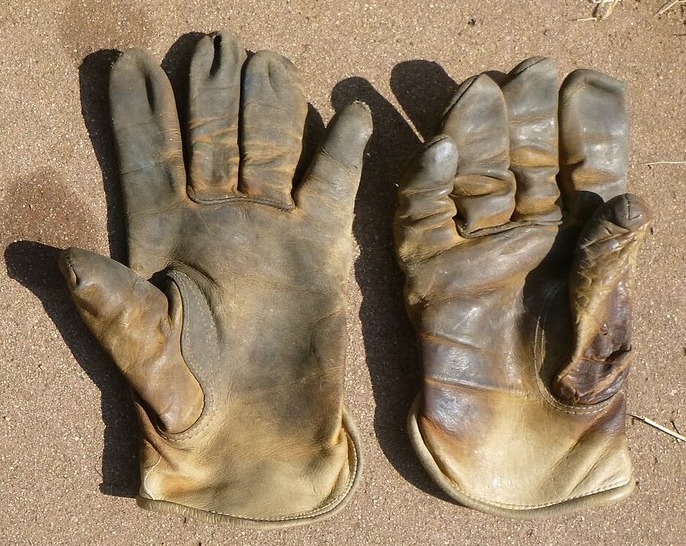
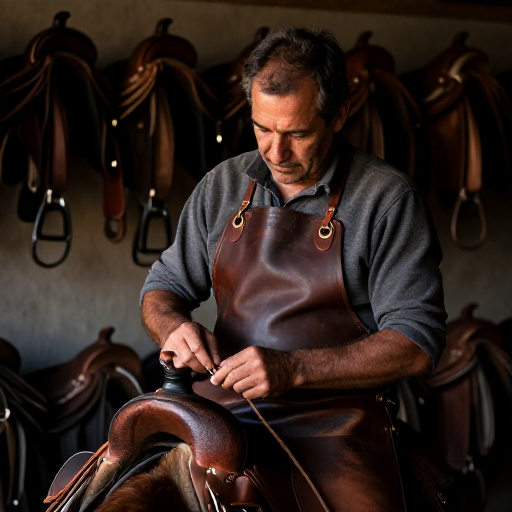

Leather Gloves: Cut, Pressed and Sewn
A leather glove is several pieces: the main piece forming palm, back and the faces of the fingers, a separate thumb, and narrow side pieces between the fingers called fourchettes, sometimes with small gussets between them. The cutter first pulls and stretches each skin to find its spread, then marks it with card patterns and cuts oblong pieces, called tranks, sized for each glove. A cutting die, a knife shaped like a double hand, stamps the glove's outline out of each trank in a press, and the odd parts come from the offcuts. Machine sewing then sets in the thumb, fourchettes and gussets and closes the glove. Cowhide is used for the cheaper, sturdier gloves.
Fortgeschritten
Factory process
Anweisungen
1
1
Stretch the skin
Stretch the skin
Pull and stretch the skin lengthways and sideways to find its spread.
Materialien für diesen Schritt:
 Leder1 Stück
2
2
Cut the tranks
Cut the tranks
Using card patterns in the glove's double outline, mark and cut oblong tranks of the right size; keep the offcuts for thumbs, fourchettes and gussets.
Materialien für diesen Schritt:
 Karton1 Stück
Benötigte Werkzeuge:
 Lederschere
3
3
Press-cut
Press-cut
Lay each trank on the cutting die in the press and stamp out the glove shape; stamp the small parts from the offcuts.
Benötigte Werkzeuge:
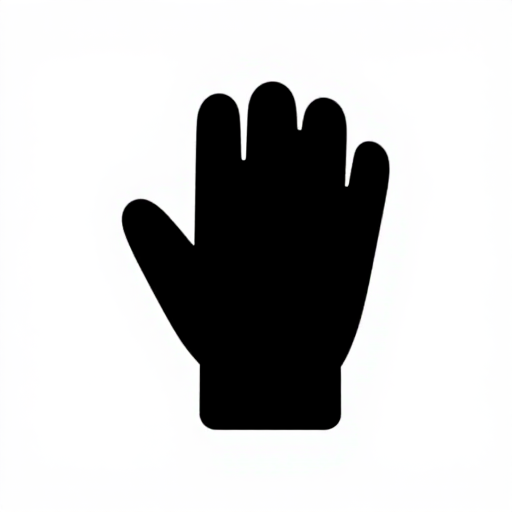 Handschuh-Stanzmesser
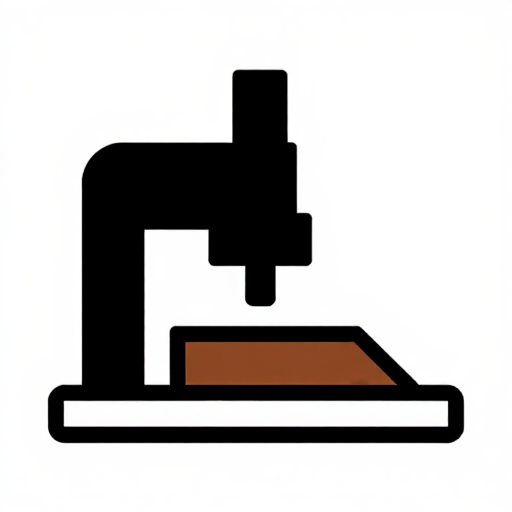 Lederstanzpresse
4
4
Inspect
Inspect
Check every cut part before it goes to the sewers.
5
5
Sew
Sew
Sew in the thumb, fourchettes and gussets, then close the glove.
Materialien für diesen Schritt:
 Garn1 Stück
Benötigte Werkzeuge:
 Nähmaschine
Benötigte Werkzeuge
4- Platzhalter
- Platzhalter
- Platzhalter
- Platzhalter
Dieser Bauplan stellt her


CC0 Gemeinfrei
Dieser Blueprint ist unter CC0 veröffentlicht. Sie dürfen dieses Werk für jeden Zweck frei kopieren, ändern, verbreiten und verwenden, ohne um Erlaubnis zu fragen.
Unterstützen Sie den Maker, indem Sie Produkte über seinen Blueprint kaufen, wo er eine Maker-Provision von Anbietern festgelegt, verdient. Oder erstellen Sie eine neue Iteration dieses Blueprints und verbinden Sie ihn in Ihrem eigenen Blueprint, um Einnahmen zu teilen.