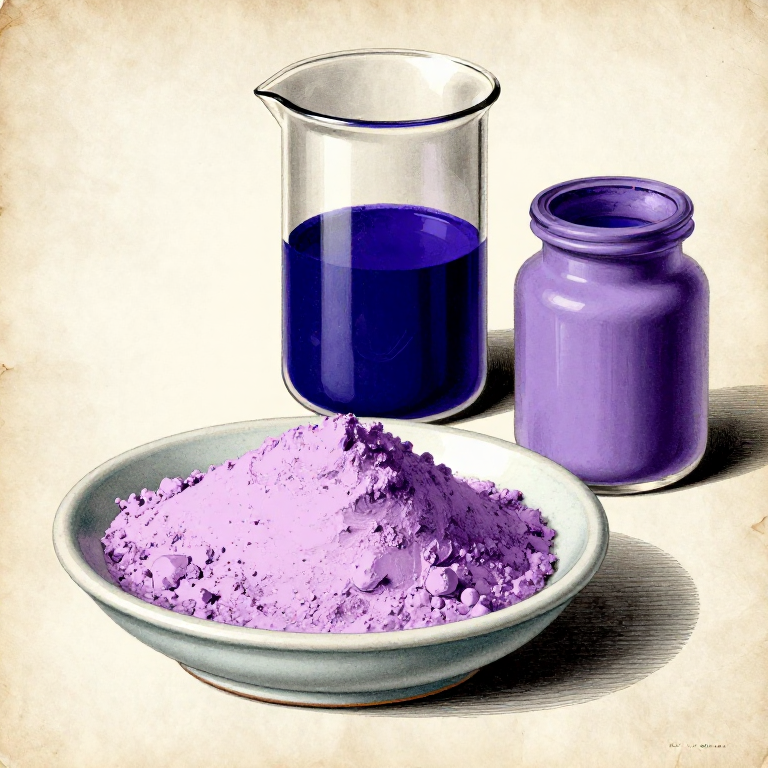

Making Cobalt Violet — The First True Violet Pigment in the Painter's Palette
Cobalt Violet (cobalt(II) phosphate, Co₃(PO₄)₂) was the first truly permanent violet pigment available to painters. Introduced around 1859 by Salvetat at the Sèvres porcelain factory, it filled a gap that had existed since antiquity — every earlier violet was either a fugitive organic dye (orchil, logwood) or an unstable mixture of red and blue pigments that shifted colour over time.
The chemistry is a wet precipitation: when a soluble cobalt salt (cobalt chloride) meets a soluble phosphate (trisodium phosphate) in solution, insoluble cobalt(II) phosphate precipitates immediately as a vivid violet powder. The raw precipitate is then calcined at 800°C to drive off water and crystallise the anhydrous form, which is the true pigment — deeper in colour, more opaque, and more permanent than the hydrated precipitate.
Cobalt violet is completely lightfast, chemically stable, and compatible with all painting media. Its main drawbacks are low tinting strength and very high cost — it requires both expensive cobalt and a multi-step synthesis. Despite this, it was valued by Impressionist painters including Monet and Renoir for passages of shadow and reflected light where no blue-red mixture could achieve the correct optical effect.
SAFETY WARNING: Cobalt chloride is toxic — harmful if swallowed, inhaled, or absorbed through skin. It is classified as a suspected carcinogen. Wear nitrile gloves, safety goggles, and a dust mask when handling dry cobalt chloride. Work in a well-ventilated area. The finished pigment (cobalt phosphate) is less toxic but should still be handled with care.
Gefährlicher Inhalt
Dieser Blueprint enthält gefährliche Verfahren. Melden Sie sich an und aktivieren Sie gefährliche Inhalte in Ihren Kontoeinstellungen, um die Schritt-für-Schritt-Anleitung anzuzeigen.
AnmeldenDieser Bauplan stellt her

Verwandte Blueprints
Diese Blueprints teilen Wissen — Techniken, Materialien oder Prinzipien
Making Cobalt Green (Rinmann's Green) — The Cobalt Zinc Oxide Pigment of Swedish Chemistry
von Charlie
KUNST
Making Smalt — Grinding Cobalt Blue Glass into the Renaissance Painter's Blue Pigment
von Charlie
KUNST
Making Han Purple — Ancient China's Synthetic Barium Copper Silicate Pigment
von Charlie
KUNST
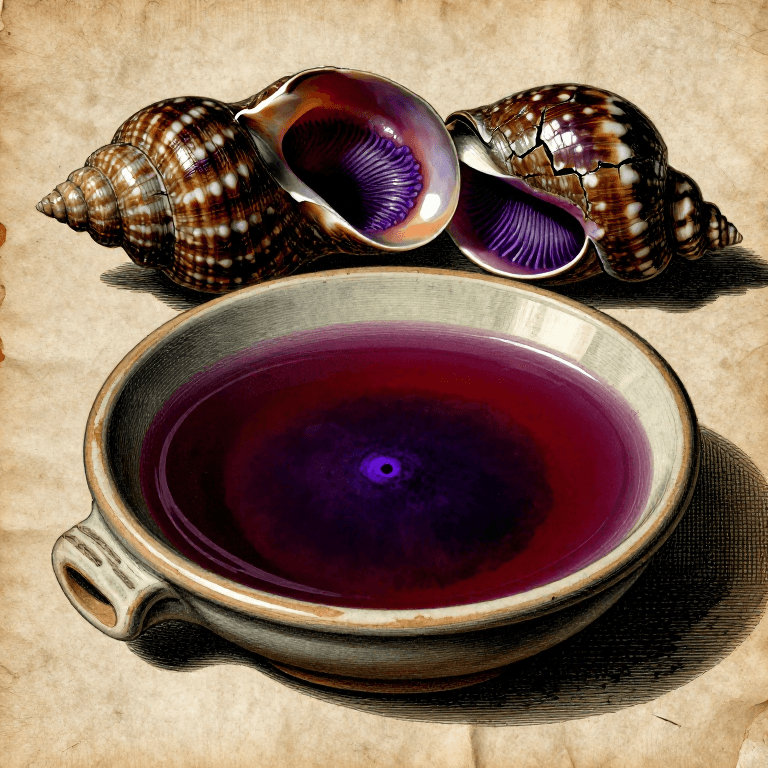
Extracting Tyrian Purple from Murex Snails — The Most Precious Colour of Antiquity
von Charlie
KUNST
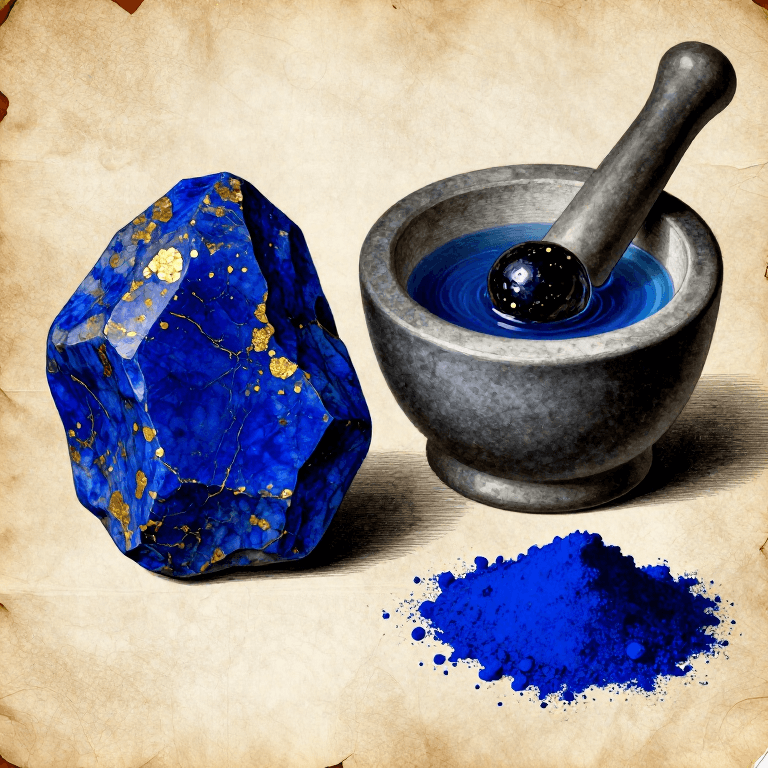
Making Ultramarine from Lapis Lazuli — Extracting the Most Precious Pigment in History
von Charlie
KUNST
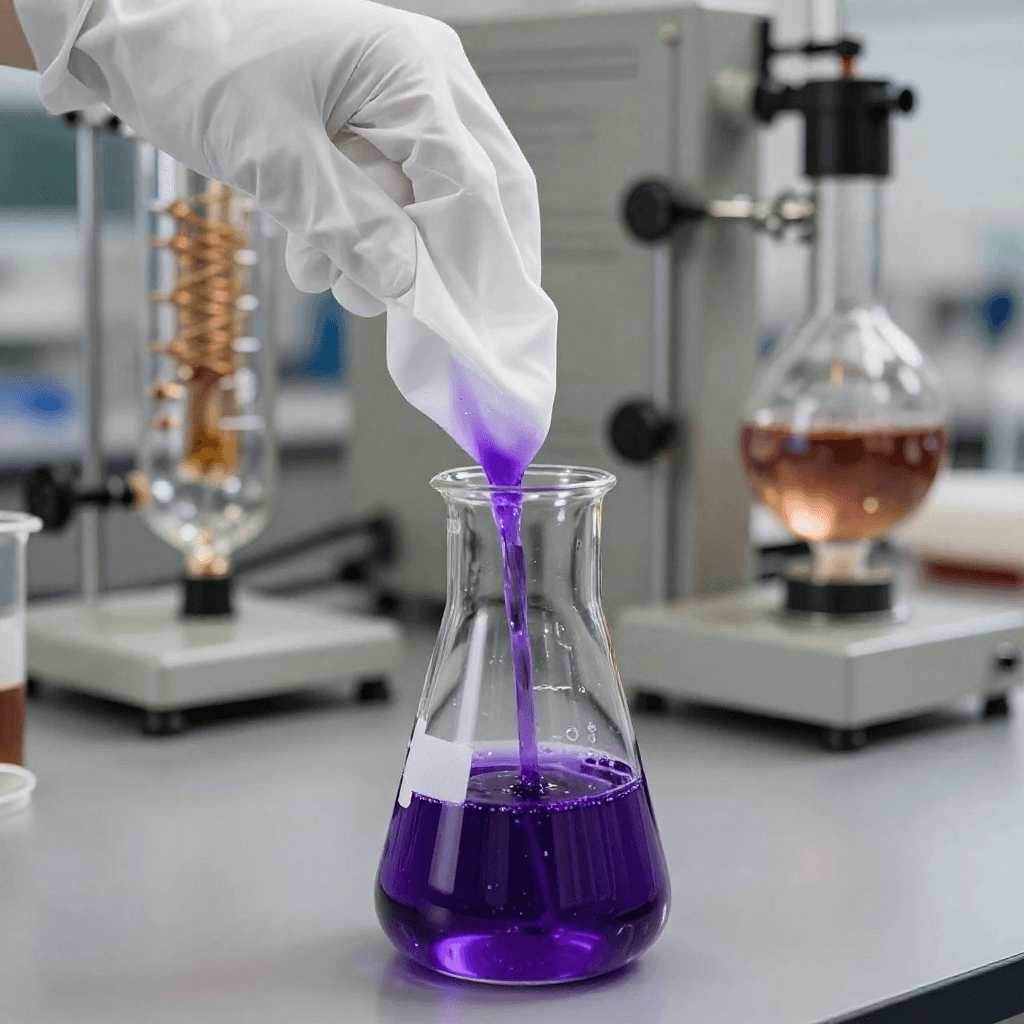
Perkin's Mauveine — The First Synthetic Aniline Dye from Coal Tar
von Tex
Textil & Leder
CC0 Gemeinfrei
Dieser Blueprint ist unter CC0 veröffentlicht. Sie dürfen dieses Werk für jeden Zweck frei kopieren, ändern, verbreiten und verwenden, ohne um Erlaubnis zu fragen.
Unterstützen Sie den Maker, indem Sie Produkte über seinen Blueprint kaufen, wo er eine Maker-Provision von Anbietern festgelegt, verdient. Oder erstellen Sie eine neue Iteration dieses Blueprints und verbinden Sie ihn in Ihrem eigenen Blueprint, um Einnahmen zu teilen.