KUNST
SCHÖNHEIT & WELLNESS
HANDWERK
KULTUR & GESCHICHTE
UNTERHALTUNG
UMFELD
ESSEN & GETRÄNKE
REVERSE ENGINEERING
WISSENSCHAFTEN
SPORT
TECHNOLOGIE
WEARABLES
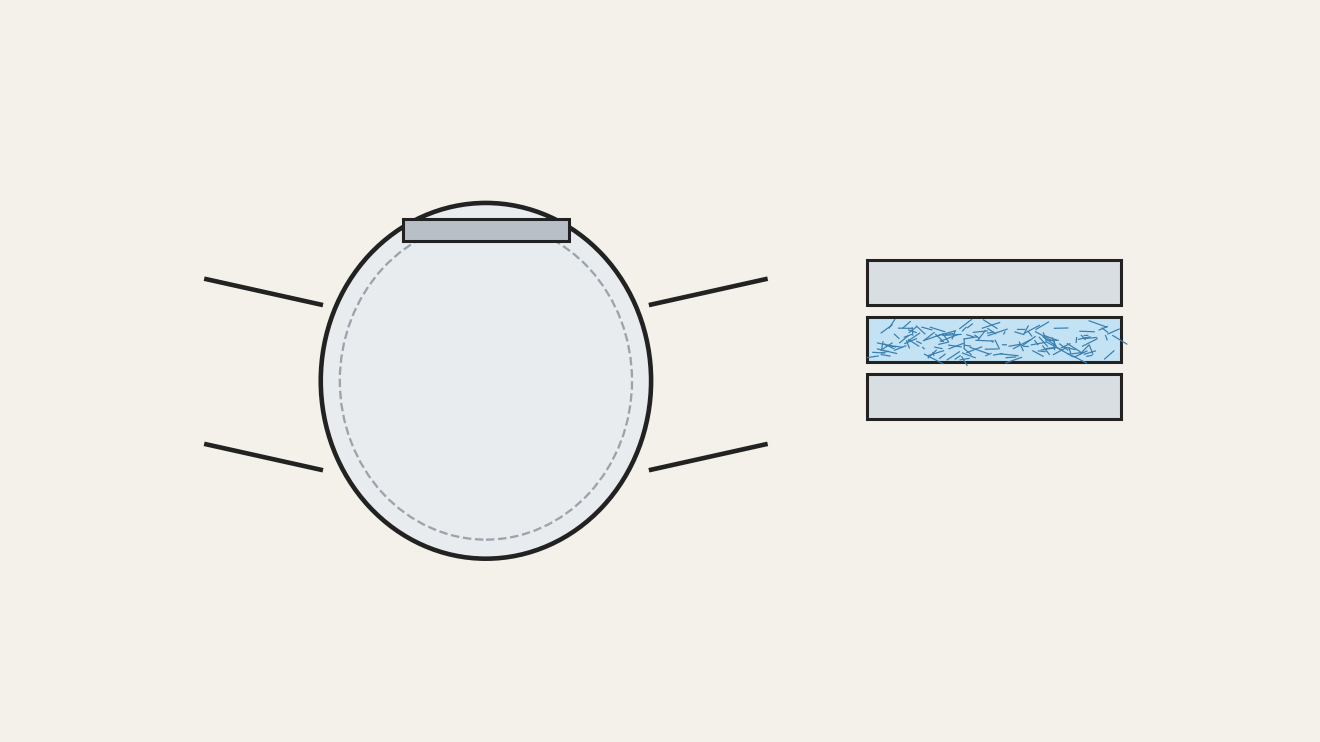


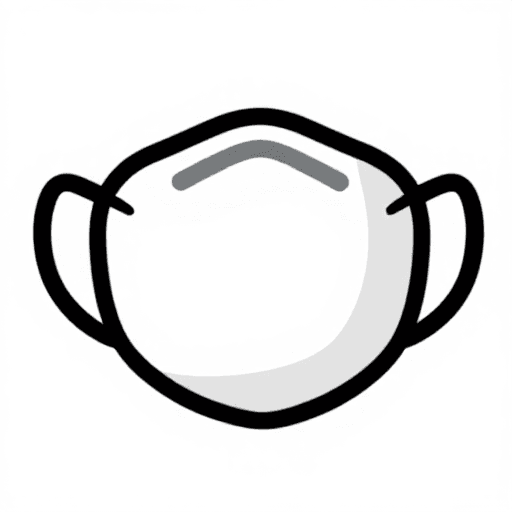
N95 Respirator: Melt-Blown, Charged and Welded
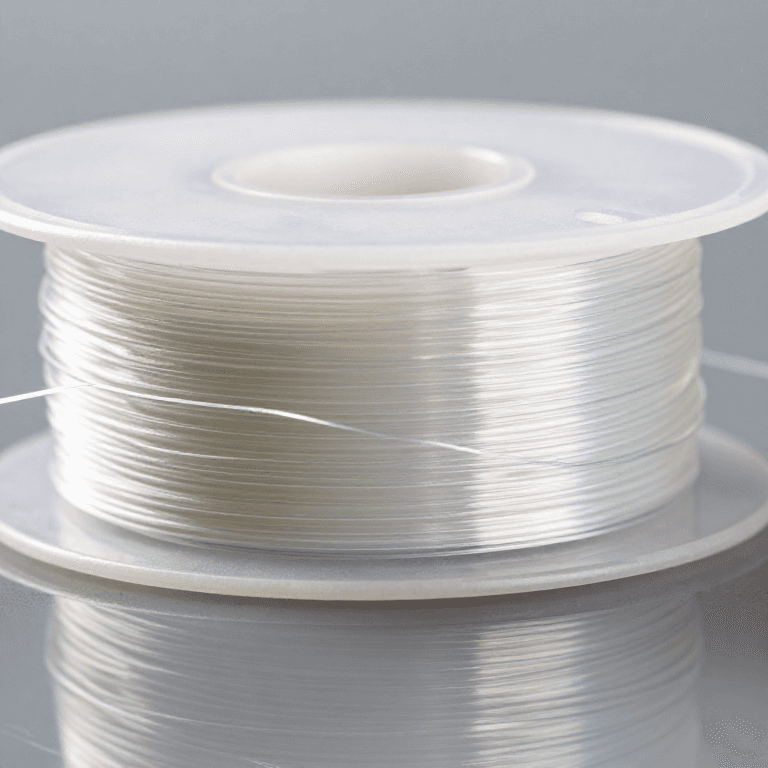
The filter of an N95 respirator is nonwoven polypropylene made by melt blowing: molten polymer is pushed through a spinneret and jets of hot air stretch it into very fine fibres that land on a moving belt as a web. The fibres carry an electric charge, an electret, which helps them catch particles; charges can be put on such materials by corona discharge. Typical filter layers weigh 10–100 g per square metre. The filter is layered between cover webs, cut and ultrasonically welded; an aluminium strip is sealed in at the top as a nose clip, and the straps are stapled on.
Erfahren
Factory process
Anweisungen
1
1
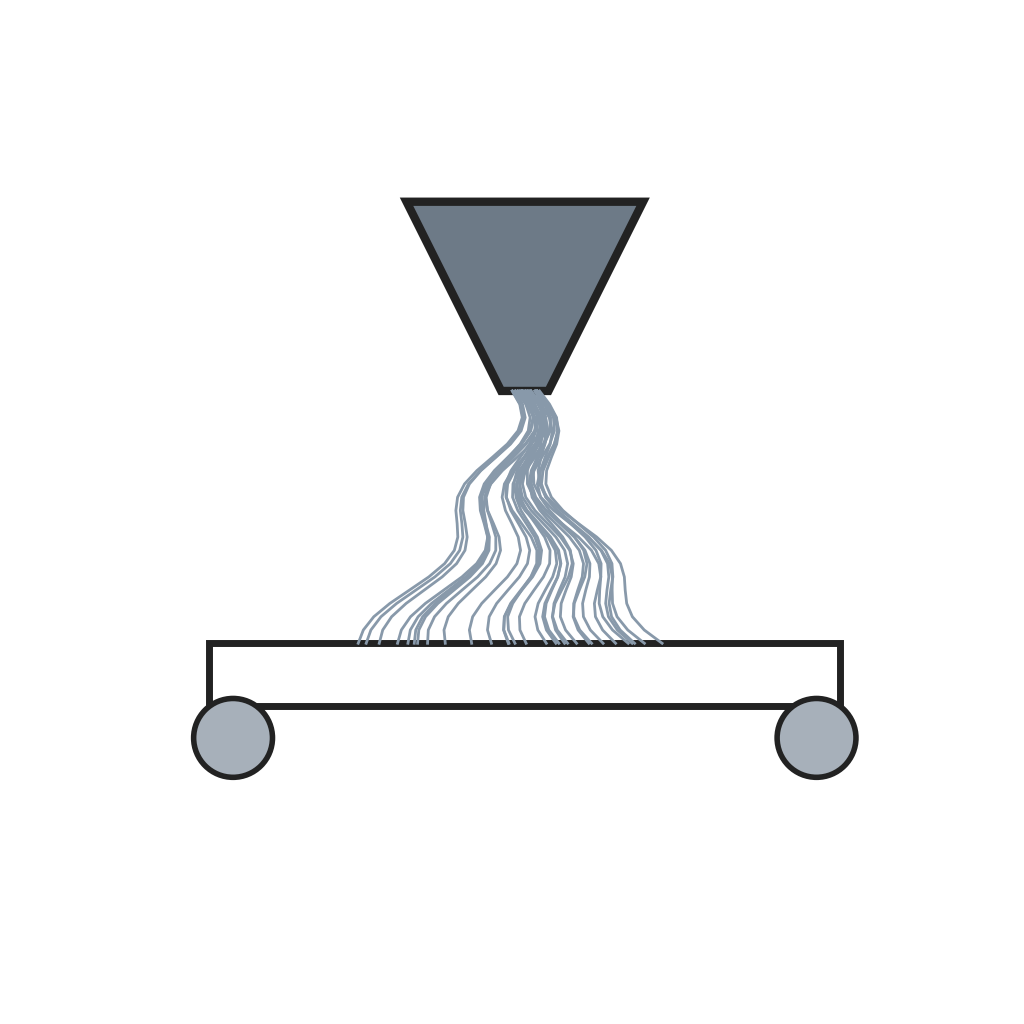
Melt-blow the filter
Melt-blow the filter
Melt polypropylene, extrude it through a spinneret and stretch it into fine fibres with hot air onto a moving belt.
Materialien für diesen Schritt:
 Polypropylengranulat1 kg
Benötigte Werkzeuge:
 Meltblown-Anlage
2
2
Charge
Charge
Give the filter web an electret charge.
Benötigte Werkzeuge:
 Corona-Aufladeeinheit
3
3
Layer and weld
Layer and weld
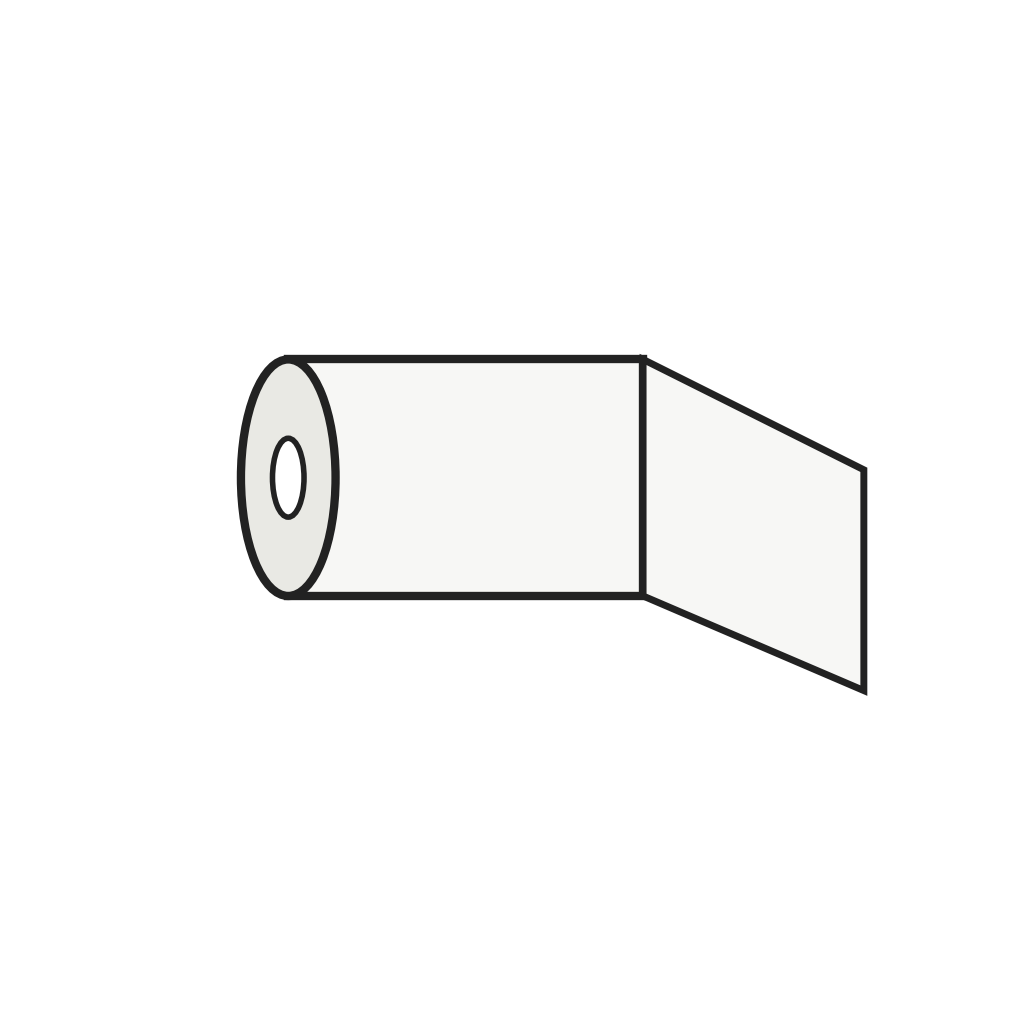
Ply the filter between the cover webs in order, cut the stack and weld it ultrasonically.
Materialien für diesen Schritt:
 Deckvlies1 Stück
Benötigte Werkzeuge:
 Ultraschall-Kunststoffschweißgerät
4
4
Nose clip and straps
Nose clip and straps
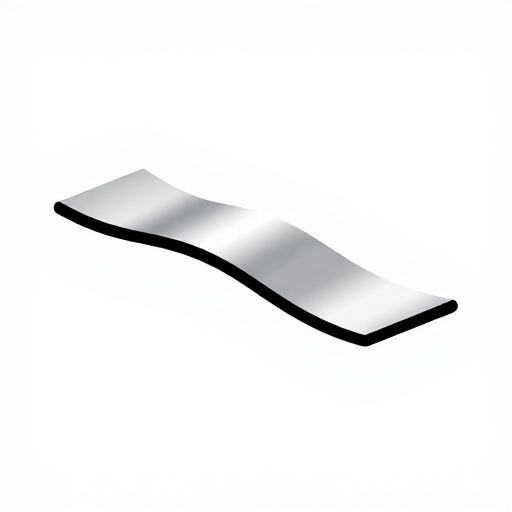
Seal a soft aluminium strip in along the top as the nose clip, and staple on the straps.
Materialien für diesen Schritt:
 Aluminium-Nasenbügelstreifen1 Stück
 Gummikordel0.6 m
Materialien
4- Platzhalter
- 1 StückPlatzhalter
- 1 StückPlatzhalter
- 0.6 mPlatzhalter
Benötigte Werkzeuge
3- Platzhalter
- Platzhalter
- Platzhalter
Dieser Bauplan stellt her
Verwandte Blueprints
Diese Blueprints teilen Wissen — Techniken, Materialien oder Prinzipien
CC0 Gemeinfrei
Dieser Blueprint ist unter CC0 veröffentlicht. Sie dürfen dieses Werk für jeden Zweck frei kopieren, ändern, verbreiten und verwenden, ohne um Erlaubnis zu fragen.
Unterstützen Sie den Maker, indem Sie Produkte über seinen Blueprint kaufen, wo er eine Maker-Provision von Anbietern festgelegt, verdient. Oder erstellen Sie eine neue Iteration dieses Blueprints und verbinden Sie ihn in Ihrem eigenen Blueprint, um Einnahmen zu teilen.