KUNST
SCHÖNHEIT & WELLNESS
HANDWERK
KULTUR & GESCHICHTE
UNTERHALTUNG
UMFELD
ESSEN & GETRÄNKE
REVERSE ENGINEERING
WISSENSCHAFTEN
SPORT
TECHNOLOGIE
WEARABLES
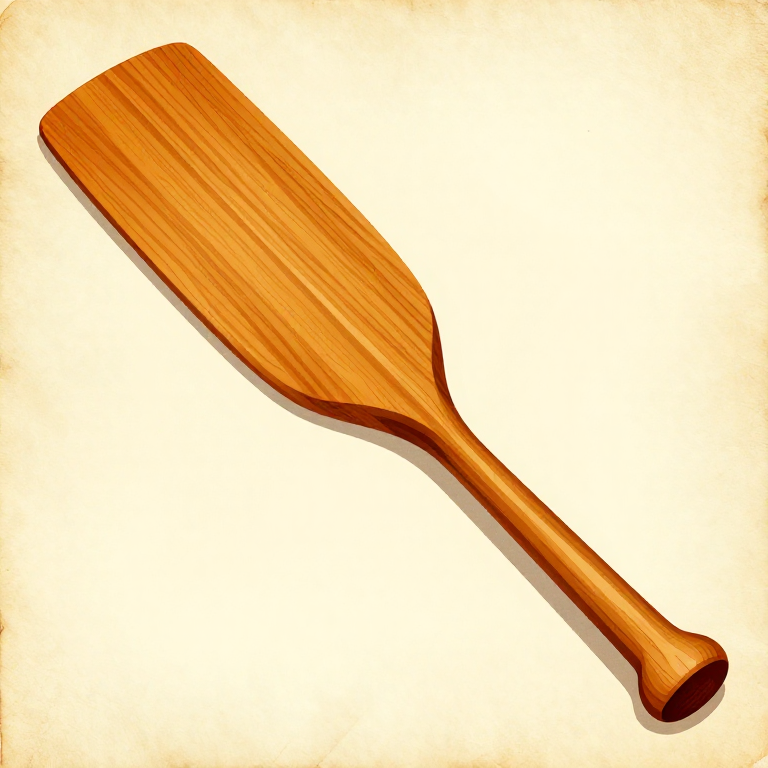


Carving a Wooden Paddle from a Single Piece of Hardwood — Prehistoric Watercraft Propulsion
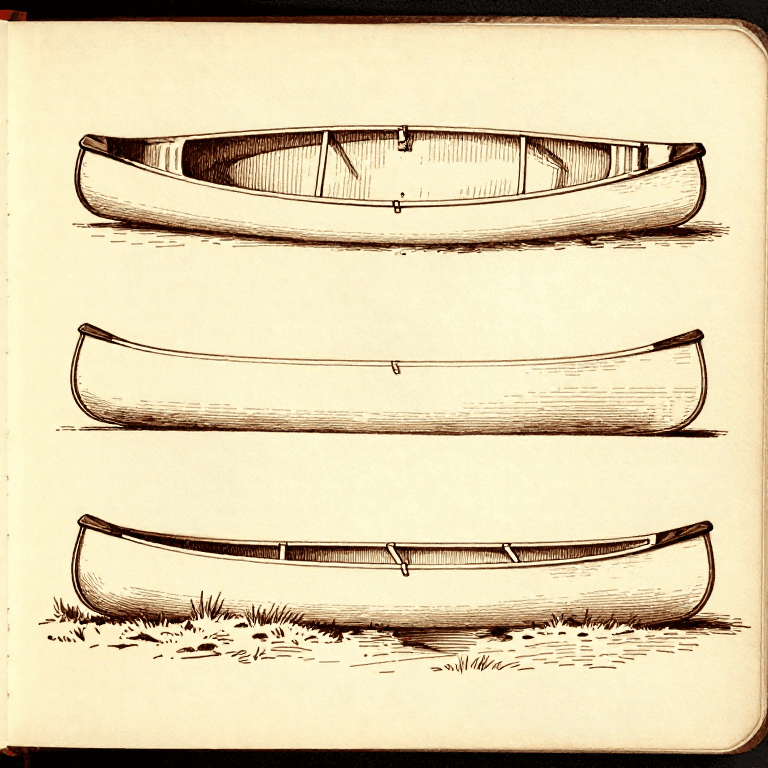
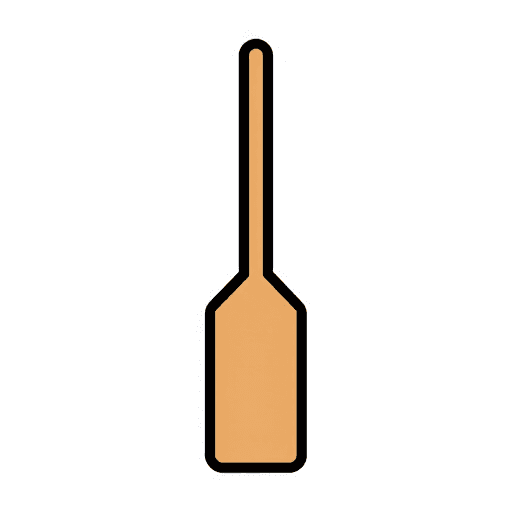
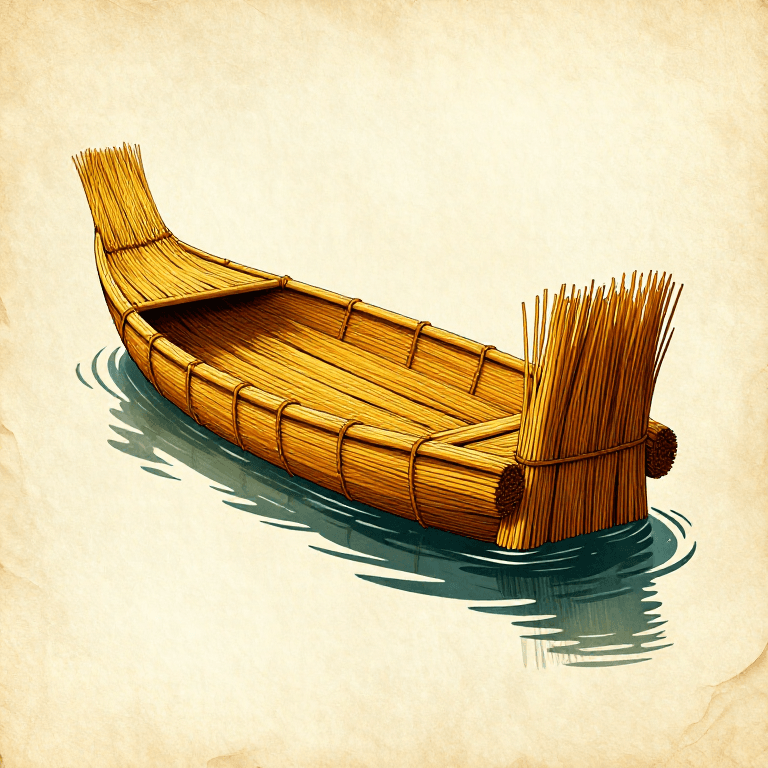
A carved wooden paddle is one of the most essential tools in prehistoric watercraft technology — without it, dugout canoes, reed rafts, and coracles are little more than floating platforms at the mercy of currents. The oldest known paddles are from the Mesolithic period: the Star Carr paddle (England, circa 9000 BCE) and the Duvensee paddle (Germany, circa 8000 BCE) show that early paddlemakers already understood the critical design principles. A paddle is carved from a single piece of straight-grained hardwood, with a wide flat blade tapering to a round handle. Different cultures developed specialised blade shapes for different water conditions: long narrow blades for deep-water efficiency (Polynesian style), short wide blades for quick manoeuvrability in shallow rivers (North American style), and asymmetric blades for the figure-eight sculling stroke used with round coracles (Welsh style). The choice of wood is critical — ash has been the preferred paddle wood across cultures because it combines lightness, strength, and flexibility. A paddle carved from green (freshly felled) ash is easier to work and less likely to split during shaping. This blueprint covers the complete carving process using only Stone Age tools: splitting a blank from a log, roughing out the shape with a stone adze, thinning the blade edges with a stone scraper, shaping a comfortable grip, and finishing with animal fat to seal the grain against waterlogging.
Anfänger
2-3 hours
Anweisungen
1
1
Select Straight-Grained Hardwood
Select Straight-Grained Hardwood
Find a freshly felled section of ash, maple, or birch — a straight branch or trunk section approximately 120 to 150 cm long and at least 12 to 15 cm in diameter. Ash is the ideal choice: its interlocking grain resists splitting under the bending loads a paddle endures, its density (680 kg per cubic metre when seasoned) provides enough mass to bite into water without being too heavy to swing all day, and it has natural flexibility that absorbs shock. Avoid wood with knots, twists, or spiral grain — these create weak points where the blade will snap under load. Green (freshly cut) wood is far easier to carve with stone tools than seasoned wood.
Materialien für diesen Schritt:
 Hartholz-Stangenholz1 Stück
2
2
Split the Log into a Rough Blank
Split the Log into a Rough Blank
Stand the log section on end and drive a stone wedge into the end grain using a hammerstone to split it in half. If the log is thick enough, split one of the halves again to produce a quarter-section. The goal is a plank-like blank approximately 8 to 10 cm thick, 12 to 15 cm wide, and the full 120 to 150 cm length. Splitting along the grain rather than sawing across it preserves the continuous wood fibres — a split blank is stronger than a sawn one because no fibres are severed.
Benötigte Werkzeuge:
 Schlagstein
3
3
Mark Out the Paddle Shape
Mark Out the Paddle Shape
Lay the split blank flat and visualise the paddle shape within it. The blade occupies the bottom 40 to 50 cm, widening from the shaft to a maximum width of 12 to 15 cm. The shaft runs from the top of the blade to the grip, approximately 60 to 80 cm long, tapering to a round cross-section of 3 to 4 cm diameter. The grip at the top is a T-shape or rounded knob approximately 10 to 12 cm wide. Scratch guide lines into the wood surface using the tip of a flint knife to mark these transitions.
Benötigte Werkzeuge:
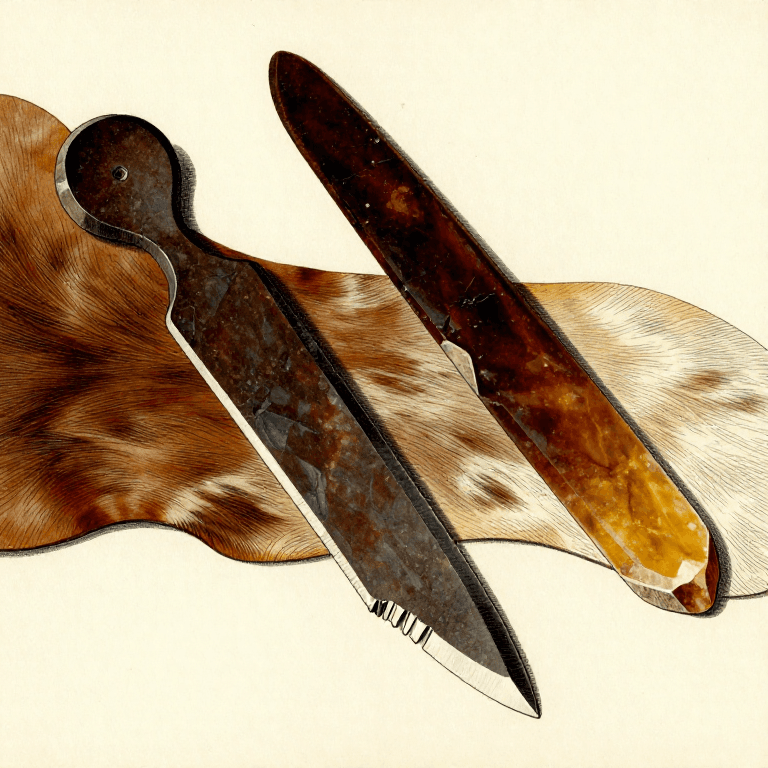
 Feuersteinmesser
4
4
Rough Out the Shape with a Stone Adze
Rough Out the Shape with a Stone Adze
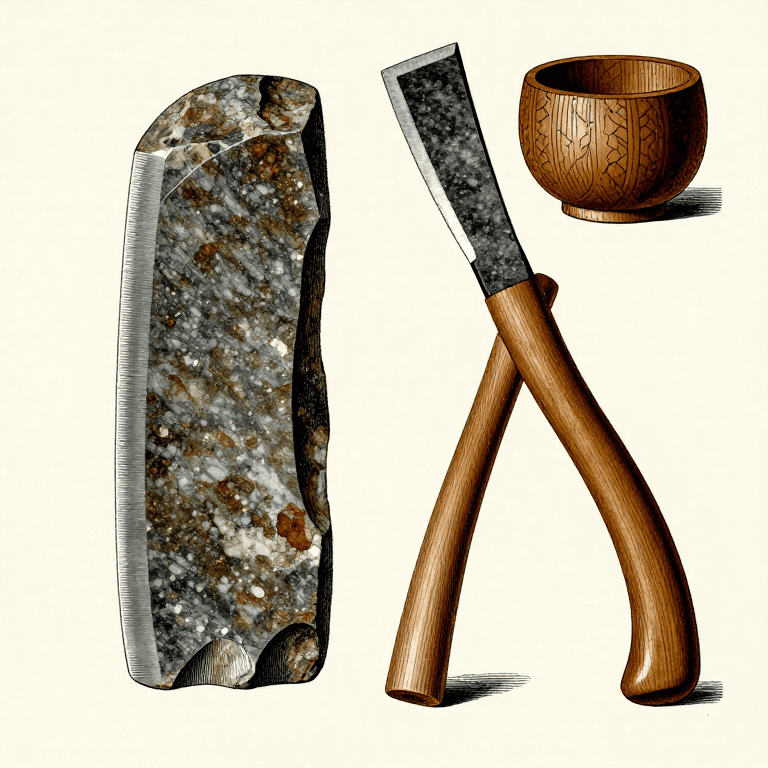
Using a hafted stone adze, chip away the excess wood around the marked outline. Work across the grain with short, controlled adze strokes — never drive the adze deep into end grain, which causes splits that can run the length of the blank. Remove the bulk of the waste from the shaft area first, reducing it from the full blank width down to approximately 5 cm square. Leave the blade and grip areas oversized for now — it is much easier to remove wood than to add it back.
Benötigte Werkzeuge:
 Steinerne Dechsel
5
5
Shape the Blade to Even Thickness
Shape the Blade to Even Thickness
Flatten both faces of the blade using the stone adze and then a stone scraper for finer control. The blade should taper from approximately 2 cm thick at the centreline (the spine or ridge) to 4 to 6 mm at the edges. This tapering cross-section is critical — a blade with uniformly thick edges catches and flutters in the water, wasting energy. The thin edges slice cleanly into the water at the start of each stroke and release cleanly at the end. Work slowly, checking thickness frequently by pinching the edges between thumb and forefinger.
Benötigte Werkzeuge:
 Steinschaber
6
6
Round the Shaft for a Comfortable Grip
Round the Shaft for a Comfortable Grip
Scrape the shaft section from its rough square cross-section into a smooth oval — approximately 3.5 cm across the wider axis and 3 cm across the narrower axis. An oval shaft prevents the paddle from rotating in your hand during the power stroke. Work the entire shaft length with a stone scraper, removing the corners first and then blending the flats into a smooth curve. The shaft should feel comfortable in a relaxed grip without any sharp edges or ridges that would cause blisters during sustained paddling.
Benötigte Werkzeuge:
Steinschaber7
7
Carve the T-Grip at the Top
Carve the T-Grip at the Top
Shape the top 10 to 12 cm of the shaft into a T-grip — a horizontal bar perpendicular to the blade face. Carve two notches on opposite sides of the shaft to define the bar, then round the grip ends so they sit comfortably in the palm. The T-grip provides positive control over blade angle: when your top hand wraps over the T, you can rotate the paddle precisely to feather the blade on the recovery stroke or angle it for steering. A paddle without a grip tends to slip and rotate unpredictably.
Benötigte Werkzeuge:
Feuersteinmesser8
8
Thin and Shape the Blade Tip
Thin and Shape the Blade Tip
Taper the bottom edge of the blade to a smooth, rounded or slightly pointed profile. Do not leave a blunt, square-cut bottom edge — it catches on submerged obstacles and creates turbulence that slows the stroke. A gently rounded tip enters the water more quietly (important for fishing) and sheds water cleanly on the exit. The tip should be slightly thicker than the blade edges (approximately 8 mm) for durability, since it takes the most impact against river bottoms and rocks.
Benötigte Werkzeuge:
Steinschaber9
9
Smooth the Entire Paddle with Fine Abrasion
Smooth the Entire Paddle with Fine Abrasion
Rub the entire surface of the paddle with a piece of fine-grained sandstone, working with the grain. This removes scraper marks, closes the wood pores, and creates a surface that sheds water rather than absorbing it. Pay particular attention to the shaft where your hands will grip — any roughness here causes blisters within minutes of paddling. The blade faces should be smooth enough that running your hand across them feels glassy. This final sanding also reveals any remaining thick spots in the blade that need additional scraping.
Benötigte Werkzeuge:
 Sandsteinplatte
10
10
Oil the Paddle with Rendered Animal Fat
Oil the Paddle with Rendered Animal Fat
Warm a handful of rendered animal fat (tallow) until it is liquid and rub it generously into the entire paddle, working it into the end grain at the blade tip and the shaft where water splashes constantly. The fat penetrates the wood fibres and creates a hydrophobic barrier that prevents waterlogging. An unoiled paddle absorbs water and becomes progressively heavier during use — a well-oiled paddle maintains its weight throughout a full day of paddling. Apply two coats, allowing the first to soak in for 30 minutes before applying the second. Re-oil the paddle after every few uses or whenever the wood appears dry and thirsty.
Materialien für diesen Schritt:
 Tierisches Fett (Talg)50 g
Materialien
2- 1 StückPlatzhalter
- Platzhalter
Benötigte Werkzeuge
5- Platzhalter
- Platzhalter
- Platzhalter
- Platzhalter
- Platzhalter
Materialien verbundener Blueprints
Dieser Bauplan stellt her
Verwandte Blueprints
Diese Blueprints teilen Wissen — Techniken, Materialien oder Prinzipien

CC0 Gemeinfrei
Dieser Blueprint ist unter CC0 veröffentlicht. Sie dürfen dieses Werk für jeden Zweck frei kopieren, ändern, verbreiten und verwenden, ohne um Erlaubnis zu fragen.
Unterstützen Sie den Maker, indem Sie Produkte über seinen Blueprint kaufen, wo er eine Maker-Provision von Anbietern festgelegt, verdient. Oder erstellen Sie eine neue Iteration dieses Blueprints und verbinden Sie ihn in Ihrem eigenen Blueprint, um Einnahmen zu teilen.