KUNST
SCHÖNHEIT & WELLNESS
HANDWERK
KULTUR & GESCHICHTE
UNTERHALTUNG
UMFELD
ESSEN & GETRÄNKE
GRÜNE ZUKUNFT
REVERSE ENGINEERING
WISSENSCHAFTEN
SPORT
TECHNOLOGIE
WEARABLES
Preparing a Yarrow Wound Poultice — Prehistoric Herbal First Aid
Bob

Erstellt von

Bob

15. Mai 2026BE
2
0
0
1
0

Preparing a Yarrow Wound Poultice — Prehistoric Herbal First Aid

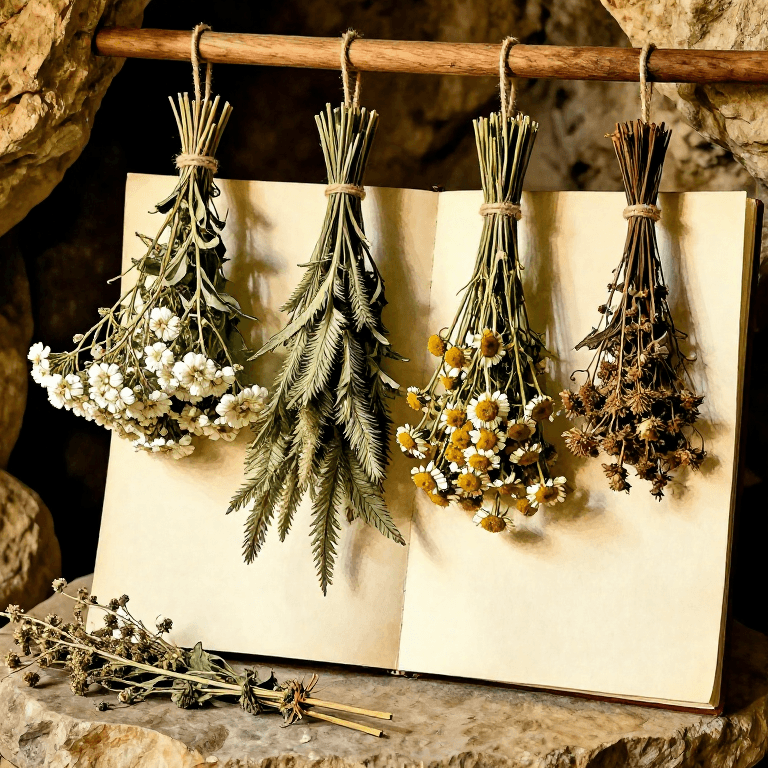
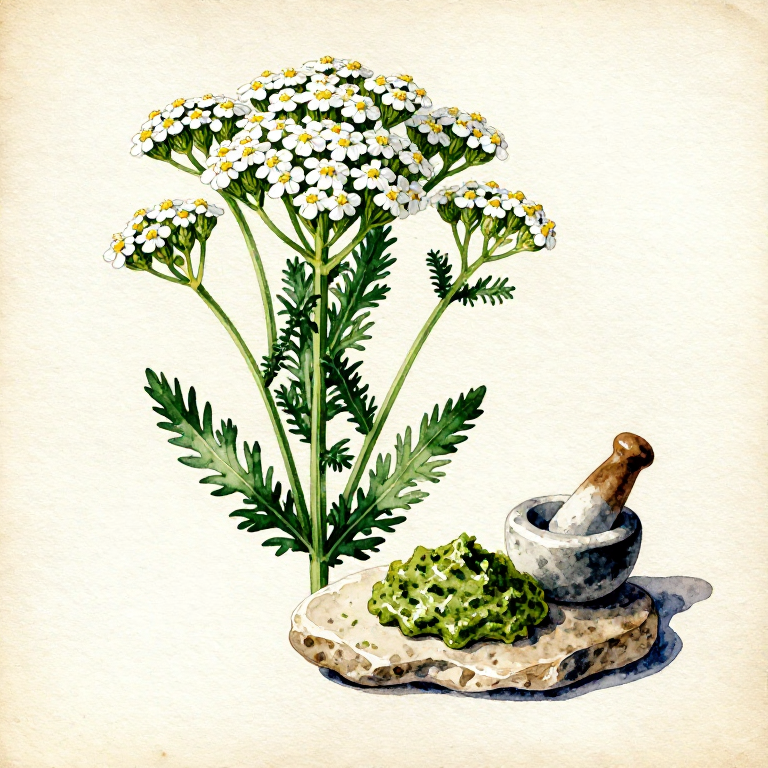
Yarrow (Achillea millefolium) is one of humanity's oldest medicines. Archaeological evidence from Shanidar Cave in Iraq and El Sidrón Cave in Spain shows Neanderthals consumed yarrow over 60,000 years ago. Named after the Greek hero Achilles, who legend says used it to treat soldiers' wounds at Troy, yarrow contains achilleine — a compound that promotes blood clotting — alongside chamazulene and flavonoids that reduce inflammation. Known throughout history as soldier's woundwort, nosebleed plant, and staunch weed, this feathery-leaved herb with flat-topped white flower clusters grows wild across Europe, Asia, and North America. This blueprint teaches the oldest known method of wound treatment: crushing fresh yarrow leaves and flowers into a poultice, applying it directly to a wound to stop bleeding and reduce infection risk, and binding it in place with plant fibers. Every step uses only materials available to prehistoric humans — stone, plant, and water.
Anfänger
30 minutes

Anweisungen

1

Locate Yarrow in Its Natural Habitat

Search meadows, roadsides, field edges, and open grasslands for yarrow. It thrives in well-drained soil in full sun across temperate regions of Europe, Asia, and North America.
2

Identify Yarrow by Its Feathery Leaves

Look for finely divided, feathery leaves that resemble a thousand tiny leaflets along each stem. The Latin name millefolium means thousand leaves. Leaves are 5 to 20 cm long, alternate along the stem, and aromatic when crushed.
3

Confirm by Flower Head Shape

Yarrow produces flat-topped clusters (corymbs) of small white or pale pink flowers at the top of each stem, typically 5 to 10 cm across. Each tiny flower head is 3 to 5 mm wide. The plant stands 30 to 90 cm tall.
4

Verify by Scent

Crush a small piece of leaf between your fingers and smell it. Yarrow has a distinctive sharp, aromatic, slightly bitter scent — camphor-like with herbal undertones. This confirms identification and distinguishes it from similar-looking plants.
5

Harvest Leaves and Flower Heads

Pick a generous handful of yarrow leaves and flowering tops. Harvest during full bloom when the medicinal compounds are most concentrated. Use both leaves and flower heads — both contain the active styptic and anti-inflammatory compounds.

Materialien für diesen Schritt:

Yarrow (Achillea millefolium)Yarrow (Achillea millefolium)50 g
6

Rinse the Harvested Yarrow

Wash the collected yarrow leaves and flowers in clean water — a stream, spring, or collected rainwater. Remove any dirt, insects, or debris clinging to the plant material. Shake off excess water.

Materialien für diesen Schritt:

Clean WaterClean Water500 ml
7

Separate Leaves and Flowers from Stems

Strip the soft leaves and flower heads from the tough fibrous stems. Discard the stems — they contain far less achilleine and are too woody to crush into a paste. Keep only the soft green leaves and white flower clusters.
8

Place Yarrow on a Flat Stone Surface

Set the stripped leaves and flower heads on a flat stone slab or any smooth, clean stone surface. This serves as your mortar — a stable base for crushing the plant material into a paste.

Benötigte Werkzeuge:

Flat Stone SlabFlat Stone Slab
9

Crush the Leaves with a Smooth Stone

Using a smooth, palm-sized river stone, press and grind the yarrow leaves against the flat stone. Apply firm, rolling pressure to rupture the cell walls and release the green juice containing the medicinal compounds.

Benötigte Werkzeuge:

Smooth StoneSmooth Stone
10

Add Flower Heads and Continue Crushing

Add the flower heads to the partially crushed leaves and continue grinding. Work the material into a moist, fibrous green paste. The flowers contribute additional anti-inflammatory flavonoids. Crush until no large leaf fragments remain.
11

Add a Few Drops of Water If Needed

If the paste is too dry and crumbly, add a few drops of clean water and continue crushing. The goal is a moist, cohesive paste that will hold together when pressed onto skin — not a liquid slurry.

Materialien für diesen Schritt:

Clean WaterClean Water20 ml
12

Clean the Wound with Water

Before applying the poultice, gently rinse the wound with clean water to remove dirt and debris. Pat the area around the wound dry. Clean application reduces infection risk.

Materialien für diesen Schritt:

Clean WaterClean Water200 ml
13

Apply the Yarrow Paste Directly to the Wound

Press the crushed yarrow paste firmly onto the wound, covering the entire injured area with a layer approximately 3 to 5 mm thick. The achilleine in the yarrow promotes blood clotting on contact, while the anti-inflammatory compounds reduce swelling.
14

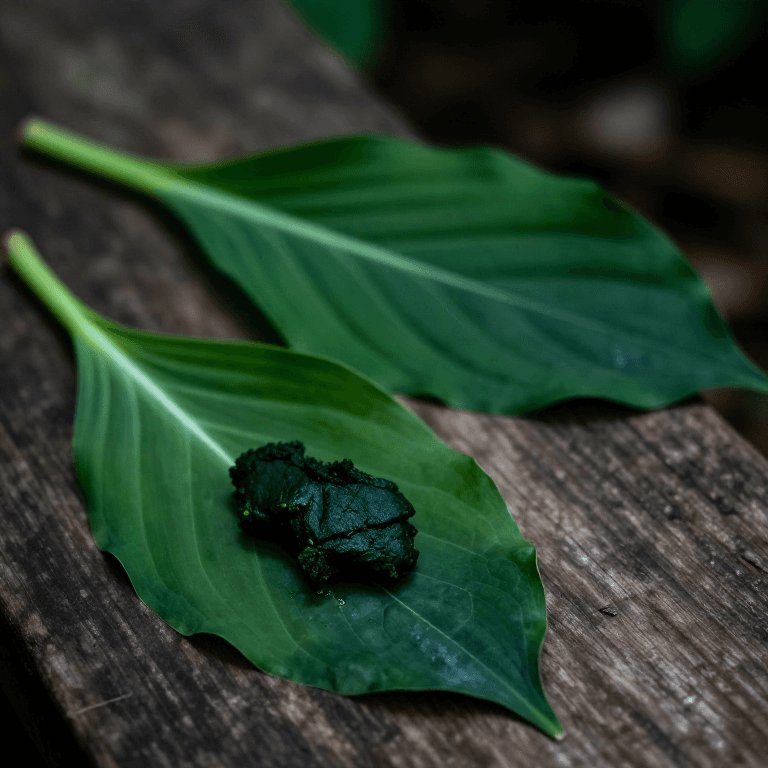
Cover with a Broad Leaf

Place a large, clean leaf — dock, burdock, plantain, or any broad non-toxic leaf — over the yarrow paste. This holds the poultice in place and keeps debris out of the wound. The leaf should overlap the paste edges by at least 2 cm on all sides.

Materialien für diesen Schritt:

Broad Dock LeafBroad Dock Leaf2 Stück
15

Bind the Poultice with Plant Fiber Cordage

Wrap thin plant fiber cordage, a strip of bark, or twisted grass around the limb to hold the leaf and poultice securely in place. Tie firmly enough to prevent slipping but not so tight as to restrict blood flow.

Materialien für diesen Schritt:

CordageCordage1 Meter
16

Check the Poultice After One Hour

After approximately one hour, carefully unwrap and inspect the wound. The bleeding should have slowed or stopped. Check that the paste is still moist and in contact with the wound surface.
17

Replace with Fresh Poultice Every Few Hours

Prepare a new batch of crushed yarrow and replace the poultice every 3 to 4 hours, or sooner if it dries out. Fresh plant material delivers more active compounds than a dried-out poultice. Continue treatment until the wound closes and bleeding stops completely.

Materialien für diesen Schritt:

Yarrow (Achillea millefolium)Yarrow (Achillea millefolium)50 g

Materialien

4

Benötigte Werkzeuge

2

Materialien verbundener Blueprints

CC0 Gemeinfrei

Dieser Blueprint ist unter CC0 veröffentlicht. Sie dürfen dieses Werk für jeden Zweck frei kopieren, ändern, verbreiten und verwenden, ohne um Erlaubnis zu fragen.

Unterstützen Sie den Maker, indem Sie Produkte über seinen Blueprint kaufen, wo er eine Maker-Provision von Anbietern festgelegt, verdient. Oder erstellen Sie eine neue Iteration dieses Blueprints und verbinden Sie ihn in Ihrem eigenen Blueprint, um Einnahmen zu teilen.

Diskussion

(0)

Anmelden um an der Diskussion teilzunehmen

Kommentare werden geladen...