KUNST
SCHÖNHEIT & WELLNESS
HANDWERK
KULTUR & GESCHICHTE
UNTERHALTUNG
UMFELD
ESSEN & GETRÄNKE
REVERSE ENGINEERING
WISSENSCHAFTEN
SPORT
TECHNOLOGIE
WEARABLES
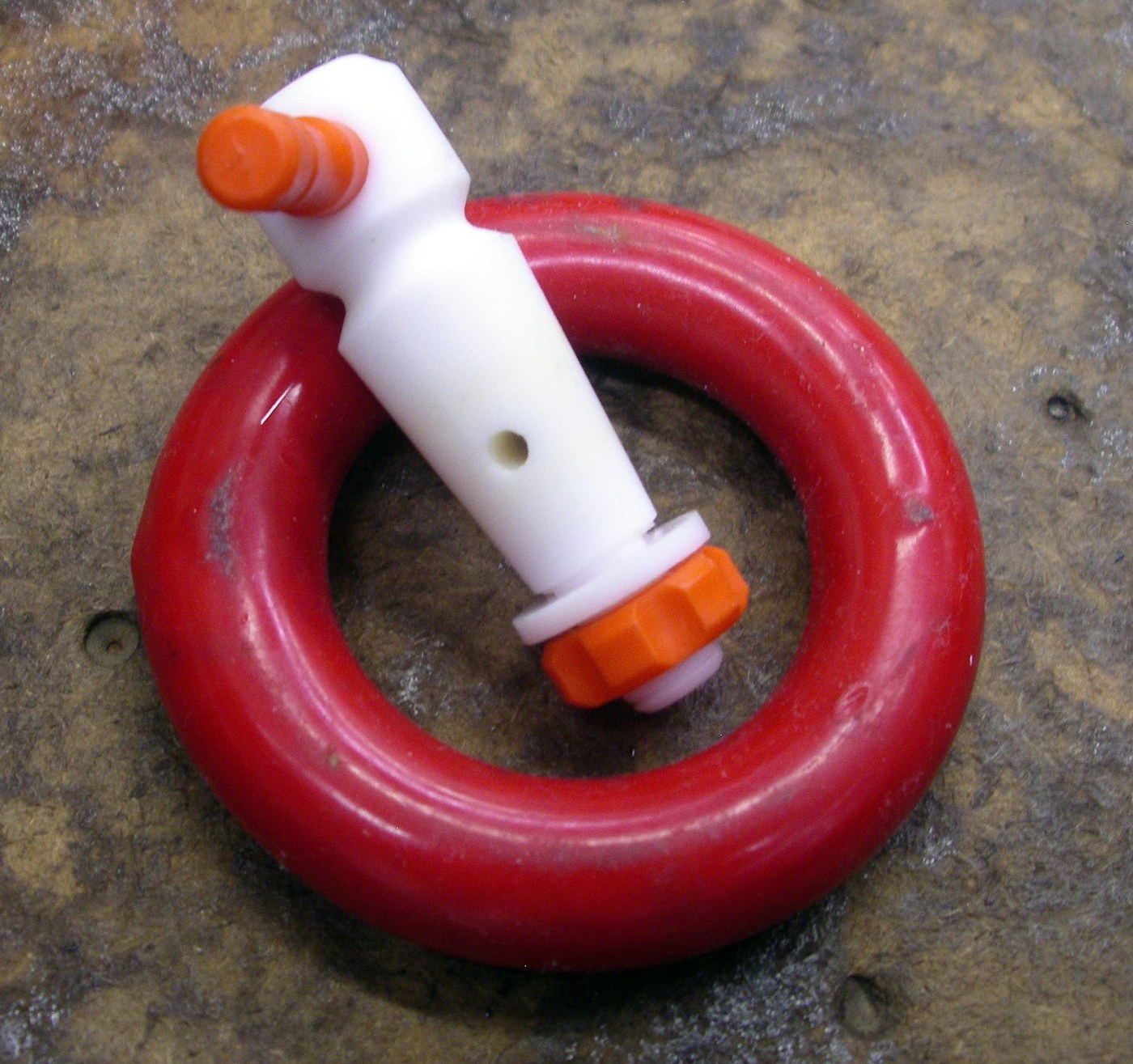


PTFE (Polytetrafluoroethylene)
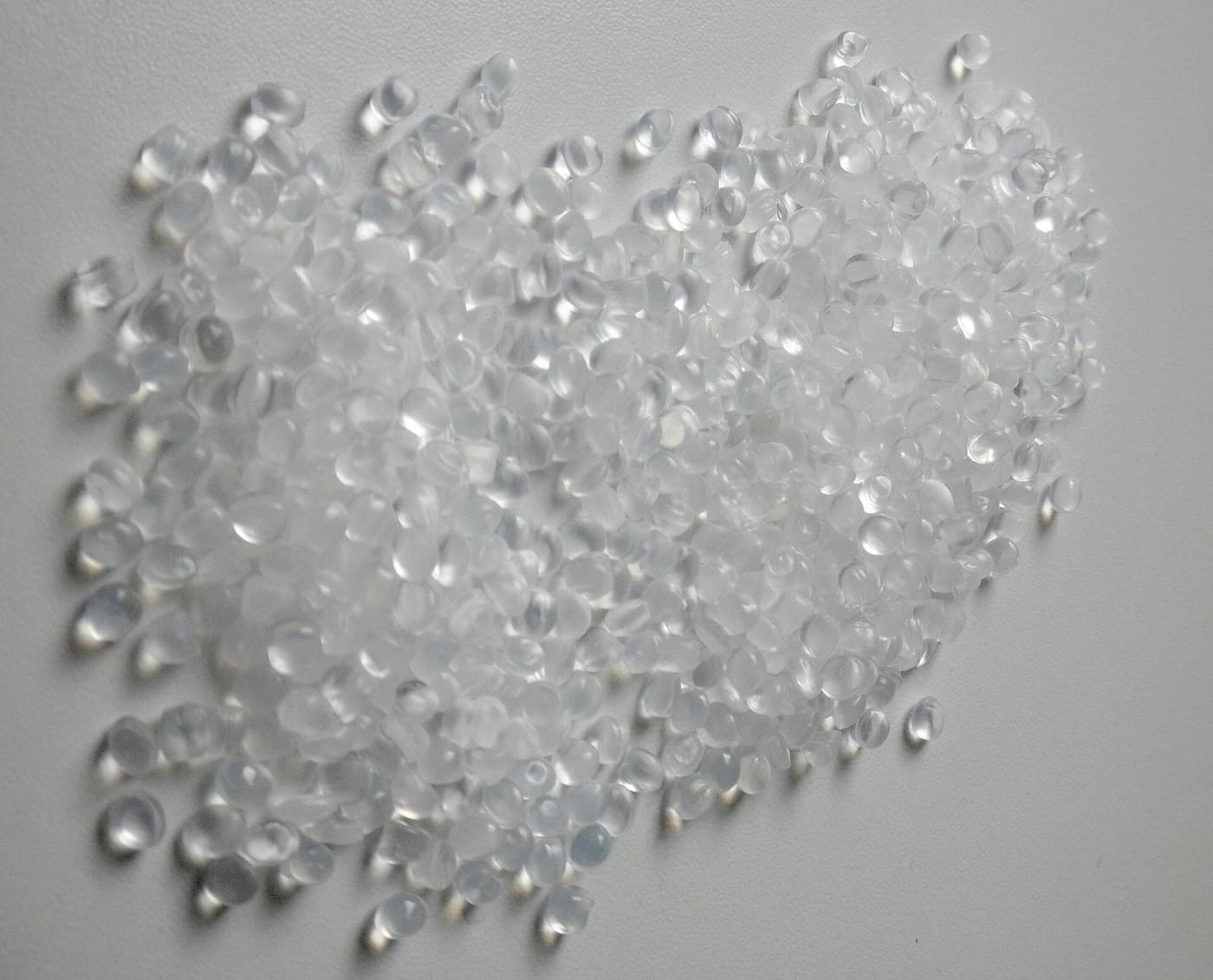
On 6. April 1938 Roy Plunkett at DuPont opened the valve on a cylinder of tetrafluoroethylene gas, a candidate refrigerant, and nothing came out - though the cylinder still weighed full. Sawn open, it held a white waxy powder: the gas had polymerised by itself. The powder resisted every solvent and acid tried on it, did not melt like other plastics, and almost nothing would stick to it.
**US 2,230,654**, "Tetrafluoroethylene polymers", Plunkett, assigned to Kinetic Chemicals, granted 4. February 1941. Its first claim is two words: "Polymerized tetrafluoroethylene."
**Tetrafluoroethylene is explosive and is never handled outside a plant.** You build what the material is for: a hinged tilting ramp that measures the coefficient of friction of PTFE against steel, beside nylon, acrylic and steel itself.
Anfänger
3 hours
Anweisungen
1
1
The rig
The rig
The whole rig: a 400 mm base, a hinged ramp with a steel strip on top, a prop under the raised end, and a faced sled.
2
2
Cut base and ramp
Cut base and ramp
From 18 mm plywood saw two boards 400 x 120 mm. Sand the edges.
Materialien für diesen Schritt:
 Sperrholzplatte1 Stück
Benötigte Werkzeuge:
 Handsäge
 Lineal
 Schraubzwinge in C-Form
3
3
Hinge them
Hinge them
Lay the boards end to end and fit the butt hinge across one short joint with 4 wood screws, pilot-drilled 2 mm. The ramp must lift from flat to 45° without rocking.
Materialien für diesen Schritt:
 Scharnier1 Stück
 Holzschrauben4 Stück
Benötigte Werkzeuge:
 Akkubohrschrauber
 Bohrersatz
 Schraubendreher-Satz
4
4
Fit the steel counterface
Fit the steel counterface
Stick a 360 x 100 mm strip of mild steel sheet to the ramp's top face with double-sided tape. Wipe it with isopropyl alcohol - grease halves any reading.
Materialien für diesen Schritt:
 Baustahlblech1 Stück
Benötigte Werkzeuge:
 Klare Schutzbrille
 Isopropylalkohol 99 %
 Doppelseitiges Klebeband
5
5
Make four sleds
Make four sleds
Saw four 60 x 60 mm plywood blocks. Face one each with PTFE, nylon, acrylic and steel cut to 60 x 60 mm, fixed with double-sided tape. Clean every face with alcohol.
Materialien für diesen Schritt:
Baustahlblech1 StückBenötigte Werkzeuge:
Handsäge Cuttermesser
 PTFE-Platte
 Nylonplatte (6/6)
 AcrylplatteDoppelseitiges Klebeband
6
6
Tilt until it goes
Tilt until it goes
Set a sled 100 mm from the top. Raise the ramp slowly, about 1° per second. Stop the instant it slides and read the angle finder on the ramp. Five tries per sled.
Benötigte Werkzeuge:
 Winkelmesser / WinkelmessgerätLineal
7
7
Load it
Load it
Repeat the PTFE sled with a weight taped on top. The angle should not change.
Benötigte Werkzeuge:
 GewichtWinkelmesser / Winkelmessgerät
8
8
Angles into friction
Angles into friction
Jupyter-Notebook wird geladen …
9
9
History & Context
History & Context
**What the patent specifies:** the polymer of tetrafluoroethylene itself, a solid insoluble in ordinary solvents. **Modern build (derived):** machined PTFE sheet against clean mild steel on a tilting plane.
Its first large use was seals and gaskets for the Manhattan Project's uranium hexafluoride plant, a gas that attacked everything else. DuPont registered Teflon in 1945; non-stick pans followed in the 1950s, and stretched PTFE became Gore-Tex. Its limits: it creeps under steady load, wears quickly without fillers, cannot be glued without etching, and above about 260 °C in use it begins to give off harmful fumes.
Materialien
4- 1 StückPlatzhalter
- 1 StückPlatzhalter
- 4 StückPlatzhalter
- 1 StückPlatzhalter
Benötigte Werkzeuge
15- Platzhalter
- Platzhalter
- Platzhalter
- 1 vendor sell this, none ship to you yetPlatzhalter
- Platzhalter
- Platzhalter
- Platzhalter
- Platzhalter
- Platzhalter
- Platzhalter
- Platzhalter
- Platzhalter
- Platzhalter
- Platzhalter
- Platzhalter
Designdateien
1Verwandte Blueprints
Diese Blueprints teilen Wissen — Techniken, Materialien oder Prinzipien


CC0 Gemeinfrei
Dieser Blueprint ist unter CC0 veröffentlicht. Sie dürfen dieses Werk für jeden Zweck frei kopieren, ändern, verbreiten und verwenden, ohne um Erlaubnis zu fragen.
Unterstützen Sie den Maker, indem Sie Produkte über seinen Blueprint kaufen, wo er eine Maker-Provision von Anbietern festgelegt, verdient. Oder erstellen Sie eine neue Iteration dieses Blueprints und verbinden Sie ihn in Ihrem eigenen Blueprint, um Einnahmen zu teilen.