Zusammenarbeit
KUNST
SCHÖNHEIT & WELLNESS
HANDWERK
KULTUR & GESCHICHTE
UNTERHALTUNG
UMFELD
ESSEN & GETRÄNKE
REVERSE ENGINEERING
WISSENSCHAFTEN
SPORT
TECHNOLOGIE
WEARABLES
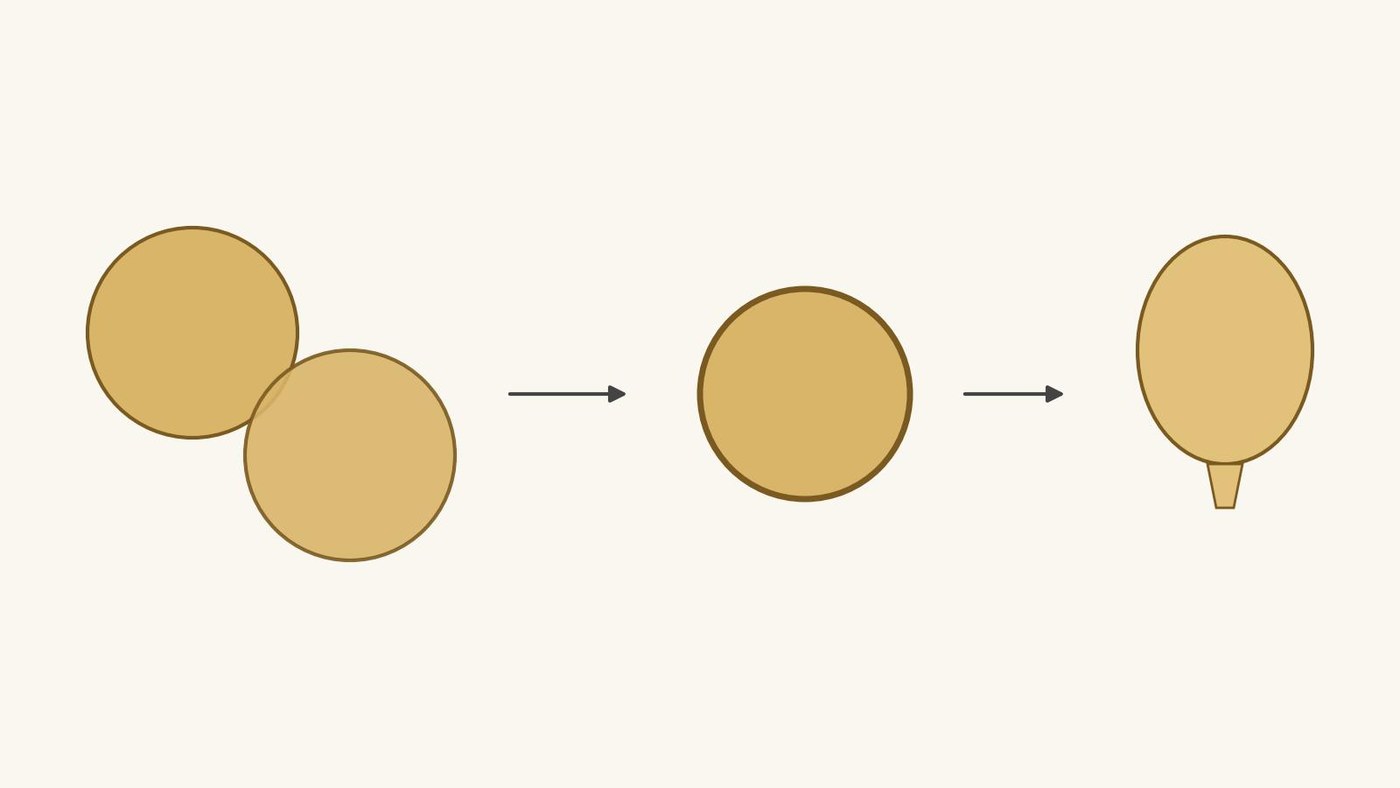


Rubber Balloons: Two Circles of Natural Rubber Sheet Pressed Together at the Edge
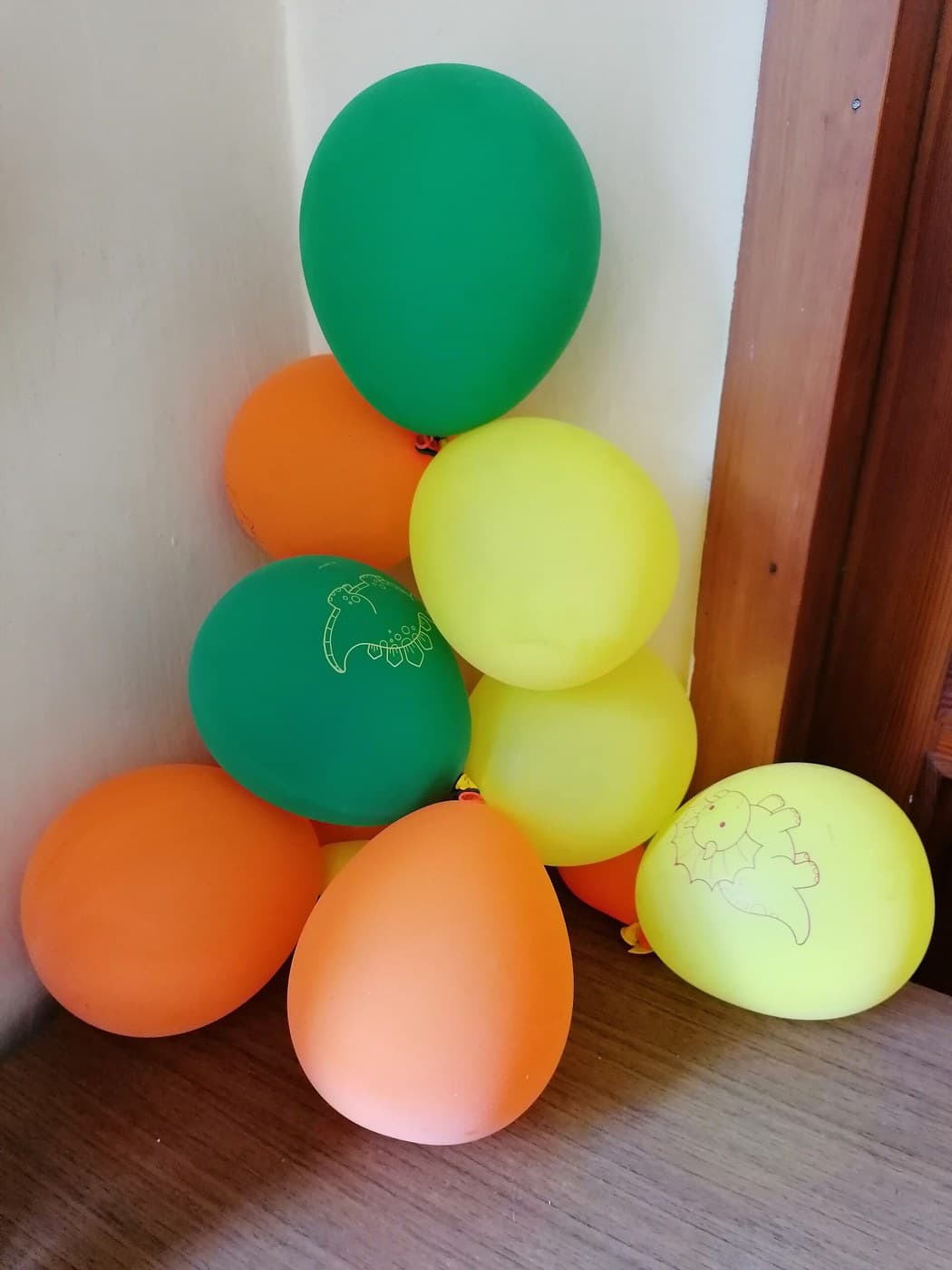
Michael Faraday made the first rubber balloon in 1824, and by 1825 Thomas Hancock sold them as two rubber circles to be joined by pressing their edges together. Cut two circles with a neck tab from thin natural rubber sheet, dust the inner faces, and press the fresh-cut edges hard together.
The picture: our diagram, two circles joined into a balloon.
Anfänger
Half an hour
Anweisungen
1
1
Cut the circles
Cut the circles
Draw a paper circle with a short neck tab, lay it on thin rubber sheet and cut two matching pieces.
Materialien für diesen Schritt:
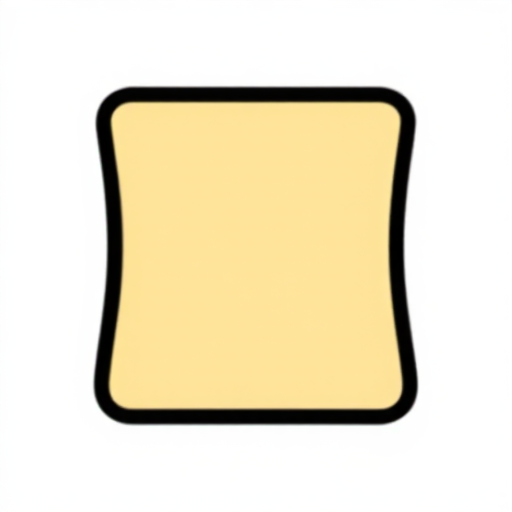 Naturkautschukplatte0.05 m2
Benötigte Werkzeuge:
 Papier
 Bleistift
 Schere
2
2
Dust the insides
Dust the insides
Dust the inner face of each piece lightly with talc, keeping it off the outer edge.
Benötigte Werkzeuge:
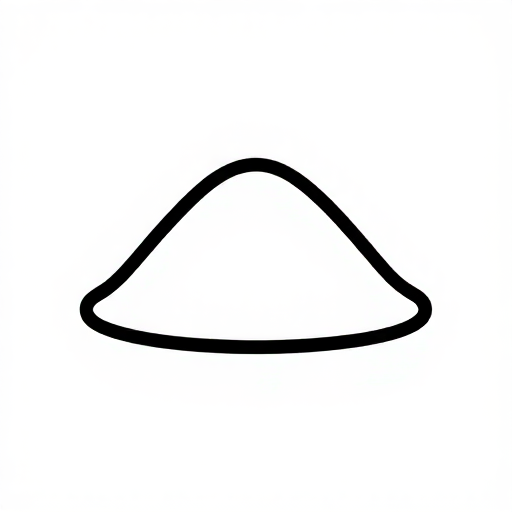 Talkum
3
3
Join the edges
Join the edges
Lay the two pieces together and press and rub the fresh-cut edges hard all round, leaving the neck open.
Benötigte Werkzeuge:
Schere4
4
Test
Test
Blow gently into the neck and listen for leaks; press any leaking edge again.
Benötigte Werkzeuge:
Talkum5
5
Circle size
Circle size
Jupyter-Notebook wird geladen …
Materialien
1- 0.05 m2Platzhalter
Dieser Bauplan stellt her
Verwandte Blueprints
Diese Blueprints teilen Wissen — Techniken, Materialien oder Prinzipien


CC0 Gemeinfrei
Dieser Blueprint ist unter CC0 veröffentlicht. Sie dürfen dieses Werk für jeden Zweck frei kopieren, ändern, verbreiten und verwenden, ohne um Erlaubnis zu fragen.
Unterstützen Sie den Maker, indem Sie Produkte über seinen Blueprint kaufen, wo er eine Maker-Provision von Anbietern festgelegt, verdient. Oder erstellen Sie eine neue Iteration dieses Blueprints und verbinden Sie ihn in Ihrem eigenen Blueprint, um Einnahmen zu teilen.