KUNST
SCHÖNHEIT & WELLNESS
HANDWERK
KULTUR & GESCHICHTE
UNTERHALTUNG
UMFELD
ESSEN & GETRÄNKE
REVERSE ENGINEERING
WISSENSCHAFTEN
SPORT
TECHNOLOGIE
WEARABLES
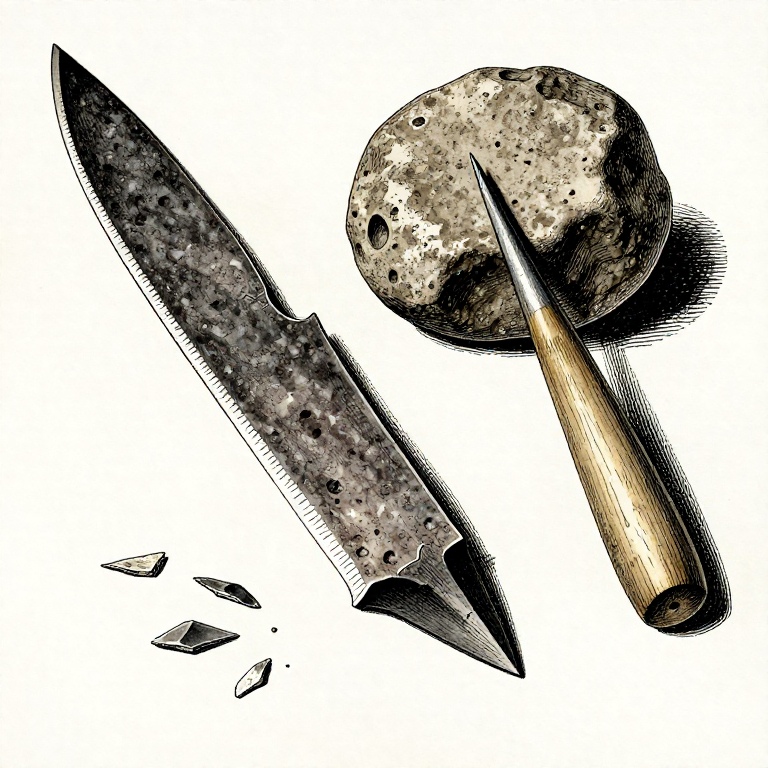
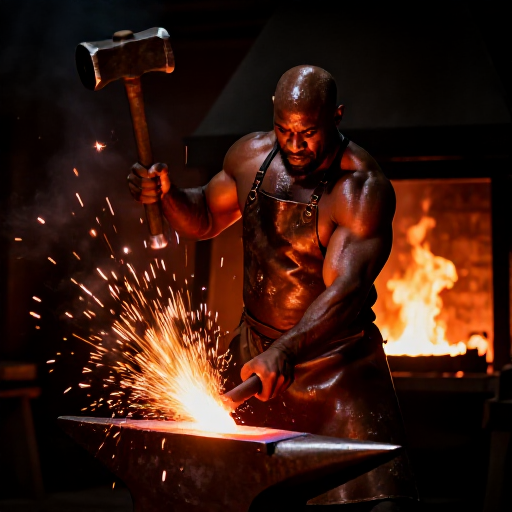

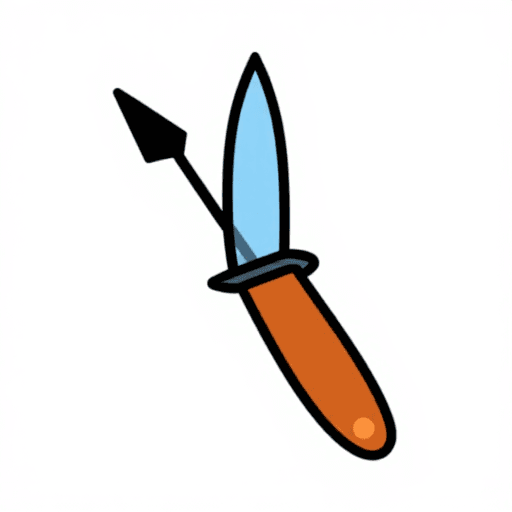
Knapping a Flint Knife — Stone Age Cutting Tool
Flint knapping: 2 million years old, still sharper than surgical steel. Learn percussion flaking to produce a usable knife from stone. Safety: wear eye protection and gloves.
Erfahren
1-2 hours
Anweisungen
1
1
Select Stone
Select Stone
Flint, chert, or obsidian. Waxy luster, rings when tapped, no granular texture. Check riverbeds and limestone outcrops. Avoid cracked stones.
2
2
Platform & Primary Flaking
Platform & Primary Flaking
Strike off a small piece to create a flat platform. Hit 1cm from the edge with hammerstone — strike through the stone, not at it. Each flake creates a new platform.
Entwurf
Diagram: striking angle, platform edge, flake removal direction
Benötigte Werkzeuge:
 Schlagstein
3
3
Shape the Blade
Shape the Blade
Work around the nodule removing flakes to create a leaf shape. Alternate sides to thin evenly. Target: 10-15cm long, thin enough for a sharp edge.
Materialien für diesen Schritt:
 Feuersteinknolle1 Stück
4
4
Refine Edge
Refine Edge
Switch to antler or hardwood baton. Lighter strikes, thinner flakes. Work along the cutting edge for a straight, sharp line.
Benötigte Werkzeuge:
 Geweihschlegel
5
5
Haft (Optional)
Haft (Optional)
Split a wooden handle, insert blade, bind with cordage and pine pitch glue.
Materialien
3- 1 StückPlatzhalter
- 1 StückPlatzhalter
- 1 StückPlatzhalter
Benötigte Werkzeuge
5- Platzhalter
- Platzhalter
- Platzhalter
- Platzhalter
- Platzhalter
Dieser Bauplan stellt her
CC0 Gemeinfrei
Dieser Blueprint ist unter CC0 veröffentlicht. Sie dürfen dieses Werk für jeden Zweck frei kopieren, ändern, verbreiten und verwenden, ohne um Erlaubnis zu fragen.
Unterstützen Sie den Maker, indem Sie Produkte über seinen Blueprint kaufen, wo er eine Maker-Provision von Anbietern festgelegt, verdient. Oder erstellen Sie eine neue Iteration dieses Blueprints und verbinden Sie ihn in Ihrem eigenen Blueprint, um Einnahmen zu teilen.