KUNST
SCHÖNHEIT & WELLNESS
HANDWERK
KULTUR & GESCHICHTE
UNTERHALTUNG
UMFELD
ESSEN & GETRÄNKE
REVERSE ENGINEERING
WISSENSCHAFTEN
SPORT
TECHNOLOGIE
WEARABLES
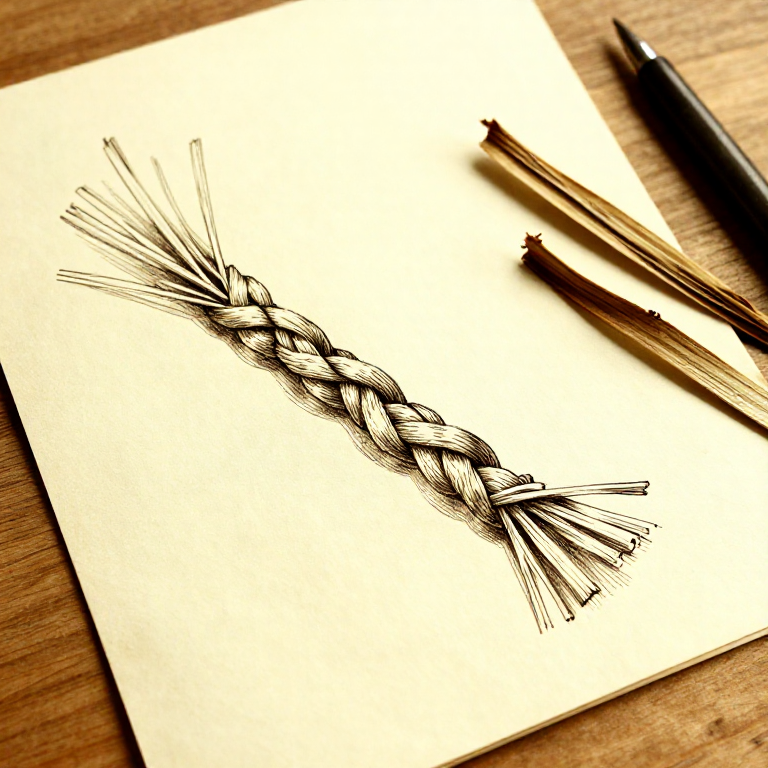


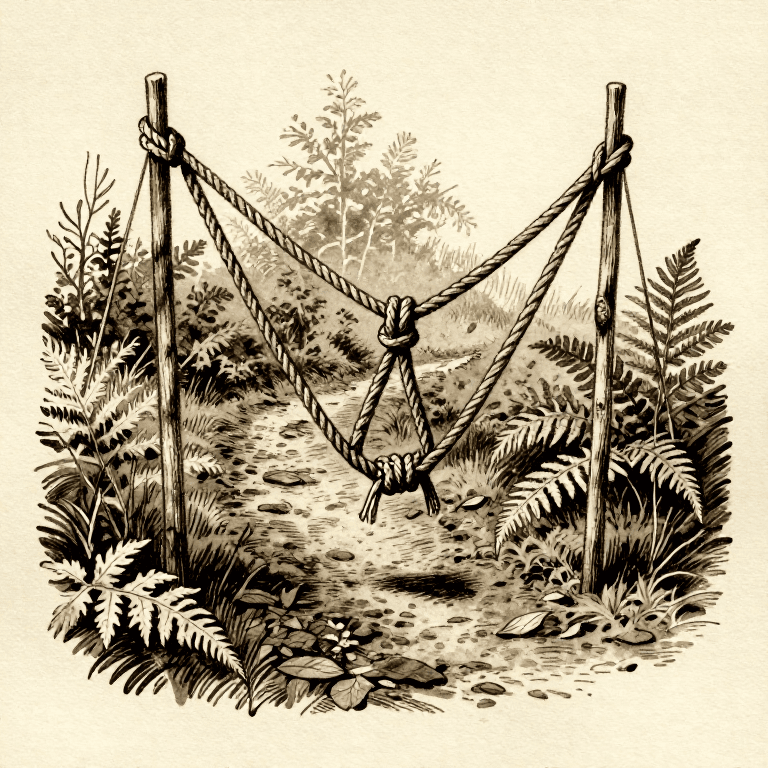
Making Rope from Plant Fibers — Reverse-Wrap Cordage
Make strong rope from plant fibers using the reverse-wrap two-ply method. One of the most fundamental survival skills — needed for shelter, traps, tool hafting, and more.
Anfänger
30-60 minutes
Anweisungen
1
1
Harvest Fiber Plants
Harvest Fiber Plants
Collect dried stalks of nettle, dogbane, milkweed, or inner bark of linden/cedar. 8-10 stalks per meter of rope. Fall/winter stalks work best — dry and brown.
Materialien für diesen Schritt:
 Getrocknete Pflanzenstängel10 Stängel
2
2
Extract Fibers
Extract Fibers
Crush stalks by rolling between hands or pounding with a stone. Peel away outer bark to reveal long inner fibers. Remove any woody pith.
Materialien für diesen Schritt:
Getrocknete Pflanzenstängel10 StängelBenötigte Werkzeuge:
 Glattstein
3
3
Reverse-Wrap Technique
Reverse-Wrap Technique
Twist both halves clockwise, then let them wrap counter-clockwise around each other. The opposing twists lock the rope together.
Entwurf
Diagram: two fiber bundles shown twisting in opposing directions
4
4
Splice to Extend
Splice to Extend
Before a strand runs out, overlap a new fiber by 5cm. Continue twisting — friction holds the splice. Stagger splices so both strands never join at the same point.
5
5
Finish & Test
Finish & Test
Tie an overhand knot at each end. Good cordage holds 20-50kg. For heavier loads, braid 3 finished cords together.
Benötigte Werkzeuge
2- Platzhalter
- Platzhalter
Dieser Bauplan stellt her
Verwandte Blueprints
Diese Blueprints teilen Wissen — Techniken, Materialien oder Prinzipien

CC0 Gemeinfrei
Dieser Blueprint ist unter CC0 veröffentlicht. Sie dürfen dieses Werk für jeden Zweck frei kopieren, ändern, verbreiten und verwenden, ohne um Erlaubnis zu fragen.
Unterstützen Sie den Maker, indem Sie Produkte über seinen Blueprint kaufen, wo er eine Maker-Provision von Anbietern festgelegt, verdient. Oder erstellen Sie eine neue Iteration dieses Blueprints und verbinden Sie ihn in Ihrem eigenen Blueprint, um Einnahmen zu teilen.