KUNST
SCHÖNHEIT & WELLNESS
HANDWERK
KULTUR & GESCHICHTE
UNTERHALTUNG
UMFELD
ESSEN & GETRÄNKE
REVERSE ENGINEERING
WISSENSCHAFTEN
SPORT
TECHNOLOGIE
WEARABLES
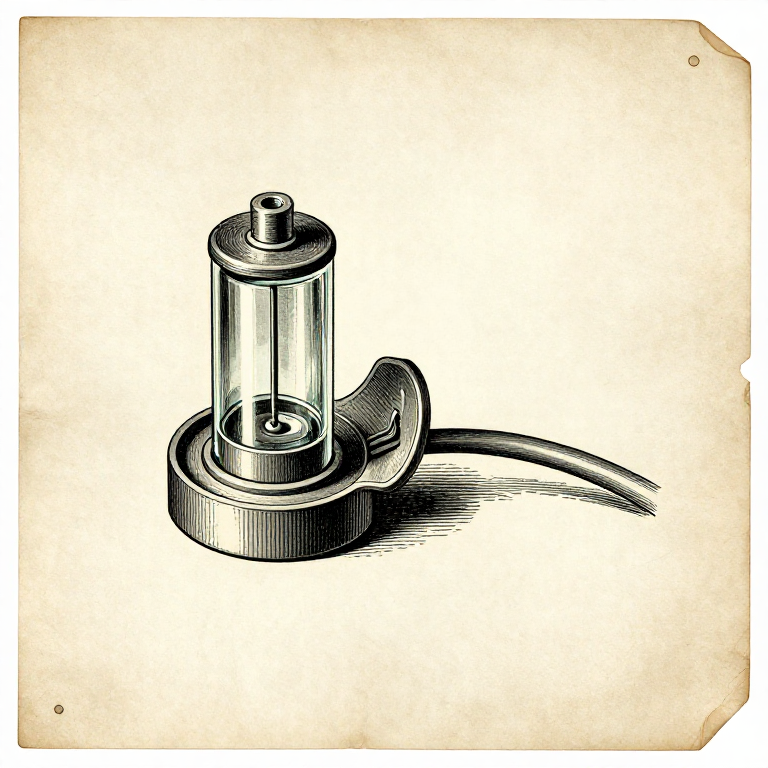


The Fuse Protects the Wire, Not the Thing You Plugged In
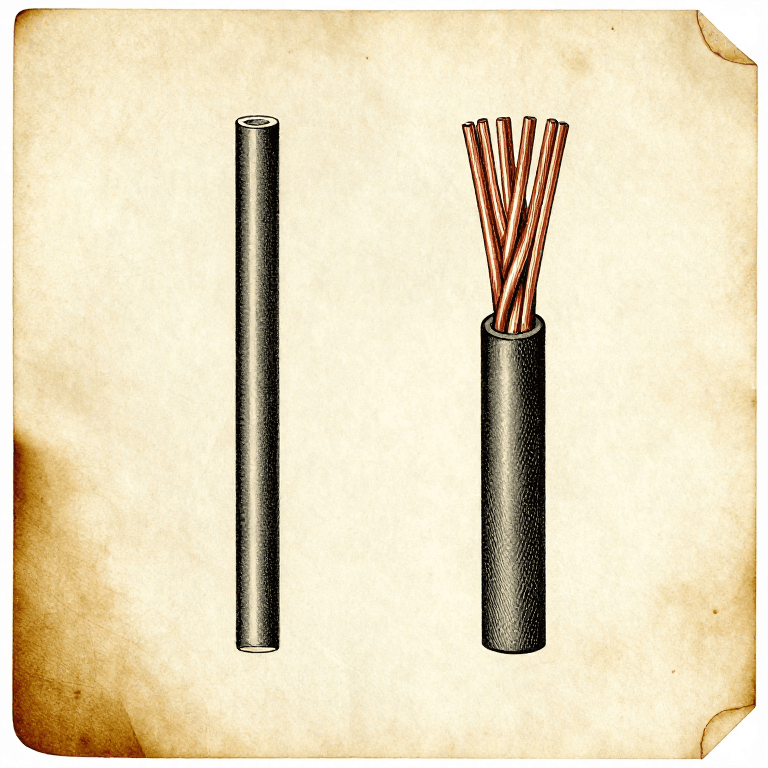
The most widely misunderstood component in wiring. A fuse is not there to save your device — by the time it blows, whatever went wrong has usually already happened. It is there to stop the CABLE becoming a heater.
That single correction changes how you size one. The fuse is chosen from the wire it protects, and it must blow before that wire gets hot enough to melt its insulation or start a fire.
Which means a fuse larger than the cable can carry is worse than no fuse at all: it gives the appearance of protection while guaranteeing the cable fails first.
Fortgeschritten
2 hours
Anweisungen
1
1
Size it to the cable, then check the load fits under it
Size it to the cable, then check the load fits under it
Start from the wire. Find the current that wire can safely carry, pick a fuse below it, and then confirm that the load's normal current — including its startup surge — sits comfortably under the fuse.
If the load needs more than the cable can carry, the answer is a thicker cable, not a bigger fuse. Fitting a larger fuse to stop nuisance blowing is the single most dangerous thing in this rung, and it is extremely common.
Put the fuse at the SUPPLY end of the cable, as close to the power source as possible. A fuse at the far end protects nothing: the whole cable between the battery and the fuse is unprotected, and that is the part most likely to chafe against a chassis.
Benötigte Werkzeuge:
 DC-Sicherungshalter
 Multimeter
 Rechner
 Fuse 5mm 250V 500mA
 Schaltdraht
2
2
Fast, slow and resettable
Fast, slow and resettable
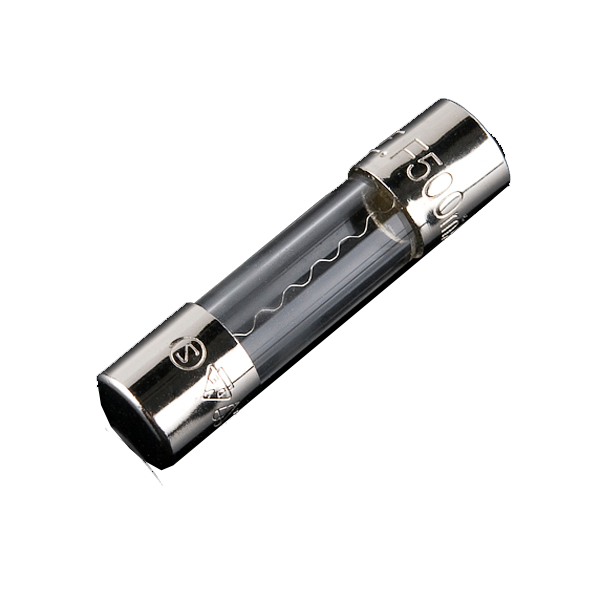
A FAST-BLOW fuse opens almost immediately at its rating. It protects semiconductors, and it will also trip on the inrush of anything with a motor or a large capacitor.
A SLOW-BLOW (time-delay, T-rated) fuse tolerates a brief overload and opens on a sustained one, which is what a motor, a transformer or a supply with big input capacitors needs. Fitting fast where slow is needed produces a fuse that blows every time you switch on, and the usual response is to fit a bigger one — which is the wrong fix for the right symptom.
A POLYFUSE or PTC resets itself when it cools. Convenient for a USB port or something inaccessible, but it is slower and less precise than a real fuse, and it does not protect against everything a fuse does.
Benötigte Werkzeuge:
DC-SicherungshalterMultimeterFuse 5mm 250V 500mA3
3
Check a blown fuse properly, and never bridge one
Check a blown fuse properly, and never bridge one
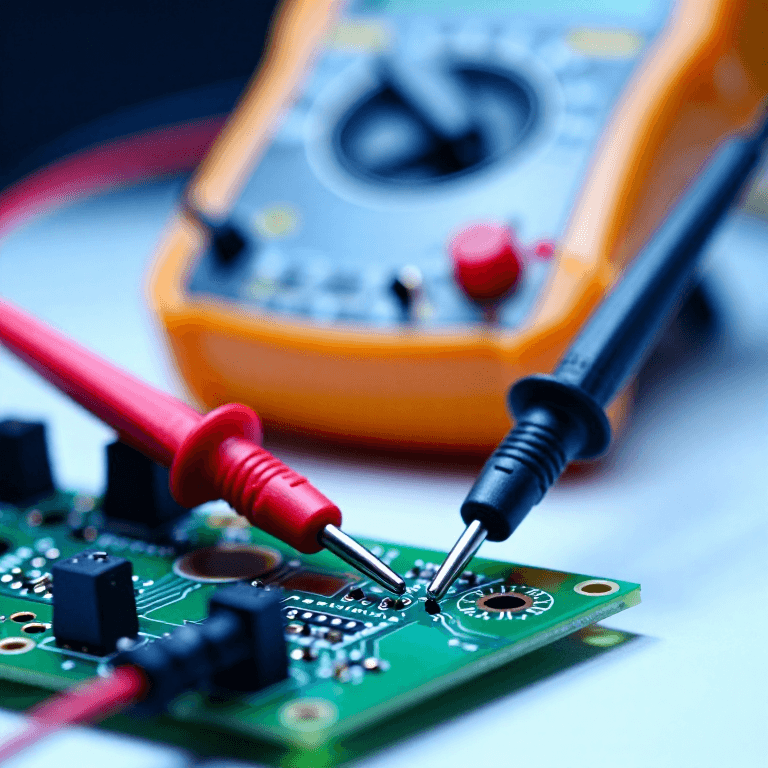
Test a fuse with the meter on continuity, out of its holder. Judging by eye is unreliable: a fuse can open without any visible break, especially a slow-blow one.
A fuse that has blown is reporting a fault. Replacing it with the same rating and seeing whether it goes again is a reasonable test exactly once; fitting a larger one, or wrapping it in foil, or pushing a nail into the holder, converts a contained failure into a fire.
Check the HOLDER too. A corroded or loose fuse holder adds resistance, heats up, and is a common fault in its own right — and it will make a correctly sized fuse blow for no apparent reason.
Benötigte Werkzeuge:
MultimeterDC-Sicherungshalter EinschlaglupeFuse 5mm 250V 500mA
4
4
Mains is a different discipline, and it is regulated
Mains is a different discipline, and it is regulated
Everything in this batch is written for low-voltage DC work. Mains wiring is governed by law in most countries, requires specific cable types, earthing, enclosures and protective devices, and in many places must be done or inspected by a licensed electrician.
The principles carry over — the fuse or breaker still protects the cable, strain relief still matters, a loose terminal still heats up — but the consequences of an error change completely, and so do the rules. Earthing and RCD/GFCI protection have no equivalent at 12 V and are not optional.
So: learn the craft on low voltage, where a mistake costs a component. For anything connected to a wall socket, find out what your jurisdiction actually requires before you start, and get it inspected. This is one of the few places in making where 'try it and see' is the wrong method.
Benötigte Werkzeuge:
Multimeter Klare Schutzbrille
Verwandte Blueprints
Diese Blueprints teilen Wissen — Techniken, Materialien oder Prinzipien

CC0 Gemeinfrei
Dieser Blueprint ist unter CC0 veröffentlicht. Sie dürfen dieses Werk für jeden Zweck frei kopieren, ändern, verbreiten und verwenden, ohne um Erlaubnis zu fragen.
Unterstützen Sie den Maker, indem Sie Produkte über seinen Blueprint kaufen, wo er eine Maker-Provision von Anbietern festgelegt, verdient. Oder erstellen Sie eine neue Iteration dieses Blueprints und verbinden Sie ihn in Ihrem eigenen Blueprint, um Einnahmen zu teilen.