KUNST
SCHÖNHEIT & WELLNESS
HANDWERK
KULTUR & GESCHICHTE
UNTERHALTUNG
UMFELD
ESSEN & GETRÄNKE
REVERSE ENGINEERING
WISSENSCHAFTEN
SPORT
TECHNOLOGIE
WEARABLES
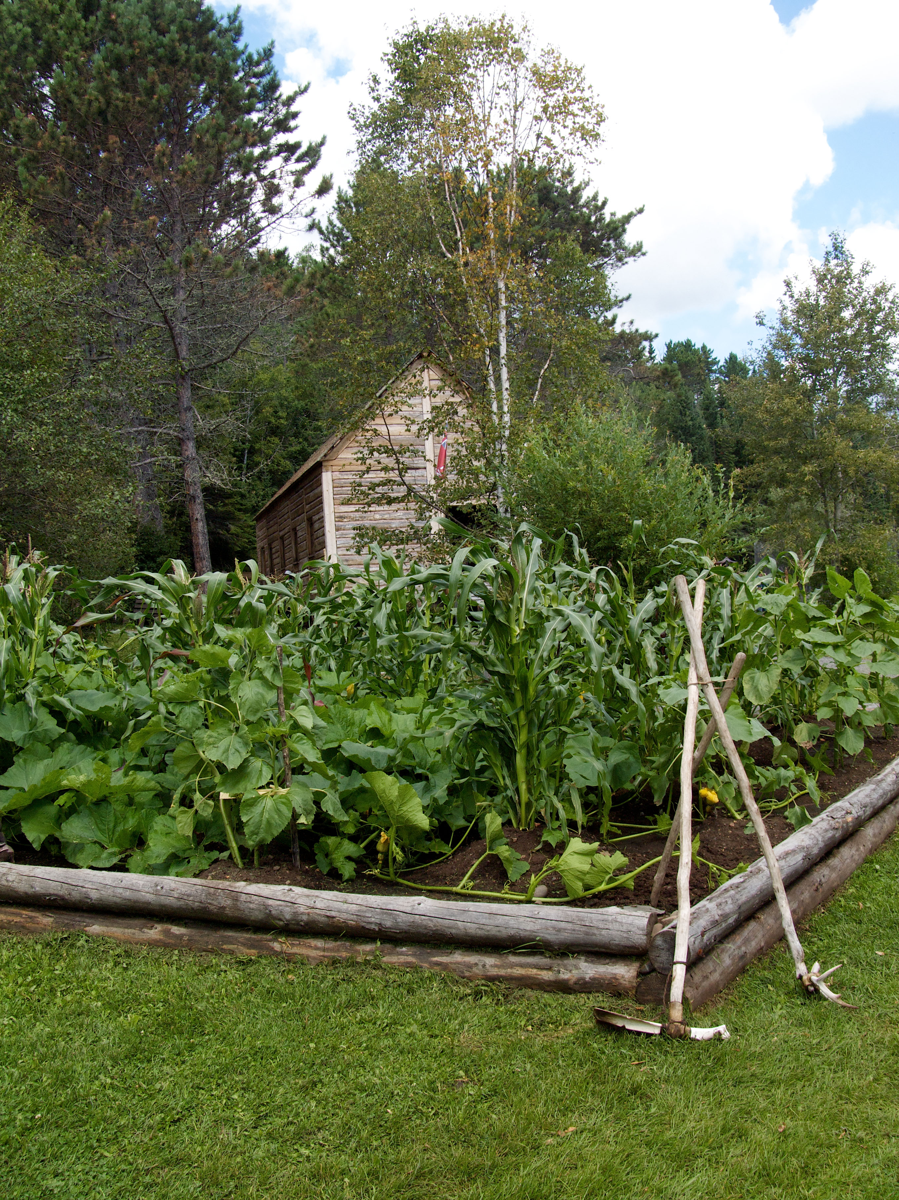
National Park Service (NPS) · Public Domain


The Three Sisters — Growing Maize, Beans and Squash Together
Grow the ancient Native American trio that helps itself: MAIZE gives the beans a pole to climb, BEANS pull nitrogen from the air to feed all three, and SQUASH sprawls below as a living mulch that shades out weeds. Plant them in the right order and one small mound feeds you three ways. A buildable school project in companion planting and nitrogen fixation.
Anfänger
One growing season
Anweisungen
1
1
Three crops that help each other
Three crops that help each other
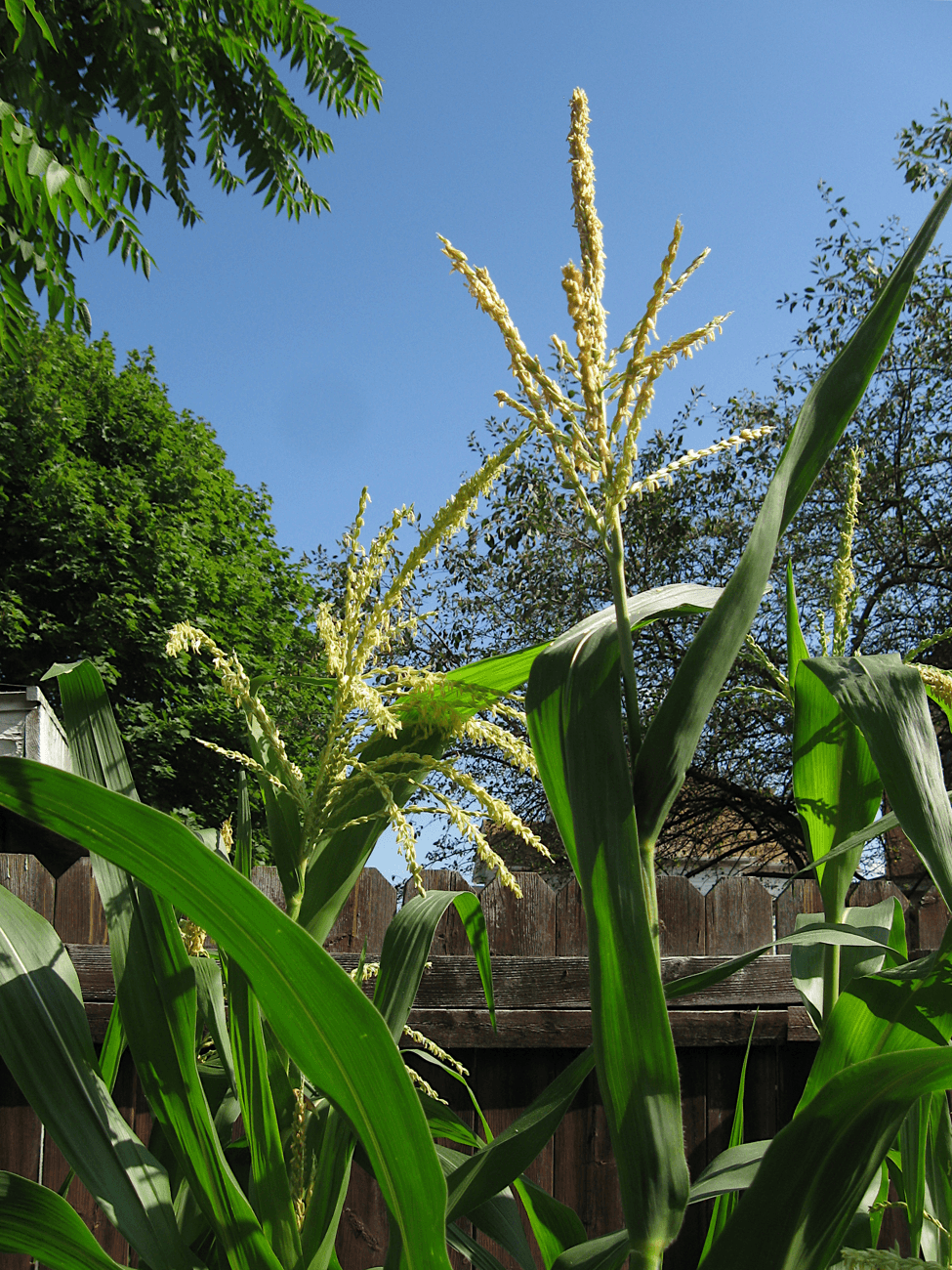
The Three Sisters are maize (corn), climbing beans and squash, grown together in one mound so each helps the others: the corn is a living beanpole, the beans feed the soil, and the squash carpets the ground below. Grown apart they compete; grown together they cooperate.
2
2
Build the mound
Build the mound
In warm soil, make a low flat-topped mound about a metre across, enriched with compost. Traditional gardens have many mounds a step apart — remember maize is wind-pollinated, so plant a BLOCK of mounds, not a single row, for well-filled cobs.
Materialien für diesen Schritt:
 Kompost1 bag
Benötigte Werkzeuge:
 Pflanzkelle
3
3
Plant the maize first
Plant the maize first
Sow a small cluster of four or so corn seeds in the centre of each mound and let them get a head start. The corn MUST be established and knee-high before the beans go in, or the fast beans will swamp the young corn.
Materialien für diesen Schritt:
 Maissamen1 packet
4
4
Add the beans
Add the beans
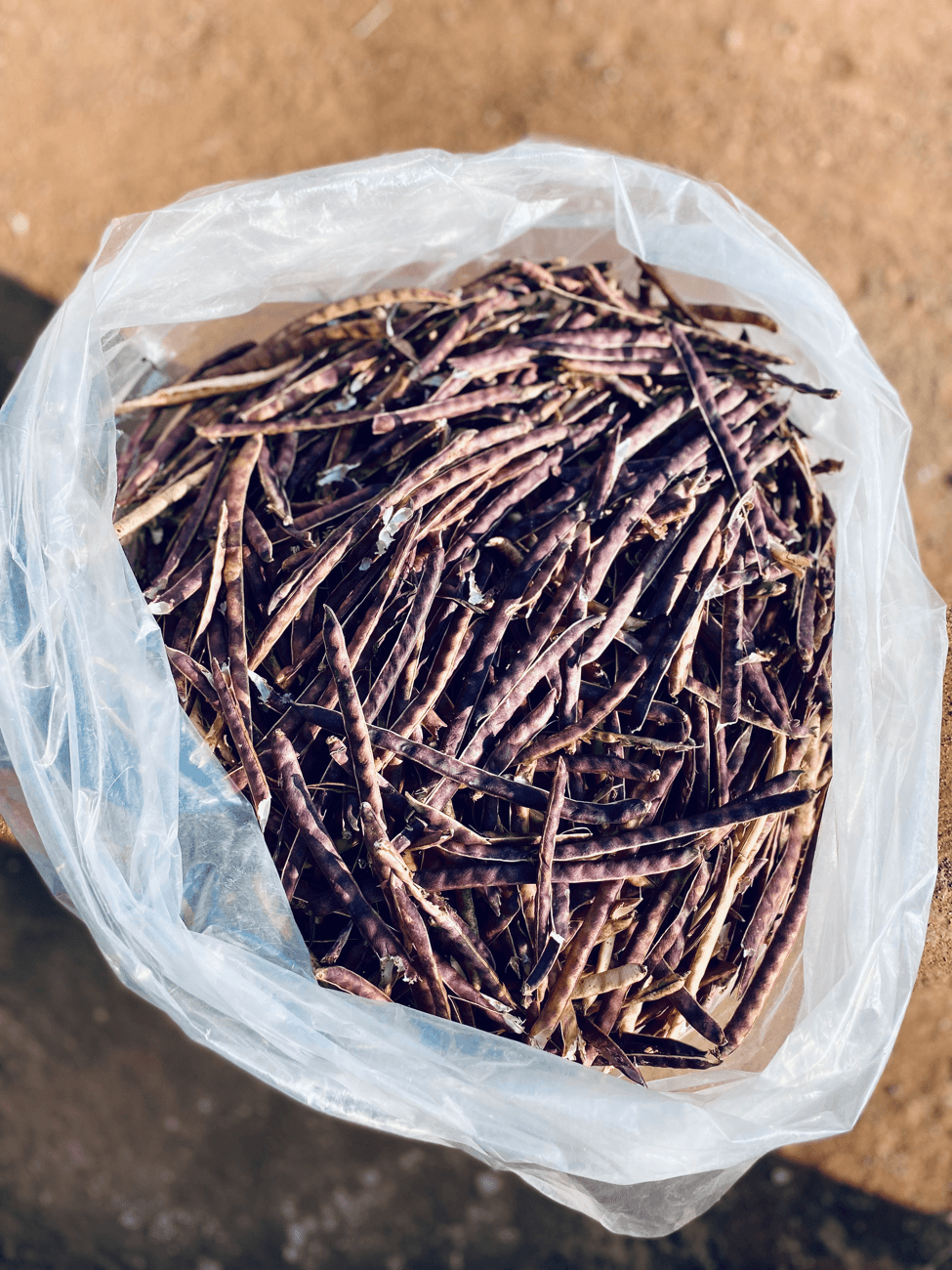
When the corn is about 15-30 cm tall, sow a few CLIMBING (pole) beans around the base of each cluster. As they grow they twine up the corn stalks, which serve as free, living beanpoles — no stakes needed.
Materialien für diesen Schritt:
 Bohnensamen1 packet
5
5
Add the squash
Add the squash
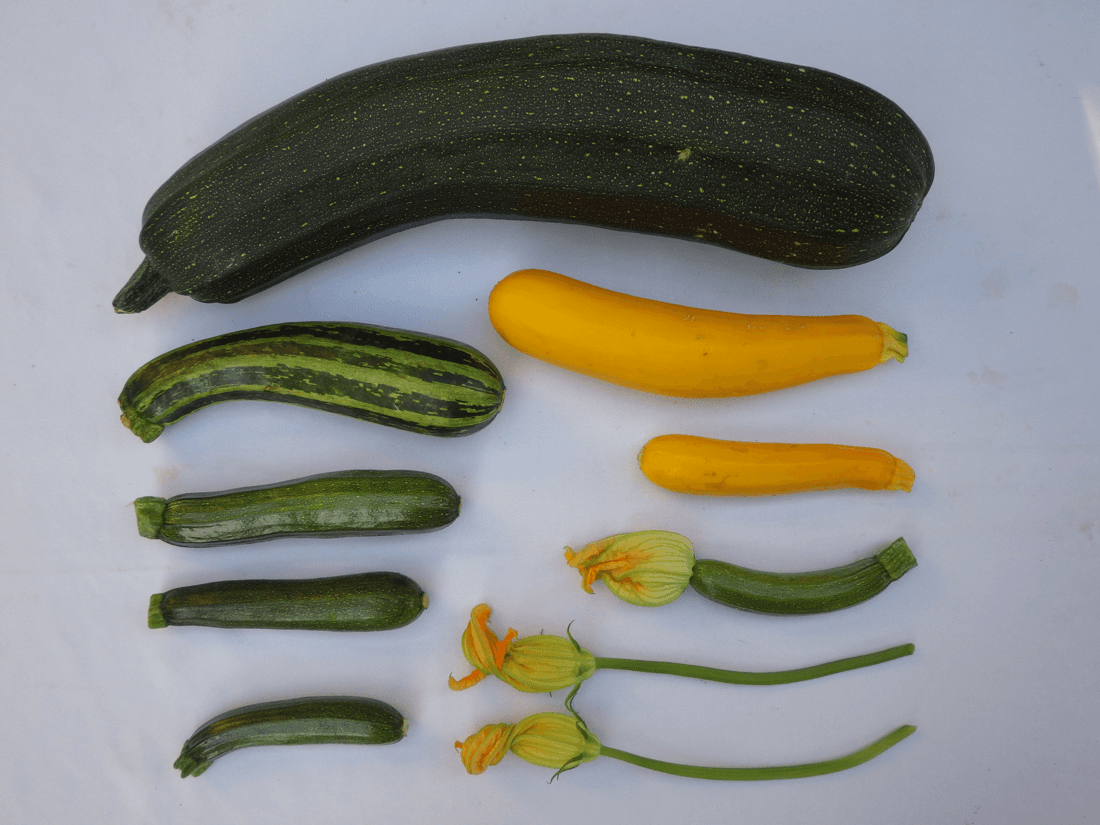
Around the edges of the mounds, sow a few squash or pumpkin seeds. Their big leaves spread across the open ground between the corn, shading the soil like a living blanket.
Materialien für diesen Schritt:
 Kürbiskerne zur Aussaat1 packet
6
6
Grow and harvest the trio
Grow and harvest the trio
Keep it watered while young; once the squash covers the ground you'll water and weed far less. Pick beans through summer, then harvest the corn and let the squash ripen hard into autumn. Three staple foods from one patch — and together corn and beans even make a complete protein.
Materialien für diesen Schritt:
 Haftetiketten1 Blatt
7
7
Compendium — companion planting and nitrogen fixation
Compendium — companion planting and nitrogen fixation
The Three Sisters is the world's most famous example of COMPANION PLANTING — growing different species together so they help rather than merely compete. Each sister fills a different niche and does a different job. The MAIZE grows tall and straight, turning sunlight high overhead into grain and offering its strong stalk as a trellis. The climbing BEANS use that trellis to reach the light without wood or wire — but their real gift is underground: beans are legumes, and their roots house nitrogen-fixing bacteria (rhizobia) in little nodules that pull nitrogen gas straight out of the air and turn it into fertiliser the plants can use, feeding the notoriously nitrogen-hungry corn and squash and enriching the soil for next year. The SQUASH plays the ground floor: its broad leaves sprawl into a living mulch that shades the soil to keep it cool and moist, smothers weeds by stealing their light, and (with prickly stems) discourages raccoons and deer. So the three share the space in three dimensions — tall grain, climbing legume, ground-hugging vine — instead of fighting over the same one, and they trade services: structure for nitrogen for weed-control. This is the heart of companion planting and of PERMACULTURE: stack plants that complement each other in height, root depth, timing and needs, and a mixed planting can outproduce and out-resist the same crops grown alone. Developed independently by Indigenous peoples across the Americas over thousands of years, the Three Sisters is both a farming system and a nutritional one — corn and beans together supply a complete protein, and the squash adds vitamins and oil — a piece of ancient agricultural genius still worth copying in any garden.
Materialien
5- 1 bagPlatzhalter
- 1 packetPlatzhalter
- 1 packetPlatzhalter
- 1 packetPlatzhalter
- 1 BlattPlatzhalter
Benötigte Werkzeuge
1- Platzhalter
Verwandte Blueprints
Diese Blueprints teilen Wissen — Techniken, Materialien oder Prinzipien
CC0 Gemeinfrei
Dieser Blueprint ist unter CC0 veröffentlicht. Sie dürfen dieses Werk für jeden Zweck frei kopieren, ändern, verbreiten und verwenden, ohne um Erlaubnis zu fragen.
Unterstützen Sie den Maker, indem Sie Produkte über seinen Blueprint kaufen, wo er eine Maker-Provision von Anbietern festgelegt, verdient. Oder erstellen Sie eine neue Iteration dieses Blueprints und verbinden Sie ihn in Ihrem eigenen Blueprint, um Einnahmen zu teilen.