Zusammenarbeit
KUNST
SCHÖNHEIT & WELLNESS
HANDWERK
KULTUR & GESCHICHTE
UNTERHALTUNG
UMFELD
ESSEN & GETRÄNKE
REVERSE ENGINEERING
WISSENSCHAFTEN
SPORT
TECHNOLOGIE
WEARABLES
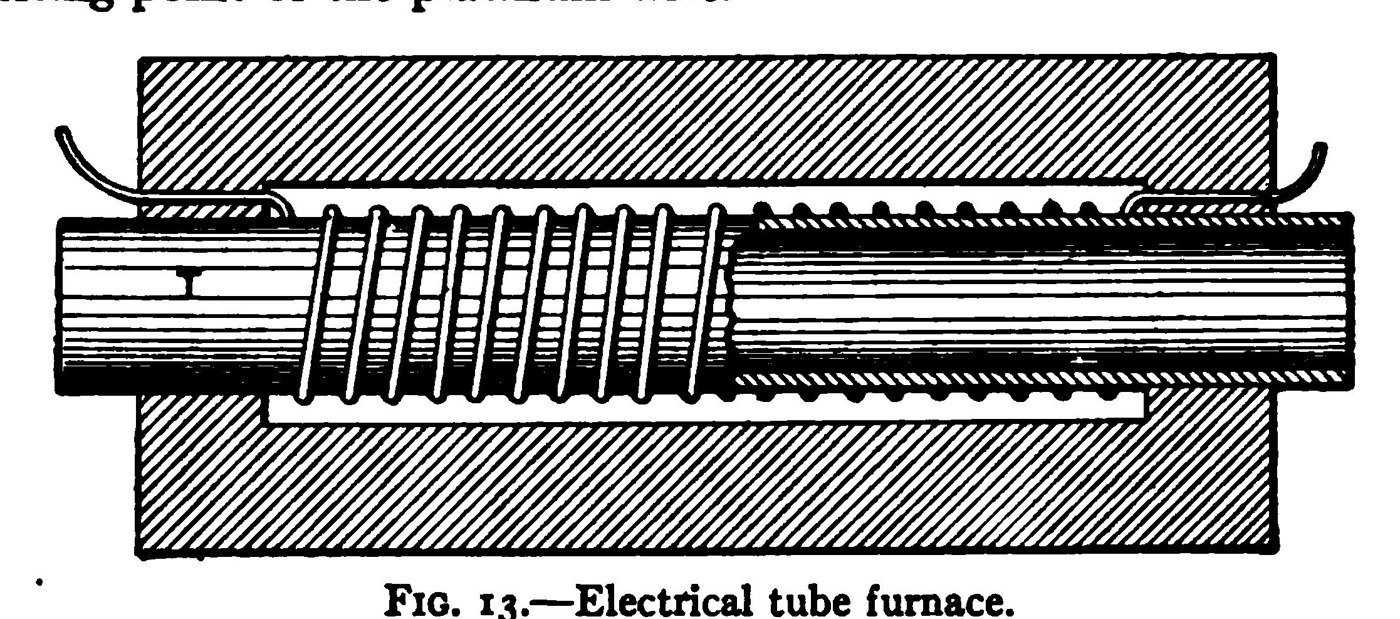


Tube Furnace: Porcelain Tube Wound with Platinum Wire in a Heat-Retaining Jacket (Stansfield, 1914)
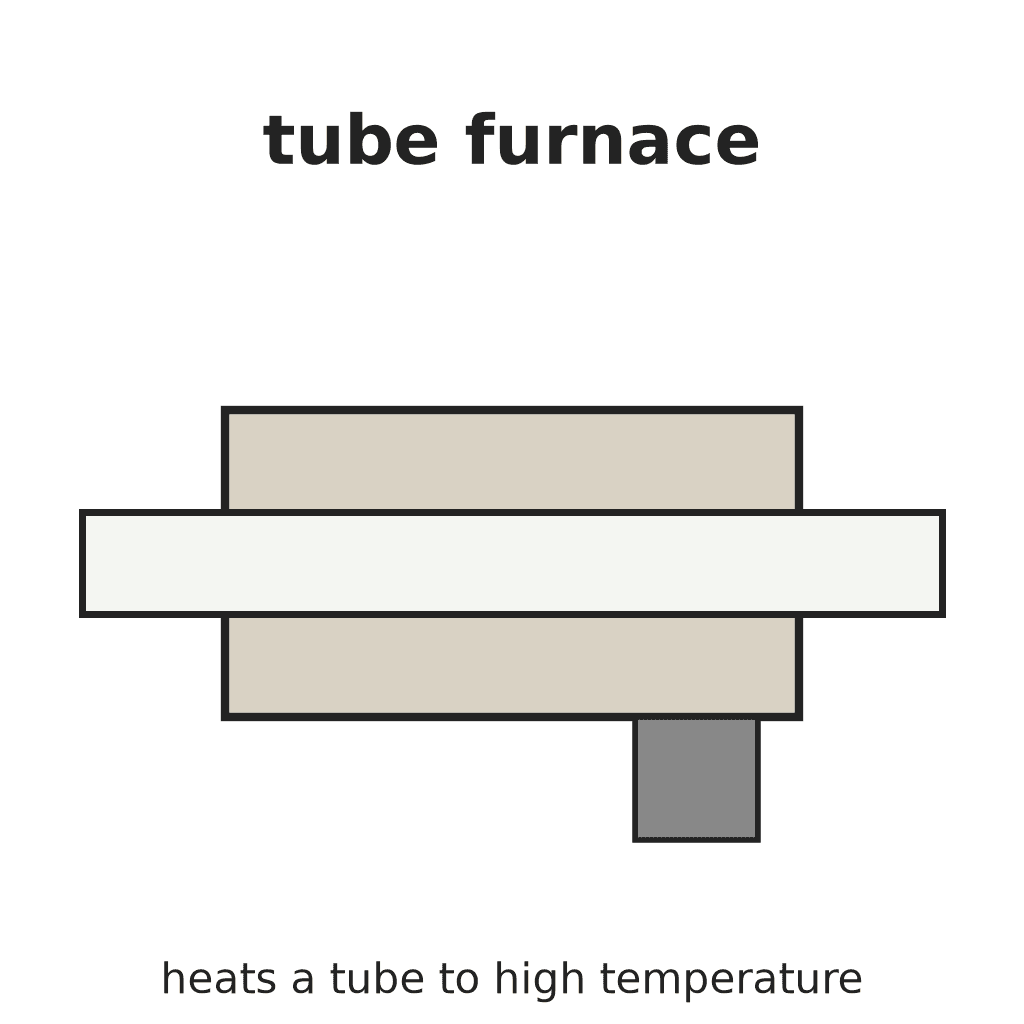
The laboratory tube furnace: a porcelain tube wound with a spiral of platinum wire and wrapped in a heat-retaining jacket. Current through the wire heats the tube and whatever is inside it. A gas can be passed through the tube, the work watched through windows at the ends, and the temperature read with a thermocouple pushed in from one end.
Result: a small furnace for heating a material in any chosen gas at moderate temperatures, well short of platinum's melting point.
Source: A. Stansfield, The Electric Furnace: Its Construction, Operation and Uses (2nd ed., 1914), pp. 24-25 and 154. Unknown: sizes, the jacket material, current and voltage. Picture: Stansfield, Fig. 13.
Fortgeschritten
2 days
Anweisungen
1
1
Wind the tube
Wind the tube
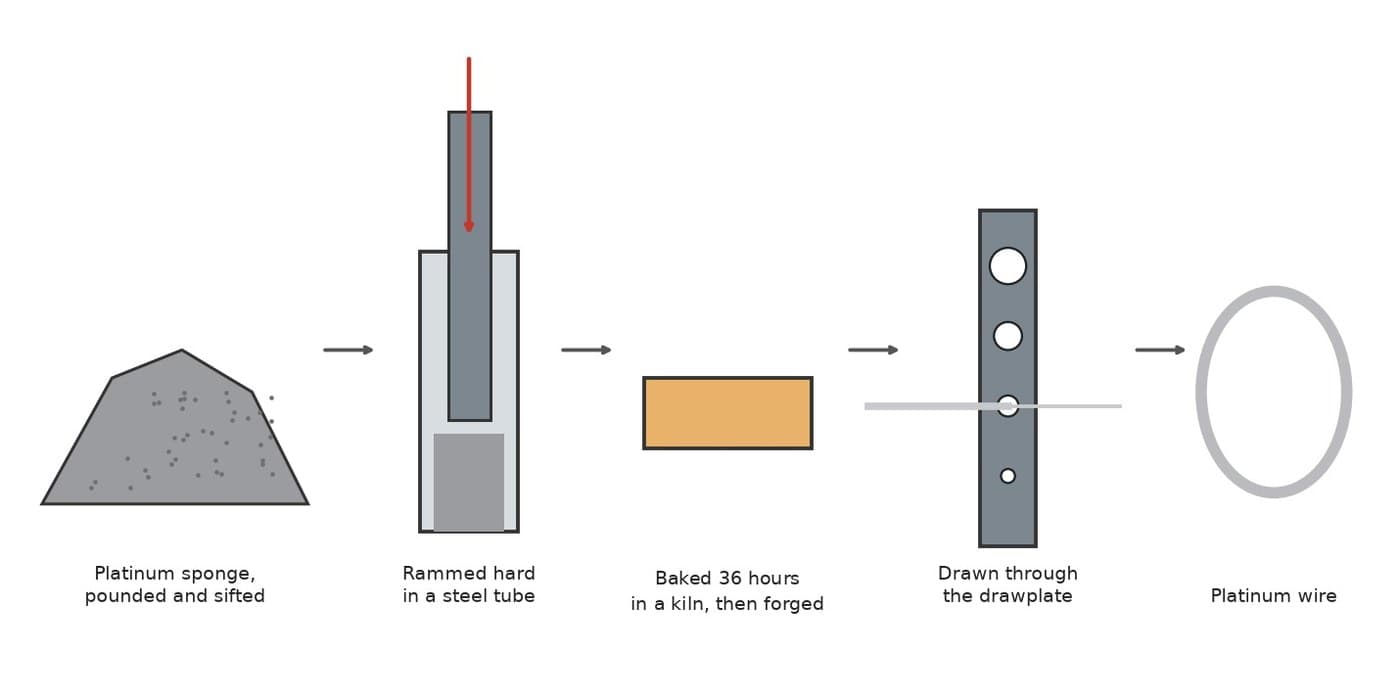
Take a tube of porcelain; fire-clay, silica or alundum also serve. Wind a spiral of platinum wire round it, leaving the leads free. Fix the turns so they cannot shift or touch each other when the wire expands with the heat, or they will short-circuit. Platinum foil can be wound instead of wire: its larger surface heats faster for the same weight of platinum. Not given: sizes, wire gauge, number of turns.
Materialien für diesen Schritt:
 Porzellanrohr1 Stück
 Platindraht1 as required
Benötigte Werkzeuge:
 Zangensatz
 Unbekannte Maße
2
2
Jacket it
Jacket it
Enclose the wound tube in a heat-retaining envelope, so the heat stays in the tube. The tube ends stick out through the envelope. Not given: the envelope material.
Materialien für diesen Schritt:
 Unbekanntes Material1 heat-retaining envelope
Benötigte Werkzeuge:
Unbekannte Maße3
3
Fit windows and the thermocouple
Fit windows and the thermocouple
Close the tube ends with windows of glass or mica to watch the work. Push a thermocouple pyrometer in from one end and watch from the other. Leave a way in and out at the ends when you want a stream of gas through the tube.
Materialien für diesen Schritt:
 Glimmerplatte1 end windows
Benötigte Werkzeuge:
 Thermoelement mit Anzeige
4
4
Heat
Heat
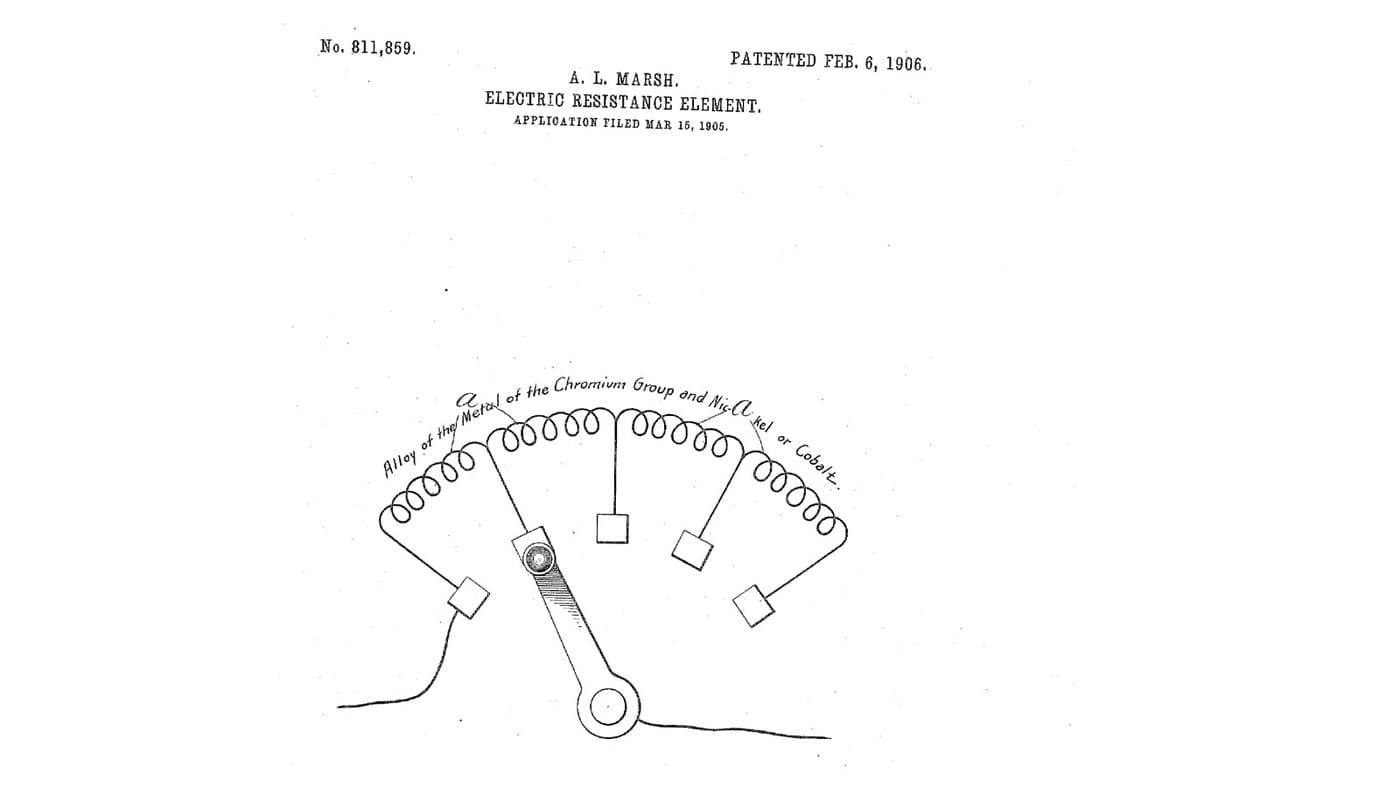
Put the material in the tube and pass current through the wire. The wire can run at any temperature below platinum's melting point (1,755 °C, 3,200 °F, as the book gives it). In practice the tube and envelope limit the furnace to temperatures far below that. Nickel or nichrome coils are cheaper, but they cannot go as hot and in time they oxidise. Not given: current and voltage.
Benötigte Werkzeuge:
Thermoelement mit Anzeige Multimeter
Materialien
4- 1 StückPlatzhalter
- 1 as requiredPlatzhalter
- 1 heat-retaining envelopePlatzhalter
- 1 end windowsPlatzhalter
Benötigte Werkzeuge
4- Platzhalter
- Platzhalter
- Platzhalter
- Platzhalter
Materialien verbundener Blueprints

Dieser Bauplan stellt her
Verwandte Blueprints
Diese Blueprints teilen Wissen — Techniken, Materialien oder Prinzipien

CC0 Gemeinfrei
Dieser Blueprint ist unter CC0 veröffentlicht. Sie dürfen dieses Werk für jeden Zweck frei kopieren, ändern, verbreiten und verwenden, ohne um Erlaubnis zu fragen.
Unterstützen Sie den Maker, indem Sie Produkte über seinen Blueprint kaufen, wo er eine Maker-Provision von Anbietern festgelegt, verdient. Oder erstellen Sie eine neue Iteration dieses Blueprints und verbinden Sie ihn in Ihrem eigenen Blueprint, um Einnahmen zu teilen.