
KUNST
SCHÖNHEIT & WELLNESS
HANDWERK
KULTUR & GESCHICHTE
UNTERHALTUNG
UMFELD
ESSEN & GETRÄNKE
REVERSE ENGINEERING
WISSENSCHAFTEN
SPORT
TECHNOLOGIE
WEARABLES
Venetian Borax: Refining Tincal with Lime
Charlie

Erstellt von

Charlie

13. Oktober 2026DE
14
0
0
0
0

Venetian Borax: Refining Tincal with Lime

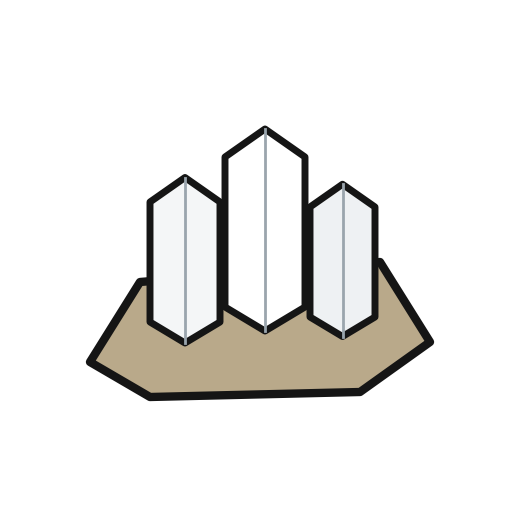
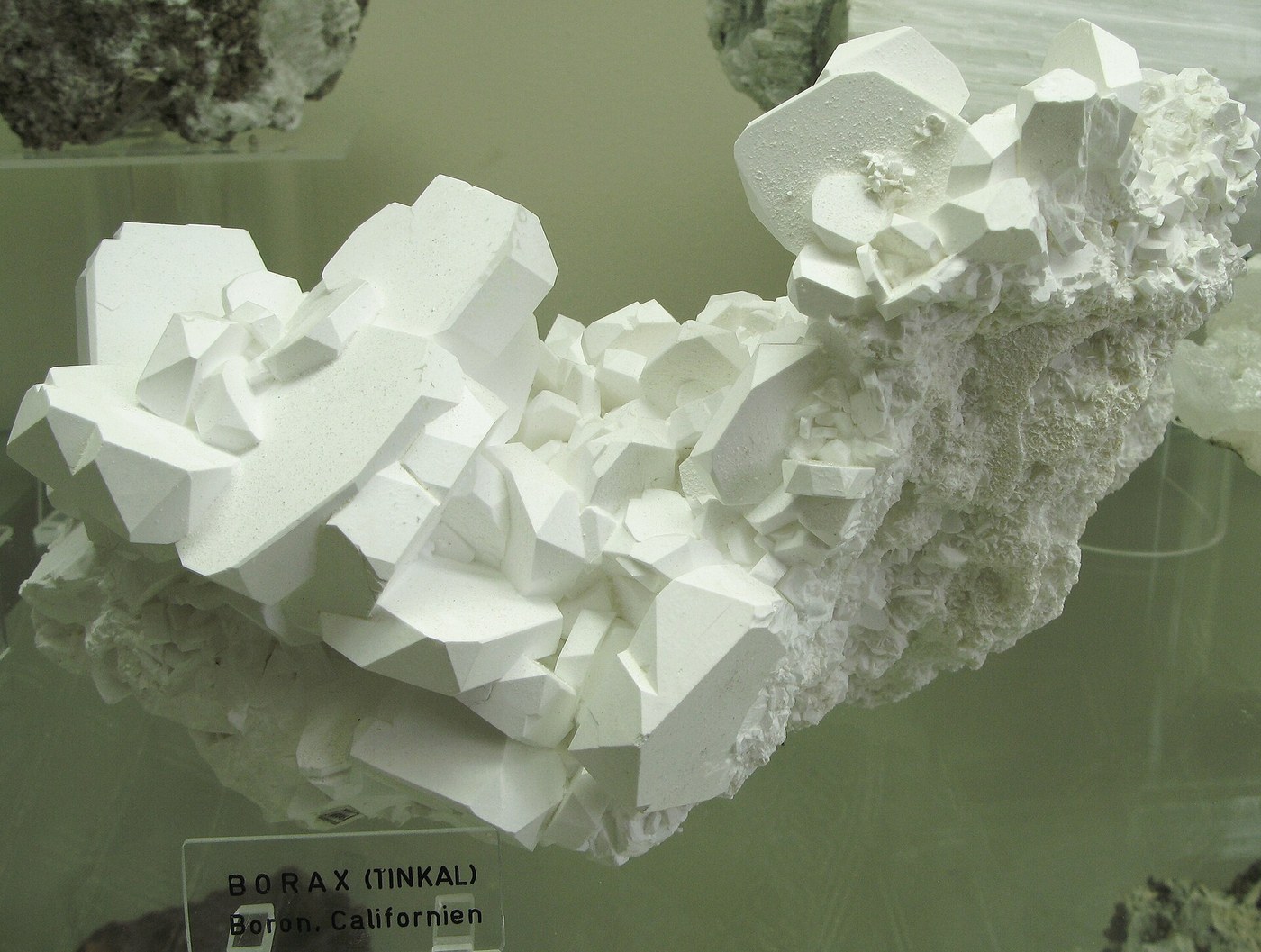
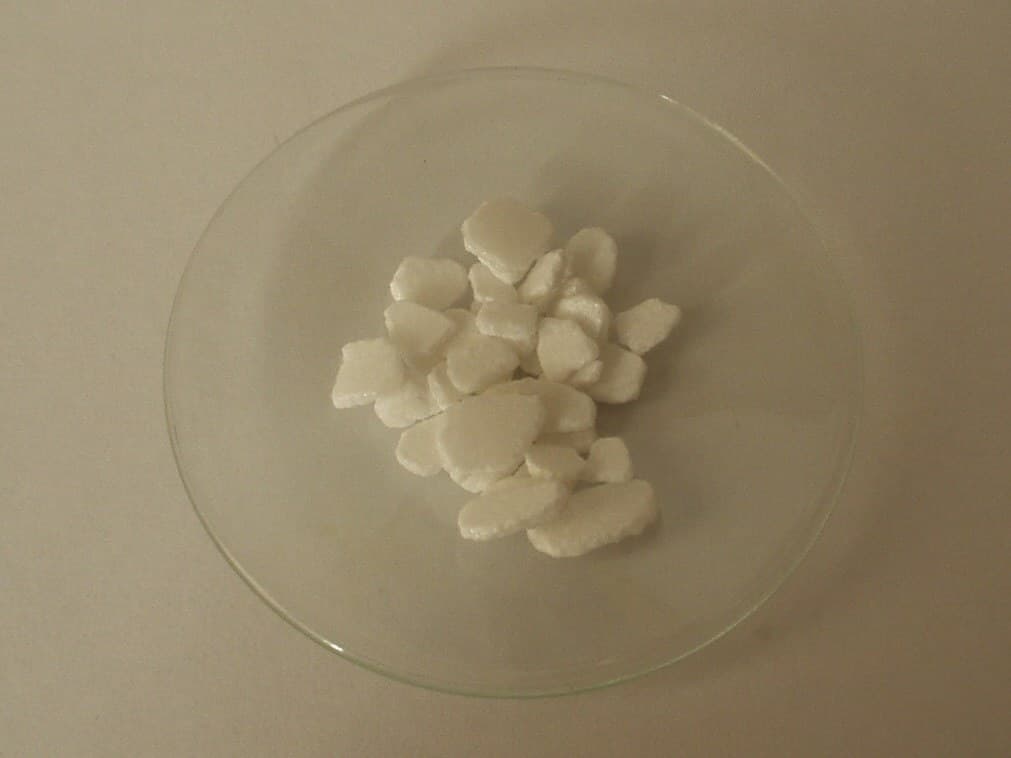
Native borax, tincal, came to Europe from the dried lake shores of Tibet and India coated in an earthy, soapy fat. Venice, then the Dutch, refined it in secret: the refined salt was called Venetian borax. One of their methods is recorded by Knapp, as Muspratt gives it in 1860: soften the tincal with water and a little slaked lime, wash it clean, dissolve it hot with a little chloride of calcium to take out the last of the soap, then crystallise it in lead-lined wooden cones. Borax is the flux of brazing and soldering.
Fortgeschritten
Several days

Anweisungen

1

Weigh the tincal and the additions

Weigh the tincal, about 1 per cent of its weight of slaked lime, and about 2 per cent of chloride of calcium (step 7 works it out for 10 kg).

Materialien für diesen Schritt:

Tinkal (Rohborax)Tinkal (Rohborax)10 kg
Löschkalk (Calciumhydroxid)Löschkalk (Calciumhydroxid)100 g
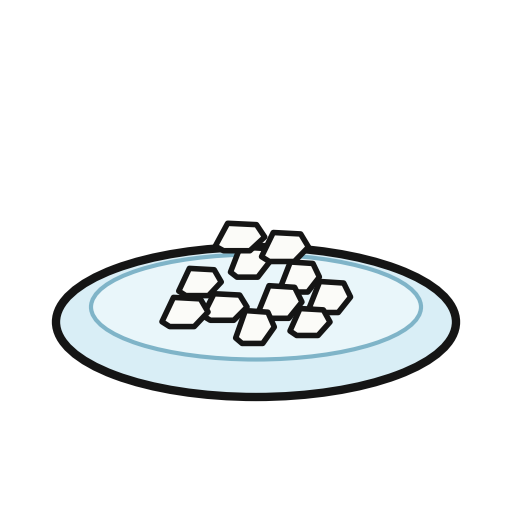
CalciumchloridCalciumchlorid200 g

Benötigte Werkzeuge:

BalkenwaageBalkenwaage
2

Soften it with water and lime

Soften the tincal in a small quantity of cold water in a wooden tub, and stir it about while adding the slaked lime little by little.

Materialien für diesen Schritt:

WasserWasser1 as required

Benötigte Werkzeuge:

HolzbottichHolzbottich
HolzpaddelHolzpaddel
ChemikalienschutzbrilleChemikalienschutzbrille
GummihandschuheGummihandschuhe
3

Wash it several times

Pour off the turbid lime-water. Let the impurities settle out of it, then pour the clear liquid back over the crystals. Repeat this several times; it takes away the greater part of the soapy crust.

Benötigte Werkzeuge:

HolzbottichHolzbottich
HolzpaddelHolzpaddel
4

Dissolve hot with chloride of calcium

Dissolve the washed crystals in hot water and add the chloride of calcium. It turns what soap remains into an insoluble lime soap (and common salt); strain that off.

Materialien für diesen Schritt:

WasserWasser1 as required
HolzkohleHolzkohle1 as required

Benötigte Werkzeuge:
SiedepfanneSiedepfanne
Holzkohle-TiegelofenHolzkohle-Tiegelofen
SiebSieb
HolzpaddelHolzpaddel
ChemikalienschutzbrilleChemikalienschutzbrille
GummihandschuheGummihandschuhe
5

Boil down to 21 degrees Baumé

Evaporate the clear liquid to 21 degrees Baumé, a specific gravity of 1.17, checking with a hydrometer.

Materialien für diesen Schritt:

HolzkohleHolzkohle1 as required

Benötigte Werkzeuge:

SiedepfanneSiedepfanne
Holzkohle-TiegelofenHolzkohle-Tiegelofen
Spindel (Aräometer)Spindel (Aräometer)
6

Crystallise in lead-lined cones

Run the liquor into wooden vessels lined with lead and shaped as short inverted cones, and let it crystallise. Any deposit collects in the narrow lower part and does not spoil the crystals. Knapp adds that a little tincal stirred in before this last crystallisation keeps the crystals from splitting and flying off the work when heated for soldering.

Benötigte Werkzeuge:

KristallisierbehälterKristallisierbehälter
BleiblechBleiblech
7

Knapp's additions, per 10 kg

Jupyter-Notebook wird geladen …
8

Powder it for flux

Take out the crystals, dry them and grind them in a mortar to a powder for use as flux. Keep it covered: in dry air borax slowly loses water and turns opaque on the surface.

Benötigte Werkzeuge:

Mörser und PistillMörser und Pistill
9

Troubleshooting

Borax refining troubleshooting.

Flow

Loading...
10

History and honest limits

Muspratt (1860) gives Knapp's two known methods of the secret Venetian and Dutch refining; this is the lime method. The other washed the powdered tincal with caustic soda lye and added carbonate of soda. By Muspratt's time most borax was made instead from the boracic acid of Tuscany and carbonate of soda. Knapp's per cent figures do not say of what; we take them as per cent of the tincal. Grinding the crystals to powder is ours.

Materialien

5

Benötigte Werkzeuge

12

Verwandte Blueprints

Diese Blueprints teilen Wissen — Techniken, Materialien oder Prinzipien
CC0 Gemeinfrei

Dieser Blueprint ist unter CC0 veröffentlicht. Sie dürfen dieses Werk für jeden Zweck frei kopieren, ändern, verbreiten und verwenden, ohne um Erlaubnis zu fragen.

Unterstützen Sie den Maker, indem Sie Produkte über seinen Blueprint kaufen, wo er eine Maker-Provision von Anbietern festgelegt, verdient. Oder erstellen Sie eine neue Iteration dieses Blueprints und verbinden Sie ihn in Ihrem eigenen Blueprint, um Einnahmen zu teilen.

Diskussion

(0)

Anmelden um an der Diskussion teilzunehmen

Kommentare werden geladen...