ART
BEAUTY & WELLNESS
CRAFT
CULTURE & HISTORY
ENTERTAINMENT
ENVIRONMENT
FOOD & DRINKS
REVERSE ENGINEERING
SCIENCES
SPORTS
TECHNOLOGY
WEARABLES
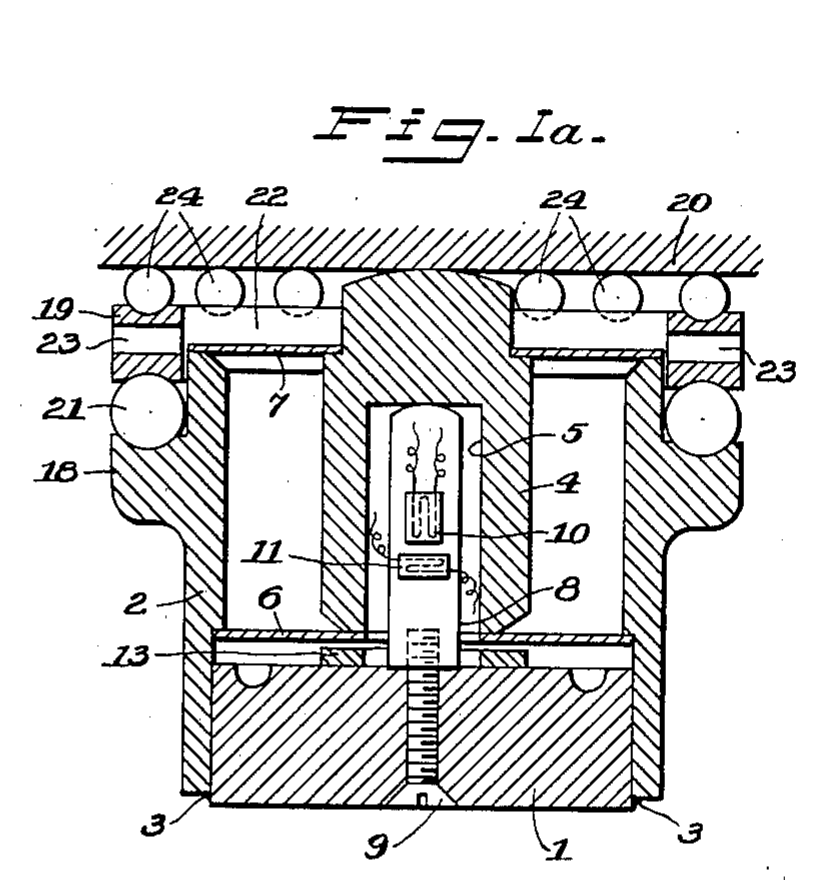


Strain-Gauge Load Cell with Floating Piston: Ruge, 1949
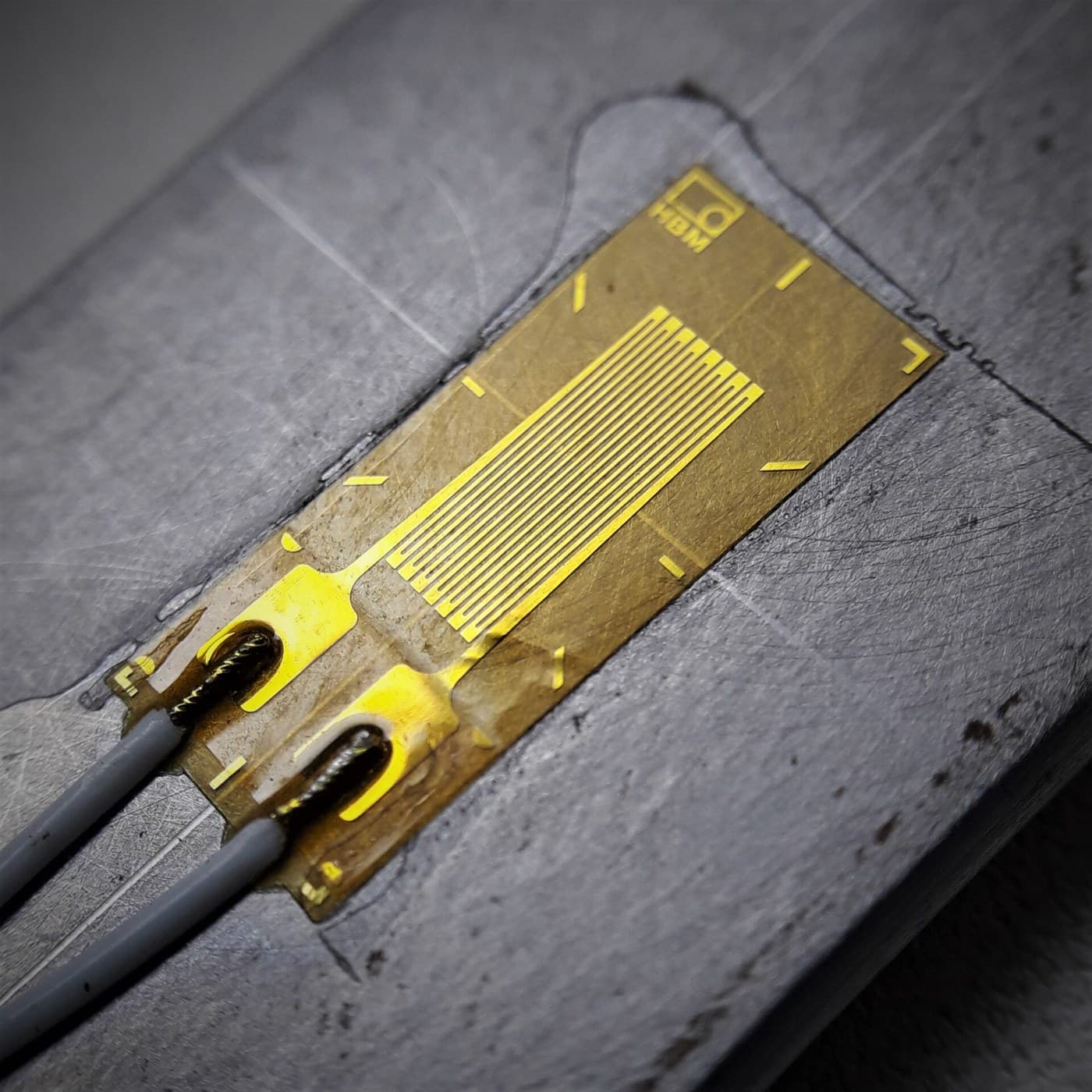
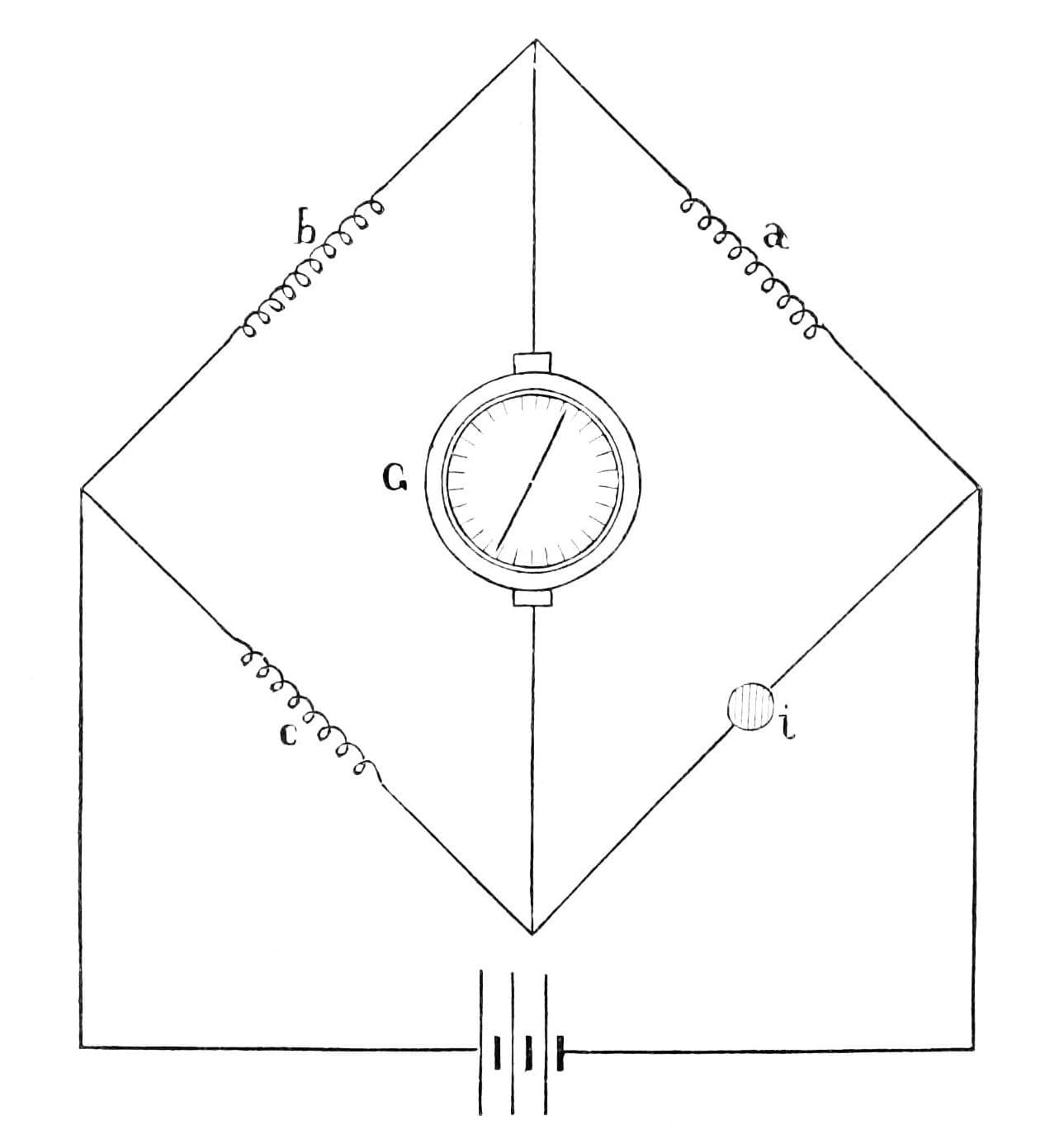
Arthur C. Ruge of Cambridge, Massachusetts, one of the two inventors of the bonded wire strain gauge, patented this load weighing cell in 1949, US 2,472,047 (filed 1946). Tanks, bins and scales rest on such cells so the weight of their contents can be read at any time. A floating piston, held in a heavy shell by two diaphragms, passes the load straight down onto a column carrying bonded strain gauges, so tilted, off-centre and twisting loads barely affect the reading. The gauges' change of resistance can be read on a Wheatstone bridge.
Advanced
Workshop process
Instructions
1
1
Base and shell
Base and shell
Weld a rigid, preferably cylindrical shell to a relatively heavy base, or secure it some other way.
Materials for this step:
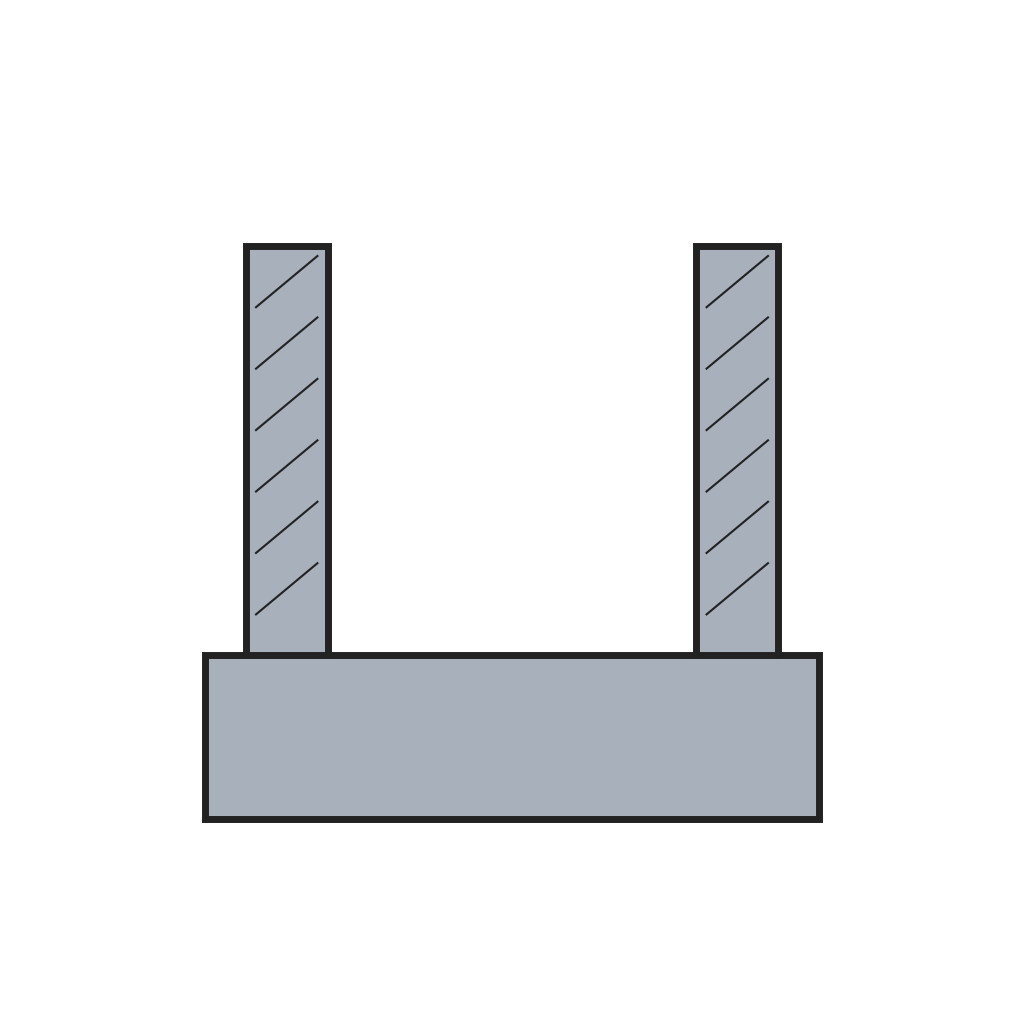 Load Cell Base and Cylindrical Shell1 piece
Tools needed:
 Arc Welder
2
2
Load column and gauges
Load column and gauges
Screw the lower end of the load-sensitive column rigidly to the base; round its upper end to a half-sphere. Bond wire strain gauges to its surface at several points around it, so bending cancels out, and mount gauges of the same type crosswise for temperature compensation. The column may be round, but square, solid or hollow, makes the gauges easier to apply. Its capacity is set by its cross-section and the stiffness of its material.
Materials for this step:
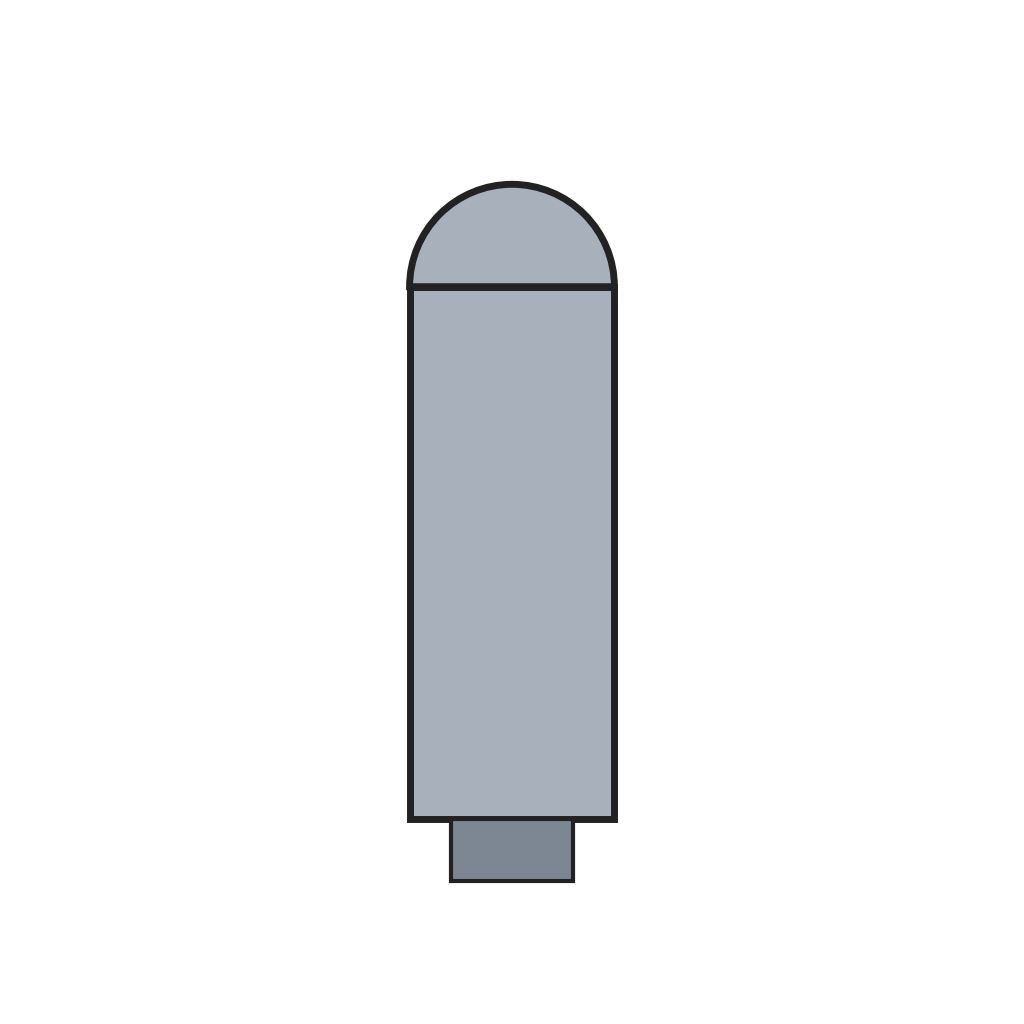 Load-Sensitive Column1 piece
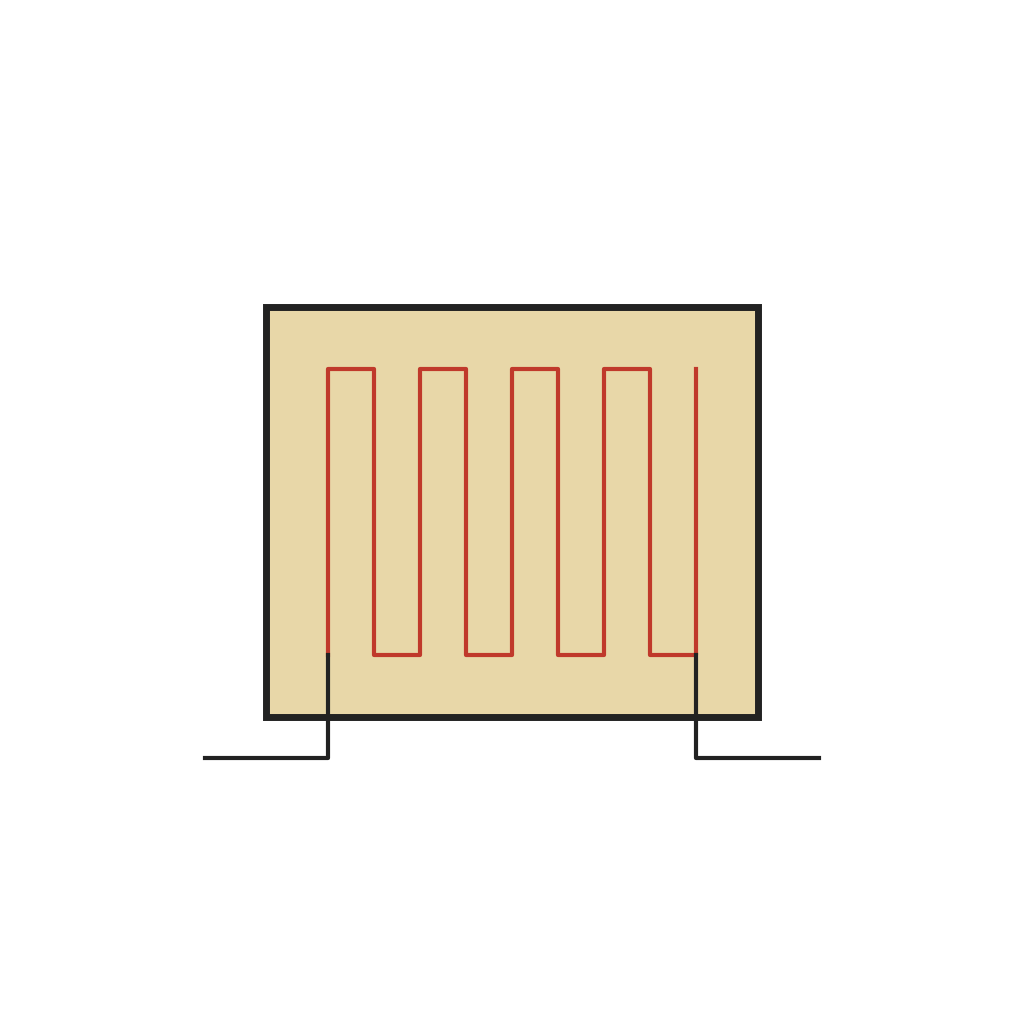 Bonded Wire Strain Gauge1 set
Tools needed:
 Screwdriver Set
3
3
Floating piston
Floating piston
Bore the piston so the column reaches up inside it and its rounded end bears on the end of the bore. Centre the piston in the shell with two annular diaphragms, upper and lower, welded or brazed to piston and shell: widely spaced, they let it move freely up and down but resist side loads and off-centre loads.
Materials for this step:
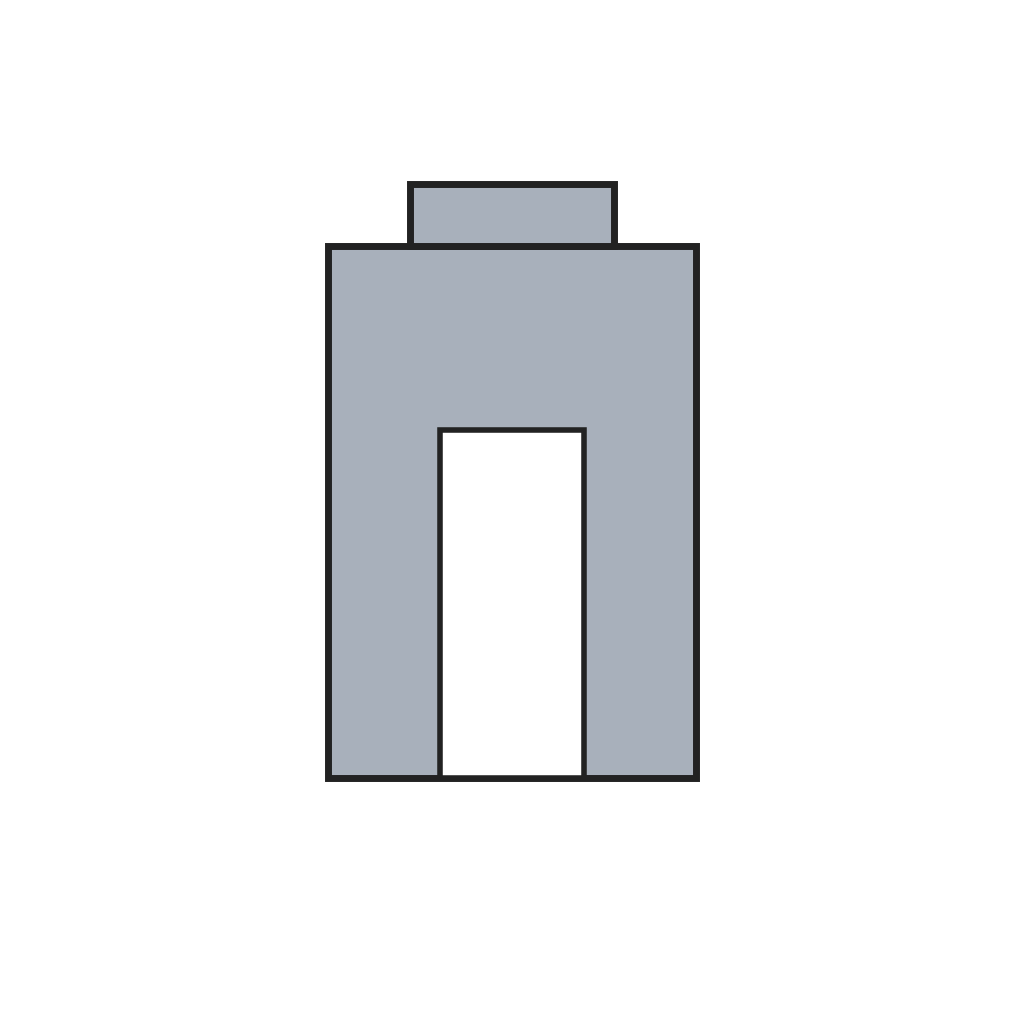 Floating Load Piston1 piece
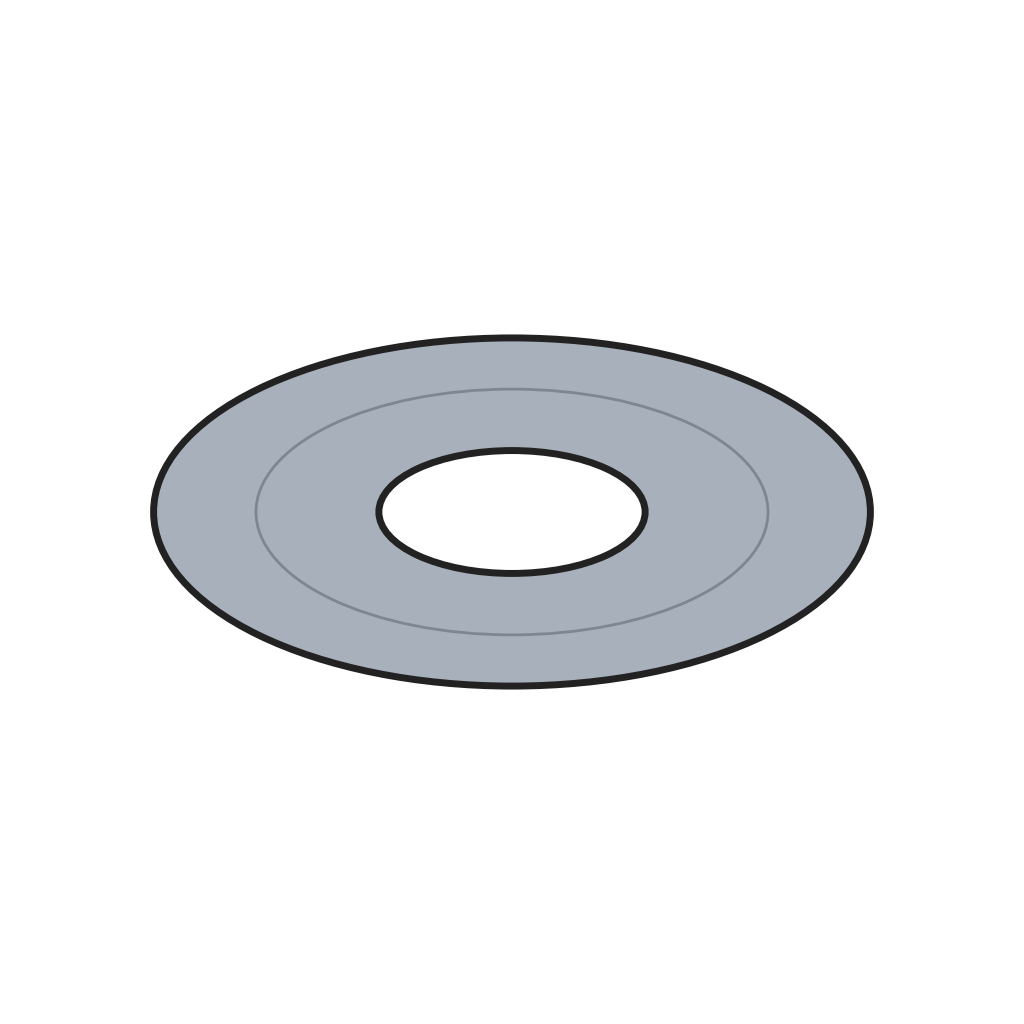 Annular Guide Diaphragm2 pieces
Tools needed:
 Metal LatheArc Welder
4
4
Overload ring and leads
Overload ring and leads
Set a safety ring under the piston with a small clearance: past a safe load, the piston lands on it and the excess goes straight to the base. Bring the gauge leads down through a hole in the ring and out through the lower diaphragm to an external cable. The gauges may be wired as a Wheatstone bridge. The cell can be sealed all round by brazing, or potted.
Materials for this step:
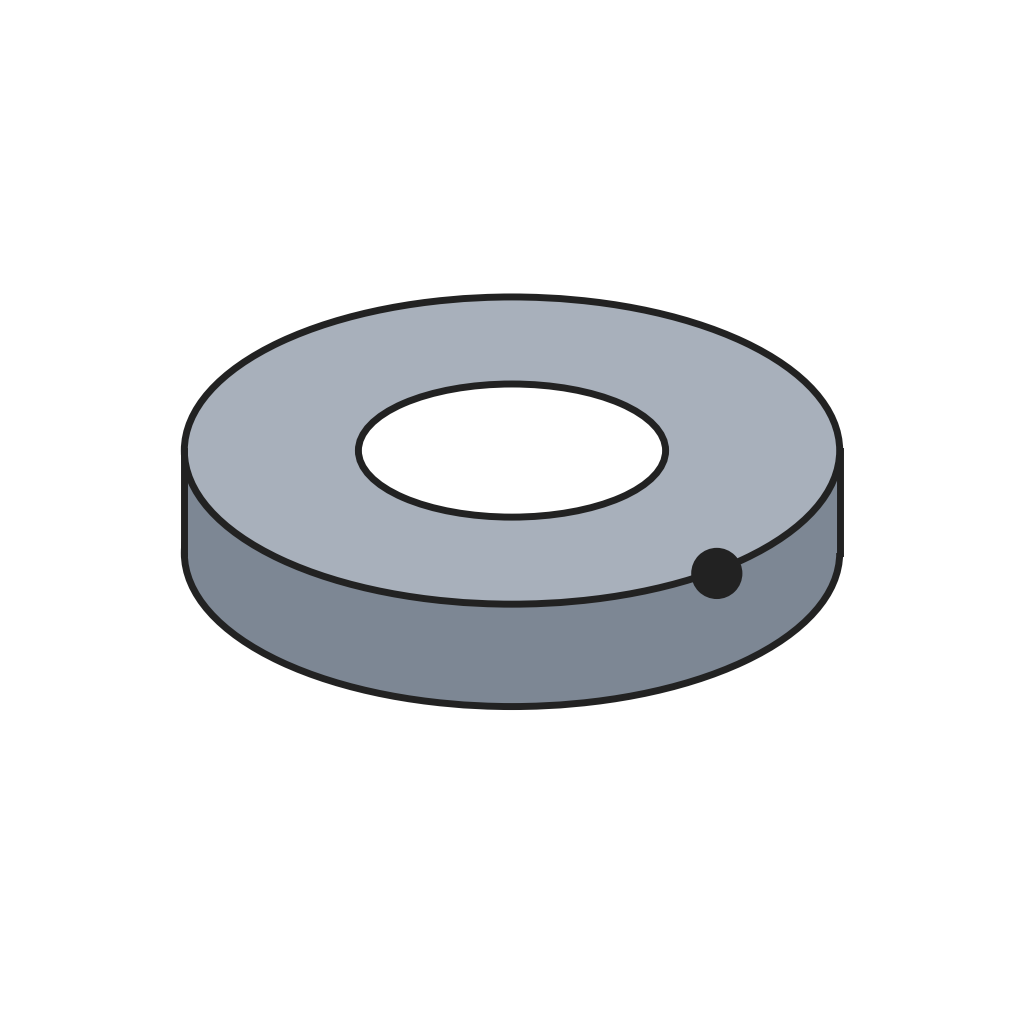 Overload Safety Ring1 piece
 Load Cell Cable1 piece
 Solder Wire1 as required
Tools needed:
 Electric Soldering Iron
 Wire Strippers
5
5
Zero check
Zero check
To read the zero without moving the tank, seat a fixed ball race on top of the shell and a turning race above it, with balls between on a slightly inclined cam surface and a second row of balls under the loaded surface. Turning the upper race with a bar or spanner lifts the load a few thousandths of an inch off the piston; read the bridge, then turn it back.
Materials for this step:
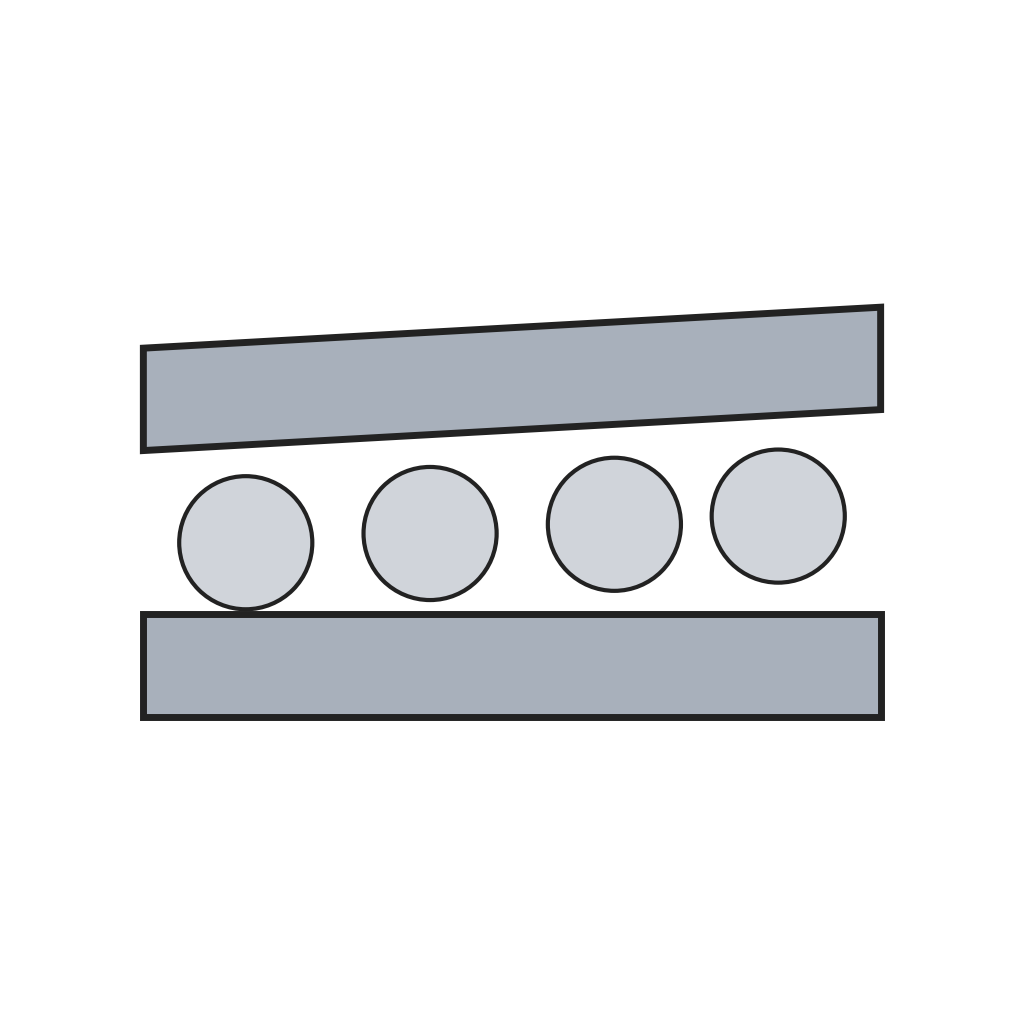 Cam Ball Race Pair1 piece
 Steel Ball Bearings1 set
Tools needed:
 Adjustable Wrench
Materials
10- Placeholder
- 1 piecePlaceholder
- Placeholder
- 1 piecePlaceholder
- 2 piecesPlaceholder
- 1 piecePlaceholder
- 1 piecePlaceholder
- 1 as requiredPlaceholder
- 1 piecePlaceholder
- 1 setPlaceholder
Tools Required
6- Placeholder
- Placeholder
- Placeholder
- Placeholder
- Placeholder
- Placeholder
This blueprint makes
Related Blueprints
These blueprints share knowledge with this one — techniques, materials, or principles that connect them in the learning graph.

CC0 Public Domain
This blueprint is released under CC0. You are free to copy, modify, distribute, and use this work for any purpose, without asking permission.
Support the Maker by purchasing products through their Blueprint where they earn a Maker Commission set by Vendors, or create a new iteration of this Blueprint and include it as a connection in your own Blueprint to share revenue.