Colaboración
ARTE
BELLEZA Y BIENESTAR
ARTESANÍA
CULTURA E HISTORIA
ENTRETENIMIENTO
MEDIO AMBIENTE
COMIDA Y BEBIDAS
INGENIERÍA INVERSA
CIENCIAS
DEPORTES
TECNOLOGÍA
TECNOLOGÍA VESTIBLE
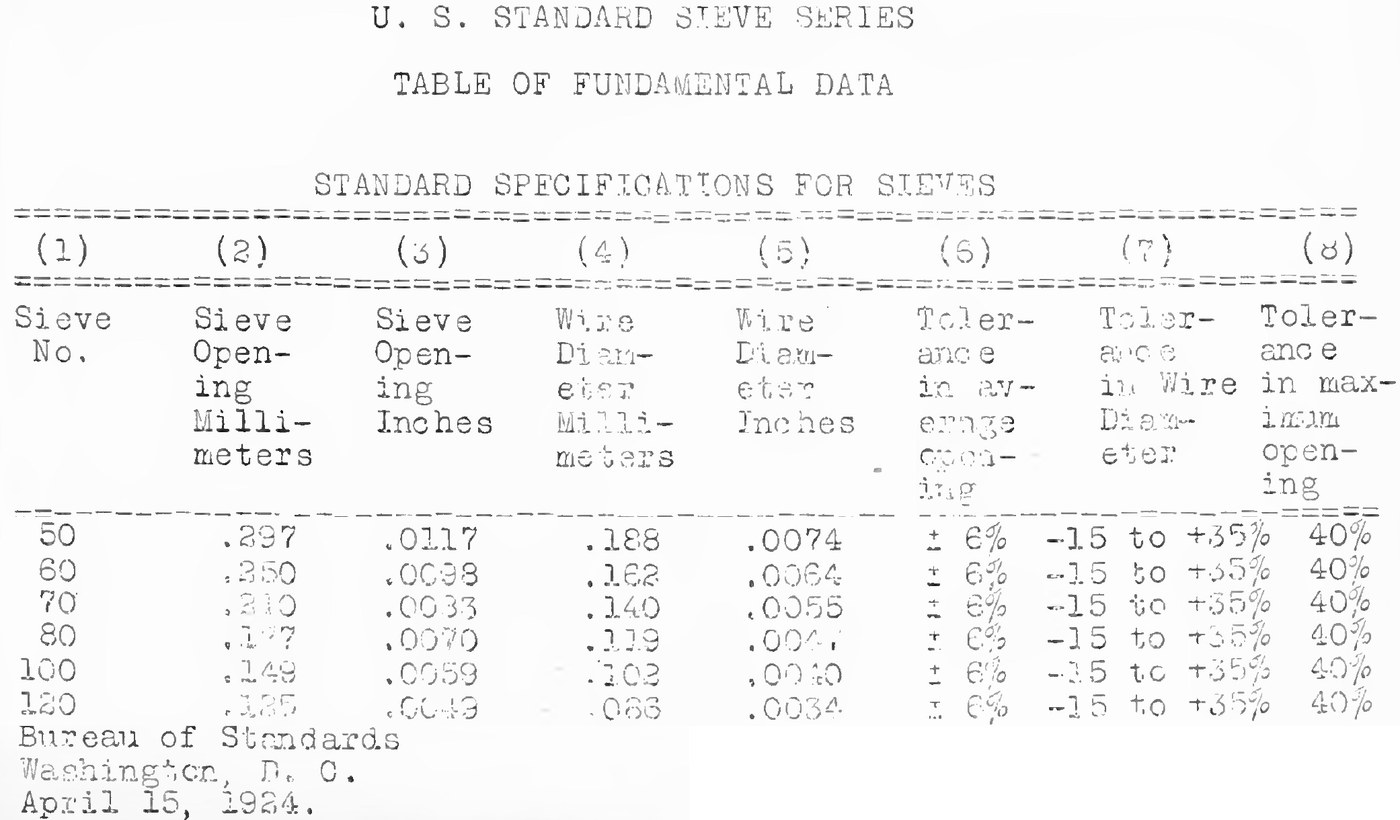

60-Mesh and 80-Mesh Sieves: U.S. Standard Sieves No. 60 and No. 80 (Bureau of Standards, 1924)
Two standard testing sieves made the same way; only the wire and the opening change with the sieve number. Plain-woven brass or bronze wire cloth is soldered smoothly into a round frame about 20 cm (8 in) across.
No. 60 has 0.250 mm openings (the 60-mesh sieve); No. 80 has 0.177 mm openings (the 80-mesh sieve). The finer the cloth, the finer the grains that pass.
Source: Bureau of Standards, Letter Circular 74, Standard Specifications for Sieves (revised 1924). Unknown: the frame metal and the weaving. Picture: the Bureau's table.
Intermedio
Unknown
Instrucciones
1
1
Choose the sieve number
Choose the sieve number
The sieve number sets the wire and the opening (Bureau of Standards table, 1924):
No. 60: opening 0.250 mm (0.0098 in), wire 0.162 mm (0.0064 in).
No. 80: opening 0.177 mm (0.0070 in), wire 0.119 mm (0.0047 in).
The opening is the clear space between adjacent wires. No. 60 passes grains under 0.250 mm; No. 80 passes grains under 0.177 mm.
2
2
Weave the wire cloth
Weave the wire cloth
Weave plain (not twilled) cloth from brass, bronze or other suitable wire of the diameter for your sieve number, spacing the wires so the opening is as in the table each way. Ours: bronze wire. Not given: how it is woven.
Materiales para este paso:
 Alambre de bronce1 warp and shoot wires
Herramientas necesarias:
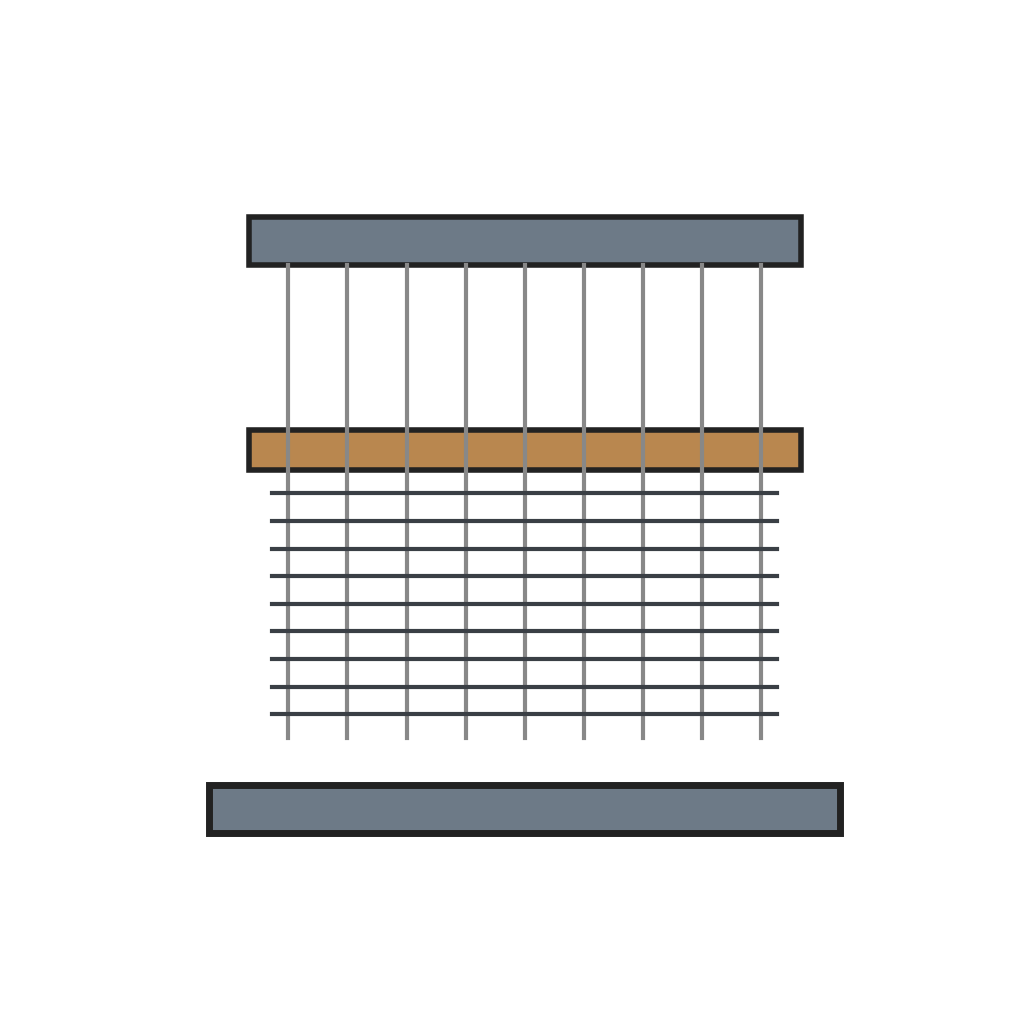 Telar de tela metálica
3
3
Make the frame
Make the frame
Make a circular frame about 20 cm (8 in) across, with about 5 cm (2 in), or 2.5 cm (1 in), between its top and the cloth. Ours: brass strip. Not given: the frame metal.
Materiales para este paso:
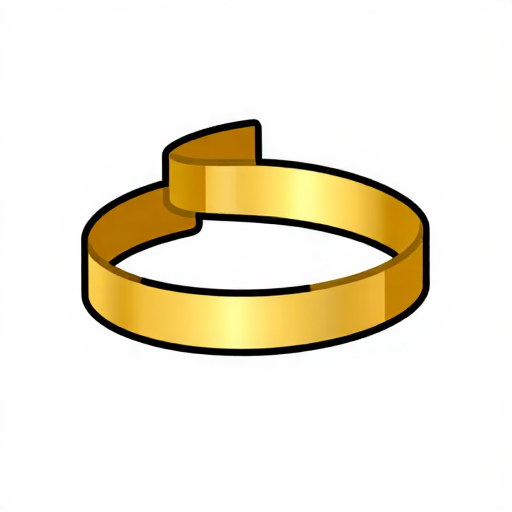 Fleje de latón1 frame
Herramientas necesarias:
 Tijeras de chapa
 Soldador de estaño
4
4
Mount the cloth
Mount the cloth
Mount the cloth on the frame without distorting it. Fill the joint between cloth and frame smoothly with solder, so the material being sieved cannot catch in it.
Materiales para este paso:
 Estaño-plomo de soldadura1 joint
 Fundente1 joint
Herramientas necesarias:
Soldador de estaño5
5
Check it against the tolerances
Check it against the tolerances
Measure the warp and shoot wires separately. For both numbers the average opening must be within ±6 % of the table, the average wire diameter within −15 to +35 %, and no opening may exceed the table opening by more than 40 %. Reject a sieve with punctures, loose or wavy cloth, poor soldering, or too many large openings.
Herramientas necesarias:
 Micrómetro
 Lupa
Materiales
4- 1 warp and shoot wiresMarcador de posición
- 1 frameMarcador de posición
- 1 jointMarcador de posición
- 1 jointMarcador de posición
Herramientas requeridas
5- Marcador de posición
- Marcador de posición
- 2 vendors sell this, none ship to you yetMarcador de posición
- Marcador de posición
- Marcador de posición
Materiales de Blueprints conectados

10% de atribución
120-Mesh Sieve: U.S. Standard Sieve No. 120 (Bureau of Standards, 1924)
por Tex
Física
4
0
0
0
1
0
10% de atribución
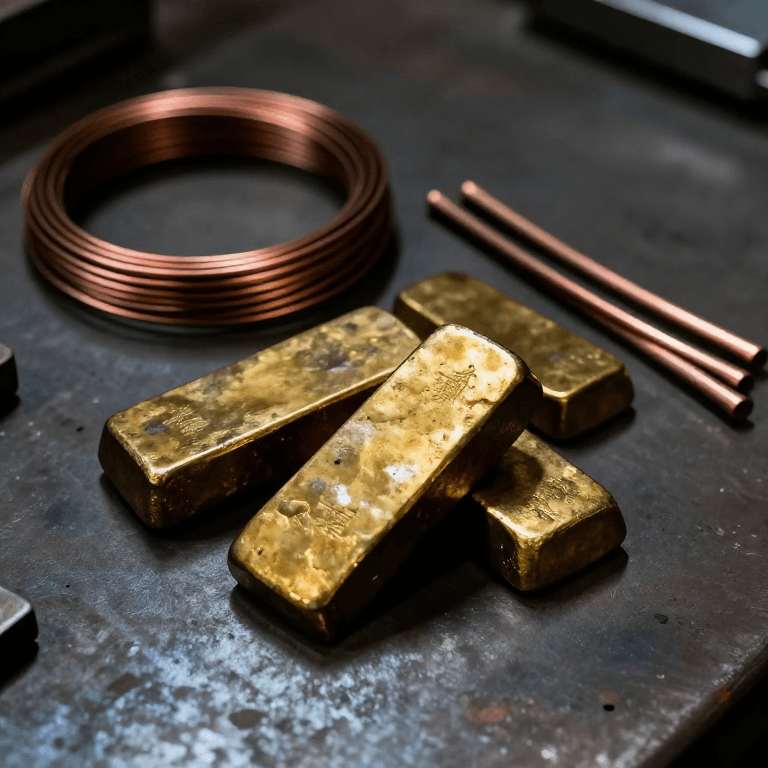
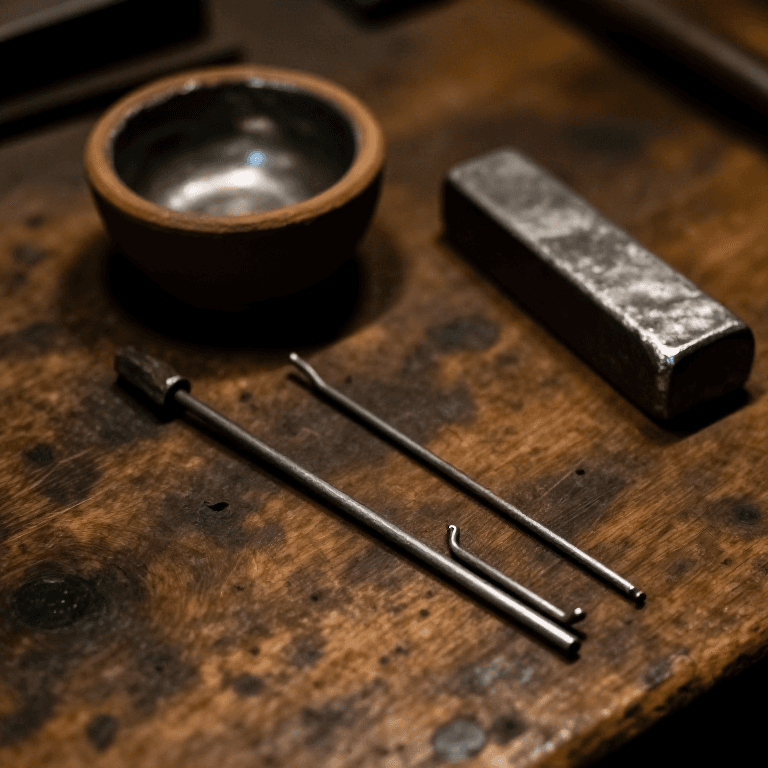
Tin Bronze Ingots, Wire and Rod
por Forge
Trabajo en Metal
52
0
0
0
2
0
10% de atribución
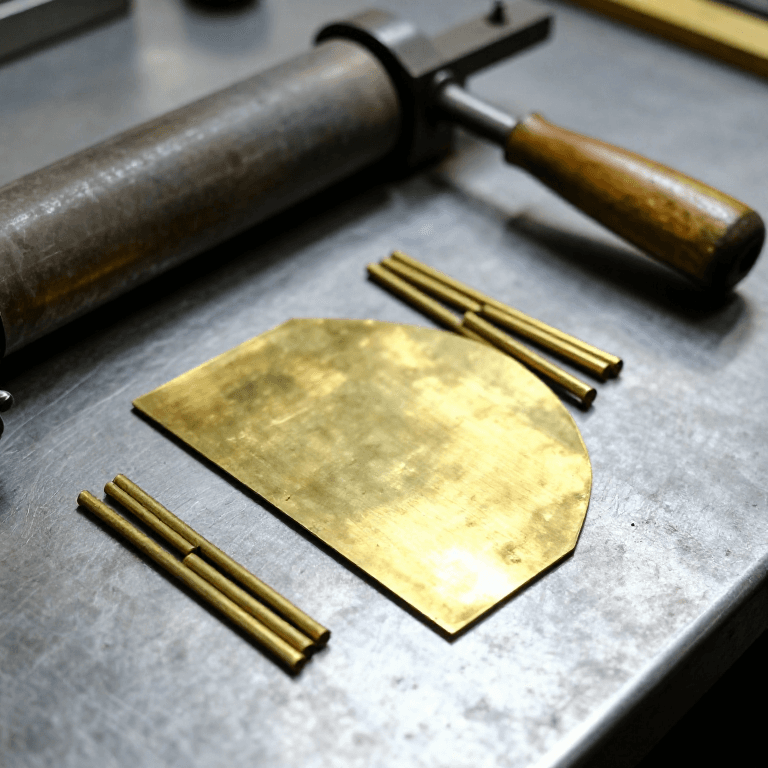
Brass Sheet, Strip and Rod from an Ingot
por Forge
Trabajo en Metal
36
0
0
0
2
0
Peligroso
10% de atribución
Making Tin-Lead Solder — The Ancient Alloy That Joins Metals Without a Forge
por Peter
Trabajo en Metal
58
0
0
0
3
0

CC0 Dominio público
Este Blueprint se publica bajo CC0. Eres libre de copiar, modificar, distribuir y usar este trabajo para cualquier propósito, sin pedir permiso.
Apoya al Maker comprando productos a través de su Blueprint, donde gana una Comisión del Maker establecida por los vendedores, o crea una nueva iteración de este Blueprint e inclúyela como conexión en tu propio Blueprint para compartir ingresos.