Colaboración
ARTE
BELLEZA Y BIENESTAR
ARTESANÍA
CULTURA E HISTORIA
ENTRETENIMIENTO
MEDIO AMBIENTE
COMIDA Y BEBIDAS
INGENIERÍA INVERSA
CIENCIAS
DEPORTES
TECNOLOGÍA
TECNOLOGÍA VESTIBLE
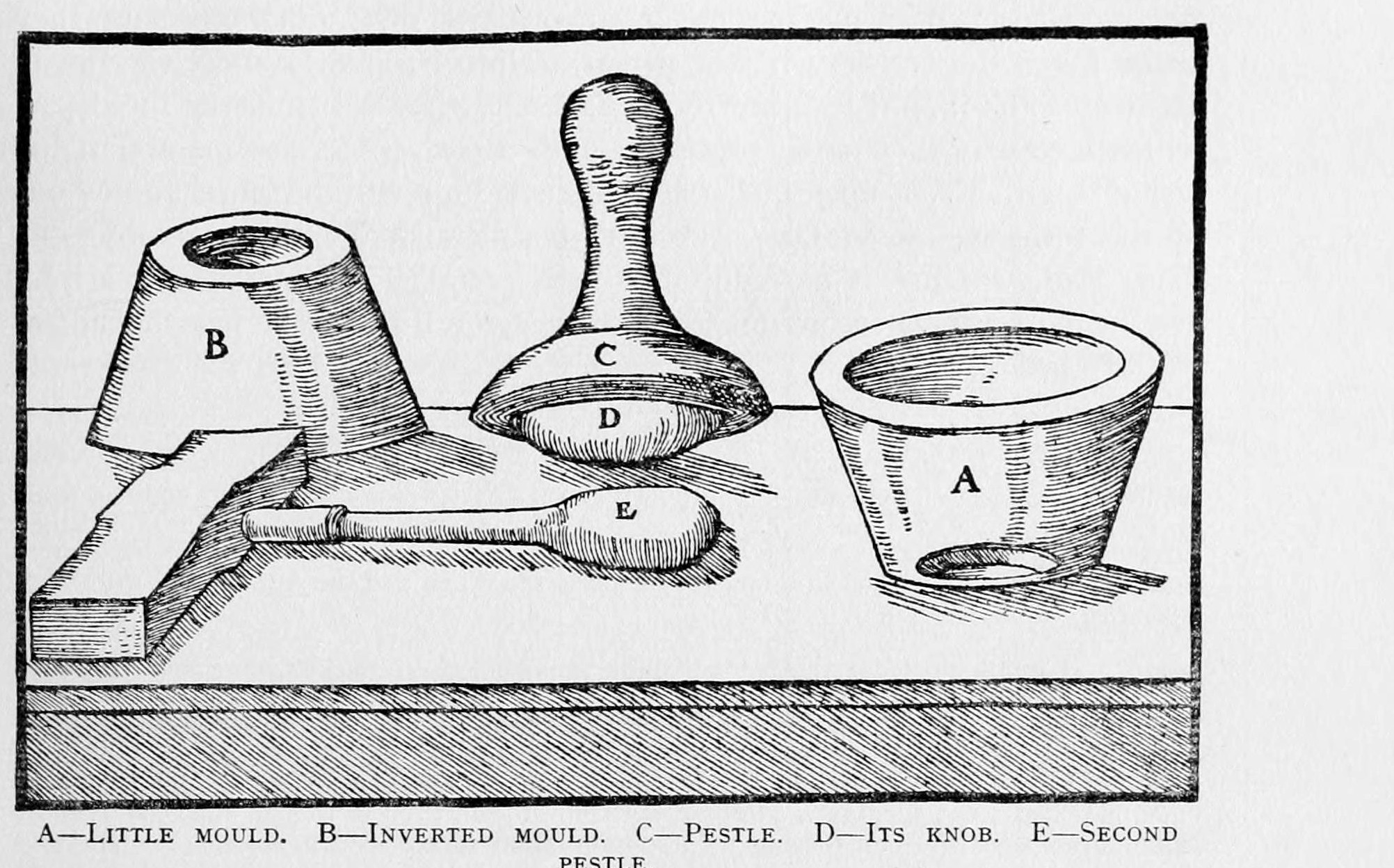


Assay Cupels From Washed Beech and Bone Ash, Rammed in a Brass Mould (Agricola, De Re Metallica, 1556)
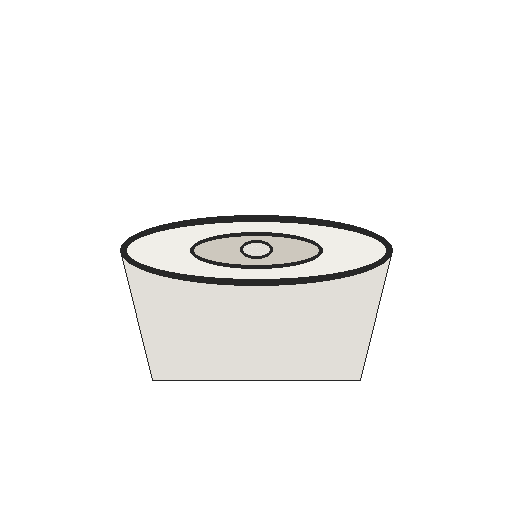
How the assayers of Agricola's day made their own cupels, from De Re Metallica, Book VII (1556): wash wood ash free of floating charcoal and fat and of sinking sand and stones, mix it with bone ash (or use deer-horn, skull or fish-spine ash), moisten with beer or water, grind fine and ram it into a bottomless brass mould with a knobbed pestle; then dry the cupels and keep them long.
Intermedio
About 2 days, mostly drying
Instrucciones
1
1
His ash recipes
His ash recipes
Cargando el cuaderno de Jupyter…
2
2
Read De Re Metallica, Book VII
Read De Re Metallica, Book VII
"The cupels are made of ashes ... In these lead is separated from silver, and by them assays are concluded. Inasmuch as the assayers themselves make the cupels, something must be said about the material."
3
3
Wash the ash
Wash the ash
Pour water on the ash, skim off what floats (charcoal dust, fat), knead the ash with the hands into the water, and pour the muddy water into a second vessel, leaving the small stones and sand in the first to be thrown away. When the ash has settled and the water is clear and no longer tastes of lye, pour the water off and dry the ash in the sun or a furnace. Beech or other slow-growing wood gives the best ash; vine ash cracks and absorbs metal. If no such ash is to be had, roll the washed ash into little balls and burn them in a baker's or potter's oven to drive off fat and damp.
Materiales para este paso:
 Ceniza de madera1 pieza
Herramientas necesarias:
 Cubo de madera
 Criba
4
4
Mix with bone ash
Mix with bone ash
The older and drier the ash the better. Bone ash, especially from the heads of animals, deer-horn ash and fish-spine ash are the most suitable. Mix by his recipes (notebook): the usual way is beech ash sprinkled with beer or water to make it stick, ground in a small mortar, then ground again with skull or fish-spine ash; the more it is ground the better. Options he gives: sifted brick dust in the beech ash, so the lead does not eat the cupel; moistening with cow's milk again and again; deer horn alone, the best of all.
Materiales para este paso:
Ceniza de madera1 pieza Ceniza de hueso1 pieza
 Cerveza1 pieza
 Asta de ciervo rojo1 pieza
 Ladrillo1 pieza
Herramientas necesarias:
 PipetaCriba
5
5
Mould the cupels
Mould the cupels
Ram the damp ash into a bottomless brass mould with a brass pestle whose round knob presses the hollow; the part next to the knob fits the top of the mould. Push the cupel out whole. Use the small mould for cupels that purge gold or silver from lead, the large for separating silver from copper and lead (Illustration 231). For ores of copper containing iron, some moisten the made cupels with white of egg, dry them in the sun and crush and mould them again.
Materiales para este paso:
 Huevo1 pieza
Herramientas necesarias:
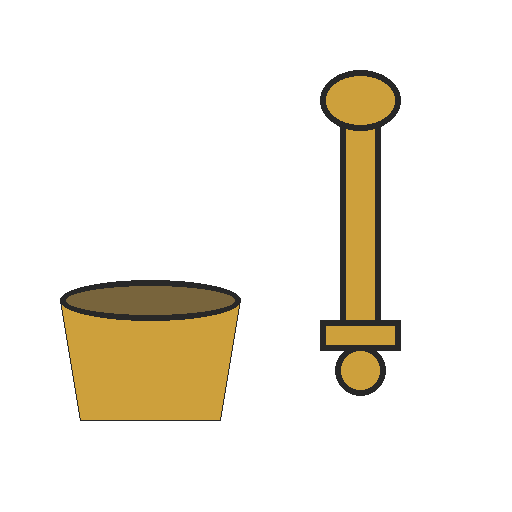 Molde de copelas (anillo y mazo)
 Mazo de madera
6
6
Dry and store
Dry and store
Dry the cupels in the sun or in a furnace, then keep them a long time in a dry place; the older they are, the drier and better.
7
7
Troubleshooting
Troubleshooting
Cupel troubleshooting.
Flow
Loading...
8
8
History and honest limits
History and honest limits
From Georgius Agricola, **De Re Metallica** (1556), Book VII, translated by Herbert C. and Lou H. Hoover, 1912 (Project Gutenberg 38015; checked on the archive.org scan georgiusagricola00agri, pp. 229-231). He gives proportions but no sizes or weights for cupels or moulds. The tools are ours.
Materiales
6- 1 piezaMarcador de posición
- 1 piezaMarcador de posición
- 1 piezaMarcador de posición
- 1 piezaMarcador de posición
- 1 piezaMarcador de posición
- 1 piezaMarcador de posición
Este plano hace
Blueprints relacionados
Estos blueprints comparten conocimiento — técnicas, materiales o principios
CC0 Dominio público
Este Blueprint se publica bajo CC0. Eres libre de copiar, modificar, distribuir y usar este trabajo para cualquier propósito, sin pedir permiso.
Apoya al Maker comprando productos a través de su Blueprint, donde gana una Comisión del Maker establecida por los vendedores, o crea una nueva iteración de este Blueprint e inclúyela como conexión en tu propio Blueprint para compartir ingresos.