ARTE
BELLEZA Y BIENESTAR
ARTESANÍA
CULTURA E HISTORIA
ENTRETENIMIENTO
MEDIO AMBIENTE
COMIDA Y BEBIDAS
INGENIERÍA INVERSA
CIENCIAS
DEPORTES
TECNOLOGÍA
TECNOLOGÍA VESTIBLE
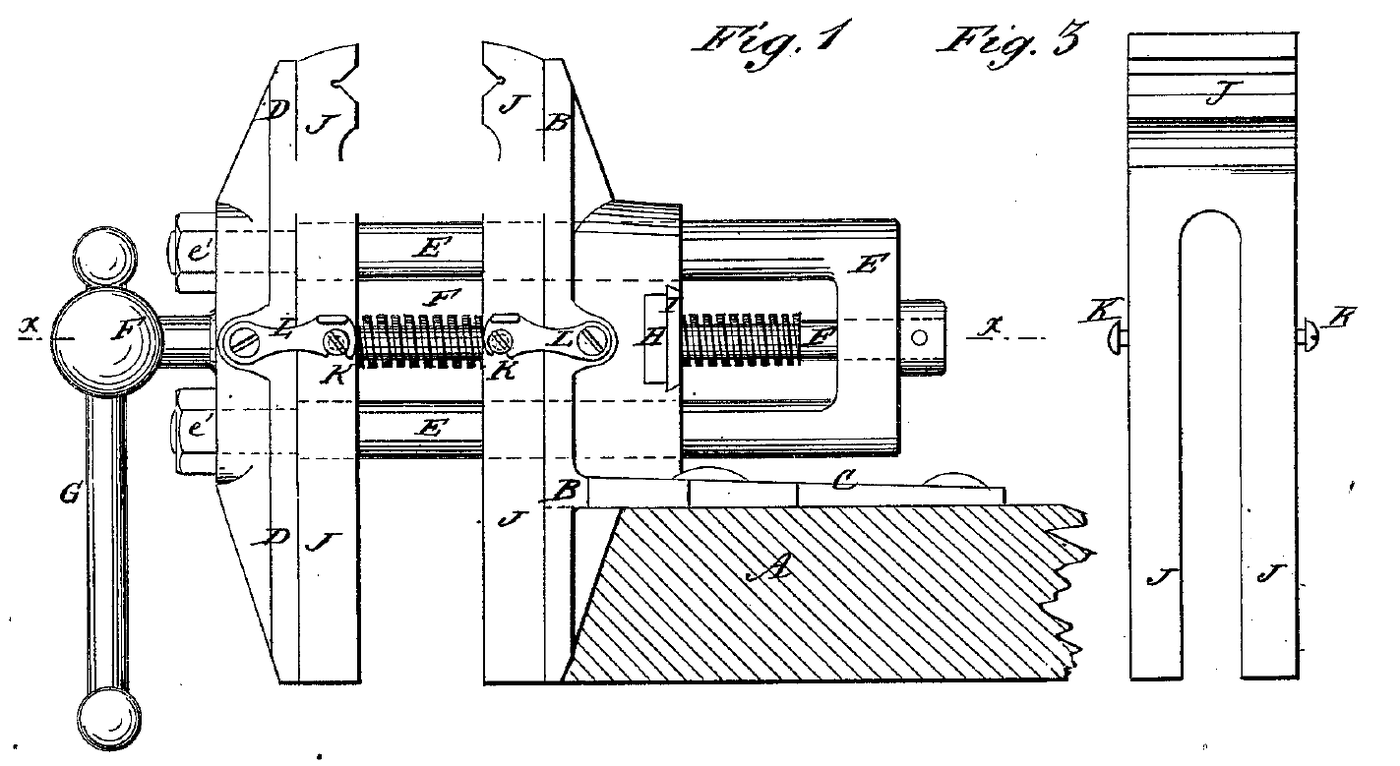


Bench Vise with Parallel Double Slide: Grimmitt, 1879
Thomas Grimmitt of Rockford, Illinois, patented this bench vise in 1879, US 214,907. The fixed jaw is bolted to the bench by a plate formed on its back. The movable jaw is fixed to the open ends of a U-shaped double slide whose arms pass through both jaws, so the two jaws always stay exactly parallel. A screw with a sliding lever handle, swivelled to the slide, works in a nut in the fixed jaw and moves the front jaw both ways. Detachable notched wooden jaws slip over the slide and screw to hold rectangular or round work, and the vise can be fitted on top of the bench for carriage and wagon work or reversed underneath for carpenters' and cabinet-makers' work.
Intermedio
Workshop process
Instrucciones
1
1
Jaws and plate
Jaws and plate
Make the inner jaw with a plate formed on its rear side, holed for the bolts that secure it to the bench, and the outer movable jaw of the same general form. Make both jaws double, so the plate can be fixed to the top of the bench or, reversed, to its underside with the lower jaw ends flush with the bench top.
Materiales para este paso:
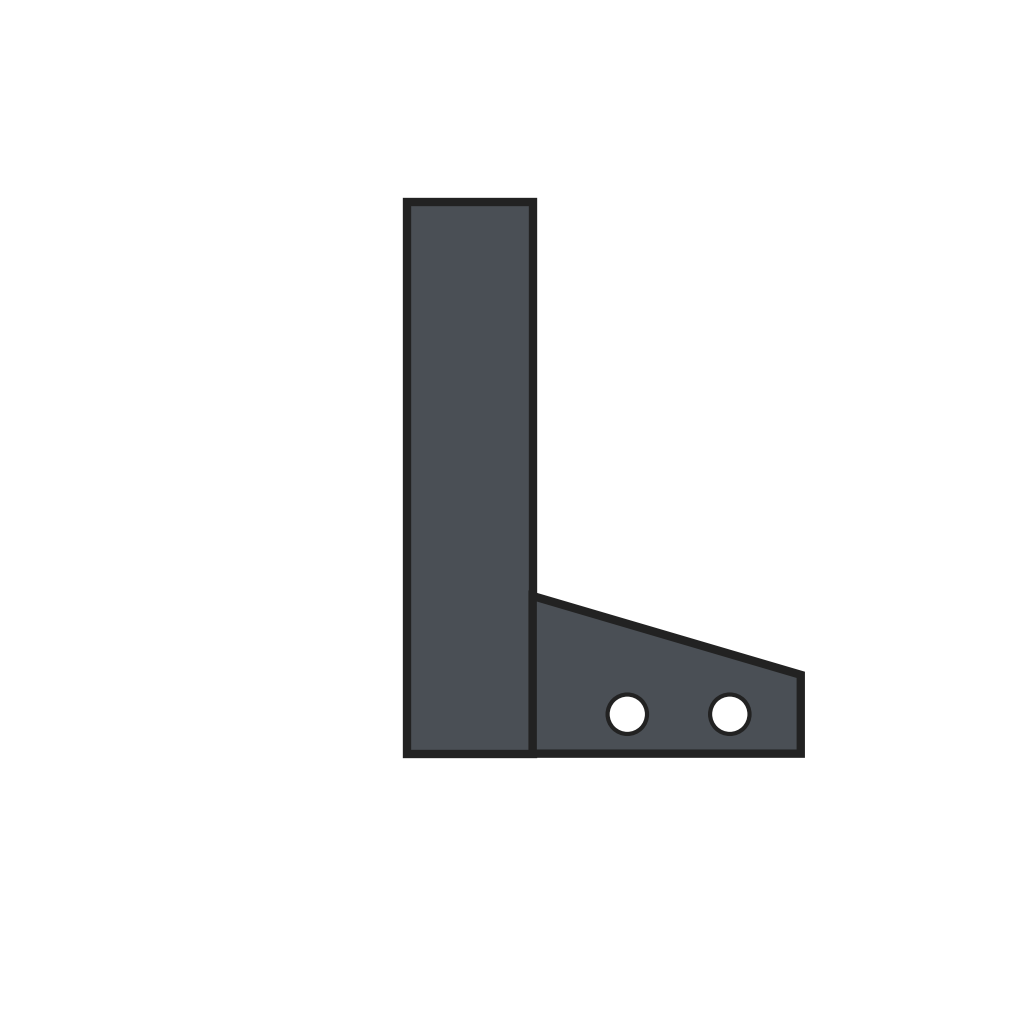 Mordaza fija con placa de banco1 pieza
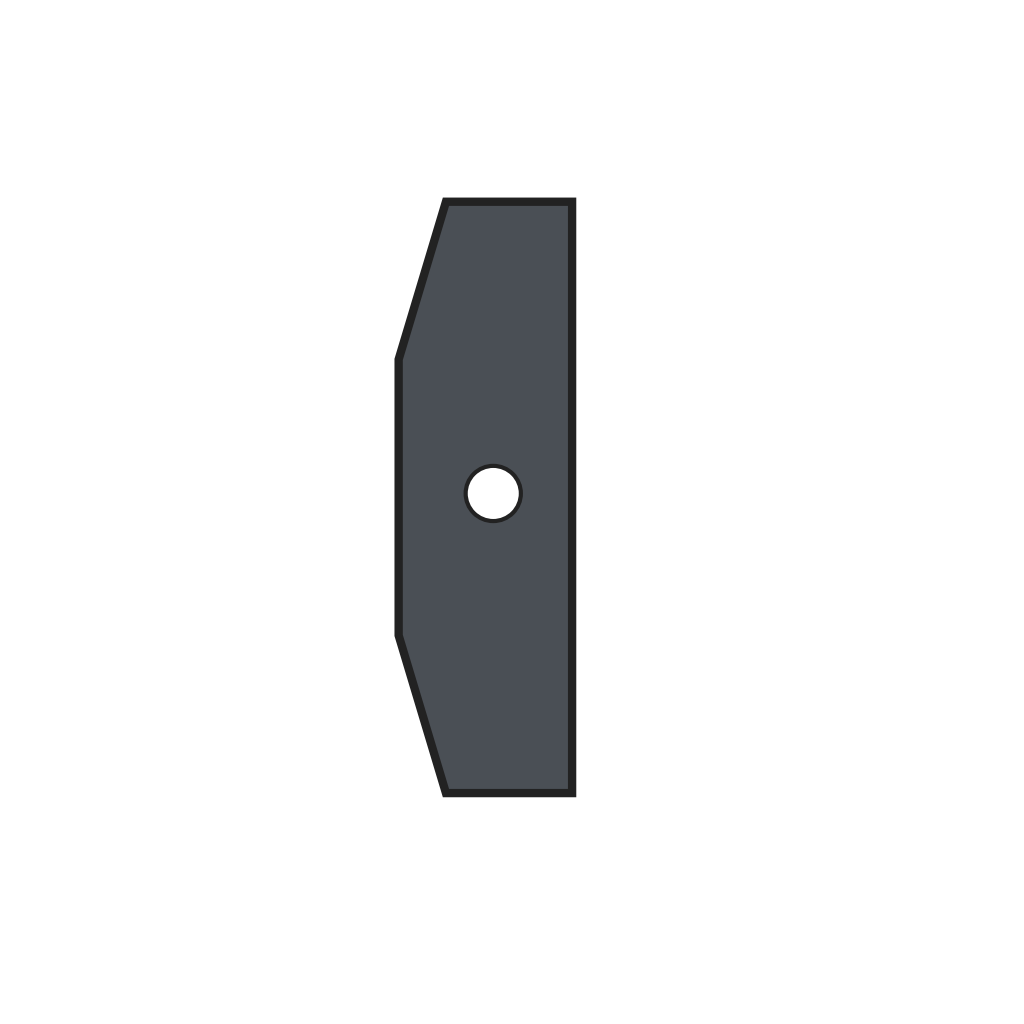 Mordaza móvil de tornillo de banco1 pieza
Herramientas necesarias:
 Taladro de columna
 Juego de brocas
 Limas (lima de mano)
2
2
Double slide
Double slide
Pass the arms of the U-shaped double slide through holes in both jaws and secure their ends to the outer jaw with nuts, so the outer jaw is always held exactly parallel to the inner one.
Materiales para este paso:
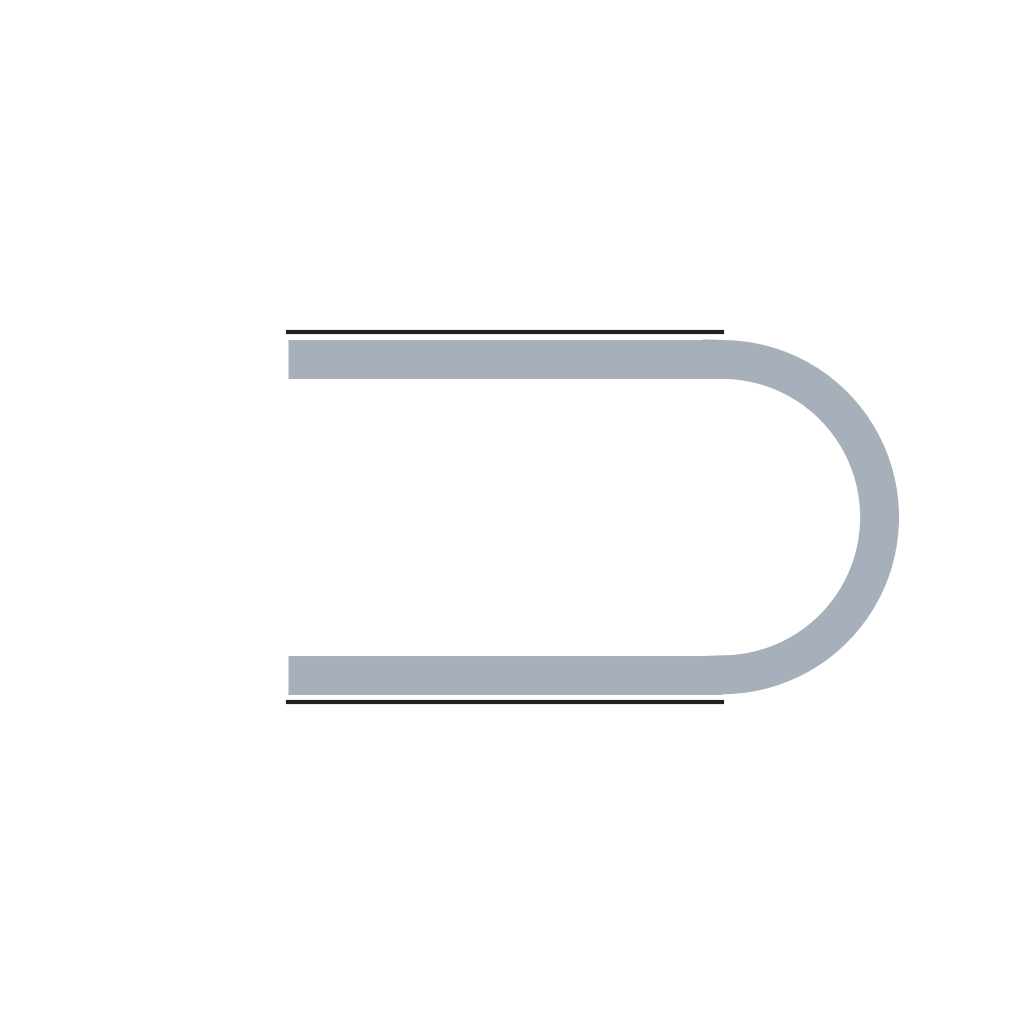 Guía doble en U1 pieza
Herramientas necesarias:
 Llave inglesa
3
3
Screw and nut
Screw and nut
Pass the screw through a hole in both jaws midway between the slide's arms, swivel its forward end to the slide at the centre of its bend, and slide a lever handle through its outer head. The screw works in a nut set in a cross-notch at the back of the inner jaw, held by a dovetailed plate slid into the notch's sides.
Materiales para este paso:
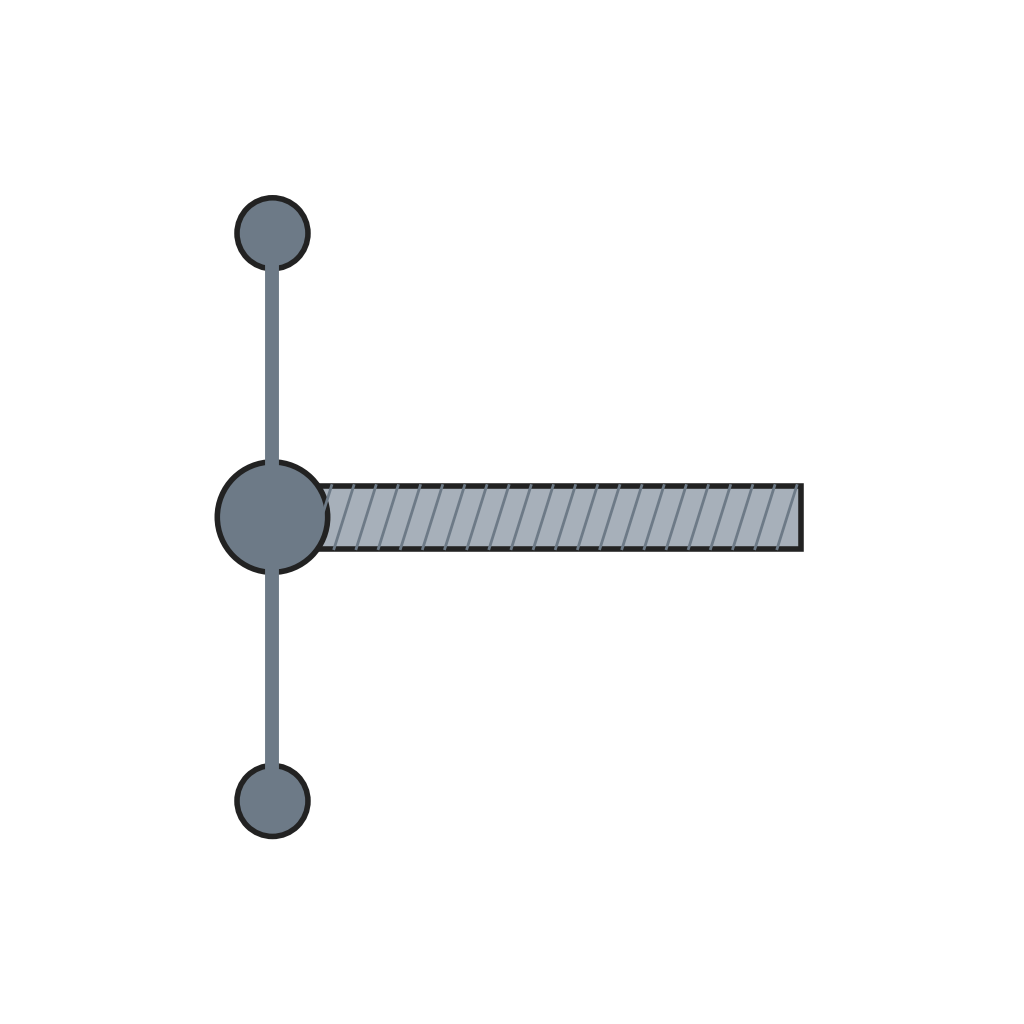 Husillo de tornillo de banco con palanca deslizante1 pieza
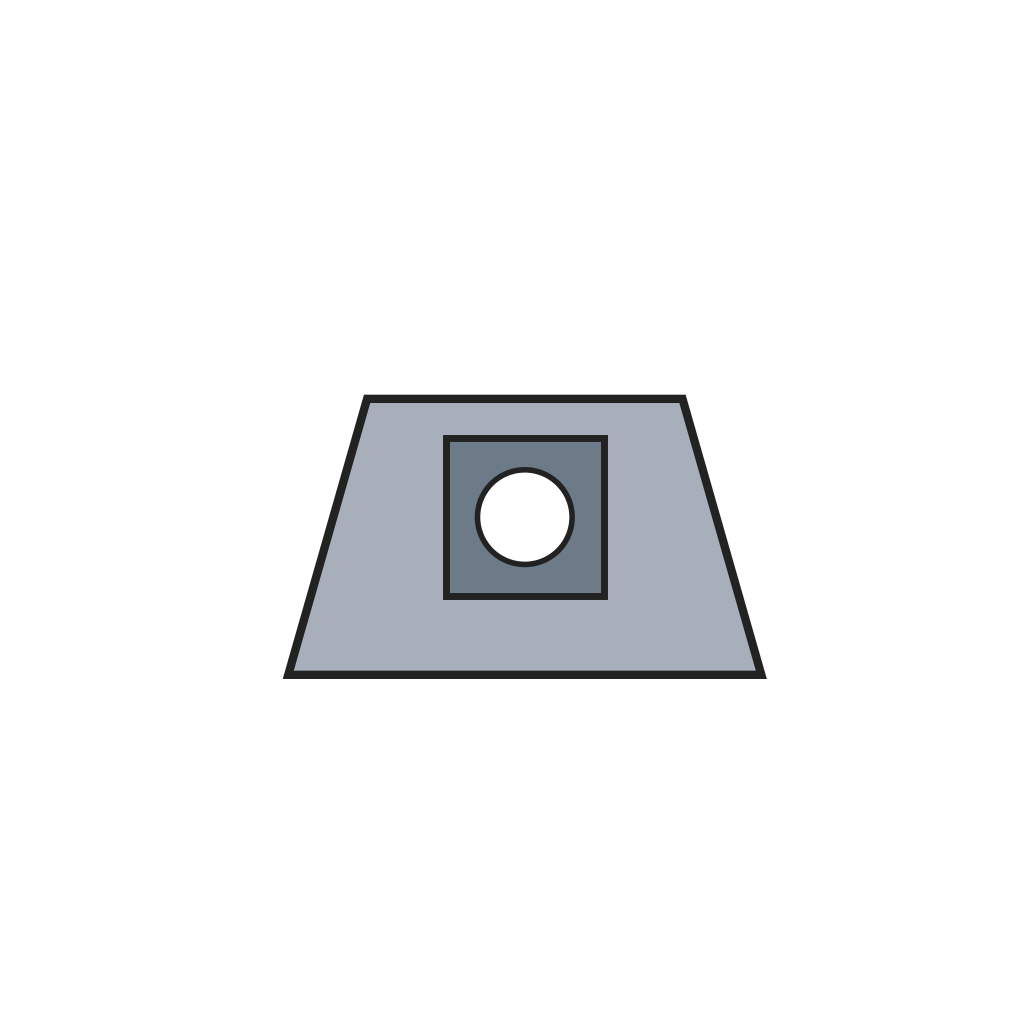 Tuerca de tornillo de banco con placa de cola de milano1 pieza
Herramientas necesarias:
Limas (lima de mano)Llave inglesa4
4
Wooden jaws
Wooden jaws
Slot the wooden jaws from their lower ends so they slip down over the slide's arms and the screw between the metal jaws. Notch their faces for rectangular or round work, and hold them to the metal jaws with hooks pivoted on the metal jaws' side edges that catch screws or pins on the wooden jaws.
Materiales para este paso:
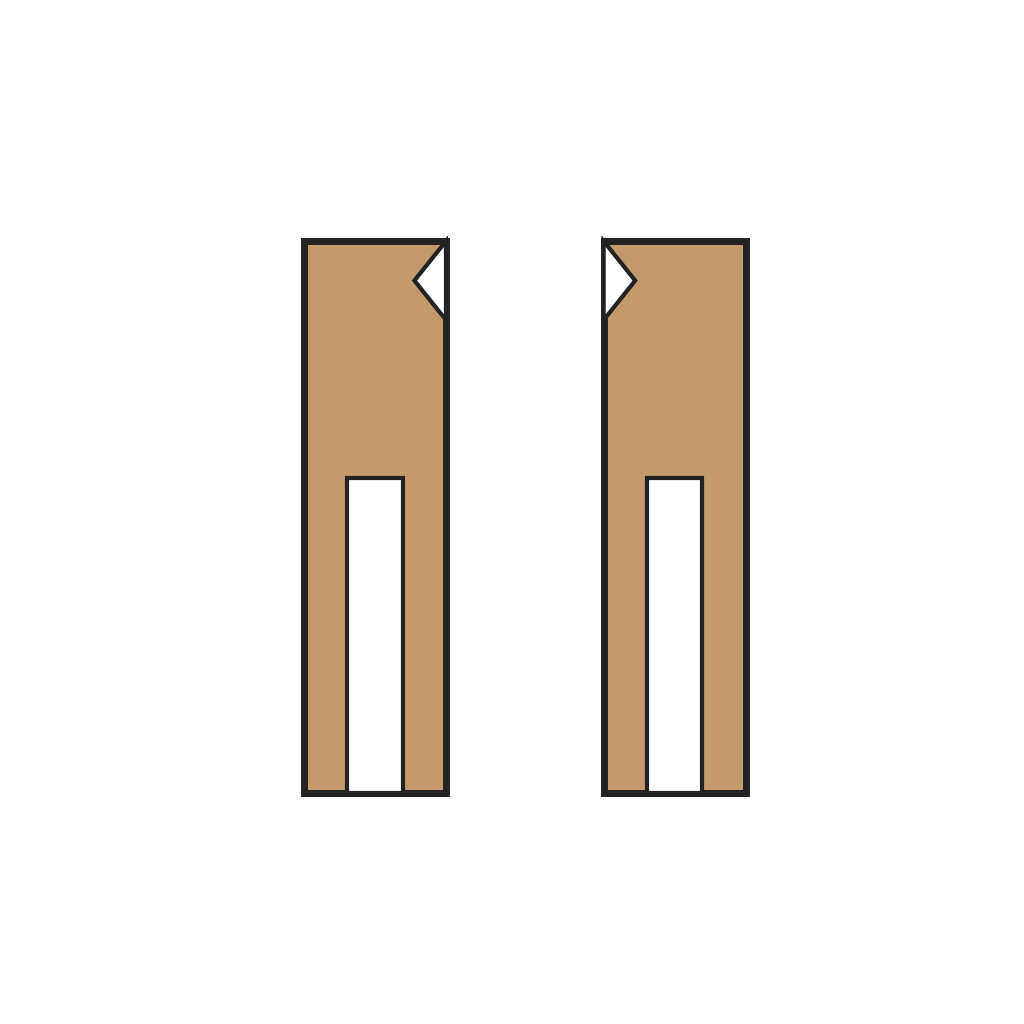 Mordazas de madera ranuradas desmontables1 pieza
Herramientas necesarias:
 Serrucho
 Juego de formones
 Juego de destornilladores
Materiales
6- Marcador de posición
- Marcador de posición
- 1 piezaMarcador de posición
- Marcador de posición
- Marcador de posición
- Marcador de posición
Herramientas requeridas
7- Marcador de posición
- Marcador de posición
- Marcador de posición
- Marcador de posición
- Marcador de posición
- Marcador de posición
- Marcador de posición
Este plano hace
Blueprints relacionados
Estos blueprints comparten conocimiento — técnicas, materiales o principios
CC0 Dominio público
Este Blueprint se publica bajo CC0. Eres libre de copiar, modificar, distribuir y usar este trabajo para cualquier propósito, sin pedir permiso.
Apoya al Maker comprando productos a través de su Blueprint, donde gana una Comisión del Maker establecida por los vendedores, o crea una nueva iteración de este Blueprint e inclúyela como conexión en tu propio Blueprint para compartir ingresos.