ARTE
BELLEZA Y BIENESTAR
ARTESANÍA
CULTURA E HISTORIA
ENTRETENIMIENTO
MEDIO AMBIENTE
COMIDA Y BEBIDAS
INGENIERÍA INVERSA
CIENCIAS
DEPORTES
TECNOLOGÍA
TECNOLOGÍA VESTIBLE
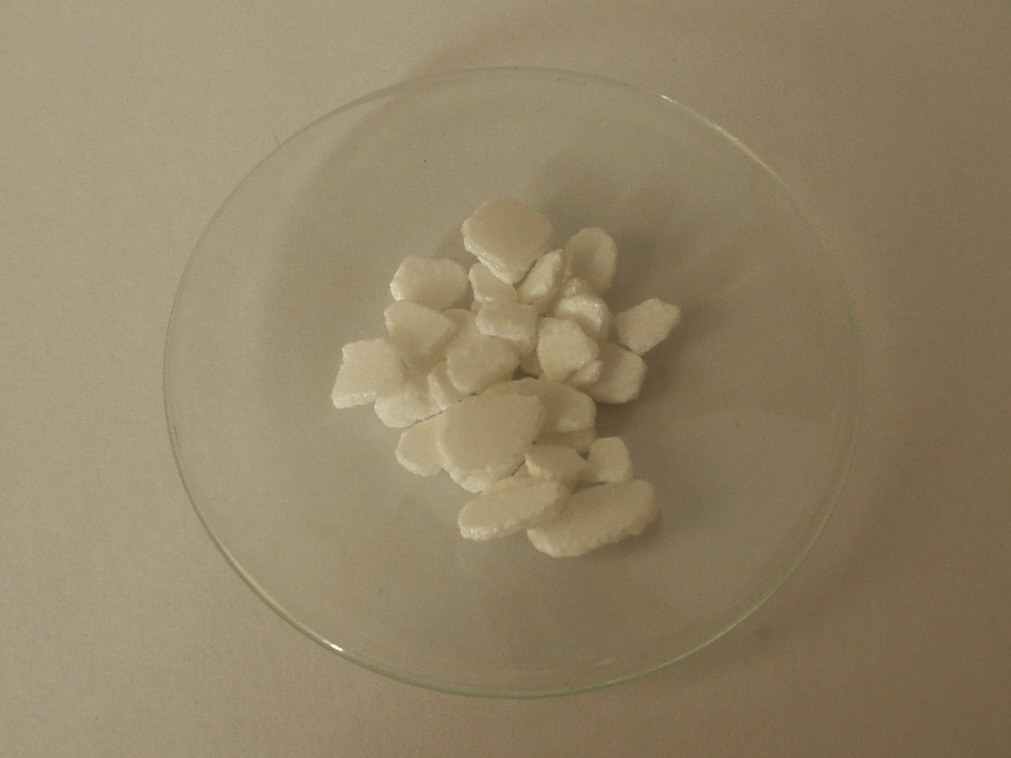


Chloride of Calcium from Marble and Spirit of Salt
Calcium chloride is the salt left when marble or limestone dissolves in hydrochloric acid. George Fownes's chemistry manual (1856) gives exactly that as the usual way to make it. The crystals that separate from a strong solution draw water from the air so greedily that, dried hard or fused, the salt is used to dry gases; in solution it is used in refining borax.
Intermedio
A day, plus drying
Instrucciones
1
1
Weigh marble and acid
Weigh marble and acid
Weigh the marble and the hydrochloric acid. The notebook (step 6) works out the amounts: 1 kg of marble takes about 2.3 kg of acid at specific gravity 1.162.
Materiales para este paso:
 Polvo de mármol1 kg
 Ácido clorhídrico2.3 kg
Herramientas necesarias:
 Balanza de platillos
2
2
Dissolve the marble in the acid
Dissolve the marble in the acid
Put the acid in a large glass jar and add the marble a little at a time, stirring. It fizzes as carbon dioxide escapes, so leave plenty of room in the jar. When a fresh pinch no longer fizzes, the acid is used up; let any undissolved marble settle and pour the clear solution off.
Herramientas necesarias:
 Tarro de vidrio
 Varilla de vidrio
 Gafas de protección química
 Guantes de goma
3
3
Boil it down to a strong solution
Boil it down to a strong solution
Evaporate the solution in a pan until it is strong. On cooling, the salt separates as colourless prismatic crystals, which hold 6 parts of water to each part of the chloride (Fownes).
Materiales para este paso:
 Carbón vegetal1 as required
Herramientas necesarias:
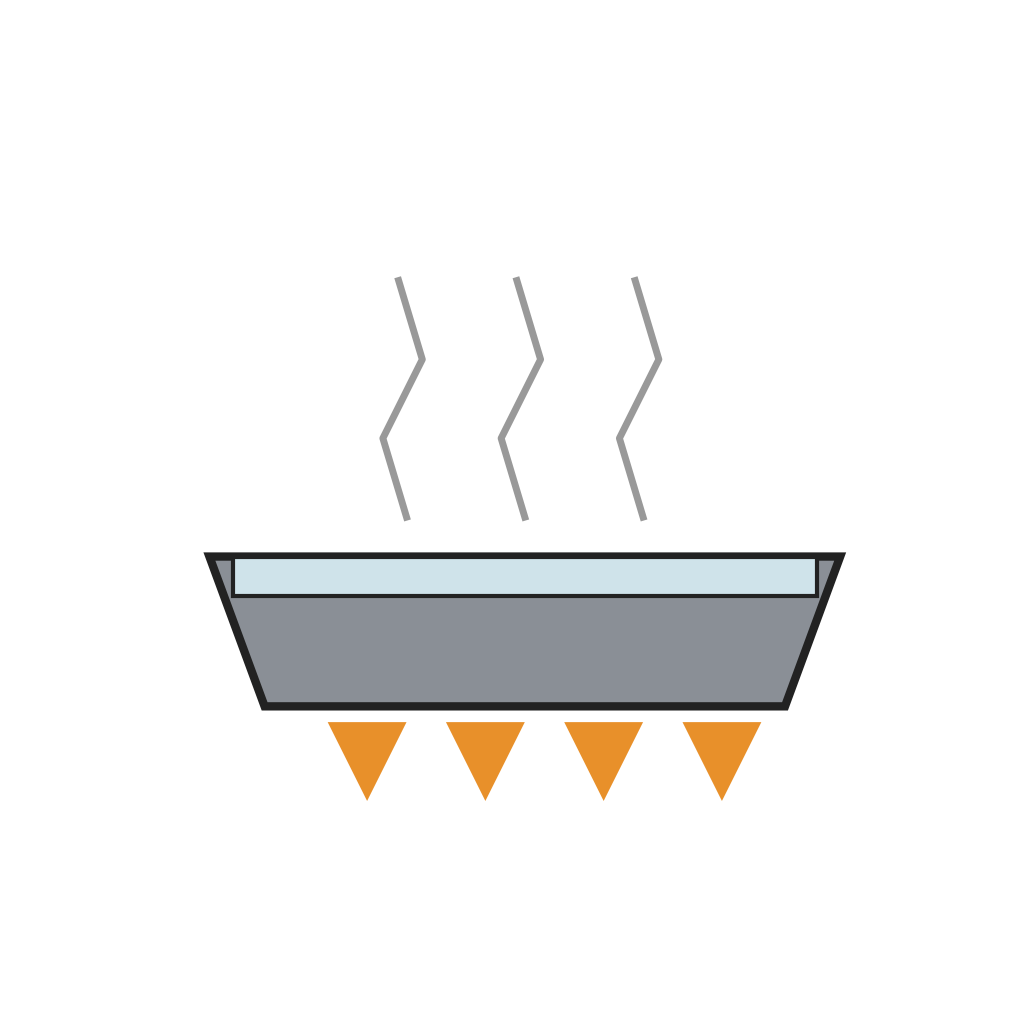 Paila de evaporación
 Horno de carbón vegetalVarilla de vidrioGafas de protección químicaGuantes de goma
4
4
Drive off the water, or fuse it
Drive off the water, or fuse it
Heat the crystals to expel their water. Raised to a strong red heat in a crucible, the dry salt fuses; cast or broken into pieces, fused chloride is the form used to dry gases.
Materiales para este paso:
Carbón vegetal1 as requiredHerramientas necesarias:
 Crisol de arcilla refractariaHorno de carbón vegetal
 Tenazas para crisol
 Guantes resistentes al calor
5
5
Keep it shut away from the air
Keep it shut away from the air
The crystals are exceedingly deliquescent: left open they take water from the air and run to a liquid. Store the salt hot from drying in a stoppered jar.
Herramientas necesarias:
Tarro de vidrio6
6
Marble in, chloride out
Marble in, chloride out
Cargando el cuaderno de Jupyter…
7
7
Troubleshooting
Troubleshooting
Calcium chloride troubleshooting.
Flow
Loading...
8
8
History and honest limits
History and honest limits
Fownes (1856) names marble dissolved in hydrochloric acid as the usual source and adds that calcium chloride is also a by-product of several manufactures; Ure (1839) notes it as the residue of making ammonia from sal ammoniac and lime. Fownes gives no quantities; those in the notebook come from the equation. Testing for the end of the fizzing, and leaving room in the jar, are ordinary practice, not his words.
Materiales
3- 1 kgMarcador de posición
- 2.3 kgMarcador de posición
- 1 as requiredMarcador de posición
Herramientas requeridas
10- Marcador de posición
- Marcador de posición
- Marcador de posición
- Marcador de posición
- Marcador de posición
- Marcador de posición
- Marcador de posición
- Marcador de posición
- Marcador de posición
- Marcador de posición
Este plano hace
Blueprints relacionados
Estos blueprints comparten conocimiento — técnicas, materiales o principios
CC0 Dominio público
Este Blueprint se publica bajo CC0. Eres libre de copiar, modificar, distribuir y usar este trabajo para cualquier propósito, sin pedir permiso.
Apoya al Maker comprando productos a través de su Blueprint, donde gana una Comisión del Maker establecida por los vendedores, o crea una nueva iteración de este Blueprint e inclúyela como conexión en tu propio Blueprint para compartir ingresos.