ARTE
BELLEZA Y BIENESTAR
ARTESANÍA
CULTURA E HISTORIA
ENTRETENIMIENTO
MEDIO AMBIENTE
COMIDA Y BEBIDAS
INGENIERÍA INVERSA
CIENCIAS
DEPORTES
TECNOLOGÍA
TECNOLOGÍA VESTIBLE
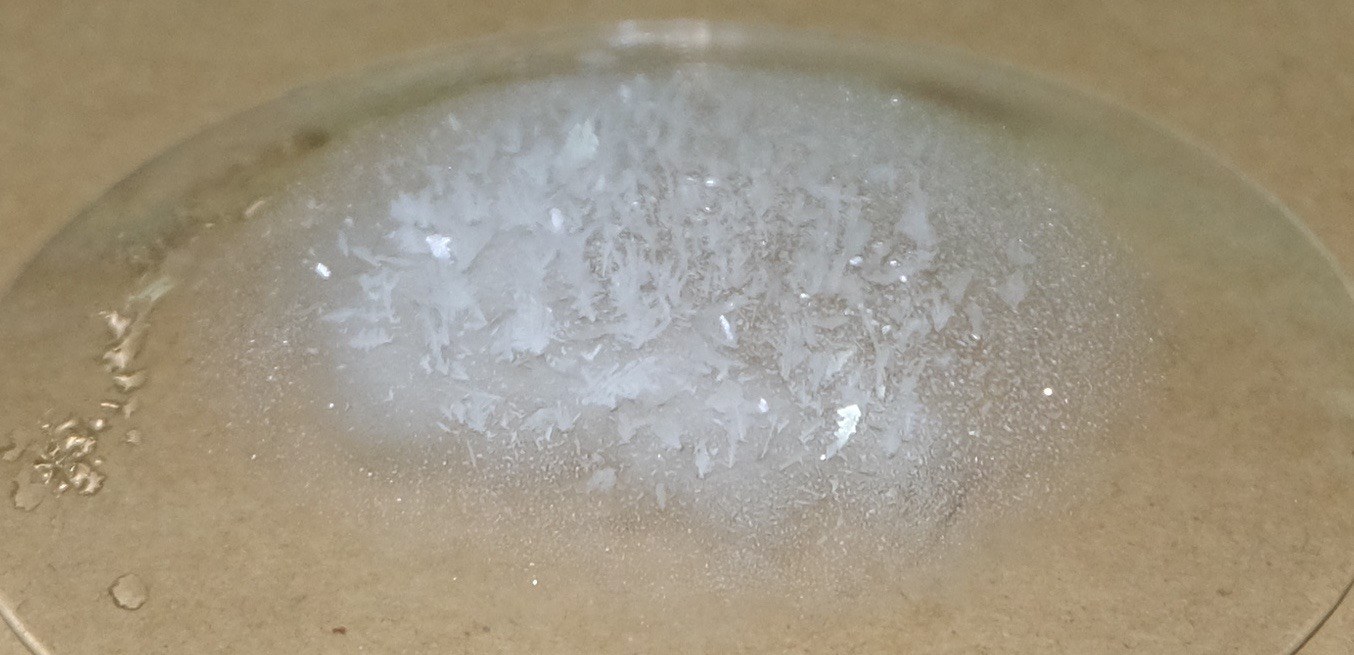


Crude Naphthalene from Light Creosote Oil: Warnes, 1913
How a coal-tar works made crude naphthalene, from Arthur R. Warnes's Coal Tar Distillation (1913). The naphthalene crystallises out of the light creosote oil (middle or carbolic oil) as it stands. It is melted, recrystallised and drained, sold as drained naphthalene, or pressed hard in bags as pressed naphthalene.
Avanzado
Works process
Instrucciones
1
1
Salt out the oil
Salt out the oil
Use washed light creosote, quite free from tarry matter. Pump it into crystallising boilers and let it stand for several days, on average 3 to 5 depending on the time of year, while the naphthalene, the "salts", crystallises out. Then drain the separated oil away through the drain pipes.
Materiales para este paso:
 Aceite de creosota ligera1 as required
Herramientas necesarias:
 Tanque de cristalización
 Bomba de trasiego
2
2
Melt and recrystallise
Melt and recrystallise
Melt the crude naphthalene left in the boilers with closed steam. When it is all liquid and well above its crystallising point, pump it into the recrystallising tanks, and at once blow steam through the pipes so no liquid salts set solid in them. Let it cool and recrystallise from the oil carried over.
Herramientas necesarias:
 Caldera de vaporBomba de trasiegoTanque de cristalización
 Termómetro
3
3
Drain it
Drain it
After two to four days open the drain taps and run off the oil that has separated. When the crude naphthalene has thoroughly drained, it can be packed in barrels as drained naphthalene.
Herramientas necesarias:
Tanque de cristalización Barril de madera
4
4
Press it in bags
Press it in bags
For pressed naphthalene, fill press bags (sometimes ordinary sacking) with the recrystallised crude, about 9 by 18 by 3 inches, keeping them evenly thick. Lay them on the press table about 2 inches apart, cover with a wrought-iron plate about 1/4 inch thick, and build up layer on layer, each lying squarely over the one below. Raise the press gently, then slowly increase the pressure to 1 1/2 to 2 tons per square inch and hold about an hour.
Herramientas necesarias:
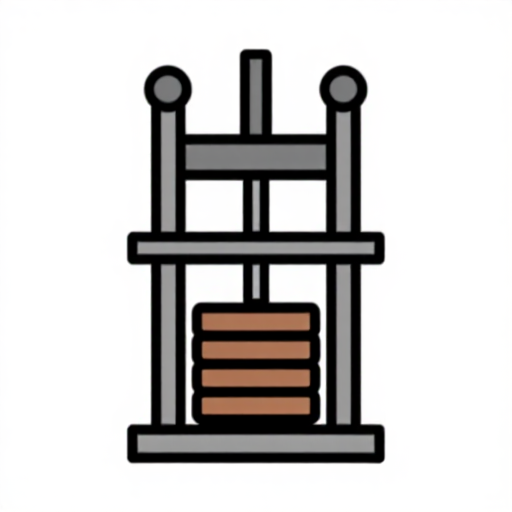 Prensa hidráulica
 Placa de hierro
 Arpillera
5
5
Trim and break up the cakes
Trim and break up the cakes
Release the pressure and take the cakes from the bags. Cut off any wet edges and press them again with the next batch. Break the cakes up in a disintegrator and pack them.
Herramientas necesarias:
 Cuchillo
 Desintegrador
6
6
The press load
The press load
Cargando el cuaderno de Jupyter…
Materiales
1- 1 as requiredMarcador de posición
Herramientas requeridas
10- Marcador de posición
- Marcador de posición
- Marcador de posición
- Marcador de posición
- Marcador de posición
- Marcador de posición
- Marcador de posición
- Marcador de posición
- Marcador de posición
- Marcador de posición
Este plano hace

Blueprints relacionados
Estos blueprints comparten conocimiento — técnicas, materiales o principios


CC0 Dominio público
Este Blueprint se publica bajo CC0. Eres libre de copiar, modificar, distribuir y usar este trabajo para cualquier propósito, sin pedir permiso.
Apoya al Maker comprando productos a través de su Blueprint, donde gana una Comisión del Maker establecida por los vendedores, o crea una nueva iteración de este Blueprint e inclúyela como conexión en tu propio Blueprint para compartir ingresos.