Colaboración
ARTE
BELLEZA Y BIENESTAR
ARTESANÍA
CULTURA E HISTORIA
ENTRETENIMIENTO
MEDIO AMBIENTE
COMIDA Y BEBIDAS
INGENIERÍA INVERSA
CIENCIAS
DEPORTES
TECNOLOGÍA
TECNOLOGÍA VESTIBLE
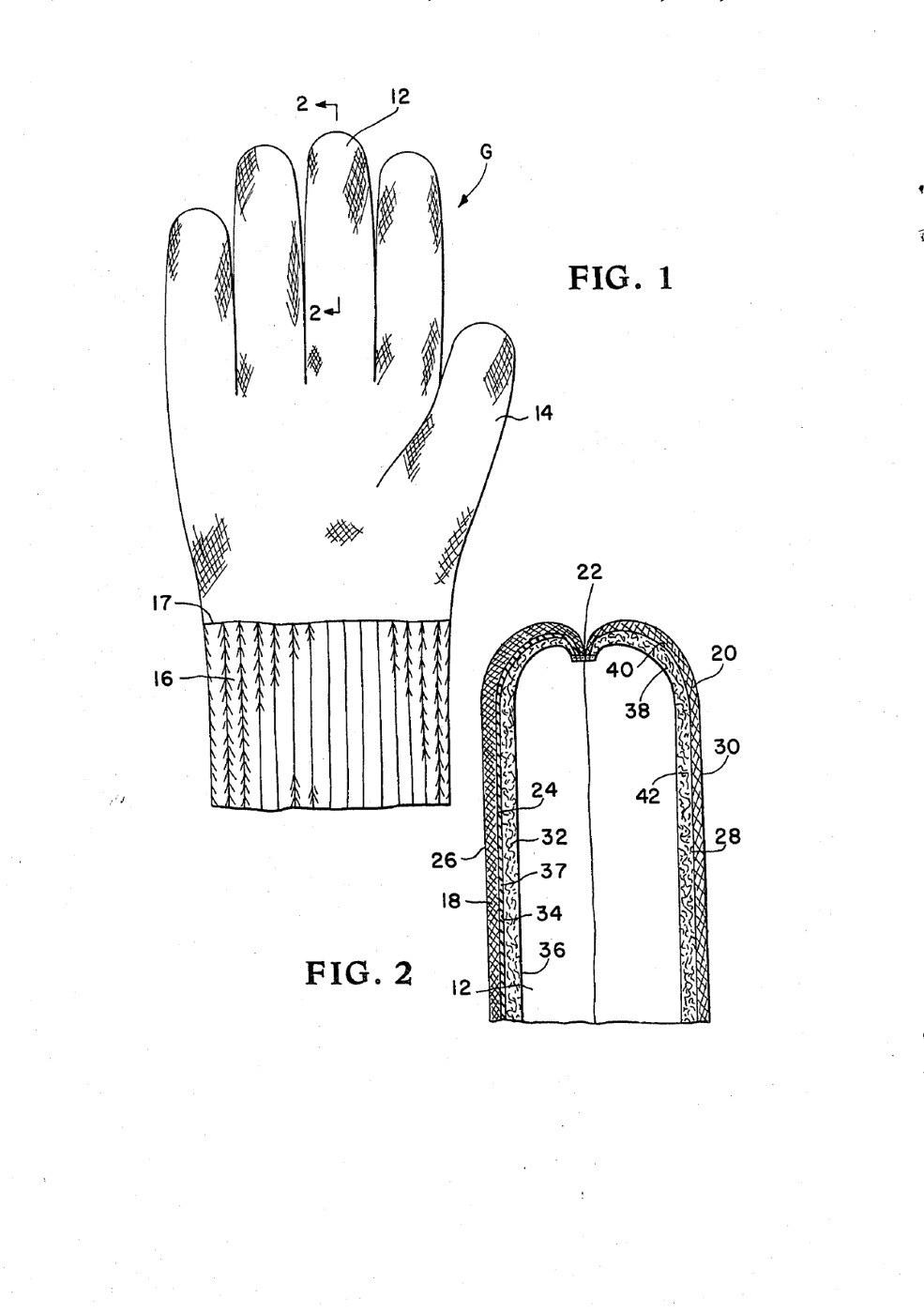


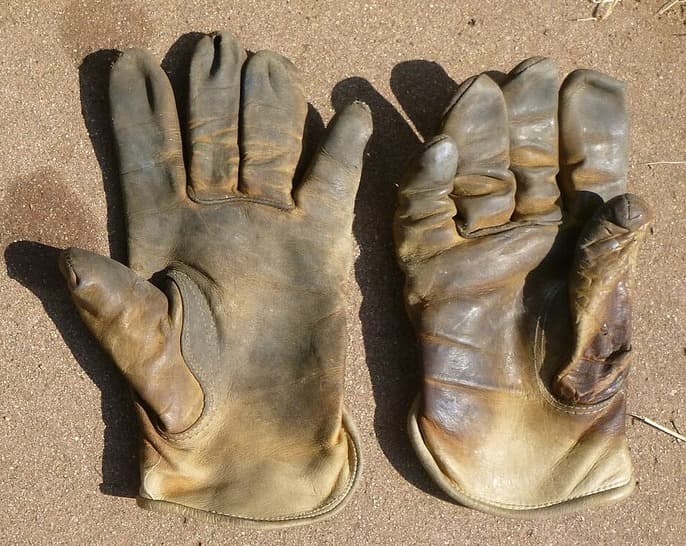
Heat-Resistant Gloves: Aramid Twill Palm, Knit Back and Felt Liners (NASA, 1984)
A heat-resistant glove made entirely of aramid fibre (Kevlar), patented by NASA for firefighters and foundry workers. The palm is a hard-wearing twill, the back a stretchy knit, and each is lined with aramid felt. A thin neoprene coat on the palm liner slows heat coming through from hot objects you grip.
Result: gloves that passed the NIOSH tests for firefighters' gloves for cuts, punctures, flame and dexterity. The patent reports 23 lb to puncture, against a 13.2 lb minimum.
Source: K. R. Sidman, R. P. Tschirch and I. J. Arons (NASA), US Patent 4,433,439 (1984). Unknown: the pattern and sizes, and how the neoprene coat is put on. Ours: the sewing tools. Picture: patent drawing.
Intermedio
1 day
Instrucciones
1
1
Cut the shells
Cut the shells
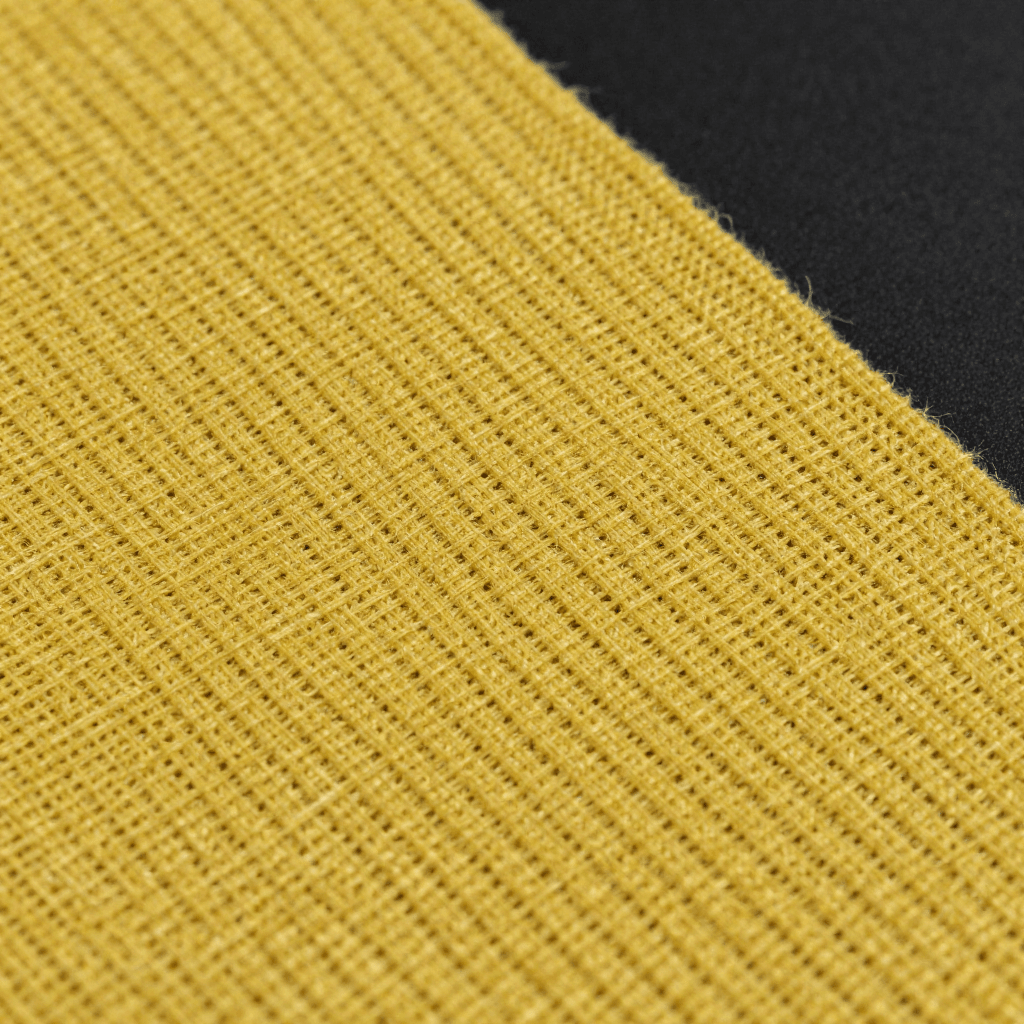
Cut the palm side of the glove from aramid twill of about 8 oz per square yard; twill wears best. Cut the back from knitted aramid of about 7 oz per square yard, which stretches for dexterity and comfort. Both should have a napped (raised) face; put it on the inside, where it adds insulation. Not given: the glove pattern and sizes.
Materiales para este paso:
 Tejido de aramida1 twill 8 oz/yd2 and knit 7 oz/yd2
Herramientas necesarias:
 Tijeras de sastre
 Jaboncillo de sastre
 Dimensiones desconocidas
2
2
Cut and coat the liners
Cut and coat the liners
Cut a palm liner and a back liner to the same shapes from aramid felt of about 3.5 oz per square yard. Coat the face of the palm liner that will lie against the palm shell with a flame-resistant elastomer, preferably neoprene, 4 to 5 mils thick. It helps stop heat conducting through the palm. Not given: how the coat is applied.
Materiales para este paso:
 Fieltro de aramida1 3.5 oz/yd2
 Neopreno1 4-5 mil coat
Herramientas necesarias:
Tijeras de sastre3
3
Sew the glove
Sew the glove
Lay each liner against its shell, coated face to the palm shell. Sew shells and liners together along their edges with aramid thread, joining palm half to back half in one seam round the fingers and thumb.
Materiales para este paso:
 Hilo de aramida1 pieza
Herramientas necesarias:
 Máquina de coser
4
4
Add the wristlet
Add the wristlet
Make a tube of knitted aramid about 4 inches long and sew it round the glove opening. It seals loosely round the wrist to keep water and other matter out. Make it longer to protect more of the forearm.
Materiales para este paso:
Tejido de aramida1 knit tubeHilo de aramida1 piezaHerramientas necesarias:
Máquina de coserMateriales
4- 1 knit tubeMarcador de posición
- 1 3.5 oz/yd2Marcador de posición
- 1 4-5 mil coatMarcador de posición
- 2 piezasMarcador de posición
Herramientas requeridas
4- Marcador de posición
- Marcador de posición
- Marcador de posición
- Marcador de posición
Materiales de Blueprints conectados

Este plano hace

CC0 Dominio público
Este Blueprint se publica bajo CC0. Eres libre de copiar, modificar, distribuir y usar este trabajo para cualquier propósito, sin pedir permiso.
Apoya al Maker comprando productos a través de su Blueprint, donde gana una Comisión del Maker establecida por los vendedores, o crea una nueva iteración de este Blueprint e inclúyela como conexión en tu propio Blueprint para compartir ingresos.