Colaboración
ARTE
BELLEZA Y BIENESTAR
ARTESANÍA
CULTURA E HISTORIA
ENTRETENIMIENTO
MEDIO AMBIENTE
COMIDA Y BEBIDAS
INGENIERÍA INVERSA
CIENCIAS
DEPORTES
TECNOLOGÍA
TECNOLOGÍA VESTIBLE
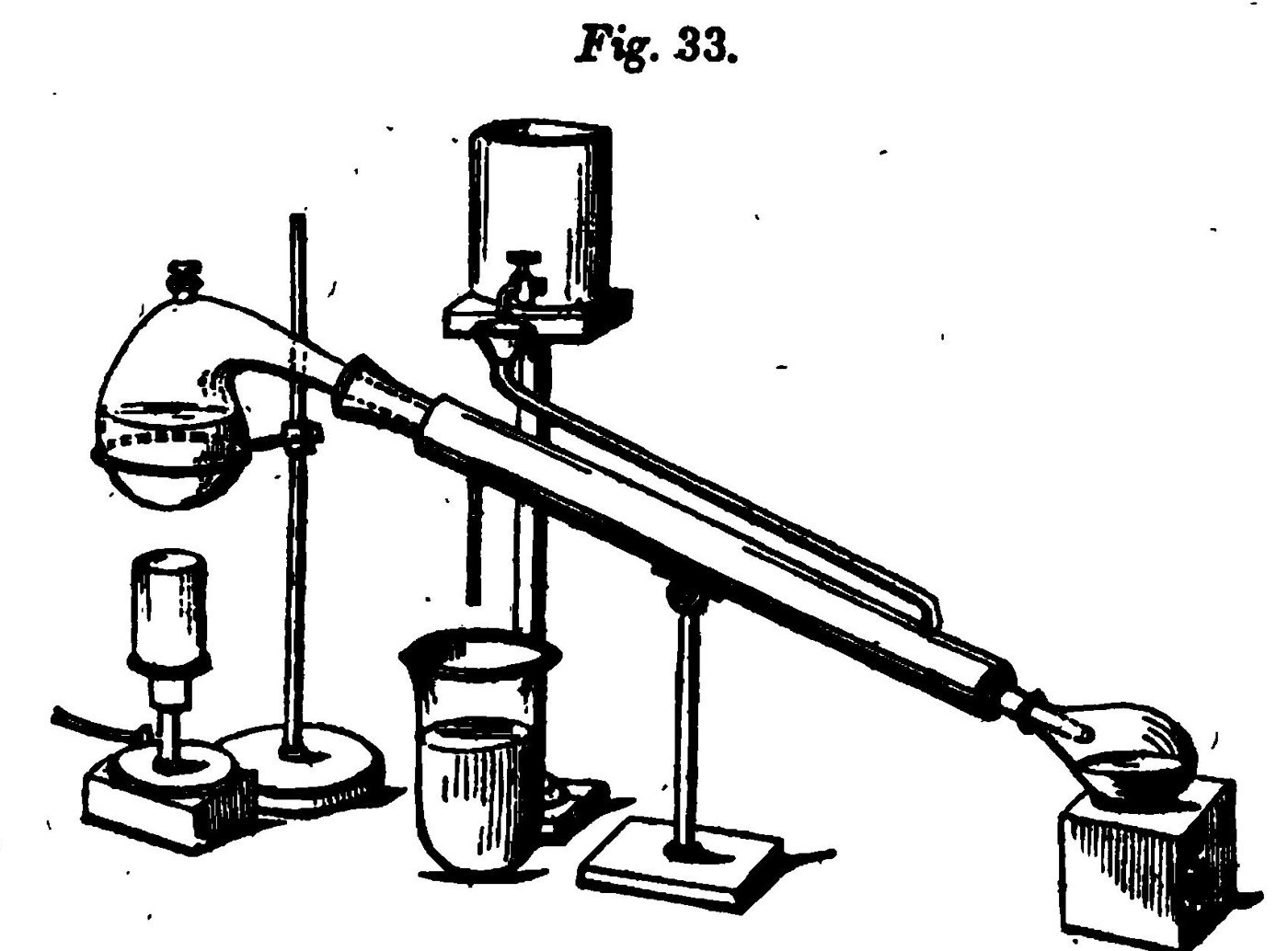


Water-Cooled Condenser: Liebig's Glass Tube Corked in a Metal Pipe (Fownes, 1847)
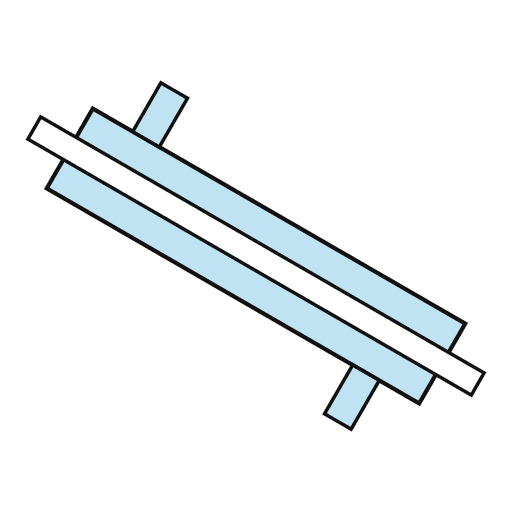
Liebig's condenser as Fownes described it in 1847: a glass tube, tapering from end to end, held by bored corks in the centre of a metal pipe, with tubes that let a current of cold water run through the pipe around it. Vapour from a retort passes down the glass tube, condenses and runs into the receiver.
With a few pieces of ice in the little cistern the water stays at 32 °F (0 °C), and even very volatile liquids condense.
Unknown: the metal of the pipe, the material of the water tubes and all sizes. Fownes does not give them.
Source: G. Fownes, Elementary Chemistry (1847), p. 46 and Fig. 33. Picture: Fig. 33.
Intermedio
Unknown
Instrucciones
1
1
Cork the glass tube into the pipe
Cork the glass tube into the pipe
Bore a cork for each end of the metal pipe. Pass the glass tube, which tapers from end to end, through both corks so that it is held in the centre of the pipe. Ours: the cork borer.
Materiales para este paso:
 Tubo de vidrio1 tapering from end to end
 Metal desconocido1 the pipe
 Corchos2 perforated
 Dimensiones desconocidas1 pieza
Herramientas necesarias:
 Horadador de corcho
2
2
Fit the water tubes
Fit the water tubes
Provide the pipe with tubes so arranged that a current of cold water can circulate through it. As drawn in Fig. 33, the water comes from a little cistern with a cock, standing above the apparatus, down to the lower end of the pipe, and leaves at the upper end into a jar.
Materiales para este paso:
 Material desconocido1 water tubes and cistern
Herramientas necesarias:
Horadador de corcho3
3
Run the cold water
Run the cold water
While distilling, let cold water flow from the cistern through the pipe. For very volatile liquids put a few pieces of ice into the cistern: the water then stays at 32 °F (0 °C).
Herramientas necesarias:
 Agua
 Hielo picado
Materiales
5- 1 tapering from end to endMarcador de posición
- 1 the pipeMarcador de posición
- 2 perforatedMarcador de posición
- 1 piezaMarcador de posición
- 1 water tubes and cisternMarcador de posición
Materiales de Blueprints conectados

Este plano hace
CC0 Dominio público
Este Blueprint se publica bajo CC0. Eres libre de copiar, modificar, distribuir y usar este trabajo para cualquier propósito, sin pedir permiso.
Apoya al Maker comprando productos a través de su Blueprint, donde gana una Comisión del Maker establecida por los vendedores, o crea una nueva iteración de este Blueprint e inclúyela como conexión en tu propio Blueprint para compartir ingresos.